To sideload an unverified Android app, you will have to authenticate your device, restart it, and wait 24 hours, though Google still leaves a path open for advanced users.
- Google's developer verification requirement begins rolling out globally in January 2027
- Installing an unverified app requires authenticating your device, restarting it, and waiting 24 hours
- Google says more than 99% of app installs on Android already belong to registered apps
- A free account for students and hobbyists lets them share apps with up to 50 devices
- Full enforcement is expected from March 1, 2027
Table of Contents
Rollout timeline
Google has confirmed that its developer verification requirement will begin rolling out worldwide in January 2027, after the policy was announced in 2025. Under it, every Android app developer must verify their identity and register their apps with Google, regardless of where the apps are distributed, including third-party app stores and standalone APK releases. The first phase began on September 30, 2026 in Brazil, Indonesia, Singapore, and Thailand, so next year's step is effectively an expansion to the rest of the world.
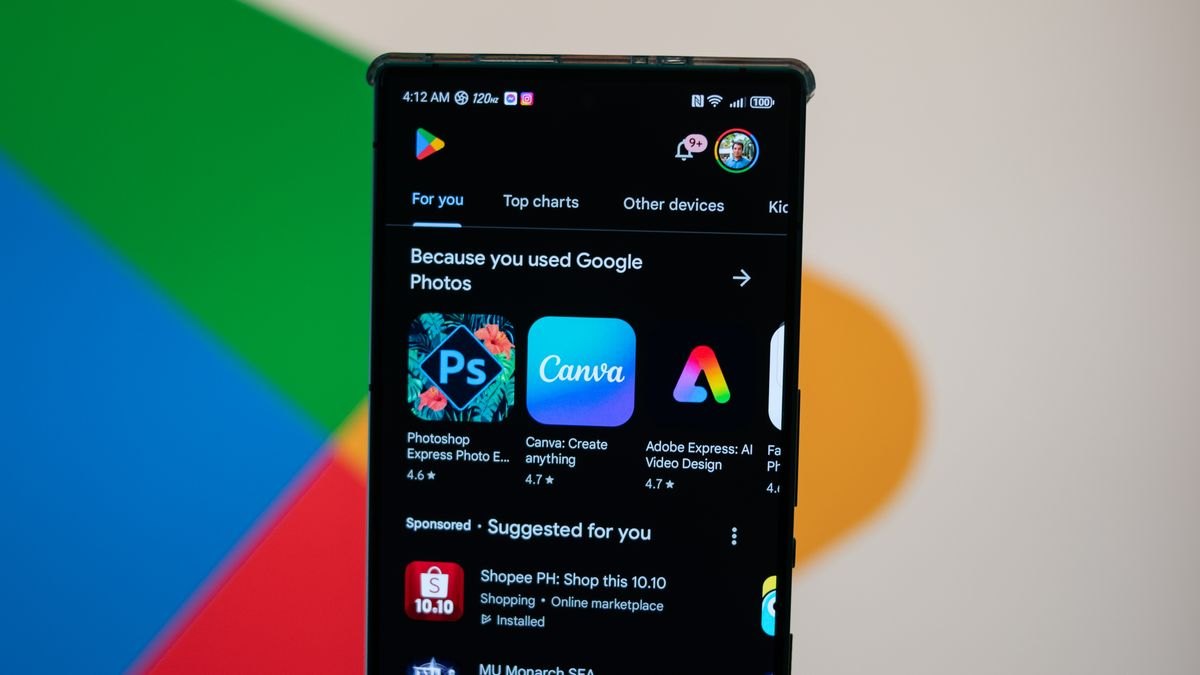
Google says the goal is to make life harder for scammers and malicious developers, who keep distributing harmful apps. According to the company, millions of apps have already been registered, accounting for more than 99% of app installs on Android worldwide, which means most of the apps people use every day are already covered by verification. To bring the requirement to more users, Google is working with seven distribution partners: Google Play, Samsung's Galaxy Store, Honor, OPPO, Xiaomi, Transsion, and vivo.
Installing unverified apps will take more effort
The change users will notice most is in sideloading. To install an app that hasn't been verified, you must authenticate your device and confirm you aren't being coerced into changing security settings. You then restart your phone and wait 24 hours before unrestricted sideloading can be enabled. For anyone used to installing APKs in a few taps, that is a fairly long wait.
Google still offers an advanced installation option for experienced users who want to bypass verification, although the experience is no longer as streamlined as before. Small developers also get a few concessions: a free limited distribution account lets students and hobbyists share apps with up to 50 authorized devices without submitting government-issued ID or paying a registration fee. Google is also adding APIs to make registration easier for people with many apps.
Full enforcement date
Android's big advantage over iOS has long been that you can install apps from almost anywhere without asking Google's permission, and that is exactly why the new policy is seen as a step back in the platform's openness. Google insists users can still choose where to download apps, but the added identity checks, installation restrictions, and mandatory waiting period clearly make that freedom much less convenient.
After the global rollout, the protections are expected to open up to all countries and installation sources within a few months, and Google's documentation lists March 1, 2027 as the date of full enforcement.
The goal of fighting malicious apps is well founded: more than 99% of installs already belong to registered apps, so most mainstream users will barely notice any change. The real cost falls on people who often install APKs from outside app stores, especially those who like to try apps from small developers, because they now face an extra authentication step and a 24-hour wait that didn't exist before. Migovi believes the thing to watch is whether the advanced option proves flexible enough in practice, since that will decide whether Android keeps its open spirit or only claims it in name. If you sideload regularly, learn this process in advance and plan for the 24-hour wait, rather than discovering it when you need an app urgently.
Source: Android Central
Reviewed by: Hero Association