Anthropic IPO: Amazon and Google hold a combined $307.9 billion stake, but they also get that money back when Anthropic rents infrastructure to train and run Claude.
- The adjusted IPO price is $83 per share, with Anthropic raising about $141 billion and netting about $91.7 billion
- Amazon (14.7%) and Google (13.7%) hold a combined stake worth about $307.9 billion at the IPO price
- Anthropic has committed to spending $900 billion, mostly on compute infrastructure, while its Q3 revenue was $17 billion
- Analysts say the biggest risk is Anthropic losing the AI race, while infrastructure providers are largely insulated
Table of Contents
The suppliers are also the investors
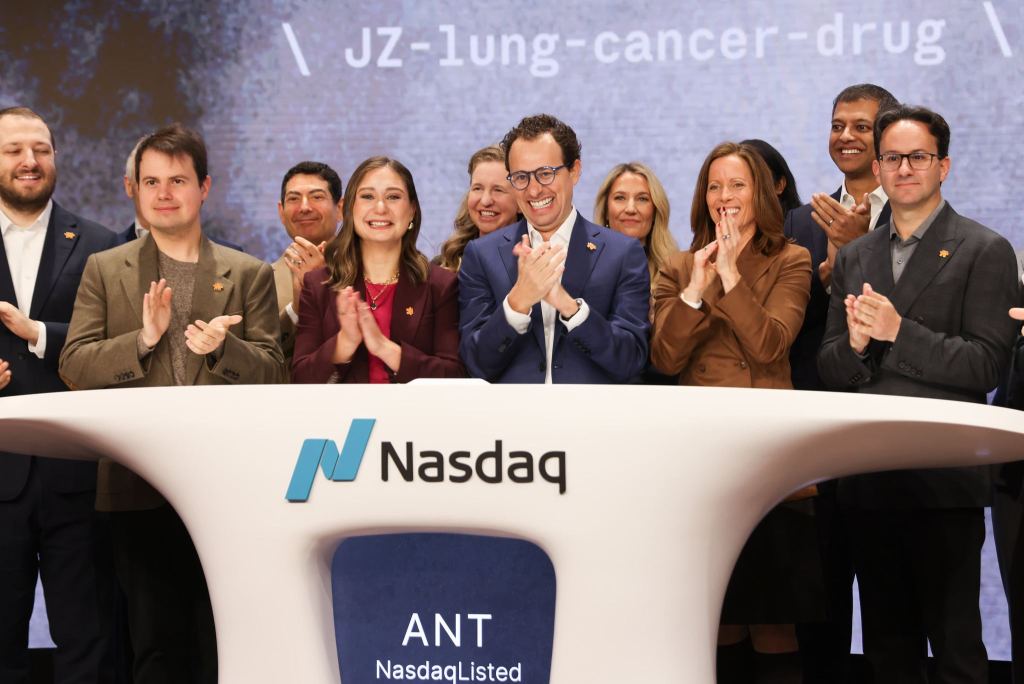
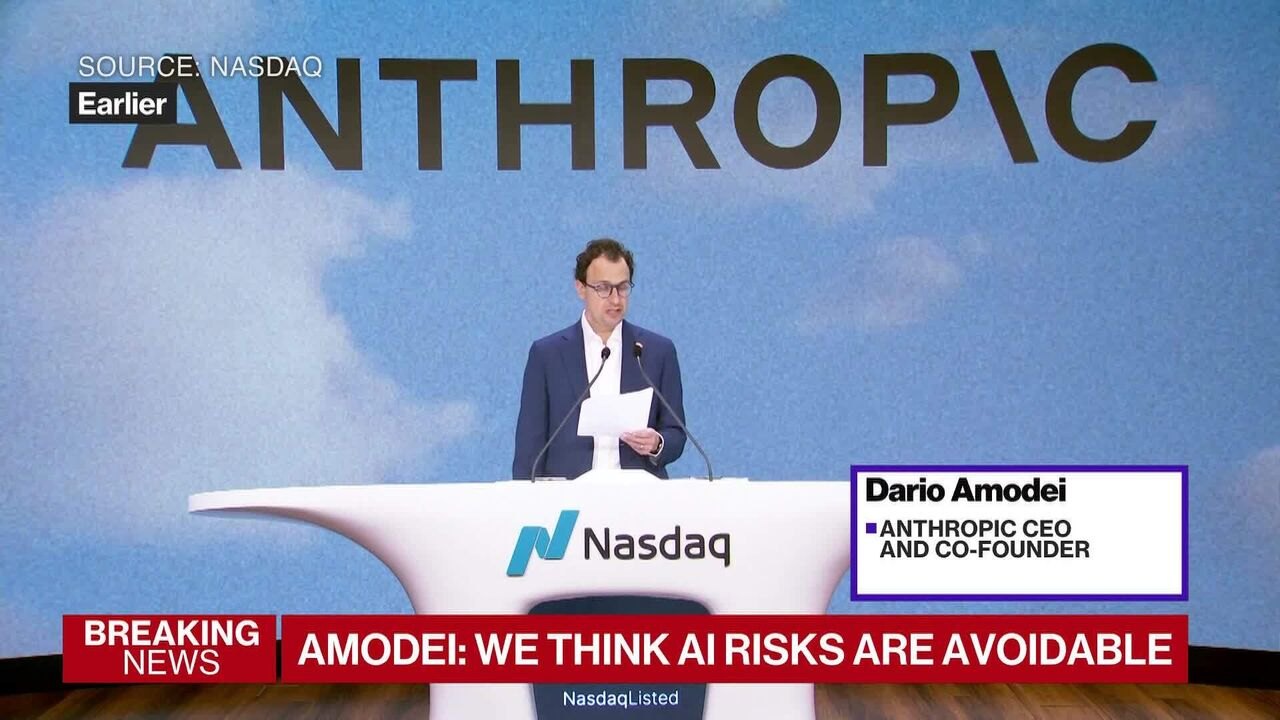
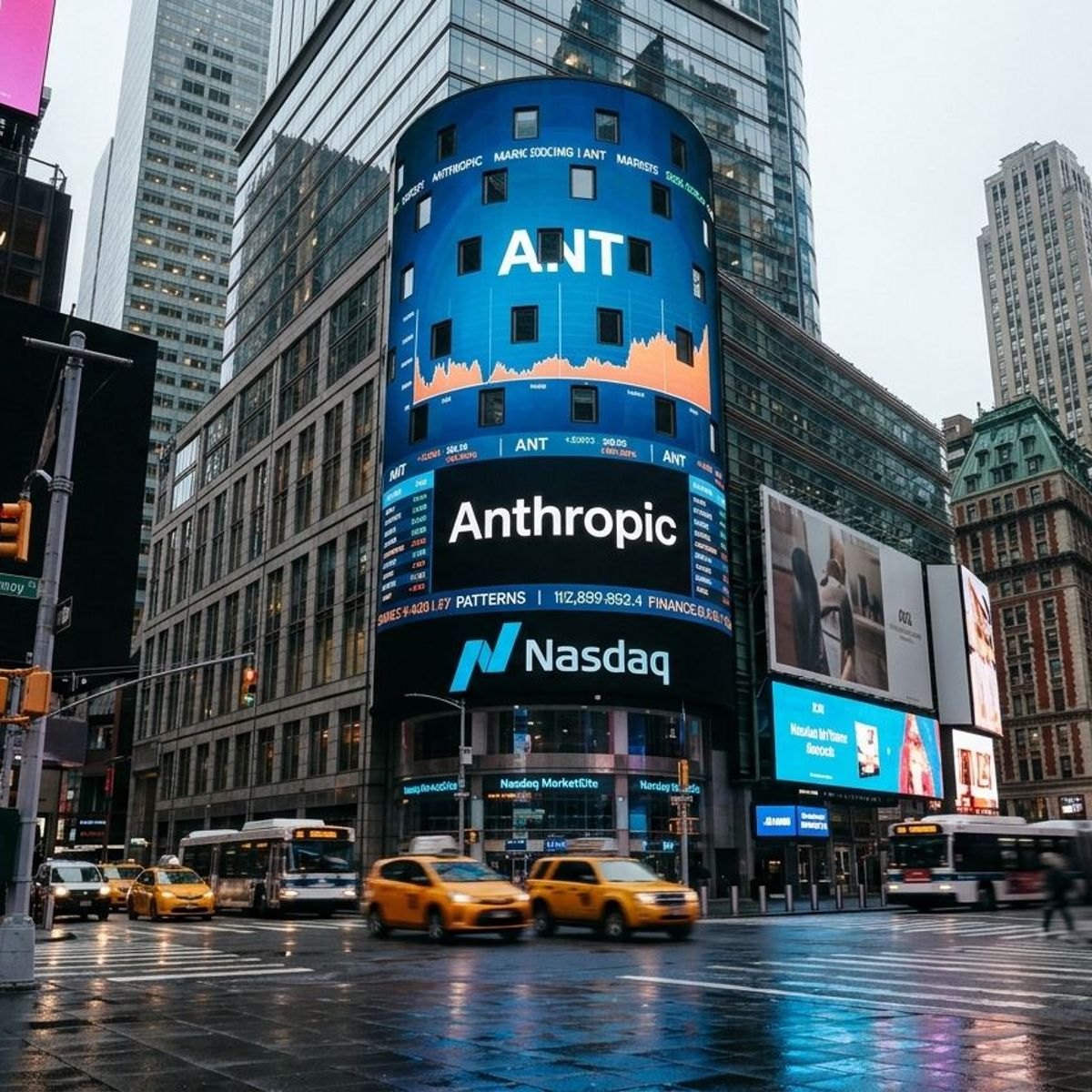
Anthropic began trading on the stock market today at an adjusted offering price of $83 per share, and the IPO is expected to bring in billions of dollars for the company and its investors. Notably, a very large share of that value will land with the same companies that sell infrastructure to Anthropic, not just with conventional investment funds.
According to the prospectus, Amazon holds a 14.7% stake after putting $18 billion into Anthropic, and at the IPO price that stake could exceed $159 billion. Google holds 13.7%, worth nearly $149 billion, so the two companies together own about $307.9 billion of the AI company. In addition, Google, NVIDIA, AMD, Microsoft, Broadcom, Micron, and TSMC have committed a combined $26 billion in a private placement at the IPO price.
The money goes around and comes back
This structure is exactly what makes some observers doubt the AI boom, because those investors are also Anthropic's biggest suppliers. Amazon and Google look like they are pouring billions of dollars into the company, but that money flows back to them whenever Anthropic needs to train a model or run Claude for users. From a distance, cloud providers report unprecedented revenue growth and Anthropic raises unprecedented capital, yet it could be the same cash simply moving from one pocket to another.
The relationships extend to other players as well. Google has invested a total of $12.3 billion in Anthropic since 2023, with another $30 billion to come if Anthropic hits agreed performance milestones. Apart from TSMC, the remaining suppliers, including NVIDIA, AMD, Broadcom, Microsoft, and Micron, have all announced multibillion-dollar strategic partnerships under which Anthropic will buy their products.
Going public changes the capital equation
Analysts say the IPO is the point where this financial loop can start to stand on its own, since earlier investments are now profitable and can be converted to cash. Anthropic still loses tens of billions of dollars per quarter, but the ones absorbing those losses will no longer be suppliers or private investors. Instead, it will be public-market investors and corporate bond buyers, sources free of the conflicts of interest that existed before. After the listing, the company expects to have about $220 billion in cash, cash equivalents, and short-term investments, including proceeds from the IPO and the $26 billion private placement, and it can also use its stock to pay for future commitments.
That figure has to be weighed against its payment obligations. Joey Brookhart, head of the Tokenomics group at SemiAnalysis, estimates that Anthropic needs about $280 billion in cumulative revenue over the next four years to pay its compute bills, and he believes that target is achievable given next year's projected revenue. Meanwhile, Anthropic has committed to spending $900 billion, mostly on infrastructure, although some agreements include termination clauses. Q3 2026 revenue reached $17 billion, an annualized run rate of $68 billion, so if the current growth pace holds, Brookhart says that gap can be covered.
Gil Luria, head of technology research at D.A. Davidson, agrees that the company is in a very strong position. According to him, Anthropic is raising about $141 billion and netting about $91.7 billion at $83 per share, which will give it more cash than any company has ever had. Brookhart adds that listing makes Anthropic more credible when borrowing from the public markets, even though recent reports suggest lenders do not yet consider the company investment grade. Luria also distinguishes this case from neoclouds such as CoreWeave, which he sees as more dependent on circular financing, while Brookhart maintains that the suppliers' investments create value for the entire ecosystem.
The risk lies in the AI race
Both analysts see Anthropic's biggest risk as losing the AI race. Its current growth rests on its lead in generative AI, so if OpenAI, Google DeepMind, or even cheap open-weight models overtake it, things could change very quickly. Luria put it bluntly: if everyone is using someone else's model, Anthropic is not worth $1.5 trillion. It is worth nothing.
Even so, infrastructure providers will likely be fine no matter who wins. Luria argues that Amazon and Google carry little risk, because if users switch to another model, that workload will still run in data centers operated by Amazon, Google, and Microsoft. Neither analyst thinks Anthropic's growth is under threat, though some worry that cheaper tokens and more competition will hit the company's profit directly.
Migovi sees the IPO as dispelling much of the suspicion that Anthropic lives off its own suppliers' money, since the costs will now be borne by the public market and the company has about $220 billion on hand. Still, the $900 billion in obligations is a huge number against $17 billion in quarterly revenue, so every optimistic argument today depends on revenue continuing to grow fast. For Vietnamese users of Claude or other AI tools, what matters in practice is that service quality and pricing will keep depending on competition between models, not on the financial structure behind them. Wait for Anthropic's next quarterly revenue reports to see whether growth is enough to cover its spending commitments before treating this as a sustainable model.
Source: TechCrunch
Reviewed by: Hero Association