Foxconn has reportedly won the assembly order, but it's still unclear which operating system OpenAI's phone will run, how much it will cost, or whether it will actually launch on schedule.
- FIH Mobile (a Foxconn subsidiary) has reportedly received the order to assemble OpenAI's phone
- Launch is expected in late 2027 or sometime in 2028, with Luxshare moving to a component supply role
- Rumored specs: a custom 2 nm MediaTek Dimensity 9600 chip, LPDDR6 RAM, and UFS 5.0 storage
- The operating system, price, and production volume are unknown, and neither OpenAI nor Foxconn has confirmed anything
- Apple is suing OpenAI over the alleged taking of confidential information, which could affect the hardware timeline
Table of Contents
Foxconn gets the assembly order
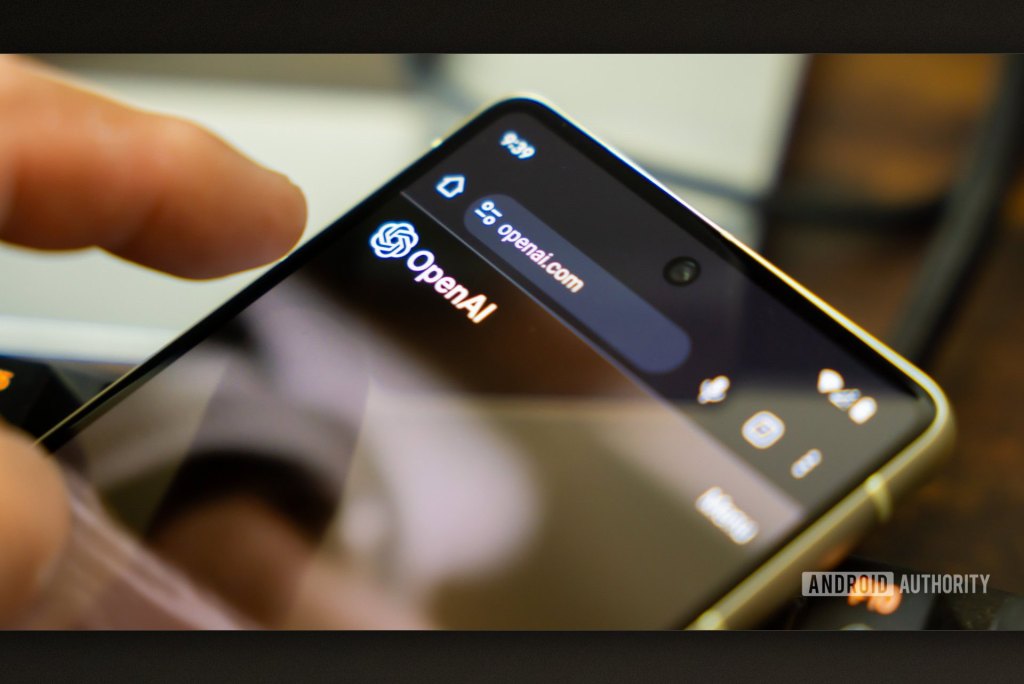
News that OpenAI wants to build its own phone first surfaced in April. Now a new report from China suggests the project is moving forward, with some familiar names from Apple's supply chain attached. According to Securities Times, citing industry sources, FIH Mobile, a Foxconn subsidiary, has received the order to assemble the phone. Foxconn is one of the largest iPhone manufacturing partners, so if the report is accurate, OpenAI would become Foxconn's next major smartphone customer, and one that emerged from Apple's own ecosystem.
Another report, from Cailian Press, says the phone could launch in late 2027 or sometime in 2028. Notably, Luxshare Precision, which analyst Ming-Chi Kuo previously described as OpenAI's exclusive manufacturing partner, is still involved according to the new report, but on the component supply side. Lingyi iTech and AAC Technologies, also familiar Apple suppliers, are reportedly in the same role. OpenAI appears to be relying almost entirely on the network that builds the iPhone.
The specs are still just rumors
The latest reports don't add any new specifications, so the hardware details still rest on earlier leaks. In May, OpenAI was said to be aiming for mass production as early as the first half of 2027. Kuo said the phone would use a custom MediaTek Dimensity 9600 chip on a 2 nm process, along with two dedicated AI processors, LPDDR6 RAM, and UFS 5.0 storage. The camera is also said to focus on helping AI understand its surroundings rather than chasing conventional photography specs.
Why OpenAI wants a phone
Today, ChatGPT reaches phones mainly through operating systems controlled by Google and Apple. Whether people use a standalone app or a system-level integration, OpenAI still works within the limits of someone else's platform. Building its own phone would change that, since the company could control everything from system permissions and background processes to how the camera, microphones, and sensors feed data to the AI. ChatGPT would no longer be just an app on the device. The whole experience could be built around it: an AI that knows where you are, anticipates what you need, and gets things done without making you jump between apps.
The operating system and Apple's lawsuit
The biggest question is still which operating system the phone will run. A customized version of Android looks like the natural starting point because the app ecosystem already exists. Building an OS from scratch would give OpenAI more freedom, but it would be hard to convince developers and users to embrace yet another mobile platform.
Meanwhile, Apple is suing OpenAI, alleging that the company obtained confidential information about product development, manufacturing, and suppliers through former Apple employees. OpenAI has disputed the claims, and in October a federal judge allowed Apple to conduct limited expedited discovery. The legal fight could slow OpenAI's hardware plans, although the latest supply chain reports suggest the project hasn't stopped.
Plenty of unknowns remain
Neither OpenAI nor Foxconn has confirmed the assembly order, and there is no official information on pricing, design, or production volume. Kuo once estimated that shipments could reach 30 million units across 2027 and 2028 if everything goes smoothly, a fairly ambitious figure for a company that has never sold a phone. Google and Samsung are pushing AI deeper into their devices, so OpenAI will need to give buyers a convincing reason to choose a ChatGPT phone rather than simply installing ChatGPT on their next Galaxy, Pixel, or iPhone.
What stands out most to Migovi isn't the hardware but OpenAI's choice of the same supplier group that builds the iPhone. It suggests the company is preparing for production in earnest rather than stopping at the idea. Still, all the current information comes from anonymous supply chain sources and none of it has been confirmed, while the operating system question will largely decide whether the phone can compete. For readers in Vietnam, the company hasn't said anything about pricing or official sales either. If you're thinking about upgrading, buy based on your current needs, because this phone won't appear before late 2027 at the earliest.
Source: Android Authority
Reviewed by: Hero Association