Signals from Starlink satellites can't penetrate metal roofs, so SpaceX needs another link on the ground to give phones a stable connection indoors.
- SpaceX says it has finished designing a small cellular base station that mounts on a roof, with production expected to begin in 2027
- The device is meant to fill the gap where satellite signals are blocked indoors, especially in buildings with metal or thick roofs
- The Direct-to-Cell V2 satellite constellation will launch next year, increasing bandwidth 40-fold
- Product details are not final, and one option is to combine the mini tower with Starlink hardware
- There is no information yet on plans for the Vietnamese market
Table of Contents
The missing link in Starlink Direct-to-Cell
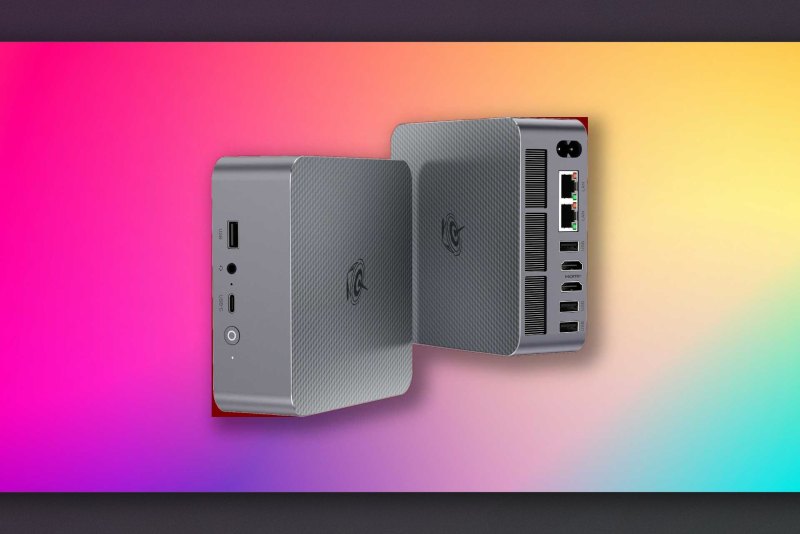
At this week's DealBook Summit, Elon Musk said SpaceX has finished designing a miniature cellular base station that sits on a roof, with production expected to begin in 2027. The device is meant to address an inherent weakness of satellite signals: Starlink's signal struggles to reach a phone when the user is inside a building, especially one with a metal or thick roof. He described it as a "micro cell tower" that users simply mount on the roof, much like a Starlink dish.
According to Musk, the company plans to cover every corner of the planet, including by phone, and will launch the Direct-to-Cell V2 constellation next year to raise bandwidth 40-fold. Even so, no matter how powerful the satellites are, the signal is still blocked by the roof. He argues that a ground-based component is needed to fill that gap, specifically for users inside a home with a thick roof.
Spectrum and rollout timeline
This approach has been taking shape for several years. SpaceX started by acquiring spectrum after the US Federal Communications Commission (FCC) approved, in 2024, its plan to connect Starlink directly to phones, with T-Mobile as a partner. In 2025, the company closed a $17 billion deal with EchoStar, and this year it agreed to buy a further portfolio of low-band spectrum worth $8 billion. Musk says that combining this spectrum with the mini tower will strengthen the signal and end the dead zone problem.
The idea isn't new, but this week was the first time outsiders could see how far the hardware has progressed. In August, during an earnings call, SpaceX President Gwynne Shotwell said the company would not use large towers and would instead deploy small, low-power base stations. Still, the details appear to be in flux, since Musk said only that one possible option is to combine the small tower with Starlink's user terminal. Asked about timing, he answered cautiously that the device would enter production "next year, I think," which is understandable given his track record of missing his own production milestones.
Are traditional carriers under threat?
SpaceX's hybrid cellular-satellite network has prompted many predictions that traditional carriers are in danger. Musk disagrees, because he believes an entirely new class of customer will drive bandwidth demand sharply higher: AI. He doesn't expect AT&T, Verizon, or other carriers to go bankrupt, at worst losing a portion of their revenue. In his view, future bandwidth will be consumed mainly by superintelligence and robots, which need far more bandwidth than humans do.
Migovi finds this approach sensible, because it targets a real bottleneck for satellite-connected phones: people spend most of their time on their phones indoors, where signals from space are weakest. Still, "design finished" is a long way from a product in users' hands, especially since the company hasn't announced pricing, distribution, or whether the mini tower will be sold separately or bundled with Starlink hardware, and the 2027 target comes from someone known for missing deadlines. For users in Vietnam, there is currently no information on plans to bring this service to the market, so there is nothing to wait for yet. It's best to watch for the mini tower's actual specifications as the product gets closer to launch.
Source: TechCrunch
Reviewed by: Hero Association