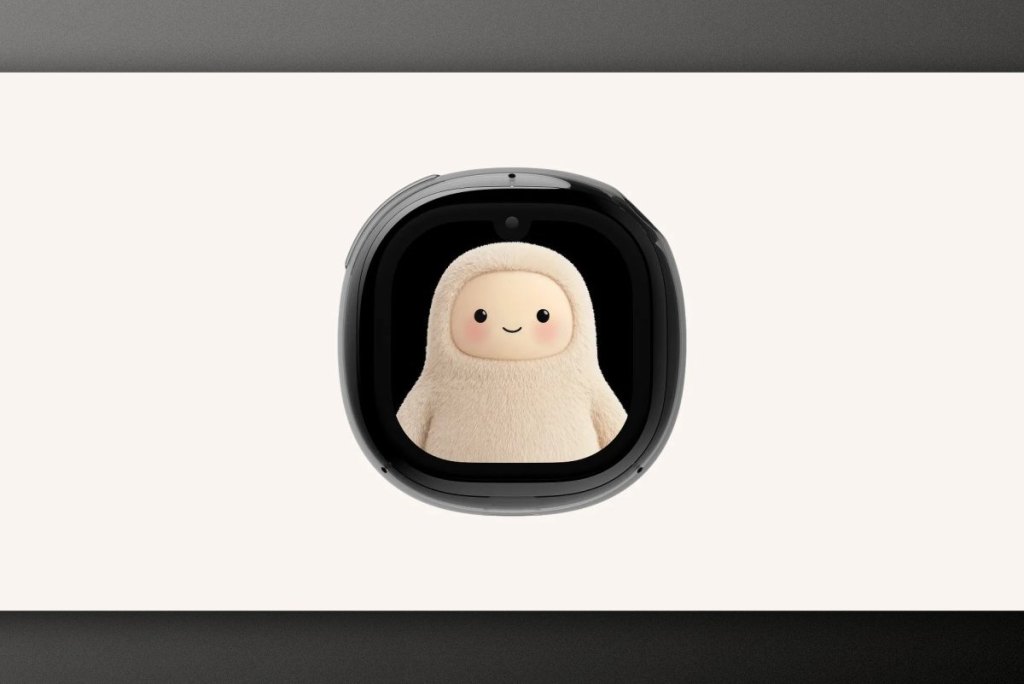
The Muse Charm packs a 5G modem and a 2-inch display, but Meta will have to convince buyers to pay 300 USD for one more AI gadget on top of their phone.
- The Muse Charm is a pocket-sized Meta device for talking to its Muse AI assistant, reportedly priced at 300 USD, according to The Information
- Buyers may get up to one year of Verizon 5G service included, but Meta has not confirmed either the price or this offer
- The device has a 2-inch display, its own 5G modem, and a fingerprint sensor to activate it, and it can't make phone calls
- Meta's smartwatch is reportedly delayed until 2027
Table of Contents
Expected price and launch timing
According to The Information, Meta is considering selling the Muse Charm for 300 USD. It is a compact pocket device for chatting with Muse, the company's AI assistant, and buyers may get up to one year of Verizon 5G service thrown in. However, Meta has not confirmed either detail, so the price and the offer remain unverified information from sources.
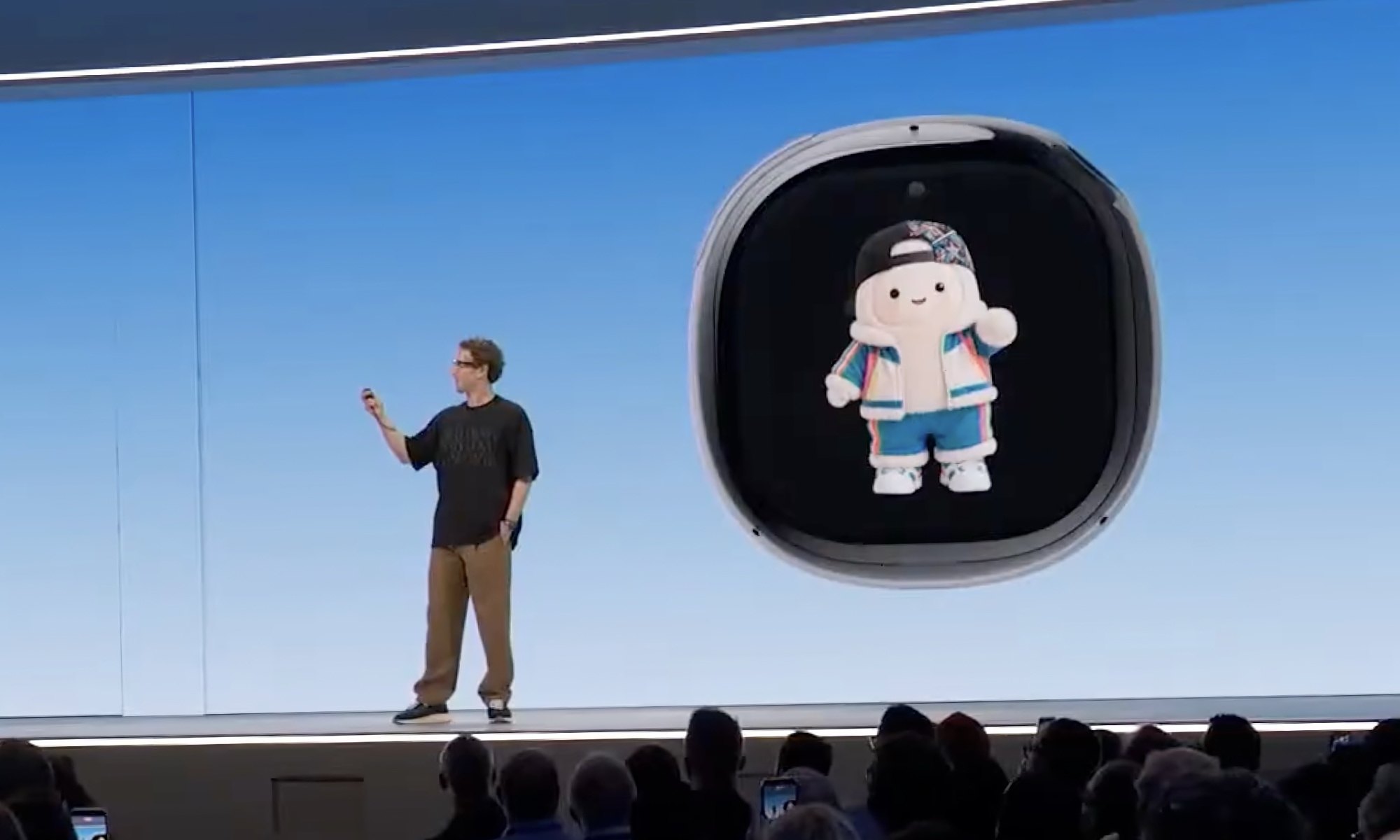
Mark Zuckerberg first showed off the device in September and said the company hopes to ship in time for the holiday shopping season. For now, the official product page only invites visitors to sign up for updates, and Meta spokesperson Tyler Yee told The Information and The Verge only that the company is "charmed by the interest" and will share more soon.
What the device can do
Zuckerberg said Meta has squeezed the entire Muse experience, including real-time voice and avatars, into something small enough to hang on a keychain and always ready to chat. Users just tap the fingerprint sensor and speak, with no need to unlock a phone or open an app. The device has a 2-inch display and a built-in 5G modem, so it doesn't need Wi-Fi, but you can't make phone calls directly from the Charm.
As for Muse itself, the assistant can already handle tasks such as shopping and booking travel, and for paying subscribers in the US it can also call businesses on the user's behalf. Meta has also open-sourced some tools so tinkerers can build their own Muse devices. The Information also reports that Meta's smartwatch has now been pushed back to 2027.
A rocky track record
For a keychain gadget, 300 USD is steep, especially as earlier wearable and pocket AI devices have all struggled. Humane's AI Pin flopped and was sold off to HP, while the Rabbit R1 showed how hard it is to convince people to carry a second AI device. Meta's Ray-Ban Display glasses have sold better, but Reality Labs still lost more than 4 billion USD last quarter, and Meta expects a loss of as much as 19 billion USD this year.
The open question is whether holiday shoppers will really spend 300 USD on a talking Muse in their pocket, or whether Meta's biggest AI hardware success will remain the glasses on people's faces.
At 300 USD, the Muse Charm is in a tough spot, because most of what it does your phone already does, and even does more of, given that the Charm can't make calls. Its real advantage is simply being able to tap and talk right away, and the dedicated 5G modem and free Verizon plan could draw buyers, though that offer is tied to the US market and Meta hasn't confirmed it. The history of the AI Pin and Rabbit R1 suggests people are reluctant to pay for a device that only replaces one action on their phone. If you're in Vietnam, there's no rush: wait for the official price, see whether Muse runs fully in your market, and only then think about buying.
Source: Digital Trends
Reviewed by: Hero Association