Samsung will manufacture STMicro's STM32V8 microcontroller at its Austin, Texas facility for SpaceX's Starlink satellites, according to Korean media.
- Samsung is reportedly set to produce STMicroelectronics' STM32V8 chip at its Austin, Texas facility.
- The chip will be used in SpaceX's Starlink satellites, which picked the STM32V8 as its microcontroller in late 2025.
- The Austin facility handles mature nodes up to 14 nm, including FD-SOI technology.
- The information comes from Korean media, with no official confirmation from the companies involved.
Table of Contents
Samsung lands a microcontroller order for Starlink
According to Seoul Economic Daily, Samsung will produce STMicroelectronics' STM32V8 chip at its Austin, Texas facility. The chip will eventually go into SpaceX's Starlink satellites.
The STM32V8 is a high-performance microcontroller that ST designed for an 18 nm process in France. Samsung Foundry also produces this chip family. SpaceX selected the STM32V8 as the microcontroller for its Starlink hardware in late 2025.
Samsung's ties with Elon Musk keep deepening
In 2025, Tesla and Samsung signed a chip deal worth 16.5 billion USD. Under it, the Korean company focuses on making Tesla's latest AI chips. These chips power driver assistance and the Optimus robot, with AI5 as the newest version.
Elon Musk has said AI5 delivers 2 to 3 times the performance per watt of NVIDIA's chips. Some reports say Neuralink is also working with Samsung. Meanwhile, Musk is pursuing the Terafab project, which aims to build one of the largest chip foundries in the world.
The role of the Austin fab
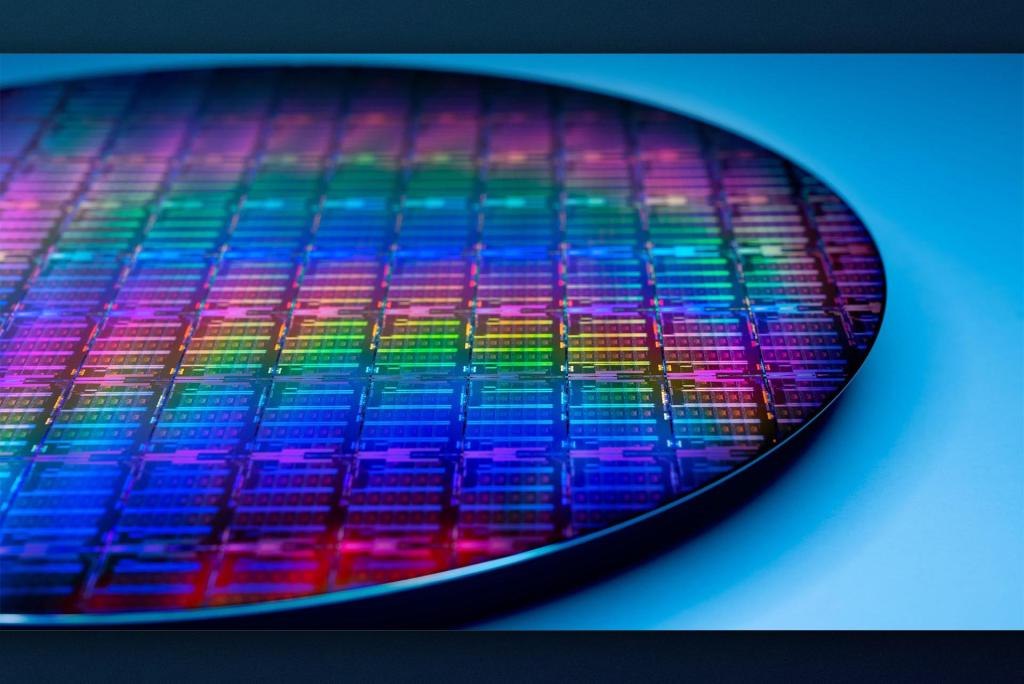
The Austin facility does not make chips on the most advanced technology. It produces parts on processes up to 14 nm. Mature nodes like these still handle most of the computing demand in cars, satellites, and phones. Like TSMC, Samsung is also expanding its manufacturing presence in the US, with sites in Taylor for advanced technology.
Starlink is currently the world's largest internet satellite constellation, with thousands of satellites. The system is expected to play a key role in SpaceX's plans for AI infrastructure in space, as well as its intentions to build facilities on Mars. Samsung's ability to manufacture FD-SOI (fully depleted silicon-on-insulator) technology is therefore important to the Texas plan. The technology is listed on the US Department of Commerce's funding website, right next to plans for 2 nm chip production in the state.
The deal shows that mature nodes still carry significant value, especially for components that need high durability, such as those in satellites. For Samsung, orders from Elon Musk's ecosystem help fill capacity in Austin while the Taylor fab prepares for advanced technology. Readers should note that this is still information from Korean media, with no official announcement from Samsung, STMicroelectronics, or SpaceX.
Source: Wccftech
Reviewed by: Hero Association