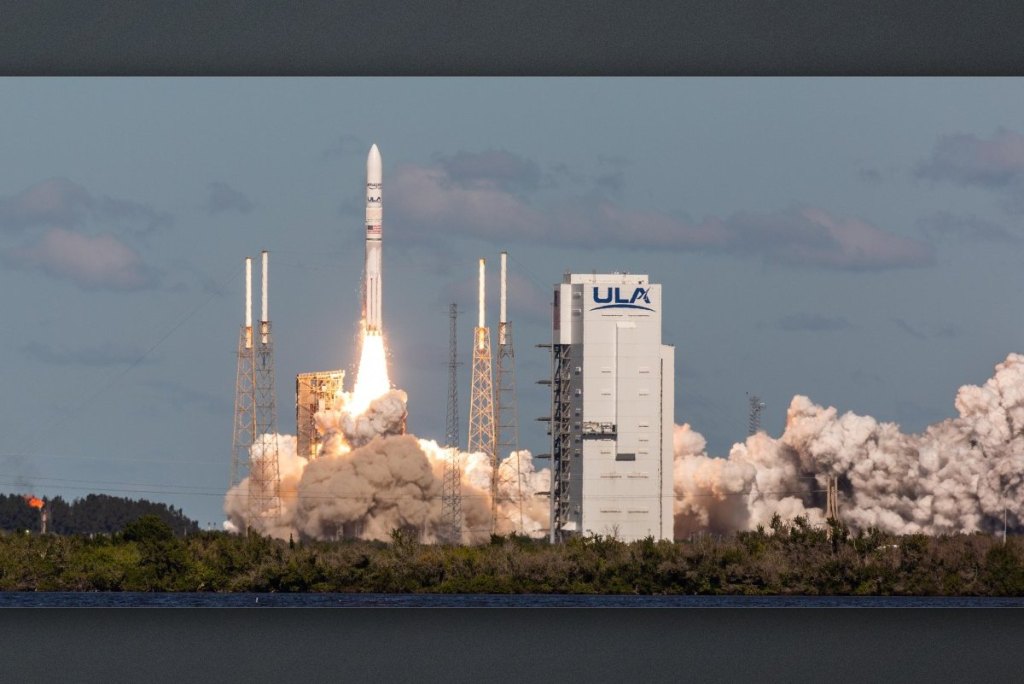
ULA's Vulcan rocket suffered an anomaly 10 minutes after liftoff and failed to place 40 Amazon Leo satellites into orbit on the first flight under the contract.
- United Launch Alliance's (ULA) Vulcan rocket suffered an anomaly 10 minutes after liftoff from Space Launch Complex 41.
- The flight failed to deliver 40 Amazon Leo satellites to orbit.
- It is reportedly ULA's first mission failure in 20 years of operation.
- The cause has not been determined, and ULA has pledged transparency during the investigation.
- Amazon says it still has confidence in its launch partner.
Table of Contents
Anomaly strikes after liftoff
United Launch Alliance (ULA) has reportedly recorded the first mission failure in its 20-year history. The Vulcan rocket launched from Space Launch Complex 41 but did not deliver 40 Amazon Leo satellites to orbit.
In a post on X, ULA confirmed that, based on data received by the Launch Director, the Vulcan vehicle experienced an "anomaly" 10 minutes into the flight. The company has not given a specific cause.
ULA said it will share information publicly as the investigation continues. No conclusion has been reached on whether the fault lay with the rocket or another part of the launch process.
Pressure on the Amazon Leo project
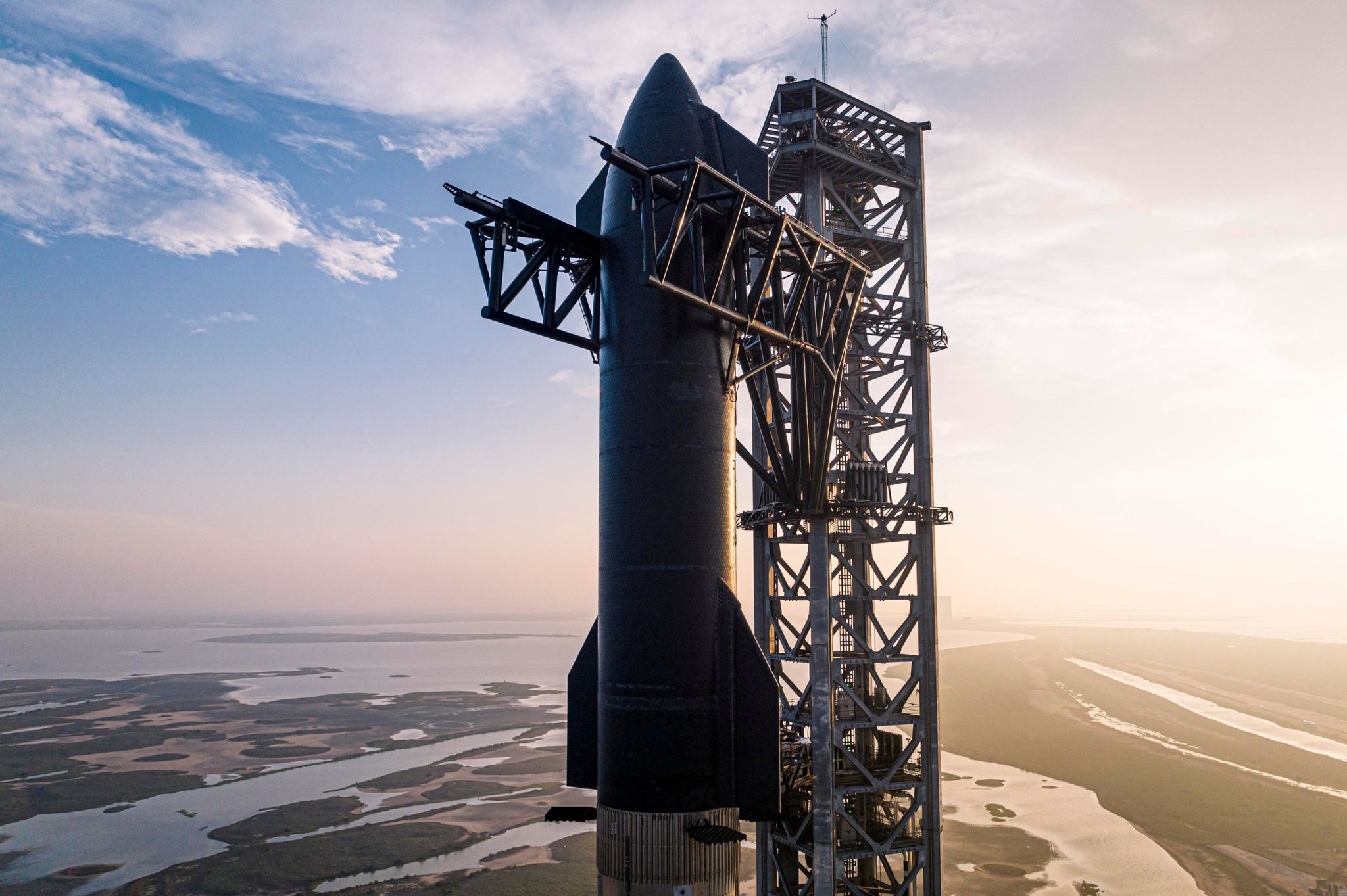
This was flight LV-01, the first of 38 flights Amazon has booked with ULA. For an opening launch, the result is a significant setback for both companies.
Amazon Leo is a satellite internet system that competes directly with SpaceX's Starlink. The project has struggled to gain momentum so far, with the number of satellites in orbit representing only a small fraction of what is needed to take on Starlink.
Amazon's response
Amazon has kept its confidence in its partner. In a post on X, the company stressed that risk is present in every launch, especially early missions like LV-01.
Amazon also called ULA a reliable partner and said it expects the company to learn from this incident. According to Amazon, ULA can still carry out its long-term plans for Vulcan.
For Amazon, the loss is not just 40 satellites but also time, which was already tight in the low Earth orbit satellite race against Starlink. The next things to watch are the results of ULA's investigation and whether Vulcan is cleared to fly again soon. Those outcomes will determine the schedule for the remaining 37 flights in the contract.
Source: The Verge
Reviewed by: Hero Association