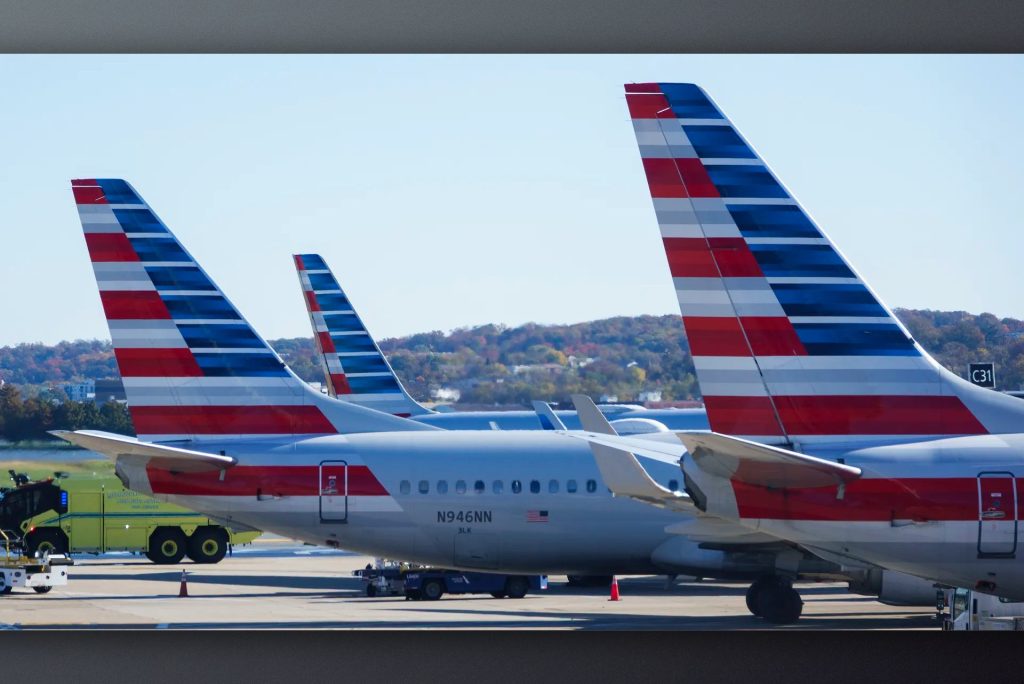
A FAA router is suspected of triggering a nationwide ground stop in the US, but many aviation experts doubt that one device alone is to blame.
- US flight operations were halted nationwide for nearly 5 hours, leading to 12,462 canceled flights on Friday.
- FAA investigators suspect a new router installed during a copper-to-fiber upgrade in Arkansas overloaded the internal network.
- Some experts say the network architecture has redundancy on every path, so it is hard to believe one or two routers caused the failure.
- The FAA still has more than 5,000 copper lines waiting to be replaced through the end of 2028.
Table of Contents
How the ground stop unfolded
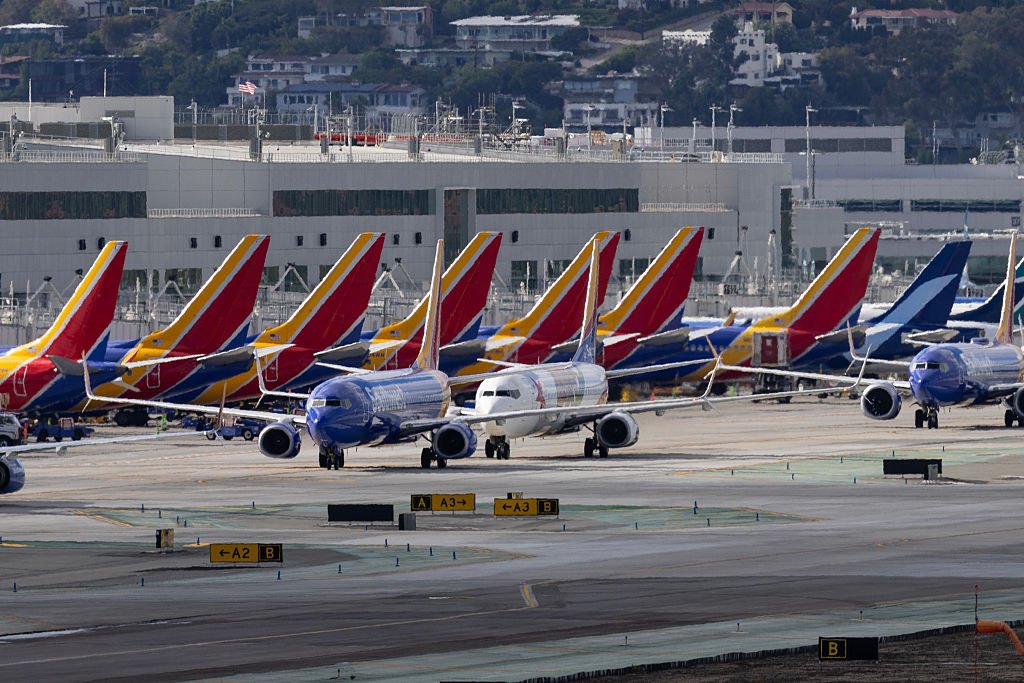
On Friday, flight operations across the US were halted nationwide for nearly 5 hours. It was only the second time the country has suspended all flights since September 11, 2001. On Friday alone, 12,462 flights were canceled.
According to Transportation Secretary Sean Duffy, the culprit was a single router in Arkansas. FAA investigators narrowed the problem down to a routine network upgrade at a radio facility in El Dorado. The contractor, L3Harris, was replacing copper lines with fiber at the time. The new router coming online may have overloaded older equipment.
The device is believed to have "flooded" other routers in the air traffic control system. The volume of data reached roughly 1,000 connection requests every 4 to 5 seconds. A similar problem appeared at a radar site in Amarillo, Texas, which had been upgraded a few weeks earlier. As a result, 17 of the 22 Air Route Traffic Control Centers experienced network instability.
Experts question the explanation
Robert W. Mann Jr., founder of the aviation consultancy R.W. Mann & Company, told CNET he doesn't find this scenario plausible. In his view, the FAA's network architecture has parallel redundancy and fallback options on every link and every physical device. That makes it hard to believe that one or even two routers could cause such a large disruption. Ilia Rabinovich, vice president at the cybersecurity firm Sygnia, was also surprised by the redundancy failure. He stressed that it is the first thing discussed with clients when preparing a response plan.
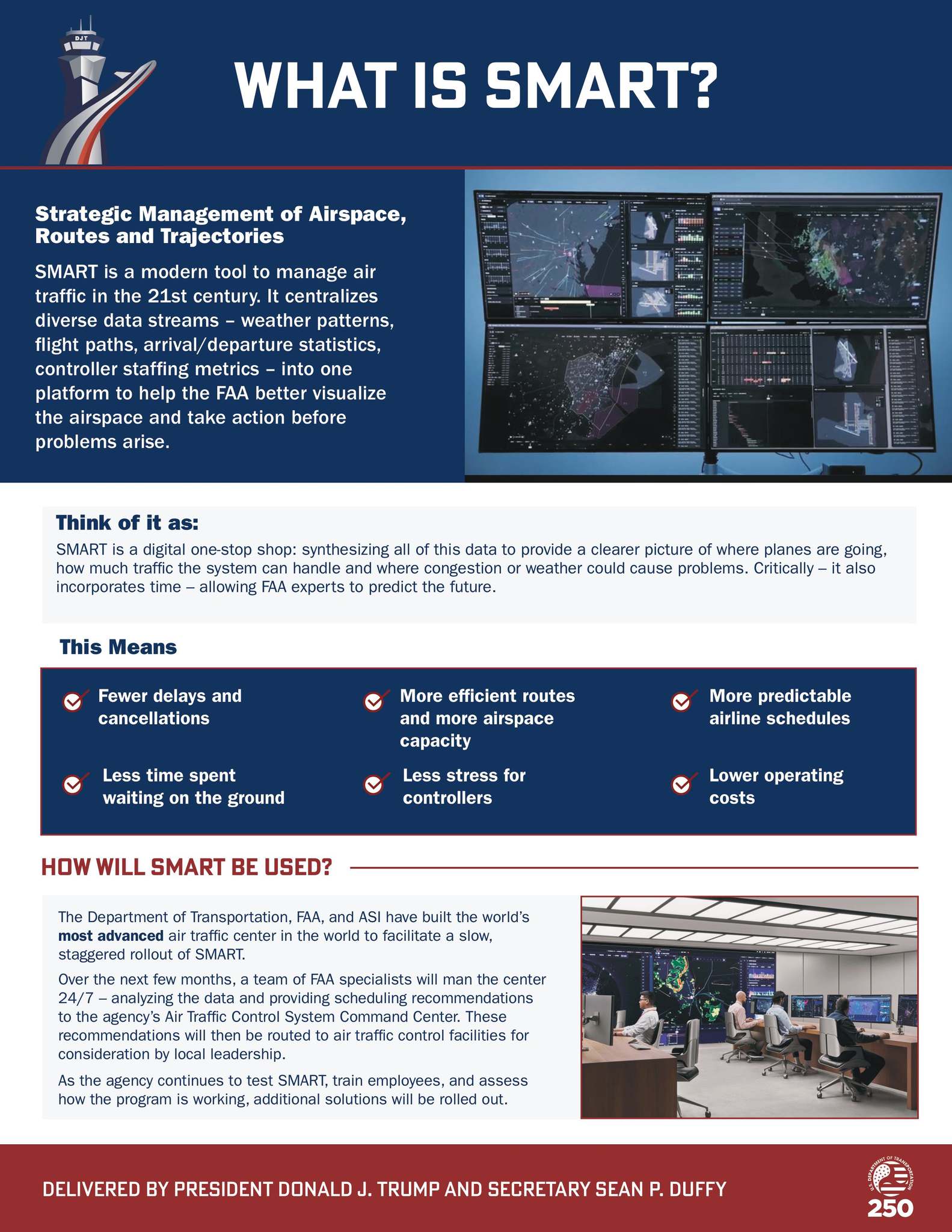
Mann leans toward a different suspect. He argues that the timing and symptoms match an AI-assisted air traffic management tool worth 875 million USD, called Strategic Management of Airspace, Routes, and Trajectories (SMART). The tool was trialed from September at Baltimore-Washington for about 60 days, managing roughly 180 flights in total. In November, the FAA announced a rollout to all 22 continental air traffic control centers. According to Mann, the jump from a small deployment to full scale after very limited testing led to the failure. The FAA states on its FAQ page that SMART is not involved.
Legacy networks and the upgrade problem
An FAA router is nothing like the Wi-Fi device in your home. It is a much larger industrial switch built to withstand harsh conditions. After the incident, the FAA disabled 60 similar devices as a precaution. The agency is also replacing about 2,000 Cisco routers with 600 Juniper routers. Acting Chief Technology Officer Rebecca Guy said the FAA identified the routers in Arkansas and Texas and disabled both immediately, after which the network stabilized.
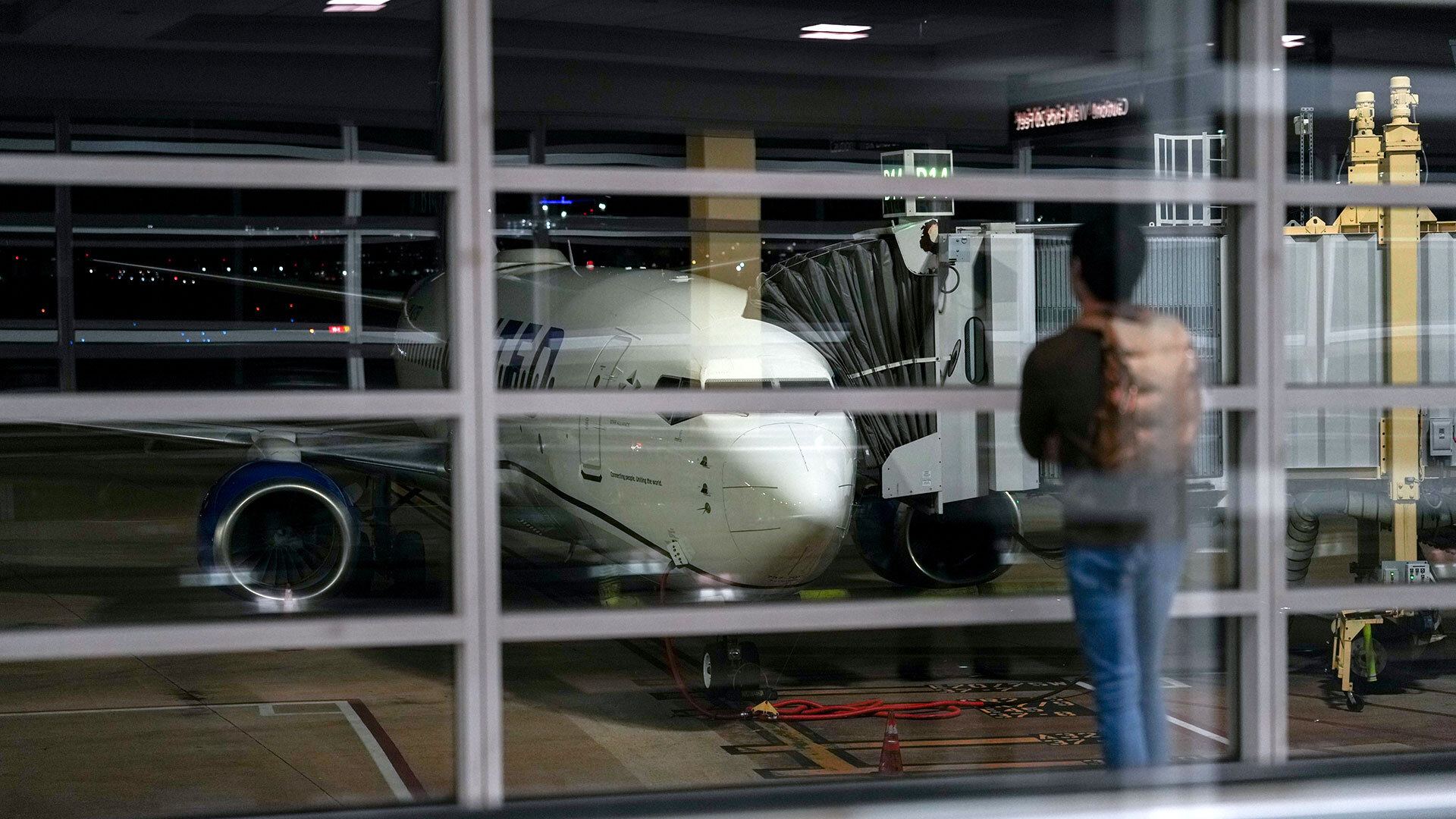
The transmission infrastructure still includes a fair number of copper lines. The FAA has upgraded more than 3,500 communication lines to fiber. Even so, more than 5,000 copper lines remain slated for replacement through the end of 2028. The Federal Communications Commission (FCC) has previously deemed this technology inadequate for ordinary home Internet users. The aftermath lingered into the start of the week. According to FlightAware, as of 3:30 p.m. EST on Monday, 333 flights had been canceled and more than 3,800 delayed.
Whether the root cause turns out to be the router or the SMART tool, the engineering lesson is fairly clear. A system designed with redundancy at every layer can still collapse when a faulty device "talks" too much to the rest of the network, which is why traffic limiting and fault isolation mechanisms are needed. Upgrades to critical infrastructure should also proceed in small stages, with testing and a rollback plan. The official investigation will show which hypothesis holds up.
Source: CNET
Reviewed by: Hero Association