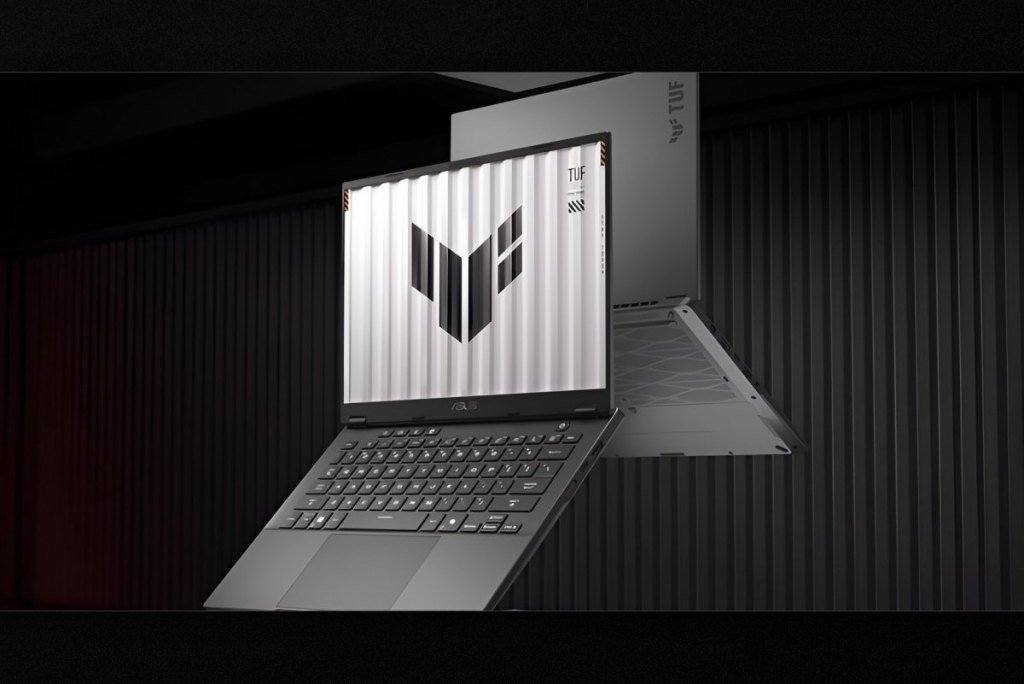
Rather than raise prices again, ASUS is choosing to trim RAM in entry-level PCs to 8 GB and has asked Microsoft to tune Windows for it, while global PC shipments could fall 10 - 15%.
- Co-CEO S.Y. Hsu said on the Q3 earnings call that passing the full cost of memory on to buyers through higher prices would not be acceptable to customers
- ASUS says it has worked with Microsoft so Windows runs well on 8 GB, and Microsoft says its new optimizations make 8 GB machines up to 40% faster
- ASUS expects global PC shipments to drop 10 - 15% next year
- The company has not said which product lines will get less RAM
Table of Contents
Memory prices put ASUS in a bind
Sharply rising memory costs are forcing PC makers to rethink the configurations of their entry-level machines. ASUS co-CEO S.Y. Hsu said low-end models could drop from 16 GB of RAM back to 8 GB. It is a disappointing step backward, given how long it took for 16 GB to become the baseline that most vendors adopted.
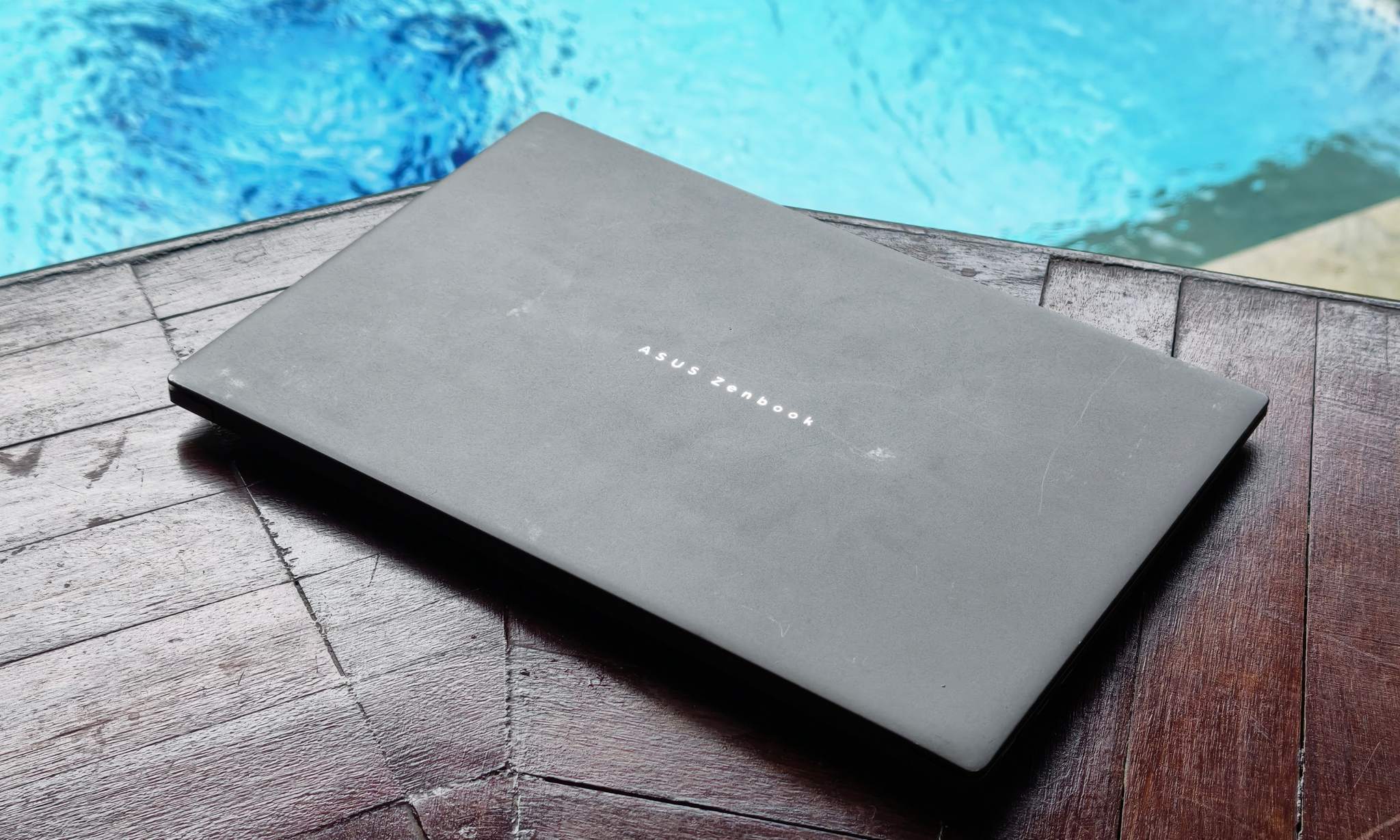
According to Hsu, speaking on the company's Q3 2026 earnings call, ASUS raised PC prices throughout the year to offset higher memory costs, but higher retail prices led many people to put off buying a new machine. For mid-range and low-end systems, he said, passing all of the memory cost on through pricing would not be accepted by the market, so the company is adjusting configurations instead. Dropping to 8 GB keeps component costs in check without pushing retail prices even higher.
Windows is being tuned to make 8 GB workable
To make 8 GB configurations usable again, ASUS says it has worked with Microsoft to adjust the operating system. Hsu explained that 16 GB was previously considered necessary to ensure a smooth experience, but with changes on the Windows side, 8 GB can deliver an acceptable one. Earlier this month, Microsoft also announced new optimizations that make PCs with only 8 GB of RAM run up to 40% faster.
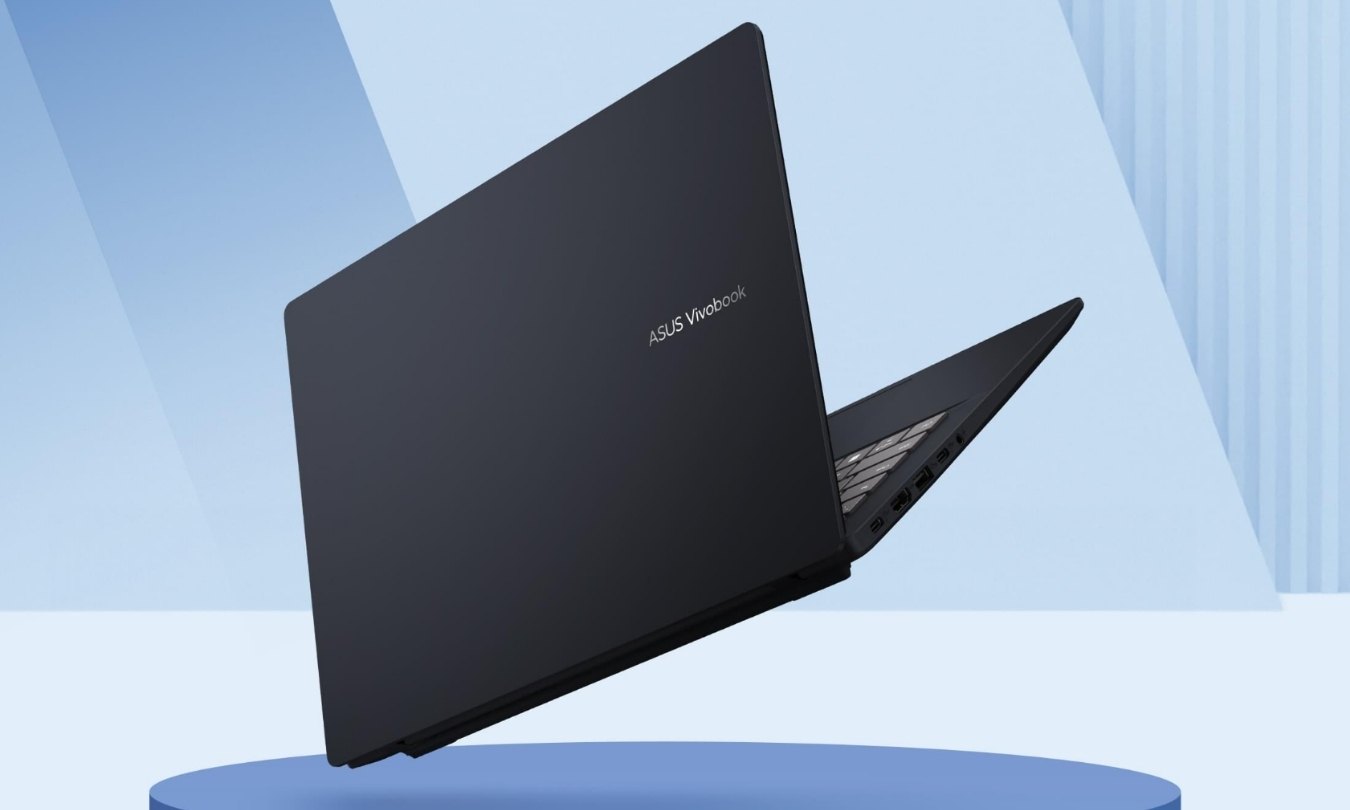
ASUS's problem is that DRAM prices show no sign of leveling off, while supply remains tight because chipmakers are prioritizing the more profitable data center segment. Against that backdrop, Hsu forecast that global PC shipments will fall by about 10 - 15% next year. The figure suggests that even when a company trims specs to hold prices, demand for mainstream machines still faces considerable pressure.
For budget buyers, the return of 8 GB is a familiar trade-off: a friendlier upfront price, but less headroom for multitasking. Such machines are also harder to keep for the long haul if the RAM is soldered to the motherboard and cannot be upgraded later.
Migovi thinks ASUS's approach is understandable, since holding down prices is the most practical way to keep these machines selling. But the claim that 8 GB is enough currently rests only on statements from ASUS and Microsoft, with no independent measurements to confirm it. Windows may run faster on low-RAM machines, yet browsers with many tabs and everyday work apps still need real memory, so users should check against their own workloads. If you plan to buy a mainstream PC soon, look closely at the RAM spec and whether the machine can be upgraded, because that often decides whether it still performs well after a year or two. And if you need a long-lasting work machine, it makes more sense to wait until ASUS announces which models get less RAM and what the pricing in Vietnam will be before deciding.
Source: Digital Trends
Reviewed by: Hero Association