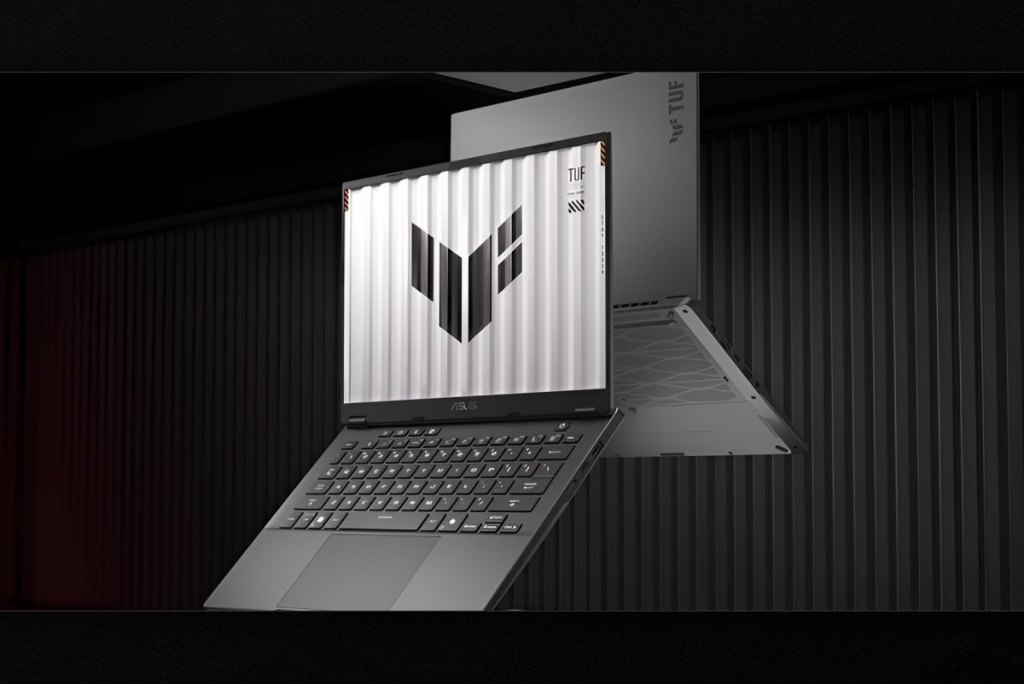
ASUS says it has worked with Microsoft to make Windows run acceptably on 8 GB, while higher PC prices are making many buyers hold off on new machines.
- ASUS mid-range and mainstream PCs could drop from 16 GB back to 8 GB of RAM because of rising memory costs
- ASUS says it coordinated with Microsoft to tune Windows so that 8 GB still delivers an acceptable experience
- Co-CEO S.Y. Hsu expects global PC shipments to fall 10 - 15% next year
- It is unclear which models will lose RAM, and if the memory is soldered, users won't be able to upgrade later
Table of Contents
RAM prices force ASUS to rethink its configurations
During the company's Q3 2026 earnings call, ASUS Co-CEO S.Y. Hsu said the company's mid-range and mainstream lines may return to 8 GB of RAM, after 16 GB had become the near-default configuration for some time. The cause is a sharp rise in memory costs. ASUS raised PC prices several times in 2026 to offset the increase, but higher retail prices have led many buyers to postpone buying a new machine.
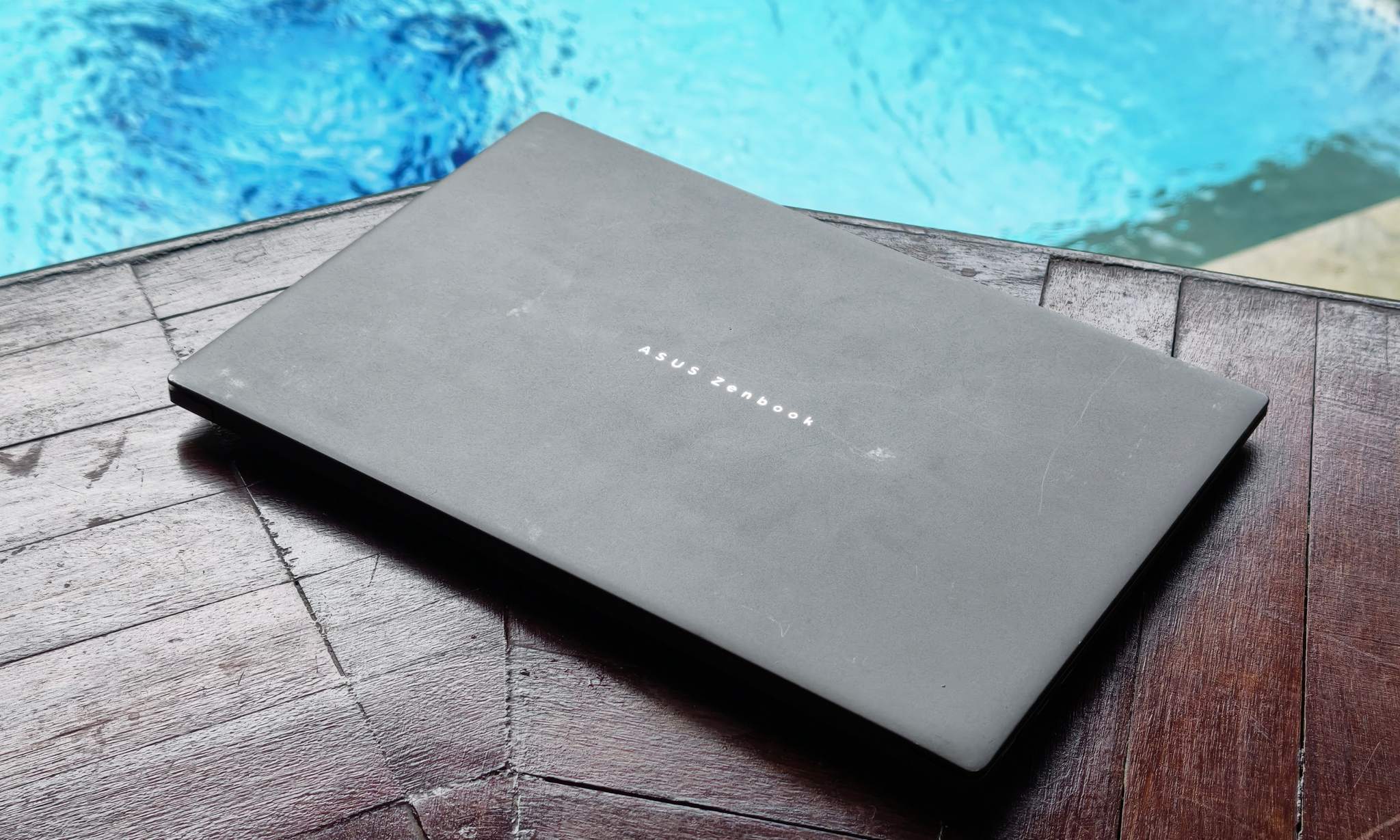
According to Hsu, passing the full memory cost on to buyers in the mid-range and entry-level segments is something the market will not accept, so the company chose to adjust the amount of RAM that ships with its PCs. This approach keeps component costs under control without pushing retail prices even higher. In other words, buyers may still see a familiar price tag but get a lower-spec configuration than before.
Windows is being tuned to cope with 8 GB
To make 8 GB viable again, ASUS says it worked with Microsoft on a number of operating system adjustments. Hsu explained that 16 GB was originally set mainly to ensure a good user experience, and that with the new version of Windows, Microsoft has tuned things so that even 8 GB delivers an acceptable experience. Earlier this month, Microsoft also announced new optimizations that make PCs with only 8 GB of RAM run up to 40% faster.
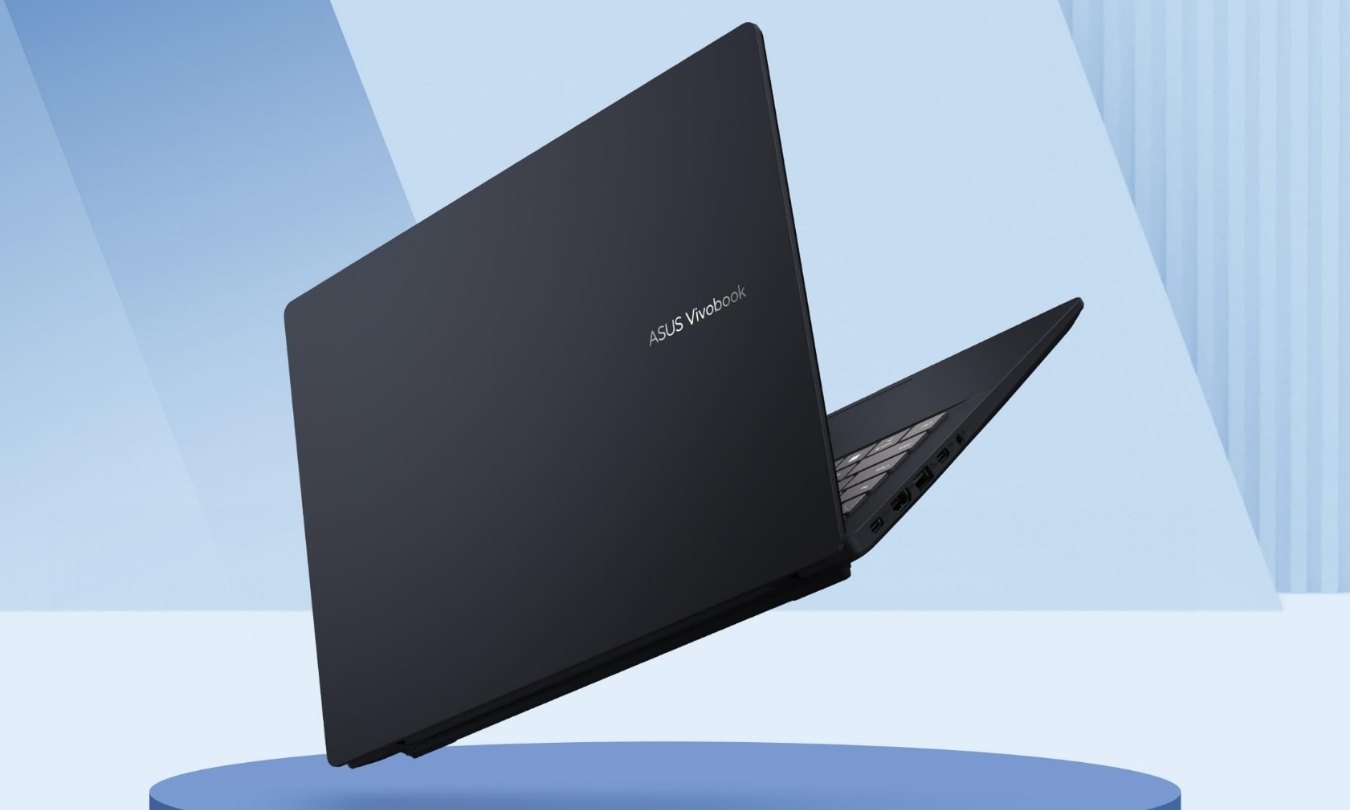
The broader market shows few signs of easing either. DRAM prices show no sign of leveling off soon, as chipmakers prioritize supply for high-margin data center demand. On that basis, Hsu forecasts that global PC shipments will fall 10 - 15% next year, a figure suggesting the company does not expect consumer spending to recover anytime soon.
The trade-off for budget buyers
For budget buyers, the return of 8 GB means a friendlier upfront price but less headroom for multitasking. It also raises the question of a PC's lifespan, especially when RAM is soldered to the motherboard, since you can't swap in a larger module when you need one. ASUS has not said which models will get less RAM, so for now this is a direction rather than a concrete product list.
ASUS choosing to cut RAM rather than keep raising prices is an understandable move while memory is scarce, but note that the "up to 40% faster" figure comes from Microsoft itself, not from independent testing on real hardware. For light workloads such as online classes, word processing, and web browsing, 8 GB may be enough, but if you are used to keeping dozens of browser tabs and several apps open at once, it will still be a tight fit. So when shopping for a budget laptop in the coming months, check whether the machine still has a RAM slot, and if your budget allows, holding out for a 16 GB configuration is the safer bet for a few years of use. If you are not in a hurry, waiting for real-world tests of the first 8 GB models before deciding is also a sensible approach.
Source: Digital Trends
Reviewed by: Hero Association