Elon Musk did not give a specific figure, but the doubled cost of AI4 suggests the DRAM and NAND shortage has spread to the auto industry and is no longer confined to AI servers.
- Elon Musk says the AI4 computer in Tesla vehicles now costs twice as much as before, due to rising DRAM and NAND prices
- Tesla has not disclosed the actual cost of AI4, nor said whether vehicle prices, FSD packages, or upgrade programs will be affected
- TeamGroup's CEO expects the DRAM shortage to get worse in 2027, while Samsung is reportedly sold out of memory capacity through 2029
- Hardware 3 vehicles remain an open question, since Tesla has admitted that the platform's memory bandwidth is not enough for unsupervised self-driving
Table of Contents
AI4 costs have doubled
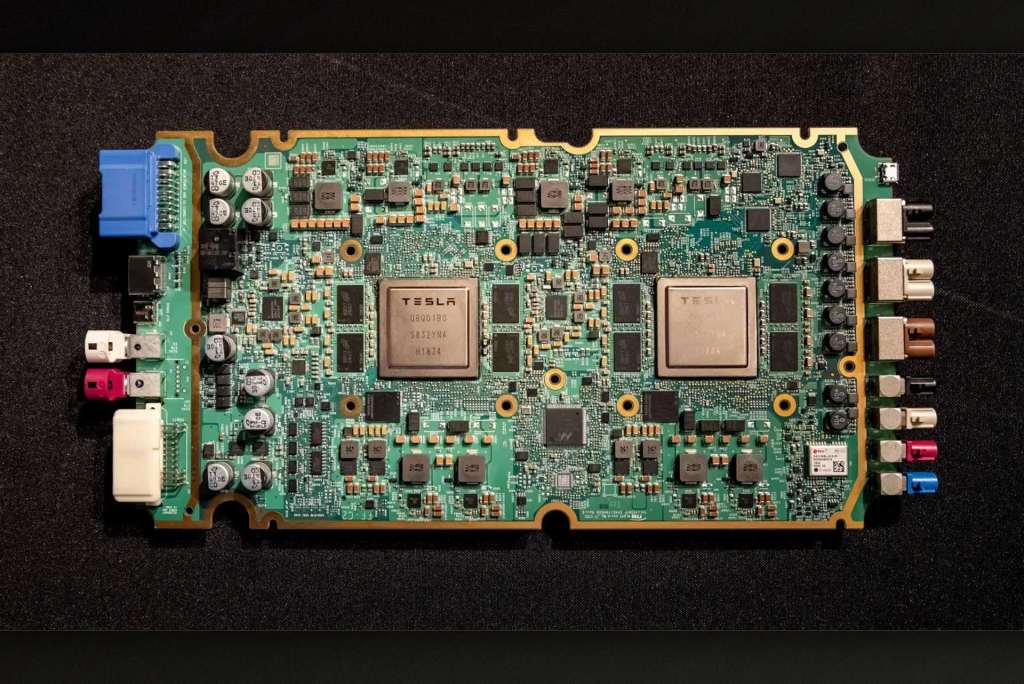
In a discussion on X about the compute requirements of the newly released Full Self-Driving (Supervised) v15.0.1 software, Elon Musk wrote that AI4 now costs twice as much as it used to because of higher memory and storage prices. He posted the comment on Sunday, but did not say how much an AI4 computer costs today or what it cost a year ago. Still, confirmation from Tesla's own chief shows that the DRAM and NAND shortage is pushing up hardware production costs, and that chips the company designs itself are not immune, even though they do not sit in AI data centers.
AI4, also known as Hardware 4, is the main inference computer in current Tesla models. It is also the platform that runs FSD v15.0.1, which brings an upgraded end-to-end neural network and the Reality View live driving display. Ashok Elluswamy, Tesla's head of AI software, said the new driving model renders Reality View with fewer compute resources than previous versions. However, those savings come on the software side, while the actual assembly cost of each in-vehicle computer is still rising sharply because DRAM and NAND have become more expensive.
No sign of memory prices easing
What worries observers more is that Musk's post was fairly vague, so nobody knows whether the increase will reach vehicle prices, FSD subscription fees, or hardware upgrade programs for older cars. Tesla also can't count on memory prices turning down soon, as TeamGroup CEO Gerry Chen has said the DRAM shortage will become so severe that in 2027, even spending a lot of money may not guarantee you can buy supply.
The upstream supply picture is no brighter. According to earlier reporting from Wccftech, Samsung appears to be sold out of memory output for all of 2029, while Apple is said to have changed how it buys memory and moved to contracts lasting 4 to 5 years. If even customers that large have to sign long-term commitments, a carmaker like Tesla will have little room to negotiate on price.
What the community is asking
Musk's admission quickly sparked debate among Tesla owners and industry watchers on X. Some pointed to Tesla's ambitions to make its own chips, including plans to build the Terafab semiconductor manufacturing facility, as a long-term safeguard against external supply chain shocks.
Others asked about vehicles with Hardware 3, which Tesla itself previously admitted lacks the memory bandwidth for unsupervised self-driving. Musk has not answered these questions, so it is unclear how higher memory costs will affect upgrades for older vehicles.
The doubling of AI4's cost shows that the memory crunch is no longer limited to GPUs or AI servers. It has reached the hardware quietly sitting inside cars, so the price of electronic components will play a growing role in the price of vehicles with many driver-assistance features. For EV buyers, we think it is too early to conclude that vehicle or FSD prices will rise, because Tesla has not published any figures and Musk did not say whether the company will absorb this cost or pass it on to customers. However, with forecasts of DRAM shortages stretching to 2027 and supply reportedly booked through 2029, the chance of vehicle hardware prices falling in the short term is low. If you are considering a car with advanced driver assistance, it is worth waiting to see whether Tesla adjusts pricing or upgrade policies in the coming period before you decide.
Source: Wccftech
Reviewed by: Hero Association