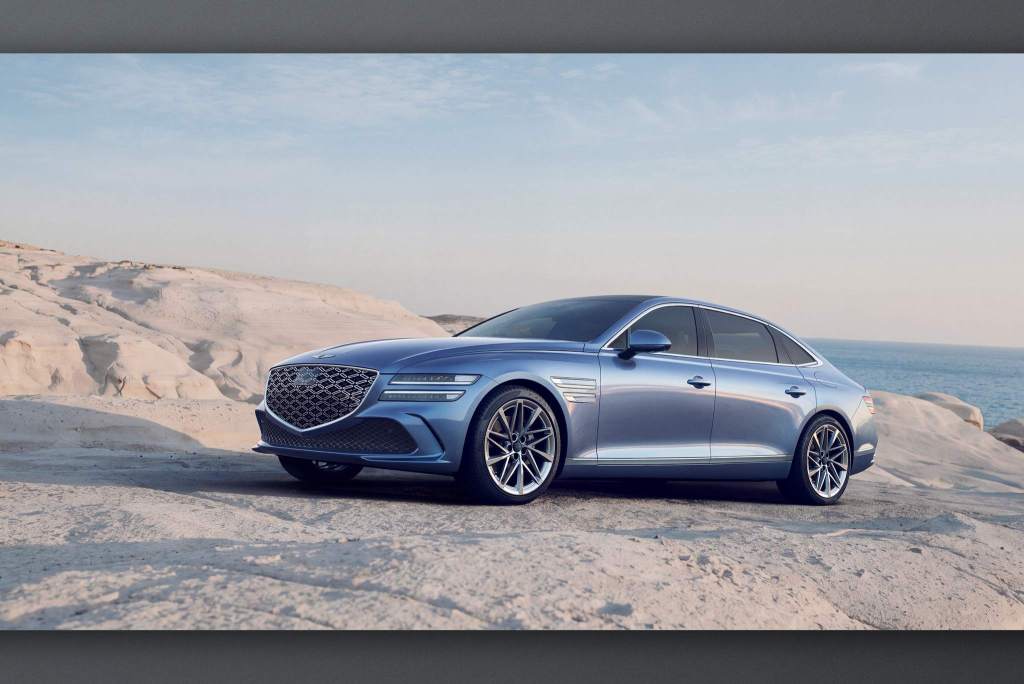
The new Genesis hybrids are 30% more fuel efficient in the G80 and 24% in the GV80, but in mpg terms the gain isn't dramatic, and official figures aren't out yet.
- The G80 Hybrid and GV80 Hybrid share a 2.5-liter turbocharged hybrid powertrain rated at 347 horsepower
- Genesis says the G80 is over 30% more fuel efficient and the GV80 over 24%, but there are no official EPA figures yet
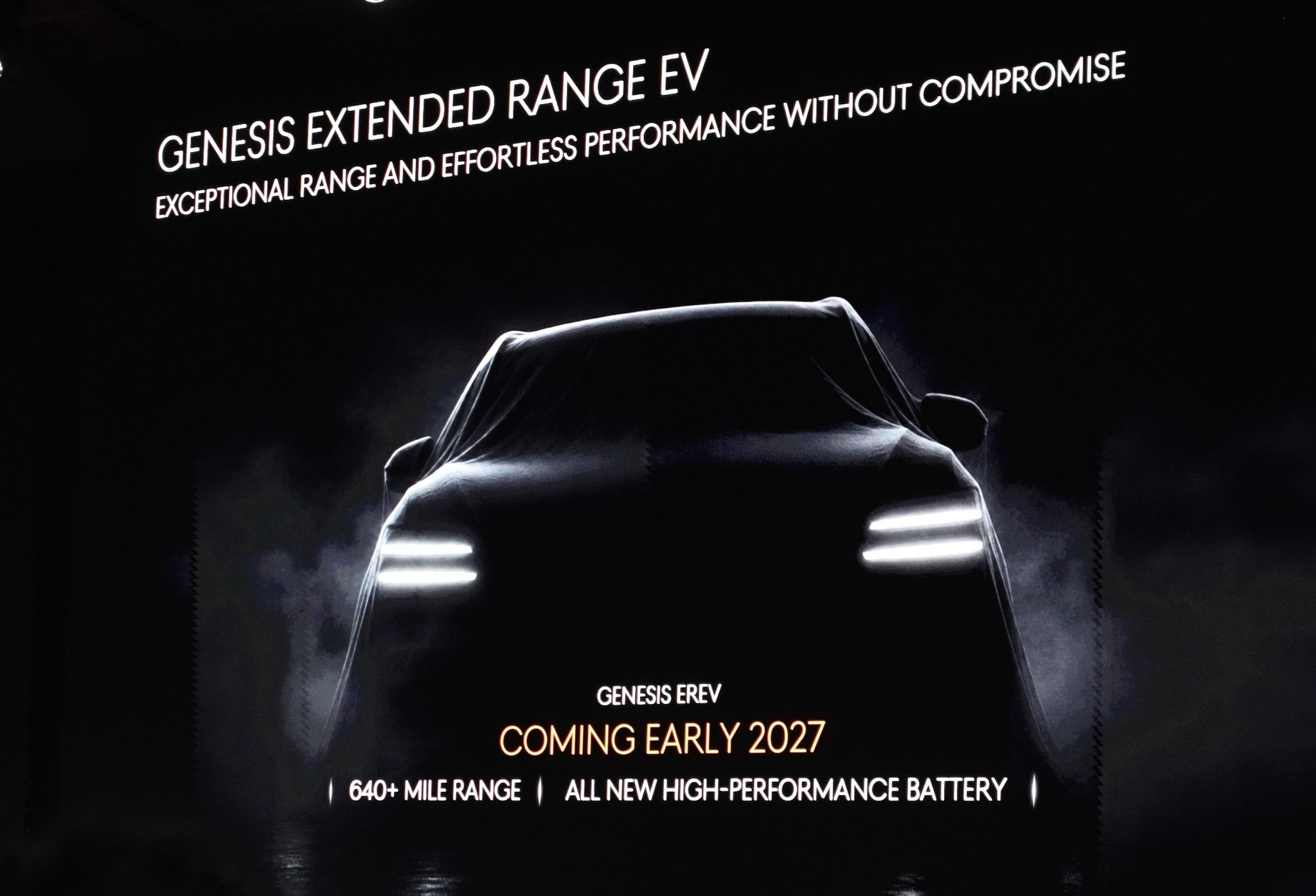
- Pricing for both models hasn't been announced, and the EREV targets more than 640 miles and is expected in early 2027
- There's no charge port, so all the energy in the battery still comes from the gas tank
Table of Contents
Genesis gets its first hybrids
Genesis has just unveiled its first hybrids at the LA Auto Show: the G80 sedan and the GV80 SUV, the two best-selling models from Hyundai Motor Group's luxury brand. The timing makes sense. Drivers in the US are paying more attention to energy-efficient vehicles, both EVs and hybrids, thanks to high fuel prices and a better understanding of the technology. Hybrids stand out because they're used almost exactly like a conventional gas car, which means no home charger to install and no change to driving or fueling habits.
Both hybrids use the same powertrain, a 2.5-liter turbocharged engine paired with an electric motor, producing 347 horsepower and 391 pound-feet of torque. Genesis says that's roughly 16% more power than the gas-only version. Part of the gain comes from a new liquid-cooled battery pack, which manages heat better and allows higher discharge rates than the air-cooled packs the group used in earlier hybrids. Both models come with a 7-speed automatic transmission, tuned to work with the electric motor's regenerative braking.
Fuel economy and a new mode
On fuel consumption, Genesis hasn't released official figures. It only says the G80 Hybrid is over 30% more efficient than the standard model and the GV80 Hybrid over 24%. Based on the current EPA ratings of the two gas versions, that works out to roughly 30 mpg for the G80 and 27 mpg for the GV80. Any improvement is welcome, but it isn't a leap that will surprise anyone, so we'll need the final certified numbers to judge properly.
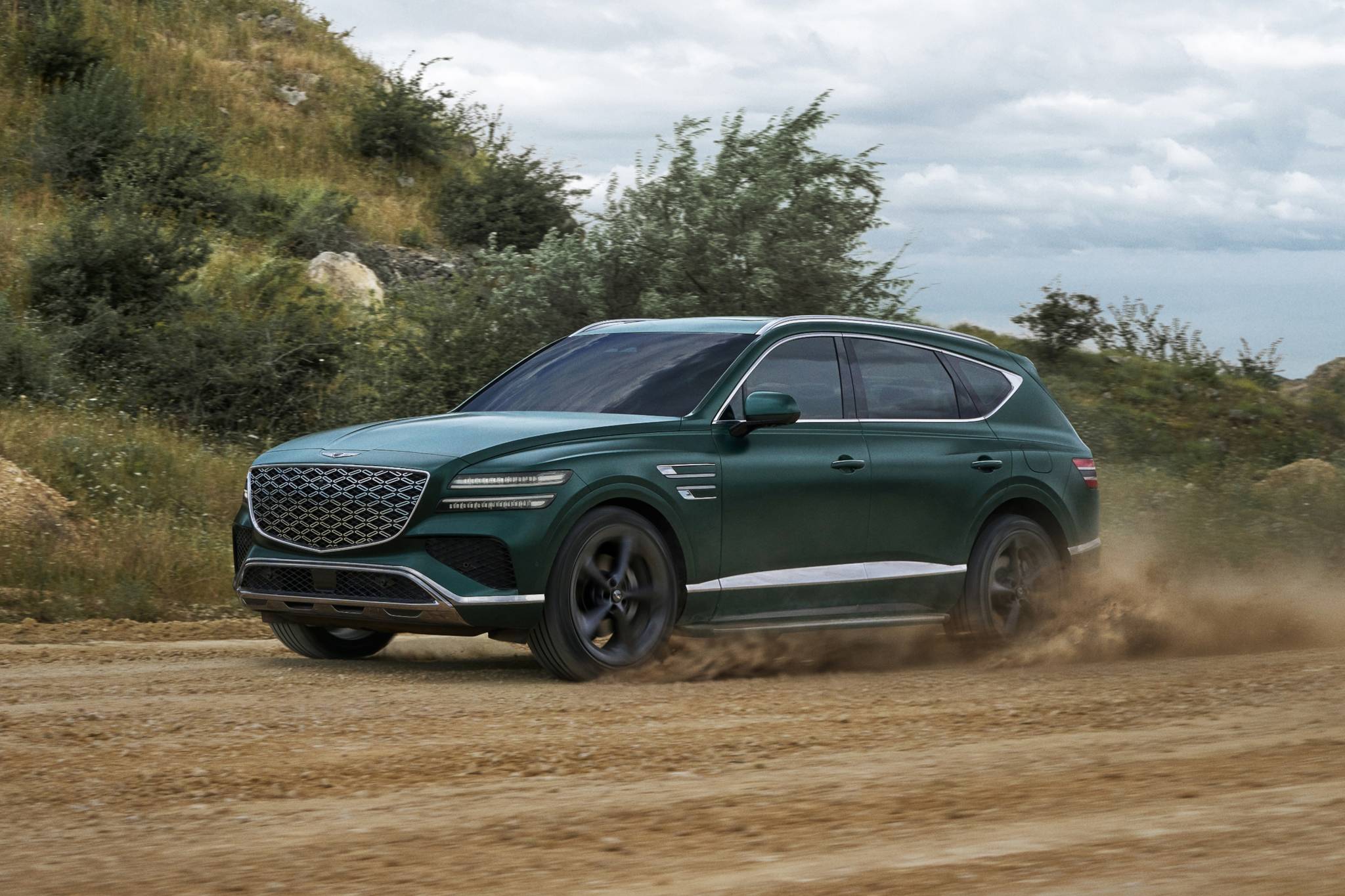
Each car can switch to a quiet electric-only mode for short distances, which is handy when pulling into a driveway, garage, or parking lot without disturbing the neighbors. Still, because there's no external charge port, all the energy in the battery ultimately comes from the gas tank. The company also adds a Stay Mode, which lets owners run the climate control and infotainment system for about 30 minutes without the engine running. It sounds a lot like My Room Mode on Toyota's hybrids and suits those moments when you want to sit in the car a little longer.
Design and features
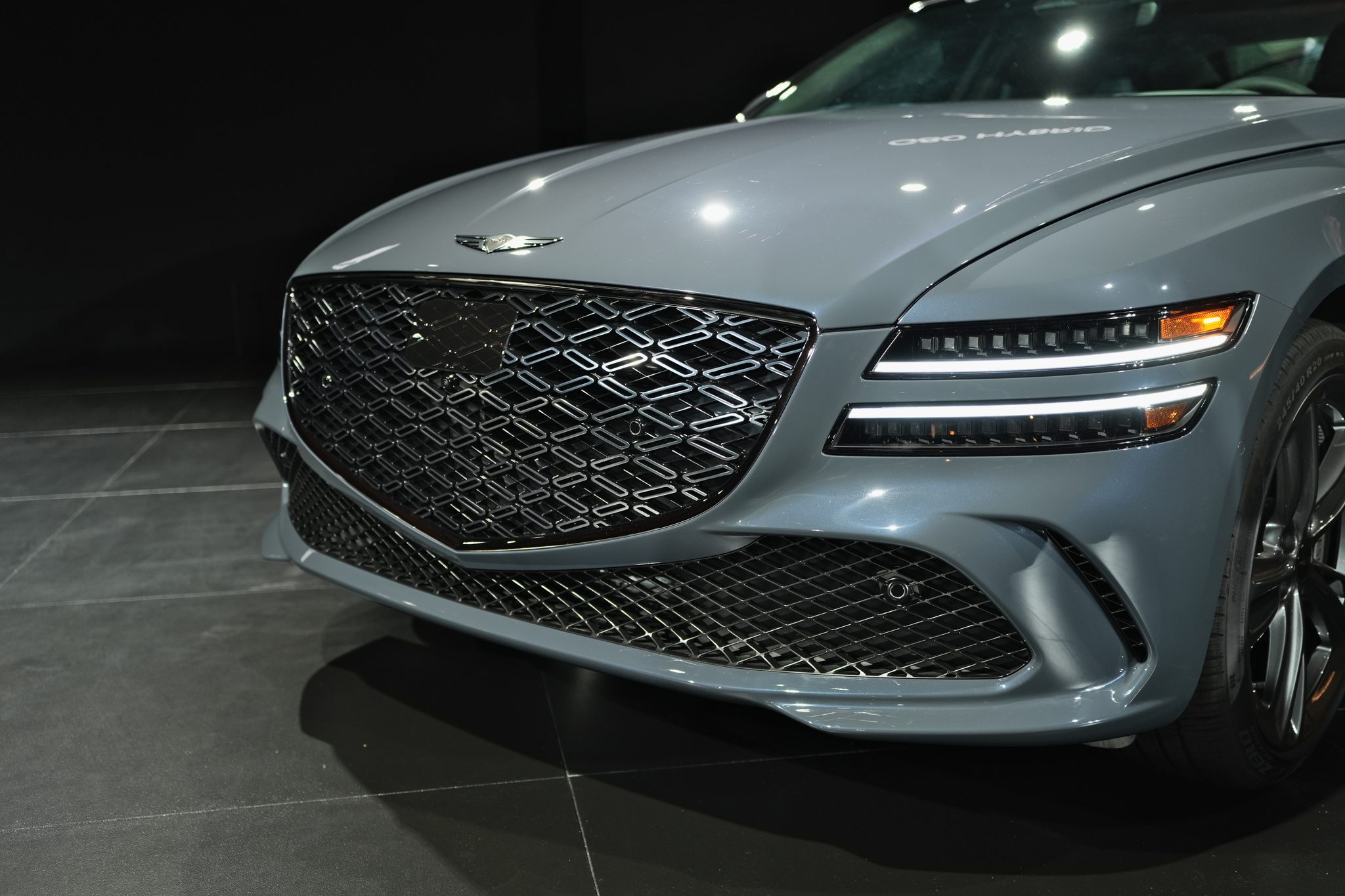
Aside from the powertrain, the hybrid G80 and GV80 look nearly identical to their gas counterparts. The differences are a redesigned three-dimensional G-Matrix grille surround made specifically for this line, plus a few new exterior colors.
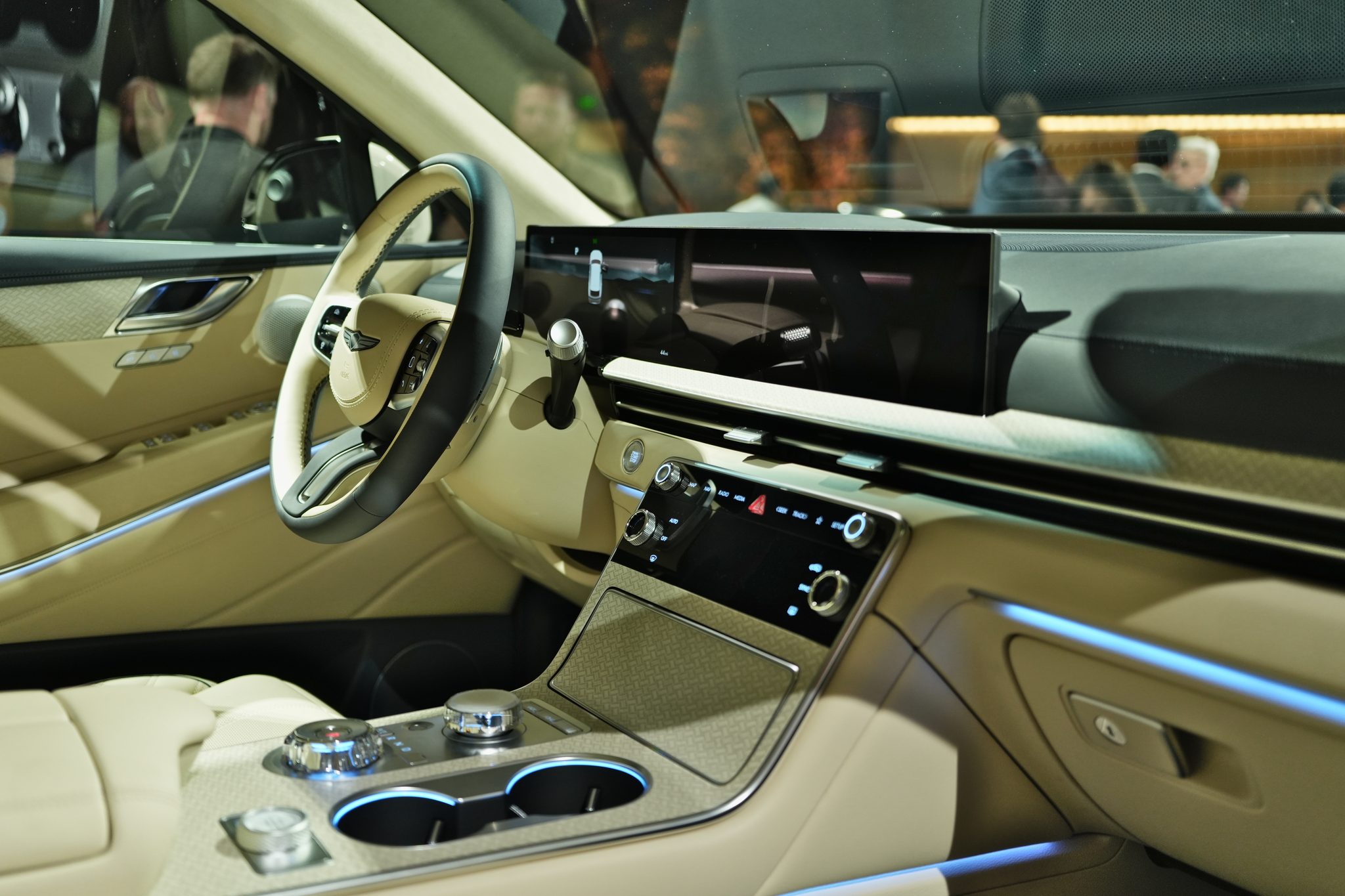
Inside, a 27-inch OLED display combining the instrument cluster and navigation map spans about half the dashboard, just as on the standard models. The cars offer Digital Key 2 Premium, which lets owners use a phone instead of a key to unlock and start the car, along with active road noise cancellation. Genesis's driver assistance suite highlights Highway Drive Assist 2, which provides steering assistance on highways, and Remote Smart Parking Assist 2, which lets the car park itself with the driver inside or standing nearby.
Pricing TBA, and a 640-mile EREV
Pricing for the hybrid sedan and SUV hasn't been announced, and final specs and EPA fuel economy ratings are expected closer to the on-sale date in early 2027. From a market perspective, this is a late move compared with Toyota, which has sold luxury hybrids since the RX 400h in 2004, though Genesis only became a standalone brand in 2015, so it started later. Even so, the move puts Hyundai Motor Group's luxury brand on par with other members of the group and with rivals that updated their hybrids over the past year, while meeting growing demand for energy-efficient vehicles.
At the Los Angeles event, Genesis also teased an extended-range electric vehicle (EREV), an EV with an onboard gas generator that is essentially a very high-end plug-in hybrid, due in early 2027. The company is targeting more than 640 miles before both the all-new high-performance battery pack and the gas tank run dry, but it shared no further details about the model.
At the same event, Genesis executives said the brand will expand the number of states and markets selling the boldly styled GV60 Magma high-performance electric SUV, because demand has been higher than expected.
For Migovi, these two hybrids are a necessary move rather than a surprise, since Genesis is only catching up with what Toyota and many luxury rivals have done for years. Gains of 30% and 24% sound appealing, but at roughly 30 mpg and 27 mpg they aren't figures that will sweep buyers off their feet, so the final verdict depends on official EPA numbers and pricing that haven't been announced. If you're considering a hybrid luxury car, wait for both before deciding. The EREV with more than 640 miles of range is the one to watch more closely, because that's the part Genesis hasn't fully revealed.
Source: CNET
Reviewed by: Hero Association