
Hands-on Core Ultra Series 3 - A historic turning point with Intel 18A
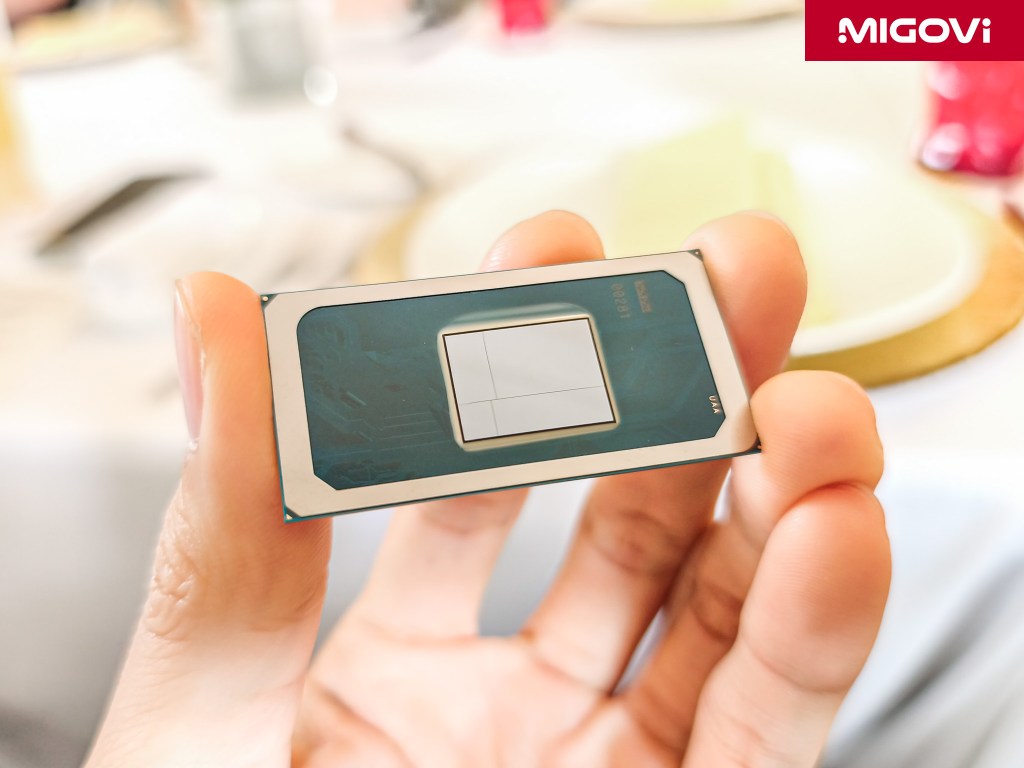
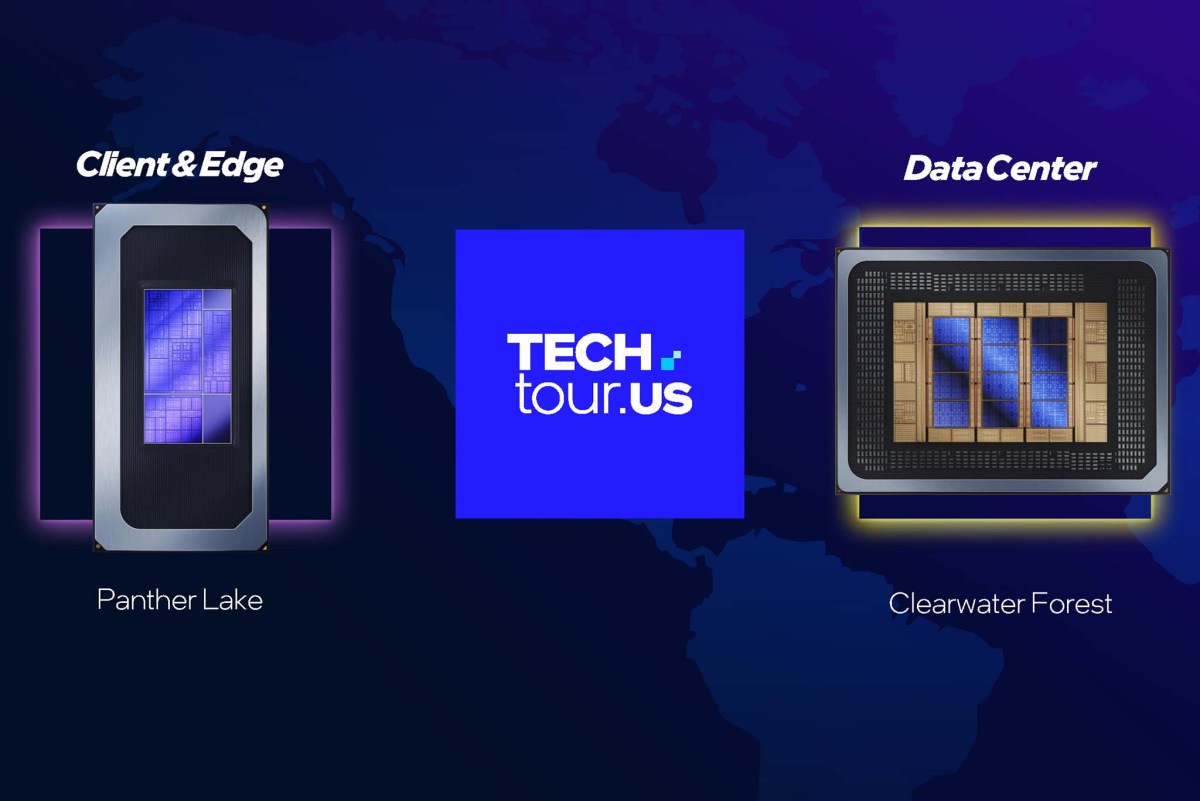
Right after Intel’s CES 2026 keynote, Migovi had a chance to go hands-on with the Intel Core Ultra Series 3 CPU in Vietnam.
- Core Ultra Series 3 (Panther Lake) is the first processor built on the Intel 18A node, combining RibbonFET transistors with backside power delivery via PowerVia to boost performance while cutting voltage droop.
- The new lineup delivers up to 60% higher multi-threaded performance, 77% better gaming performance with Xe3 graphics and a headline-grabbing battery life of up to 27 hours - undercutting the long-standing battery-life advantage of Arm-based laptops.
- Intel Products Vietnam (IPV) plays a critical role in the global supply chain, handling Known Good Die testing and performing the complex Foveros packaging process for Panther Lake.
- For the first time, Intel is launching a high-performance mobile X Series (Core Ultra X9 | X7) aimed at gamers and handheld PCs, while pushing total platform AI compute up to 180 TOPS to handle real-world AI applications.
As usual, the early-year CES show is where some of the most consequential launches in tech happen. On January 6, 2026, at the Las Vegas Convention Center, Intel officially unveiled its new mobile CPU family - Core Ultra Series 3 (code-name Panther Lake) - built on the Intel 18A process, the most advanced semiconductor technology ever designed and manufactured in the US.
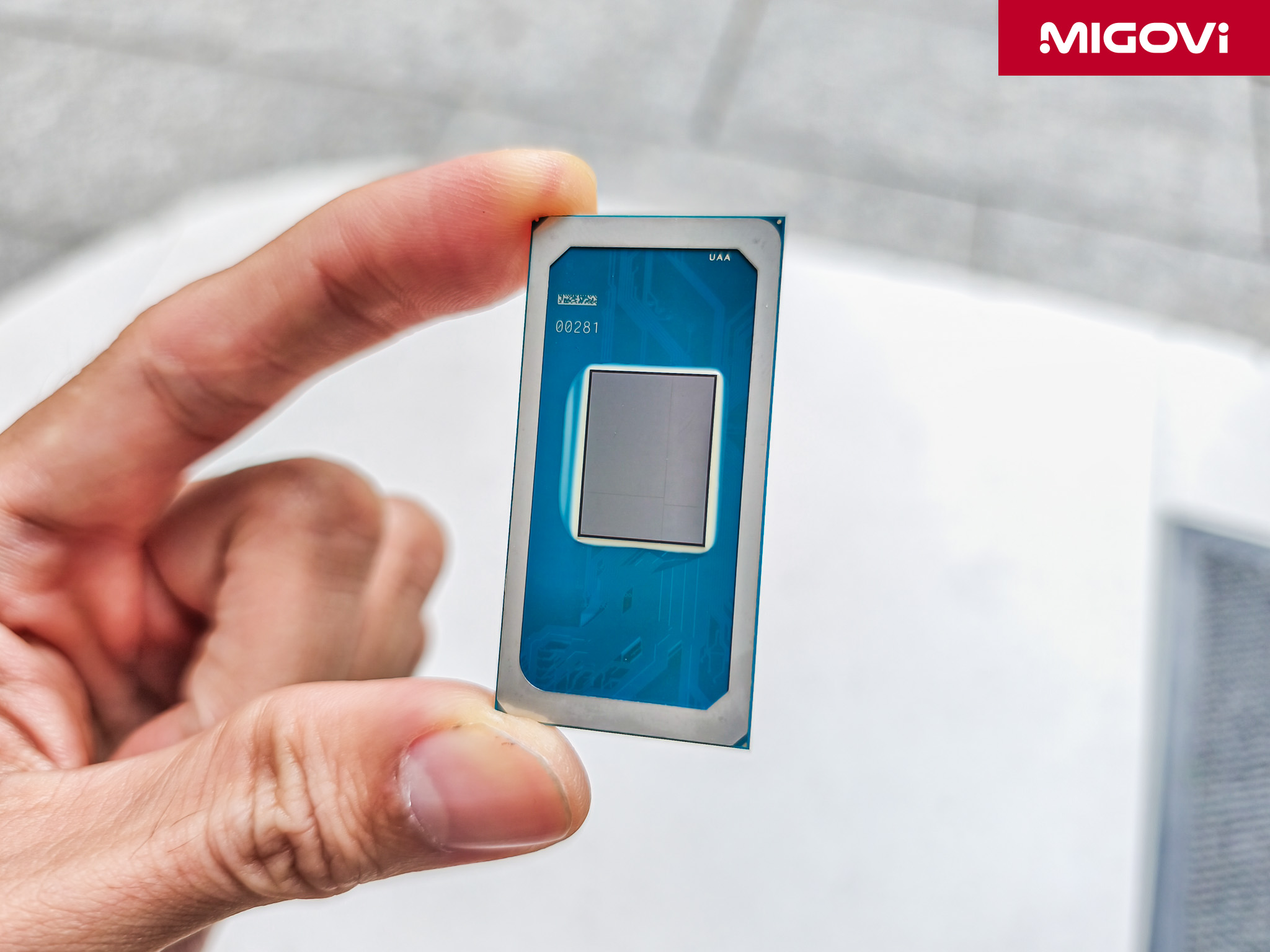
Panther Lake is the tangible outcome of Intel’s ambitious IDM 2.0 strategy. These chips will underpin the first PC platform built on the Intel 18A node. With rising pressure from Arm-based designs (Qualcomm Snapdragon) and mounting competition from AMD in AI PCs, Core Ultra Series 3 is Intel’s spearhead in reasserting its process-technology leadership. So what makes Core Ultra Series 3 stand out? What exactly is Intel 18A? And how will the new X Series CPUs reshape high-performance laptops? Migovi will unpack some of the key points in this article.
Article content
A historic inflection point at CES 2026

Intel Core Ultra Series 3 arrives just as the “AI PC” buzzword starts shifting from marketing to meaningful use cases. On Day 0 alone, more than 200 designs from major OEMs like Acer, ASUS, Dell, HP, Lenovo, LG, MSI and Samsung were already lined up. By late January 2026 globally and March 2026 in Vietnam, users should be able to easily get their hands on the latest high-end AI PCs.

Panther Lake isn’t just about raw performance; it tackles x86’s toughest problem head-on: power efficiency. According to Intel, Core Ultra Series 3 improves multi-threaded performance by up to 60%, boosts gaming performance by 77% and hits a record 27 hours of battery life. Those numbers show x86 still has plenty of runway when paired with an advanced manufacturing node. Previously, x86 laptops usually measured battery life in hours; once Panther Lake lands, we’re looking at ultrabooks that run for days, opening new possibilities in the AI era.
Intel 18A process technology
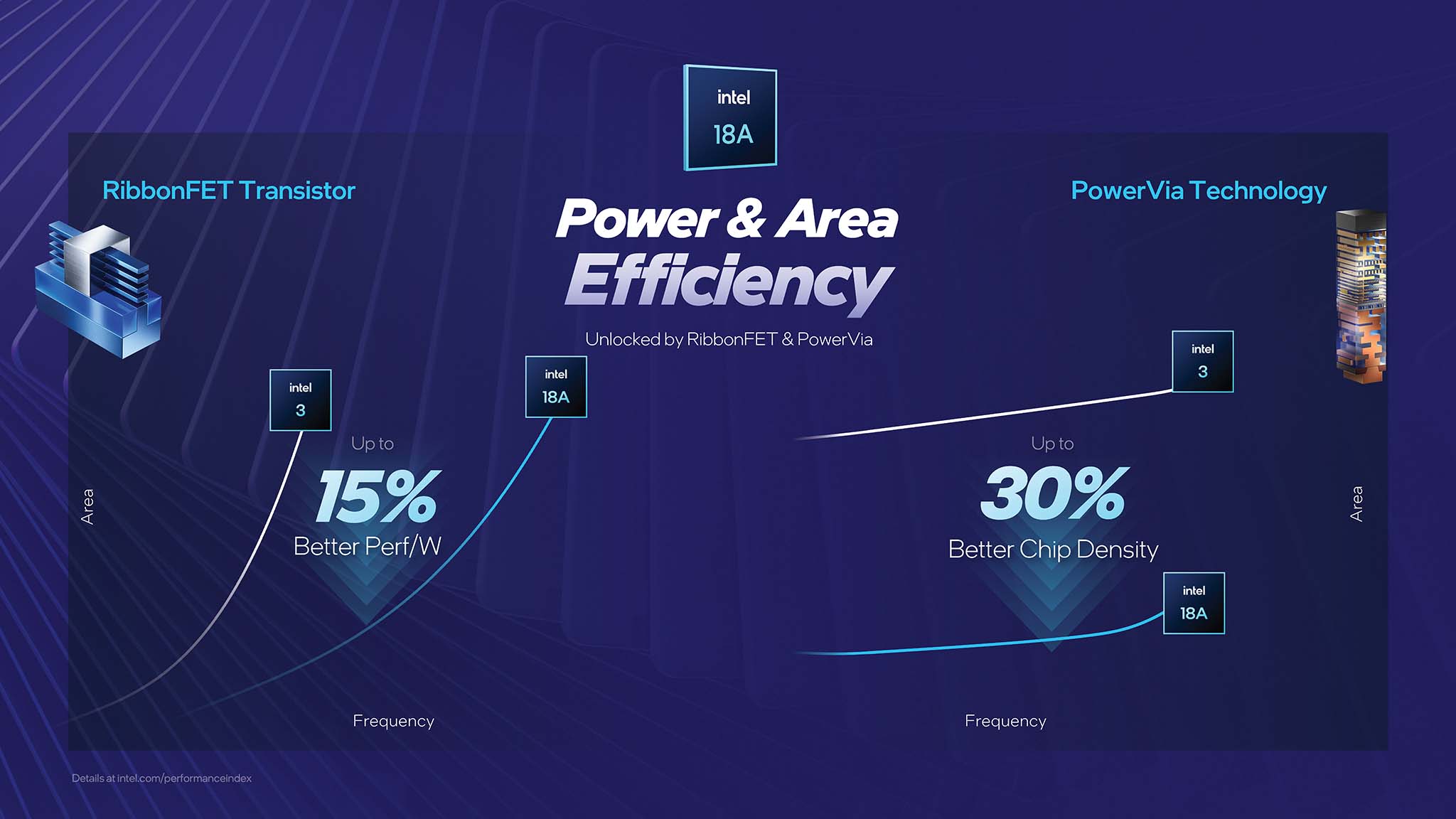
The 18A node is Intel’s biggest bet yet to reclaim the process crown from TSMC. High-volume 18A production at Fab 52 in Arizona marks the return of cutting-edge semiconductor manufacturing to the West. Intel 18A combines RibbonFET (Gate-All-Around transistors) with backside power delivery via PowerVia.
RibbonFET - Redefining the transistor
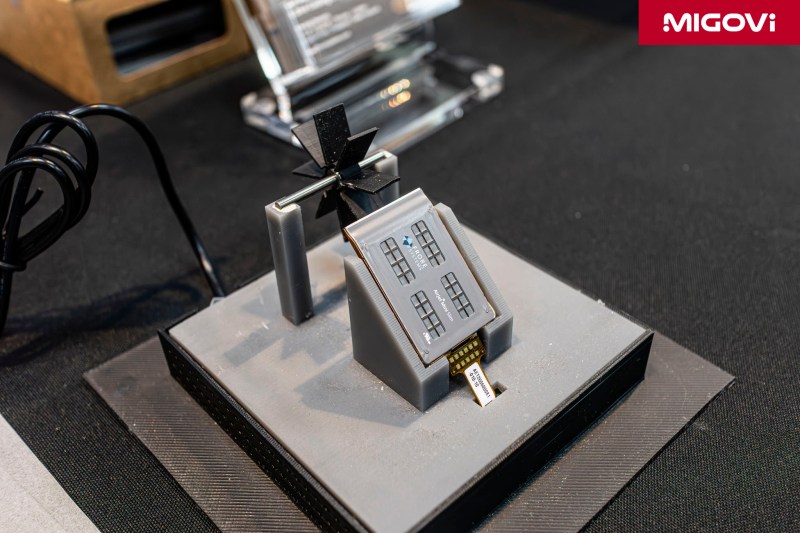
Inside Intel 18A are new RibbonFET transistors, a form of GAAFET (Gate-All-Around Field-Effect Transistor). It’s Intel’s largest transistor architecture shift since it introduced FinFET in 2011.
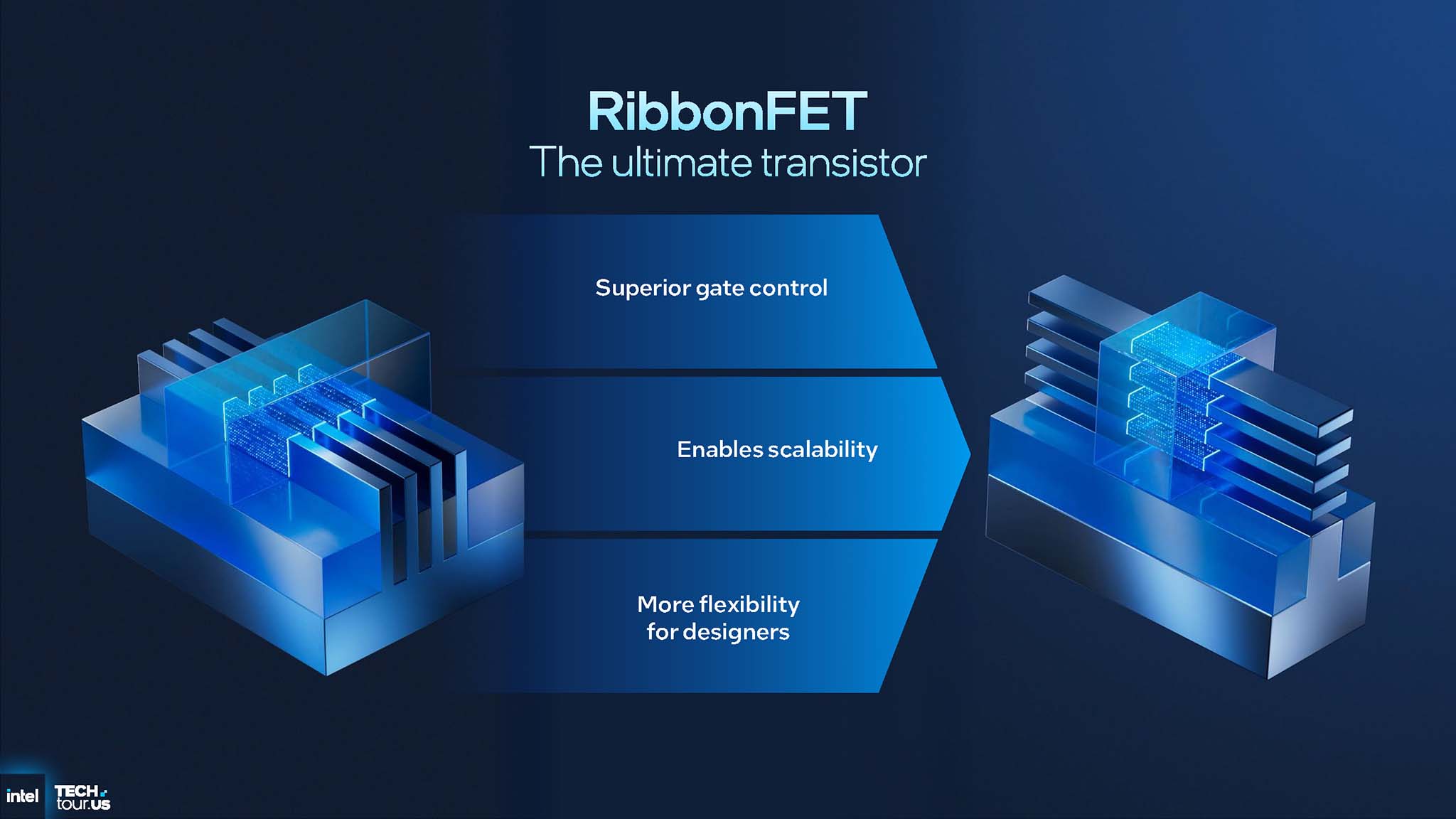
Where FinFET uses a single vertical silicon “fin” with the gate wrapping around three sides, RibbonFET stacks multiple silicon “ribbons” or nanosheets. The RibbonFET gate fully surrounds all four sides of each conduction channel. That full wrap gives far tighter control over current flow, dramatically reducing leakage current when the transistor is off - crucial for extending battery life in mobile devices.
RibbonFET allows more current to pass through each transistor within the same footprint compared to FinFET, which speeds up transistor switching and lets Intel push CPU clocks higher without cranking voltage to inefficient levels. Chip designers can also tweak ribbon width to tune each logic block - prioritizing performance or power savings depending on whether they’re designing, say, P-cores or E-cores.
PowerVia - A breakthrough in power delivery
PowerVia is the industry’s first high-volume backside power delivery network. In conventional processors, the metal layers for both power and data signals all sit on the front side of the silicon wafer. As transistors shrink, that wiring becomes incredibly congested, increasing signal noise and IR drop.
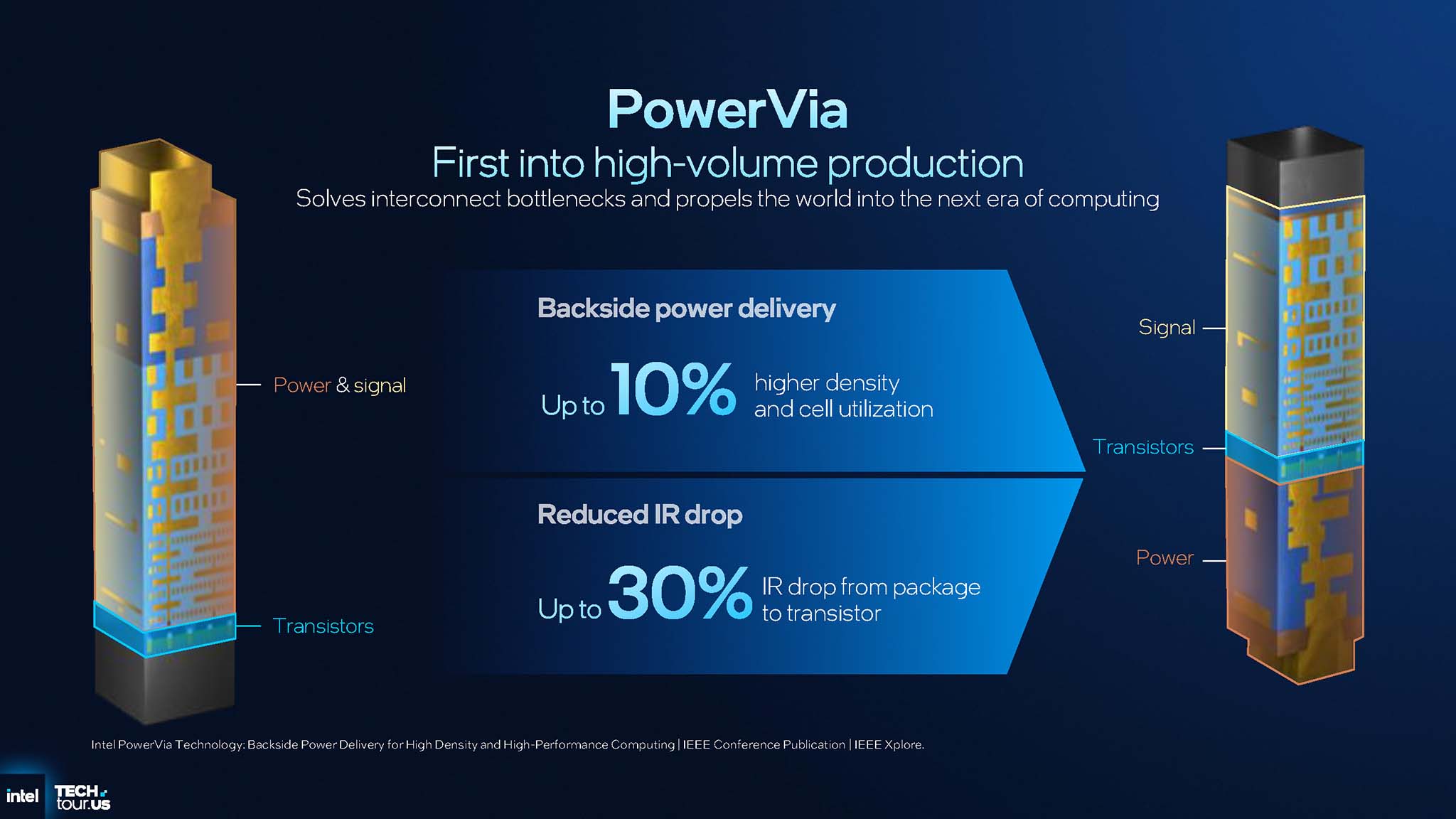
With PowerVia, Intel separates those networks. The entire power grid moves to the backside of the wafer, while the front side is reserved solely for data interconnects. Power lines connect directly to the transistor layer via tiny through-silicon vias (TSVs).
Thanks to PowerVia, Panther Lake can cut voltage droop by up to 30%, allowing CPU and GPU cores to run stably at lower voltages. That directly feeds into longer battery life for Core Ultra Series 3 laptops. With fewer front-side metal layers blocking the way, transistor density also increases by up to 10%, letting Intel pack more cores into a smaller die area. Internal Blue Sky Creek tests at Intel showed PowerVia can raise operating frequency by about 6% due to cleaner, shorter power paths.
Fab 52 and the “Made in USA” strategy
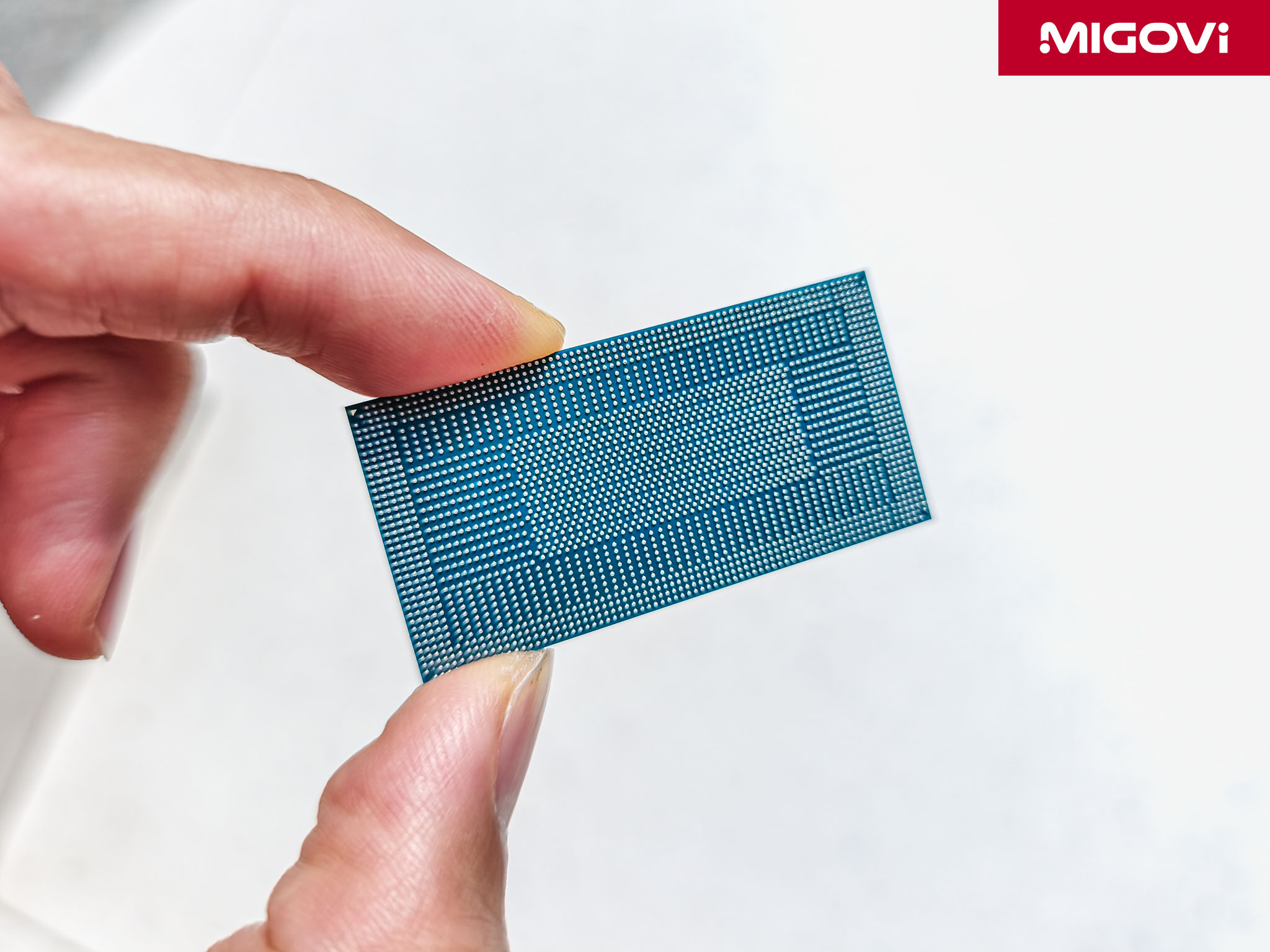
The key components of Core Ultra Series 3 on the Intel 18A process are fabricated at Fab 52, part of a $32 billion expansion project in Ocotillo, Chandler, Arizona. Fab 52 may be just one facility in Intel’s manufacturing network, but as the sole producer of 18A dies, it’s become a symbol of the US semiconductor resurgence. For now, it’s the only fab globally capable of manufacturing Intel 18A wafers at scale - initially dedicated to Panther Lake, with no dependence on outside foundries.
Advanced packaging

Following the first Core Ultra Series, Panther Lake continues Intel’s modular, chiplet-based approach - what the company calls a “System of Chips.” This lets Intel match each functional block to the process node that makes the most sense, squeezing more out of the supply chain.
Tile-based architecture
The Panther Lake SoC is built from three main tiles, each tuned for a specific role:

- Compute Tile: The heart of the chip, built on the cutting-edge Intel 18A process. It houses the CPU cores (P-core Cougar Cove and E-core Darkmont), the NPU 5 and LLC cache management blocks. Putting this tile on 18A maximizes compute performance and efficiency.
- GPU Tile: Home to the Xe3 graphics architecture. Splitting the GPU into its own tile lets Intel swap in different GPU sizes and configs (e.g., 12 Xe cores for X Series vs 4 Xe cores for mainstream parts) without redesigning the Compute Tile. The GPU Tile is manufactured on Intel 3 (or an external node), balancing cost and performance.
- Platform Controller Tile (PCD Tile): The I/O and connectivity hub, handling PCIe Gen 5, Thunderbolt 4/5, USB, Wi-Fi 7 and security features. This tile is typically built on a more mature node (like Intel 6 or TSMC N6) where shrinking doesn’t bring much benefit for I/O-heavy circuitry.
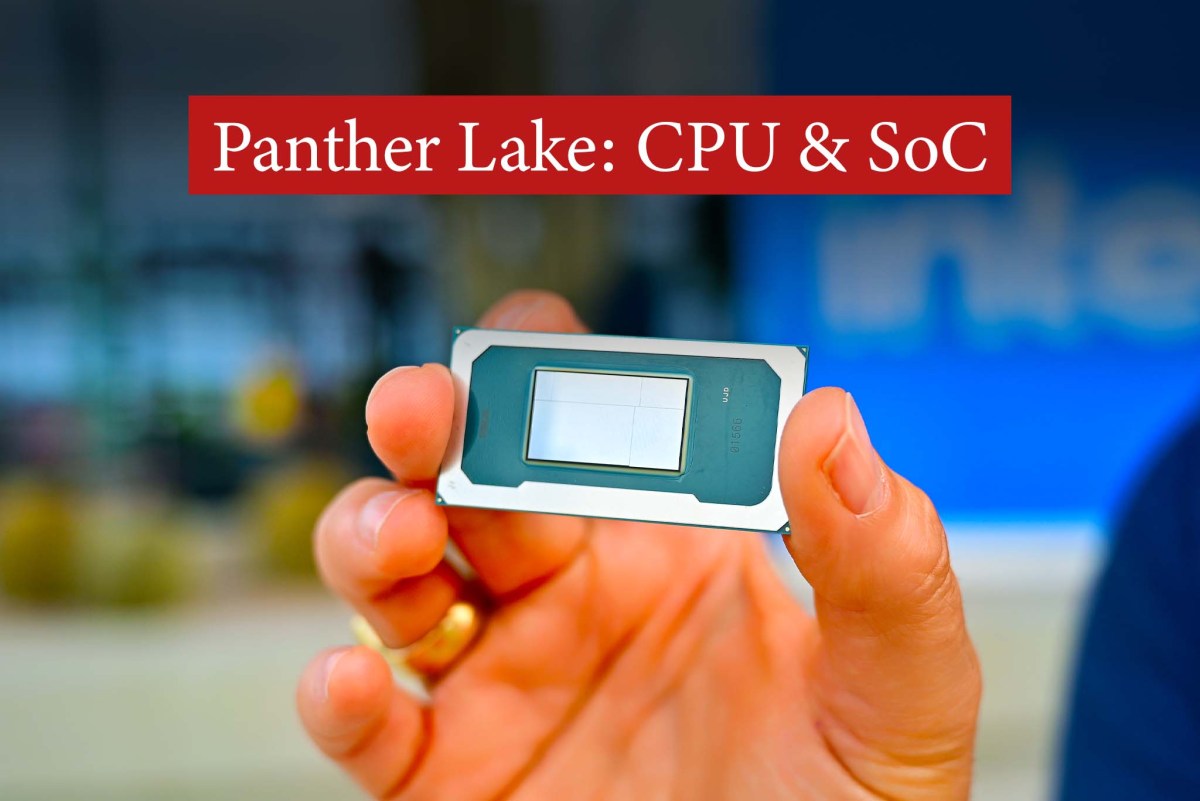
Foveros and Scalable Fabric
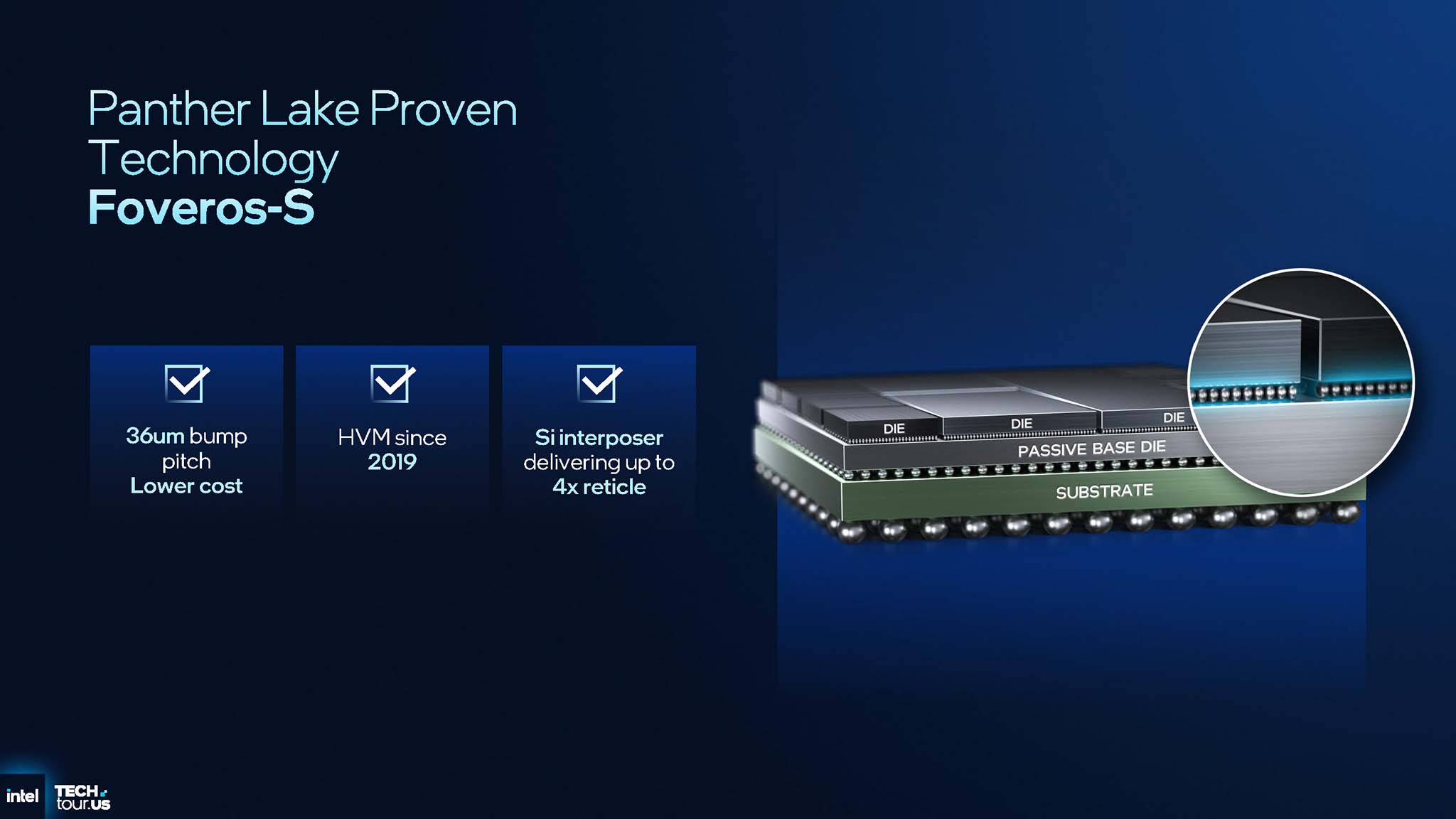
To fuse these tiles into what effectively behaves like a single monolithic chip, Intel uses its 3D Foveros packaging technology. Core Ultra Series 3 specifically taps Foveros-S, which uses a passive silicon interposer as a base. That interposer routes extremely dense wiring between tiles, giving them huge bandwidth and ultra-low latency. The bump pitch is just 36 µm, allowing far denser connections than traditional 2D packaging.

Scalable Fabric Gen 2 is the digital “glue” riding atop the Foveros physical layer. It lets tiles talk to each other as if they share a single die, maintaining cache coherency between CPU, GPU and NPU.
The role of Intel Products Vietnam

If Fab 52 in the US is where Intel 18A wafers are born, Intel Products Vietnam (IPV) is where they’re turned into finished products ready to be dropped into laptops. It’s no exaggeration to say the IPV facility inside Saigon Hi-Tech Park (SHTP) is mission-critical to Intel’s manufacturing pipeline.
The world’s largest assembly & test hub
IPV is currently Intel’s largest Assembly and Test Manufacturing (ATM) plant worldwide, responsible for over 50% of the company’s total packaging and test output. For Panther Lake, IPV’s role becomes even more central in ensuring there’s enough supply for a global rollout.
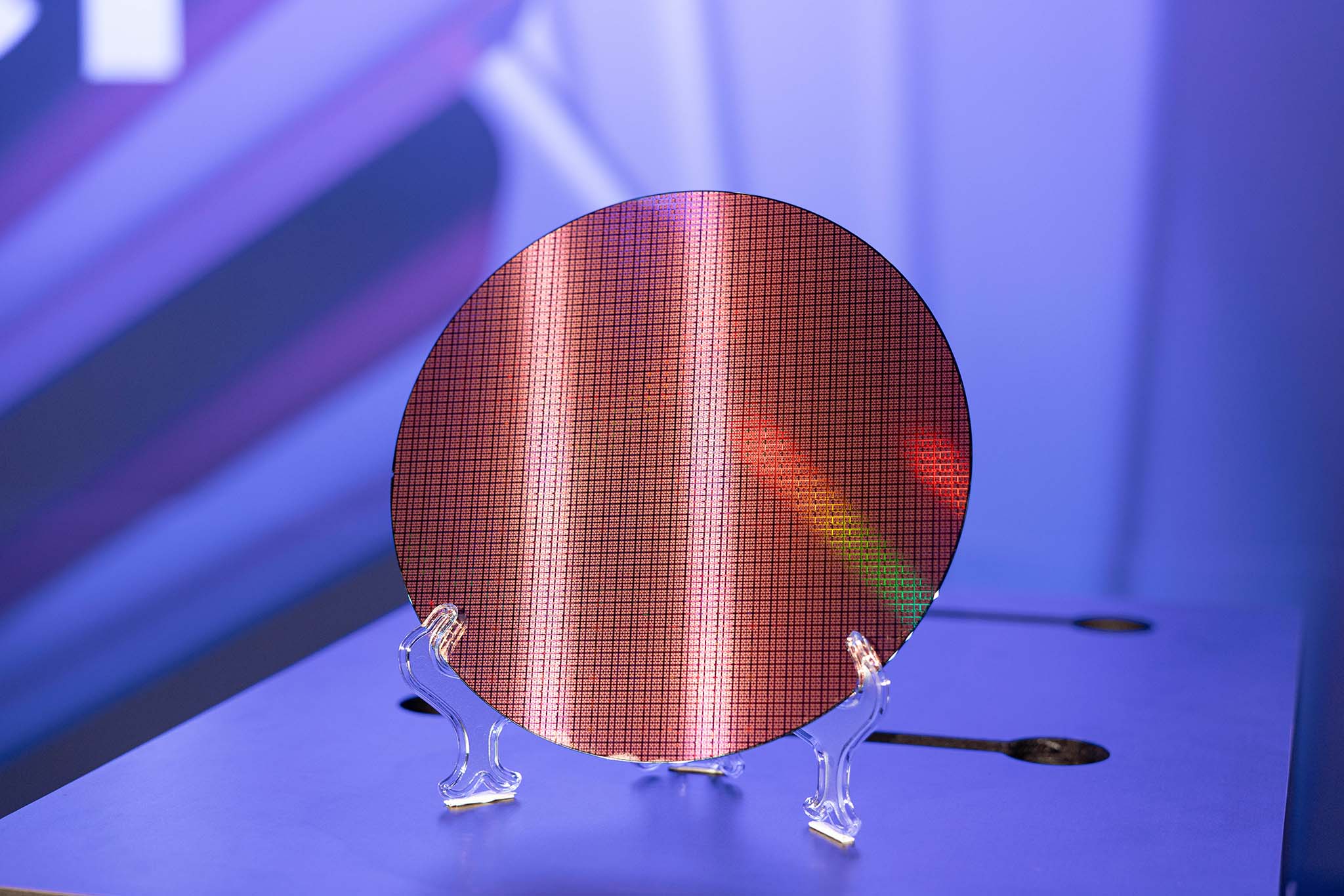
If you think IPV just “screws parts together,” think again. Handling Foveros-packaged CPUs like Core Ultra Series 3 requires cutting-edge precision. IPV receives 18A wafers from Arizona and GPU/PCD wafers from other fabs, then saws them into individual dies with micron-level accuracy. The facility then mounts the tiles onto the interposer and then onto the final substrate. This Foveros assembly flow demands extremely tight temperature and pressure control to ensure thousands of micro-bumps connect flawlessly.
Known Good Die process
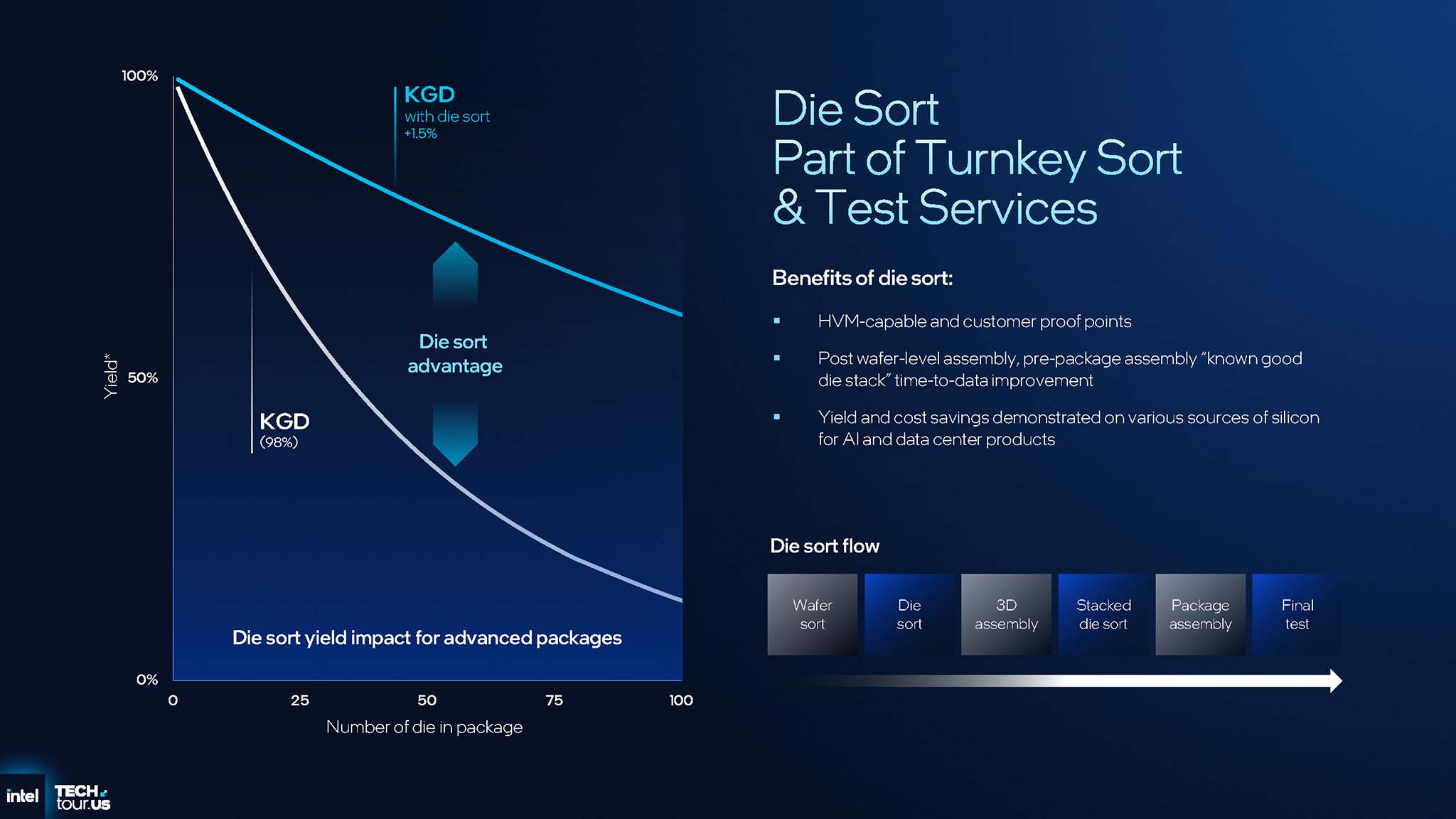
One of the most critical jobs Vietnam handles for Panther Lake is Known Good Die (KGD) testing. In a chiplet world, if a faulty tile is packaged with good tiles, the entire finished processor is scrap - an expensive waste, especially when 18A tiles are involved.
The Vietnam plant runs advanced test systems to screen every die before packaging. Only dies verified as “Known Good” move on to assembly. This also includes power binning to group tiles with similar power characteristics together, optimizing performance and thermals for the final product.
Shifting production and investing in R&D
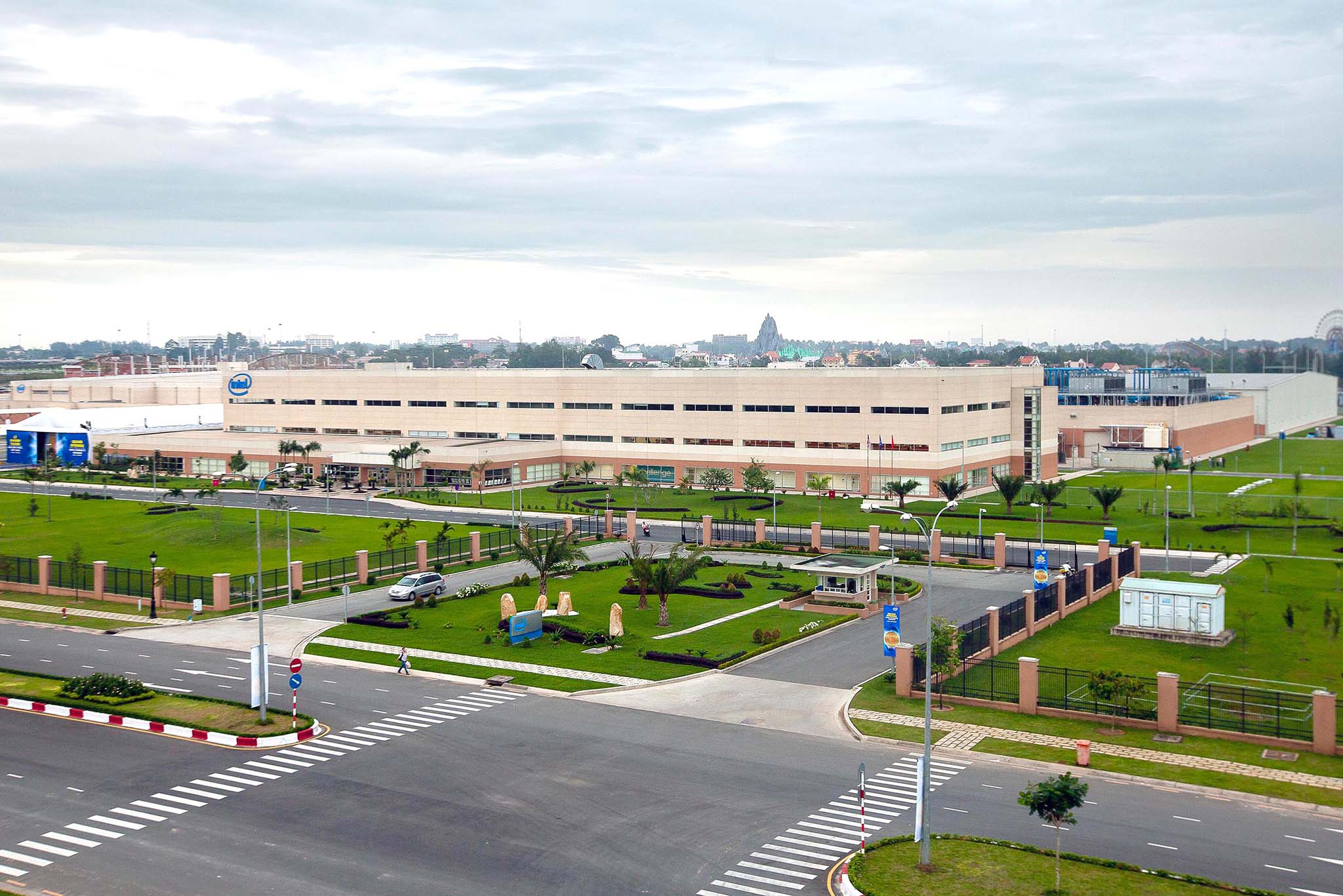
Intel is restructuring its supply chain and plans to shift a large portion of assembly and test operations from its Costa Rica plant to Vietnam. Centralizing high-volume, complex packaging like Panther Lake at IPV should boost efficiency. To keep up, Intel Vietnam is hiring more high-skill engineers while partnering with local universities to develop a semiconductor talent pipeline. The Vietnamese government, via the Ministry of Science and Technology, is also encouraging Intel to expand into local R&D, chip design and advanced, specialized packaging to build a sustainable domestic semiconductor ecosystem.
Intel Core Ultra Series 3 “X Series”
What sets Panther Lake apart from Core Ultra Series 1 and 2 is the arrival of the X Series. Specifically, users now get options like Core Ultra X9 and Core Ultra X7. The X Series versions aren’t just about higher CPU clocks; they also unlock more aggressive hardware configurations, particularly on the graphics side.
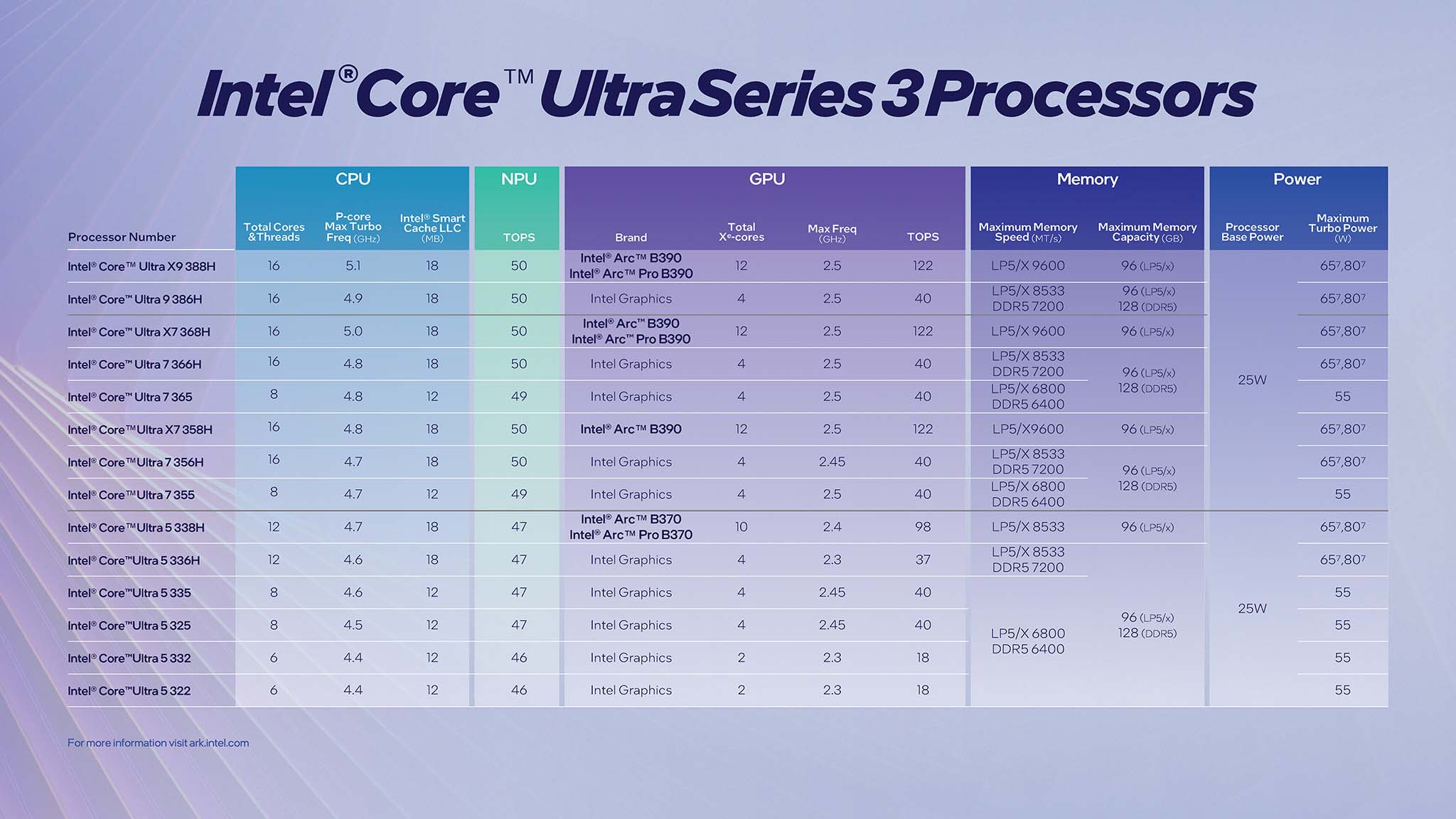
The new X Series targets mobile gamers who want to run AAA titles on thin-and-light laptops without lugging around old-school desktop replacements. Content creators who need strong GPU and AI throughput for video editing, RAW photography, or local AI workloads are also squarely in scope. On top of that, the handheld gaming PC segment is a key target for X Series, where powerful integrated graphics are vital to competing with today’s incumbents.
Both the X Series and H Series come with Arc B390 integrated graphics sporting 12 Xe cores, but if you want the highest sustained graphics performance, X Series is the safer bet. That’s because the X parts have a wider power envelope, letting them hold higher clocks for longer. One particularly interesting SKU is the Core Ultra X7 358H: it keeps the full 12 Xe cores but runs at around a 28W TDP. That makes it ideal for extending battery life and easing thermal constraints in handheld gaming PCs. It’s Intel’s direct response to AMD’s Ryzen 7 8840U/Z1 Extreme, which currently dominates that niche.
The power of Panther Lake
P-core Cougar Cove
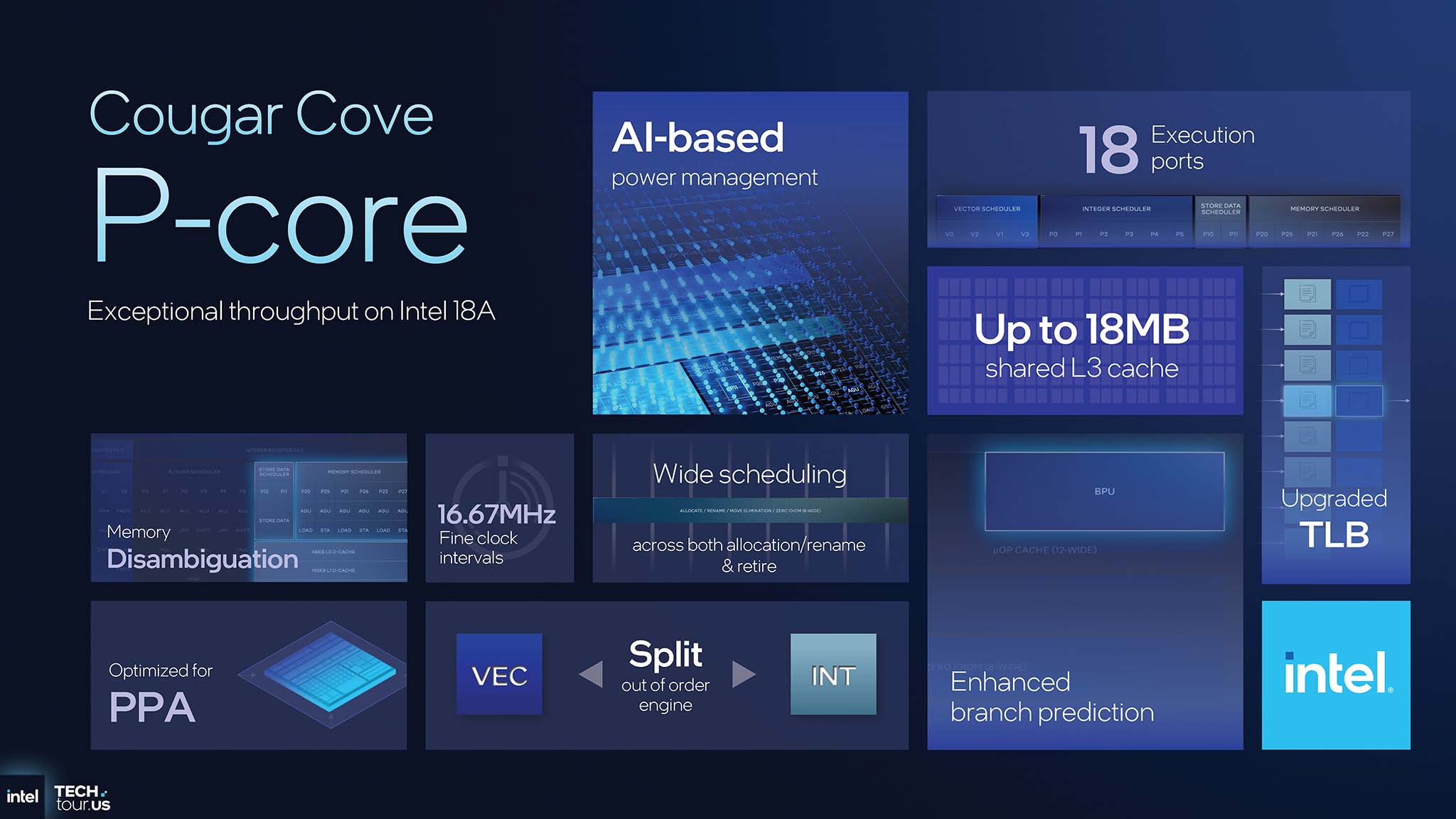
The high-performance P-cores in Panther Lake are code-named Cougar Cove. Unlike previous generations that mostly pushed clock speeds, Cougar Cove is redesigned to fully exploit the characteristics of 18A RibbonFET transistors. Intel focuses on increasing IPC (instructions per cycle) via a stronger branch predictor and larger L1/L2 caches, allowing the CPU to do more work at the same frequency. With PowerVia in the mix, Cougar Cove can also hit high boost clocks (up to 5.1 GHz on the X9 388H) without resorting to wasteful voltages, keeping thermals in check.
E-core Darkmont
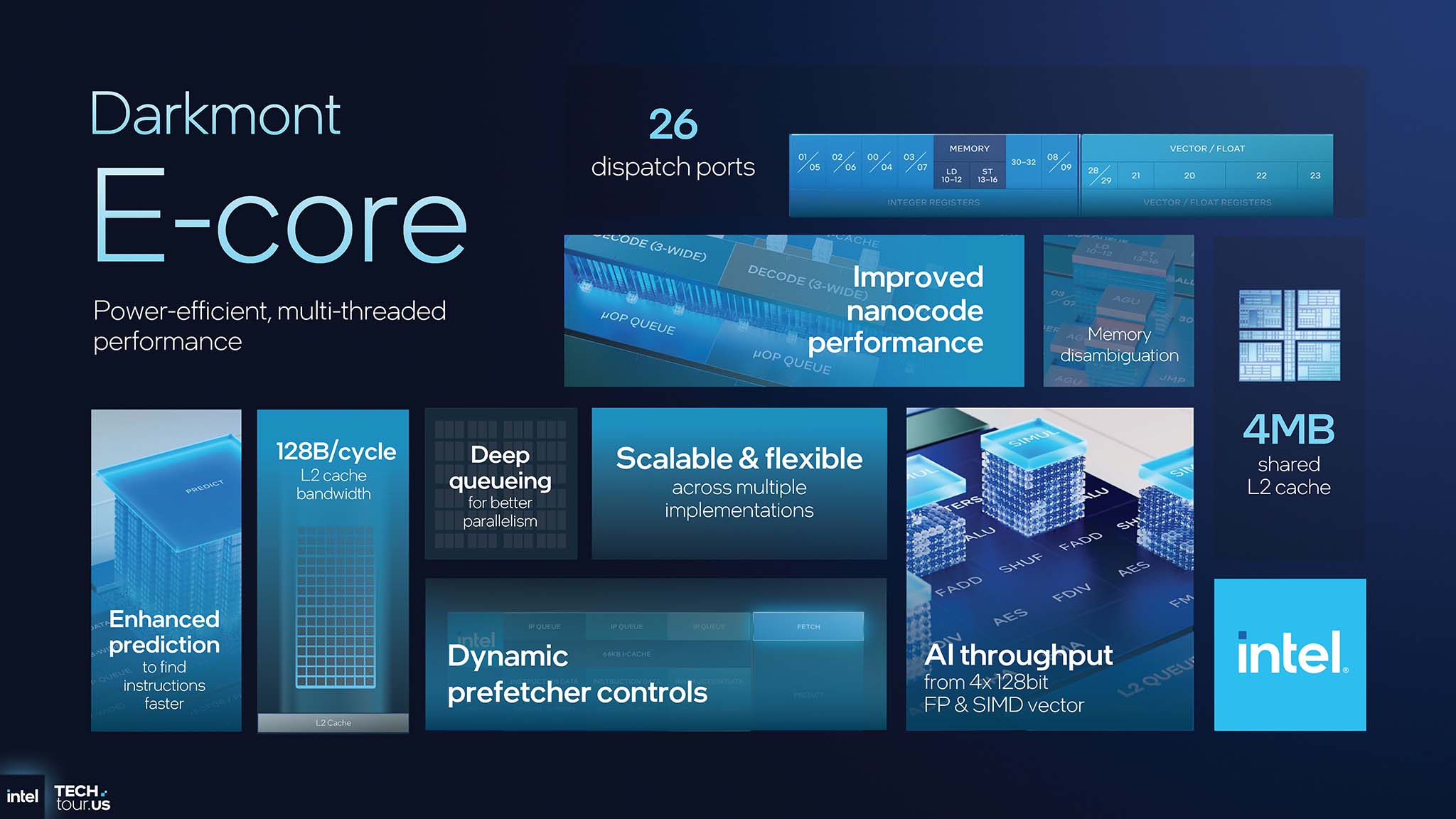
The efficiency cores, code-named Darkmont, are an evolution of Skymont (from Lunar Lake). Darkmont’s key innovation is Nanocode. Traditionally, complex x86 instructions are broken down by microcode into smaller micro-ops. Nanocode allows many of these complex instructions to be handled directly by dedicated hardware in the front-end, avoiding the power-hungry microcode sequencer.
Nanocode accelerates background and multi-threaded workloads while trimming execution latency. Combined with a high E-core count (8 performance E-cores plus 4 LP E-cores), Panther Lake delivers up to 60% higher multi-threaded performance than its predecessor.
Xe3 integrated graphics
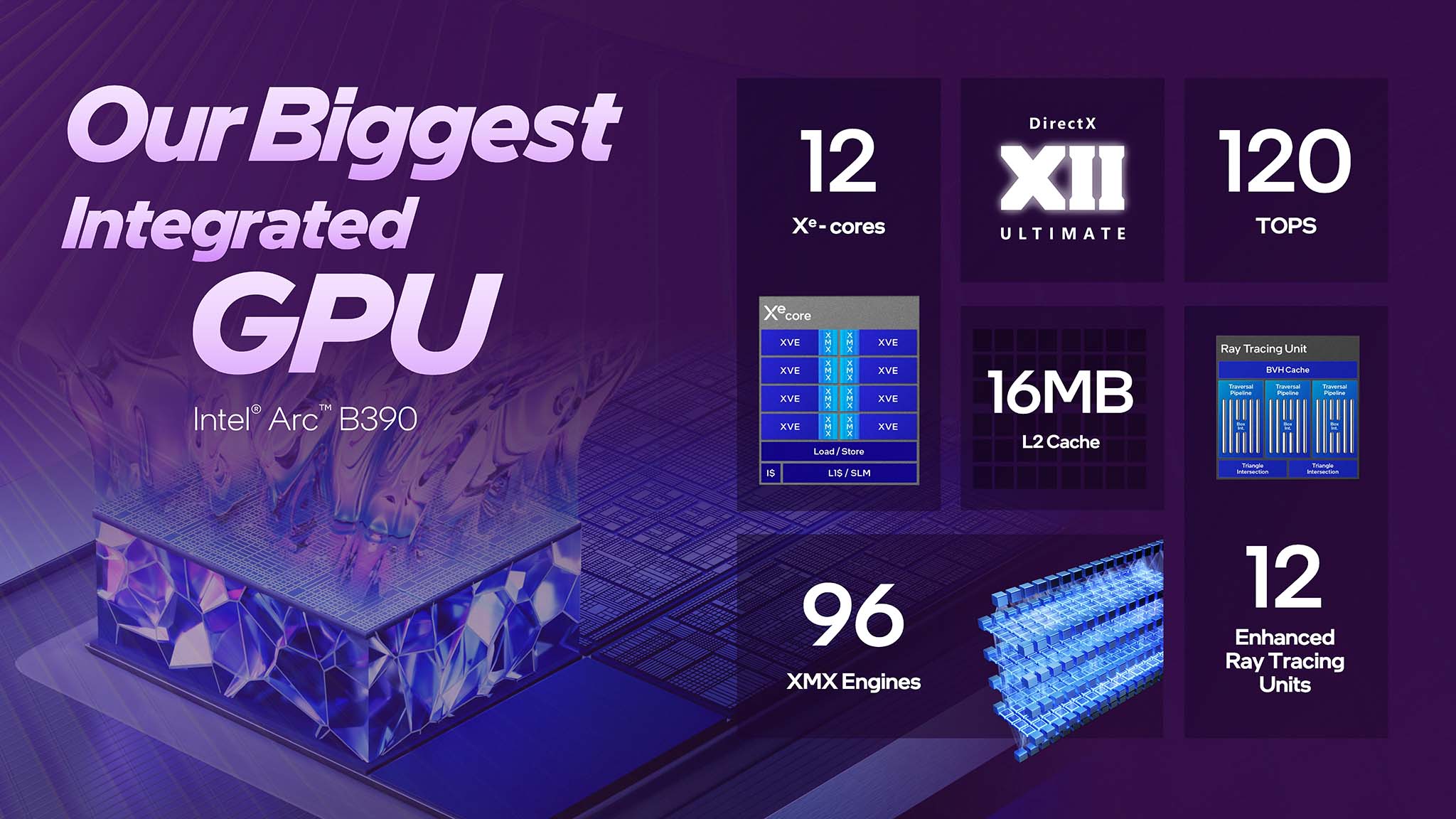
Panther Lake’s integrated Xe3 graphics goes well beyond the stereotypical “good enough for display output” iGPU. This is a GPU designed for serious gaming. The top-end Arc B390 configuration features 12 Xe3 cores, up from 8 Xe2 cores in Lunar Lake. Each Xe3 core includes dedicated XMX (Xe Matrix Extensions) engines for AI compute, giving the iGPU local AI acceleration for graphics workloads. Xe3 also improves real-time ray tracing performance.
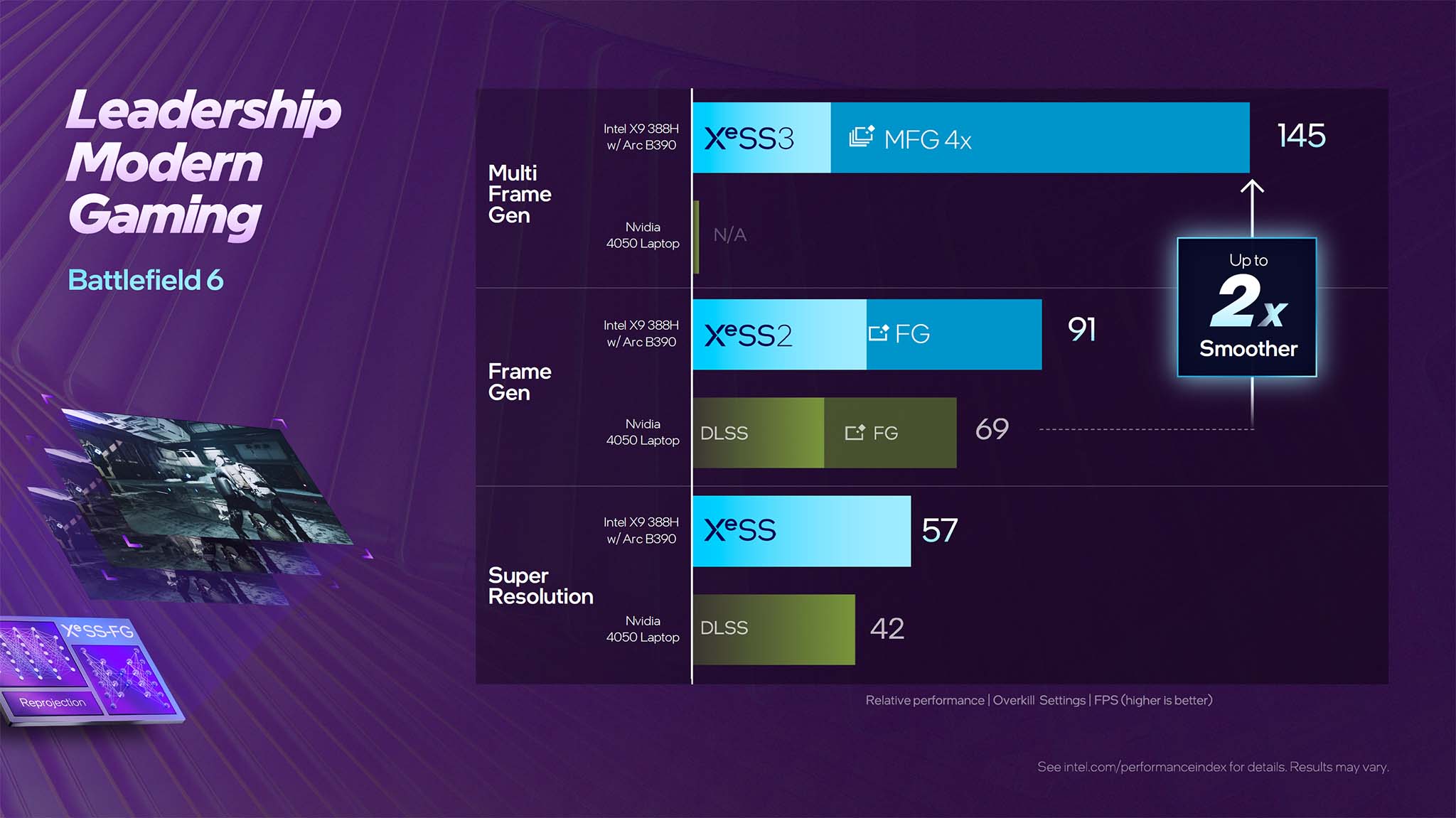
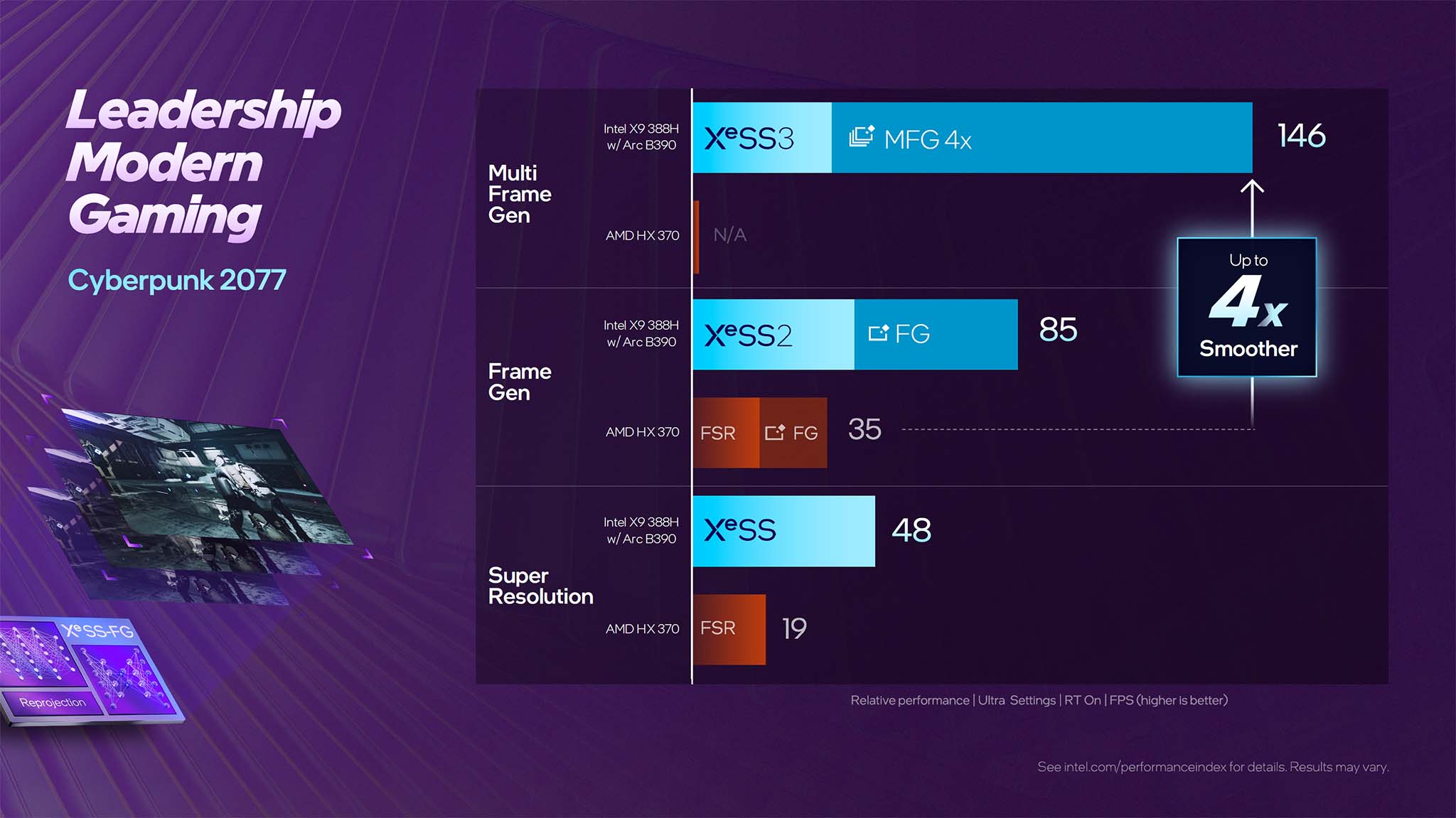
Backing Xe3 is XeSS 3 (Xe Super Sampling). For the first time on an iGPU, Intel is adding Multi-Frame Generation (MFG). Using AI, MFG can synthesize entirely new frames inserted between rendered frames, effectively doubling frame rates in supported titles without proportionally increasing GPU load. Intel’s own benchmarks show up to 77% higher gaming performance versus Lunar Lake and 73% higher versus the iGPU in AMD’s Ryzen AI 9 HX 370. At CES 2026, laptops powered by Panther Lake were shown running Cyberpunk 2077 and Battlefield 6 smoothly at high settings with XeSS 3 enabled.
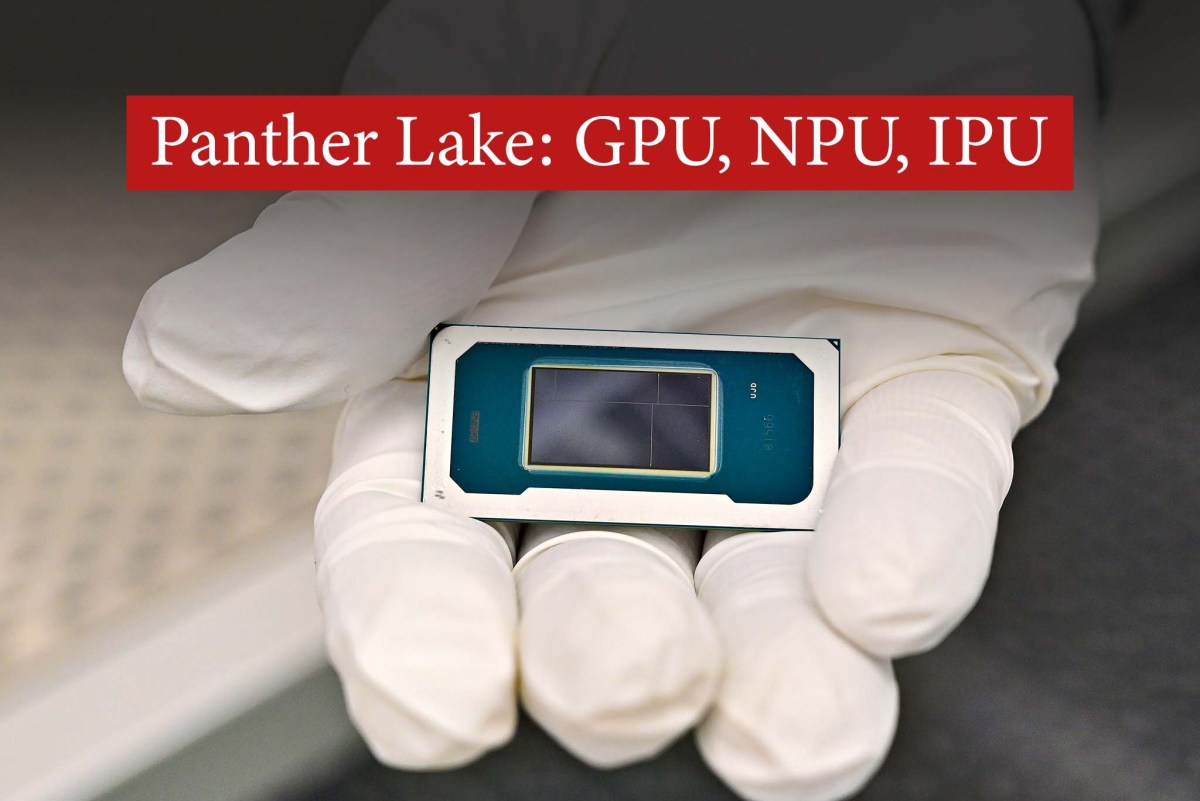
AI PC - Hardware and software
NPU 5
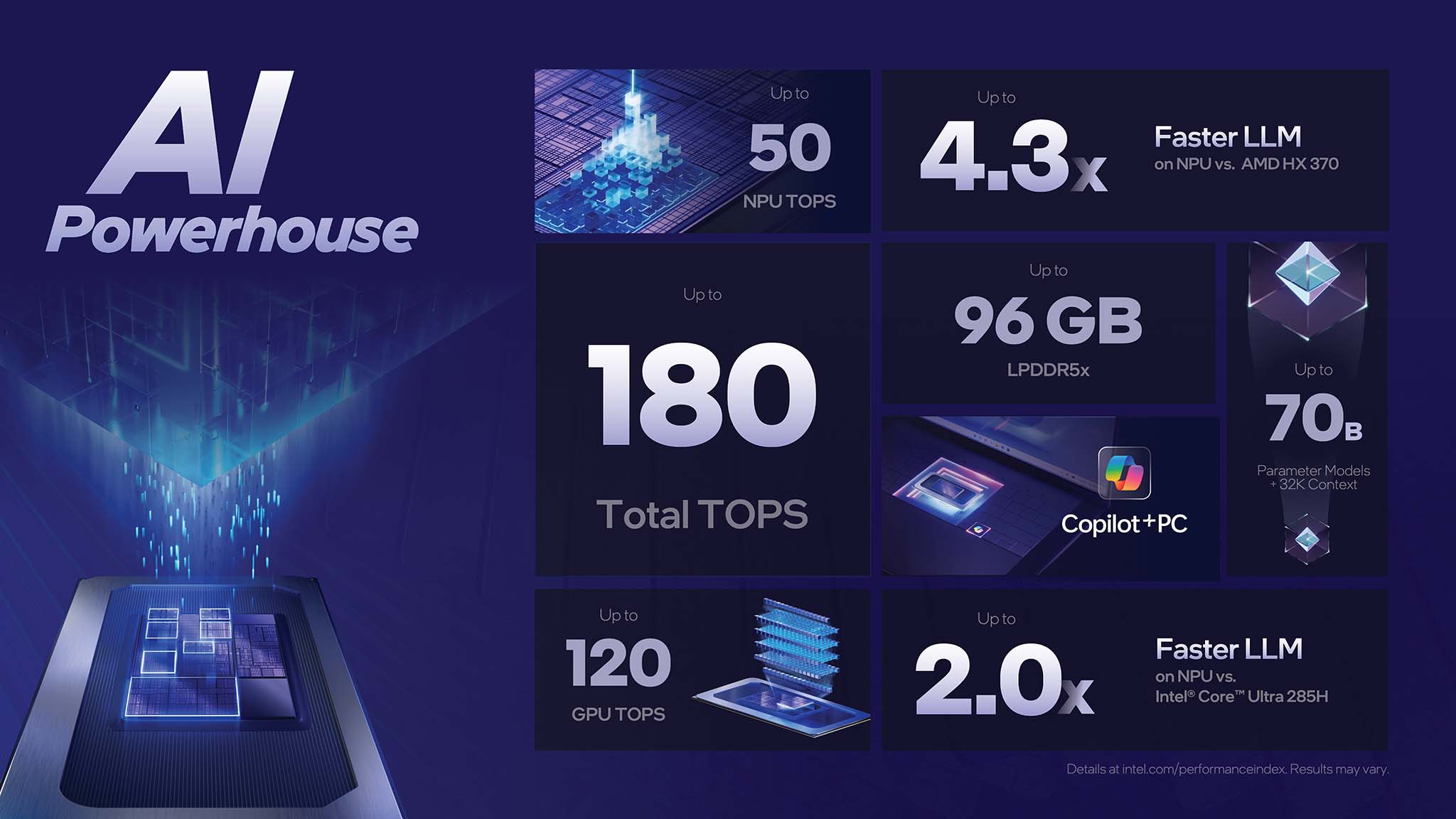
Panther Lake integrates a 5th-generation NPU (NPU 5) delivering up to 50 TOPS. But Intel is emphasizing “Platform TOPS” - the total AI compute across the whole system:
- GPU (120 TOPS): For heavy AI workloads like image generation (Stable Diffusion), AI video rendering and bandwidth-hungry LLM inference.
- NPU (50 TOPS): For always-on, low-power “sustained AI” tasks like background blur, noise suppression and face recognition - crucial for battery life.
- CPU (~10 TOPS): For latency-sensitive AI tasks that need very quick response times.
- Add it up and Panther Lake offers around 180 TOPS of platform AI performance - well above current AI PC baselines.
Intel AI Playground

On the software side, Intel’s own solution to make use of that AI horsepower is AI Playground. It runs fully locally - no Internet connection required - addressing one of the biggest concerns for both enterprises and individuals: data privacy.
Intel AI Playground is released as an open-source project, letting the community extend and optimize it. Core features include:
- Create: Text-to-image generation using Stable Diffusion, with controls for resolution and style.
- Enhance: Image upscaling, editing and object removal powered by AI.
- Answer (Chatbot): Running open-source LLMs like Phi-3 or Llama 3 locally. It supports RAG (Retrieval-Augmented Generation), so the chatbot can read and respond based on the user’s own PDFs/Word docs stored on the machine.
Impressive power efficiency

As noted up top, Core Ultra Series 3 ushers in a new way of thinking about battery life - this is the first time x86 laptops are realistically talking about days, not hours. Intel claims up to 27 hours of 1080p Netflix playback on a reference system with a Core Ultra X9 388H. That 27-hour figure (more than a day) strikes directly at the main advantage Arm laptops have enjoyed for years. So what’s different about Panther Lake?
First, a Low Power Island with 4 LP E-cores can run light tasks like video playback while the more power-hungry Compute and GPU tiles remain in a deep sleep state. Second, Intel Intelligent Display dynamically adjusts refresh rate and screen power based on content and user presence. Finally, the PowerVia backside power network cuts line losses in power delivery, further trimming overall consumption.
Edge AI and Robotics
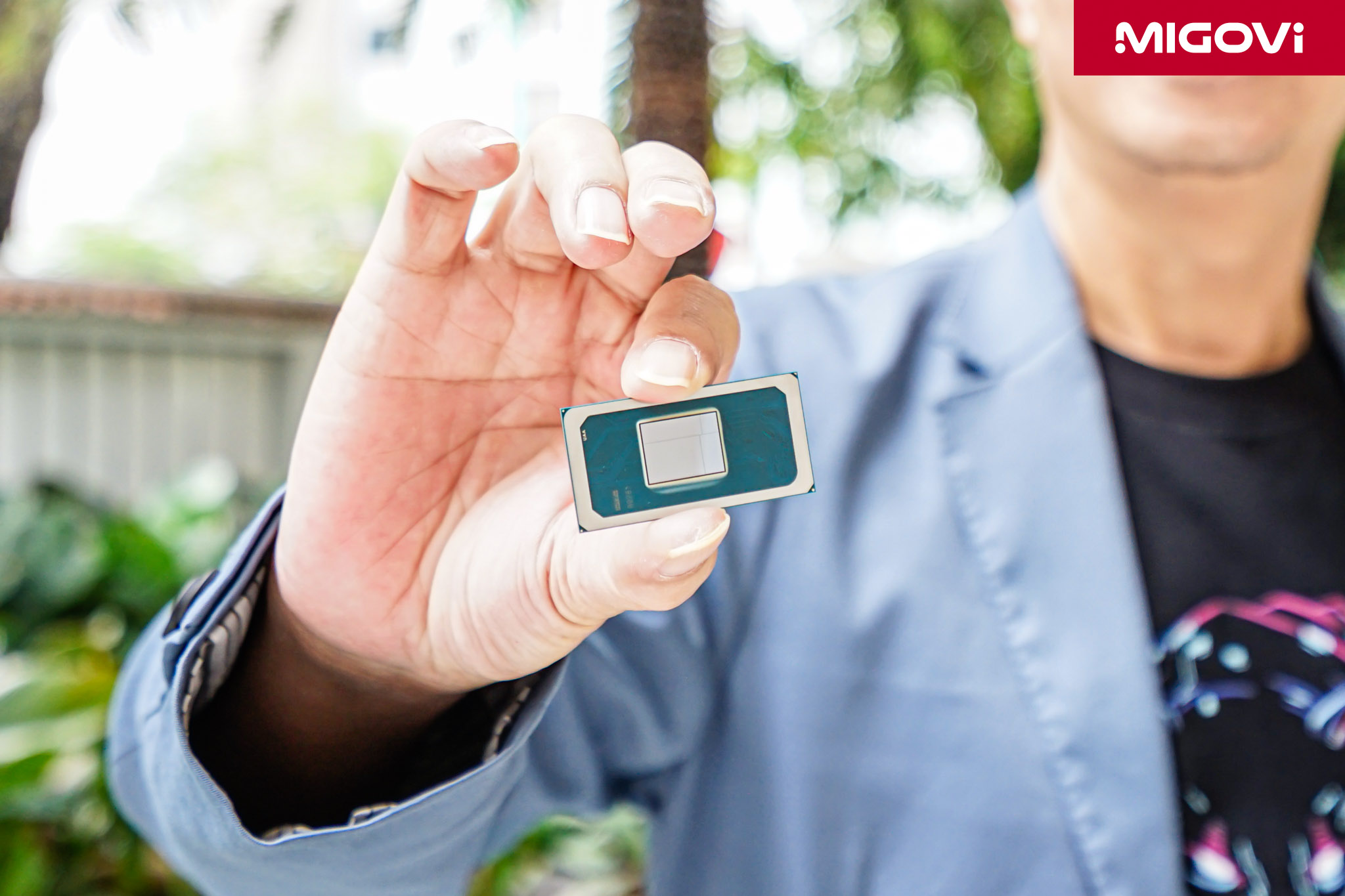
Core Ultra Series 3 isn’t just for PCs. Intel is also targeting the edge AI and industrial automation markets. Panther Lake is rated for harsh environments, wide operating temperatures and 24/7 reliability, making it suitable for embedded systems, smart kiosks and medical devices.

Its parallel processing capabilities across GPU and NPU also make Panther Lake a strong fit for robotics - especially autonomous robots running Vision Language Action (VLA) models. Tests show up to 4.5x higher VLA performance than competing solutions.
Conclusion
By bringing Intel 18A to volume with RibbonFET and PowerVia and by pushing advanced Foveros packaging and Scalable Fabric Gen 2, Intel has built Core Ultra Series 3 as the backbone of a full-fledged AI PC platform. With X Series, Intel is directly challenging AMD in handheld gaming PCs. With 27-hour battery life, it’s going after Qualcomm and Apple on efficiency. And with Fab 52 and its global packaging network - including Vietnam - Intel is shoring up its supply chain against an increasingly volatile world.
In short, Core Ultra Series 3 is Intel’s attempt to reshape the AI PC landscape for the next decade.
- If you’re in the market for a high-end laptop, it’s worth waiting until March 2026 for official Panther Lake systems to arrive in Vietnam. This is the biggest architectural shift in years (RibbonFET + PowerVia), promising a longer useful lifespan.
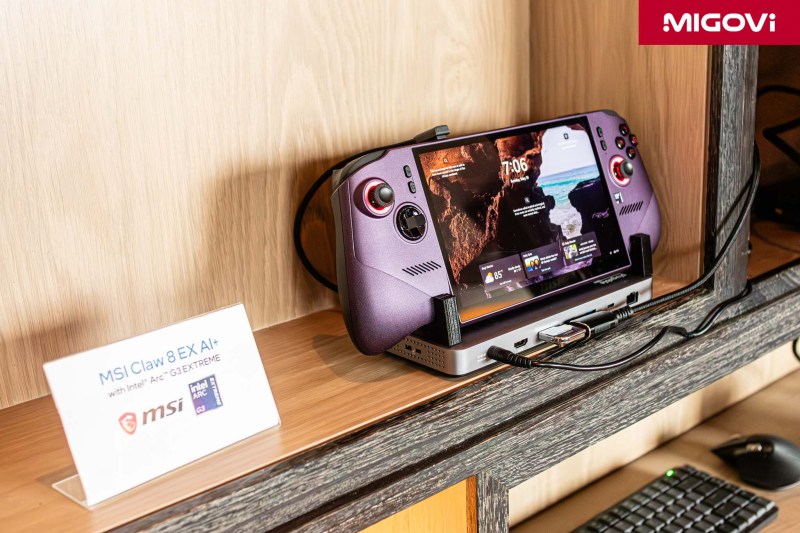
- If you’re a gamer eyeing handheld PCs (like the ROG Ally or MSI Claw), pay special attention to the Core Ultra X7 358H. Its 28W TDP and 12 Xe cores could finally fix the battery-life Achilles’ heel that current AMD Z1-based handhelds still haven’t fully solved.
- That said, even though Intel advertises 27 hours of 1080p Netflix, you should wait for mixed-workload real-world testing. If x86 laptops truly hit those numbers, the last remaining advantage of Arm-based machines (like Snapdragon X Elite laptops) effectively disappears.
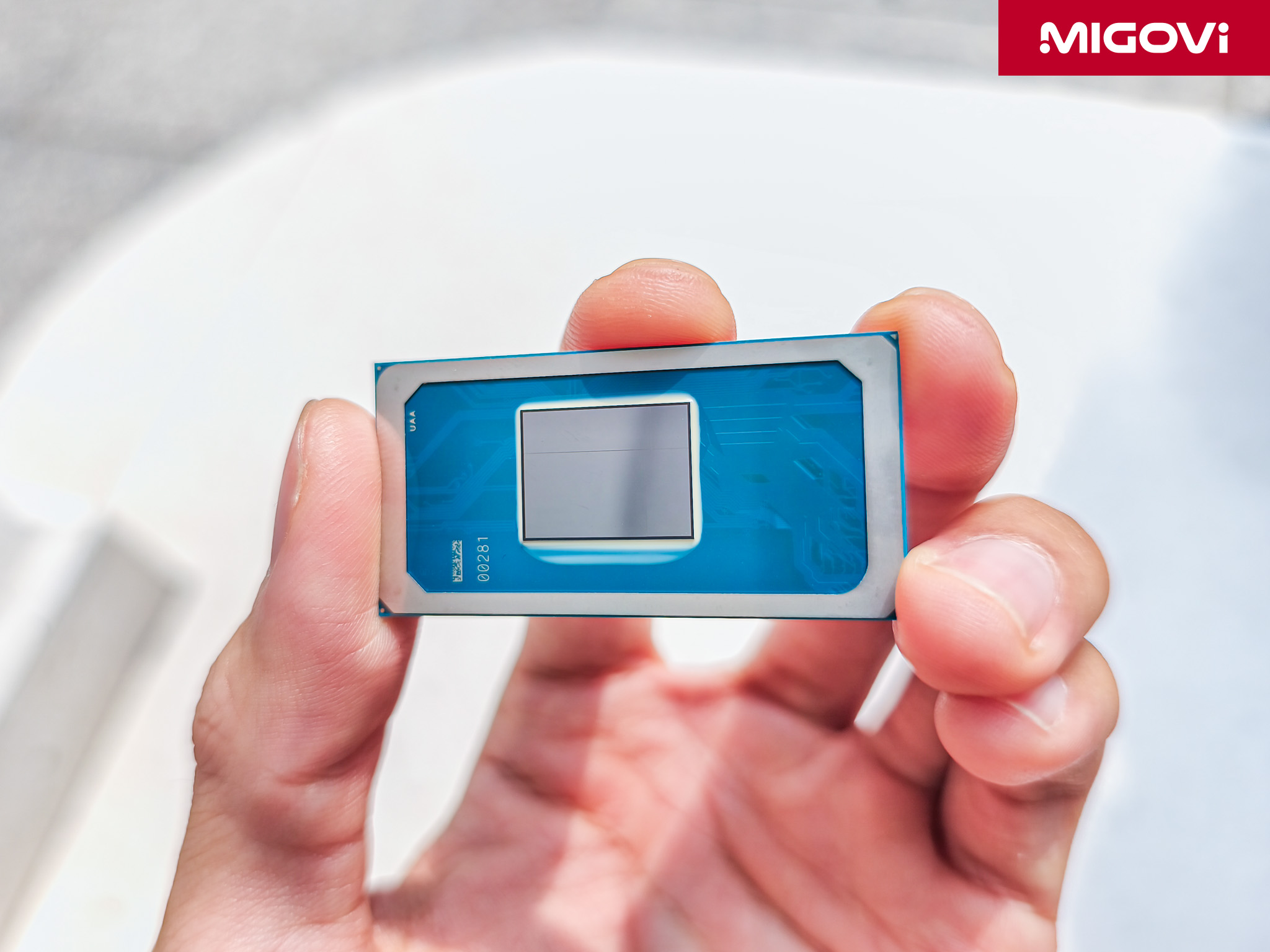
- Holding this chip in hand, Migovi is literally touching one of the “most Vietnamese” high-tech products to date - more than half of Intel’s global Core Ultra Series 3 packaging output and the crucial KGD process are handled right in Ho Chi Minh City.