
Frore Systems reshapes thermal tech with AirJet solid-state active cooling

Frore Systems has introduced its AirJet solid-state active air cooling system for mobile form factors and the LiquidJet liquid cooling architecture for enterprise data centers.
As the artificial intelligence (AI) and high-performance computing (HPC) eras explode, thermal demands are skyrocketing. In the post-Moore’s Law era, Tao’s Law dictates that performance scaling no longer relies solely on shrinking transistors. Instead, it leans heavily on 3D stacking, heterogeneous integration and chiplet designs. Consequently, thermal density per unit area is surging, forming the primary bottleneck for overall system compute scaling.
For modern architectures, the thermal infrastructure - traditionally aluminum heatsink stacks - is just as critical as the compute hardware and software stack. Conventional cooling methods like mechanical fans and passive heatsinks are hitting a wall. Fans introduce noise, vibration, dust buildup and face strict static pressure limitations, all of which threaten component longevity. On the flip side, conventional liquid cooling struggles with concentrated hotspots that pump out thousands of watts.
Addressing this bottleneck is Frore Systems, a Silicon Valley startup valued at $1.64 billion. While AirJet targets mobile form factors, LiquidJet is tailored for data centers. The company’s roadmap is ambitious, governed by "Frore's Law" - a commitment to doubling cooling performance every two years without increasing component thickness.
- Next-gen cooling from Frore Systems: AirJet delivers solid-state active air cooling for mobile devices, while LiquidJet handles data center liquid cooling.
- The AirJet mechanism: Zero moving parts. It uses ultrasonic piezoelectric membranes to generate up to 1750 Pa of backpressure (10x that of mechanical fans) alongside 200 km/h jet impingement to obliterate thermal boundary layers.
- Smart AirJet lineup: Features "Thermoception" (thermal sensing), self-cleaning tech and comes in multiple flavors (Mini, Pro, Slim, Sport IP68, Mini G2), alongside plug-and-play AirJet PAK systems to prevent thermal throttling in 24/7 Edge AI setups.
- LiquidJet for data centers: Leverages semiconductor manufacturing processes (photolithography, etching) to build 3D microstructures capable of cooling hotspots up to 600 W/cm². The monolithic LiquidJet Nexus design slashes thermal assembly weight by 65% and saves 10% in power consumption.
Article content
AirJet: Solid-state active cooling
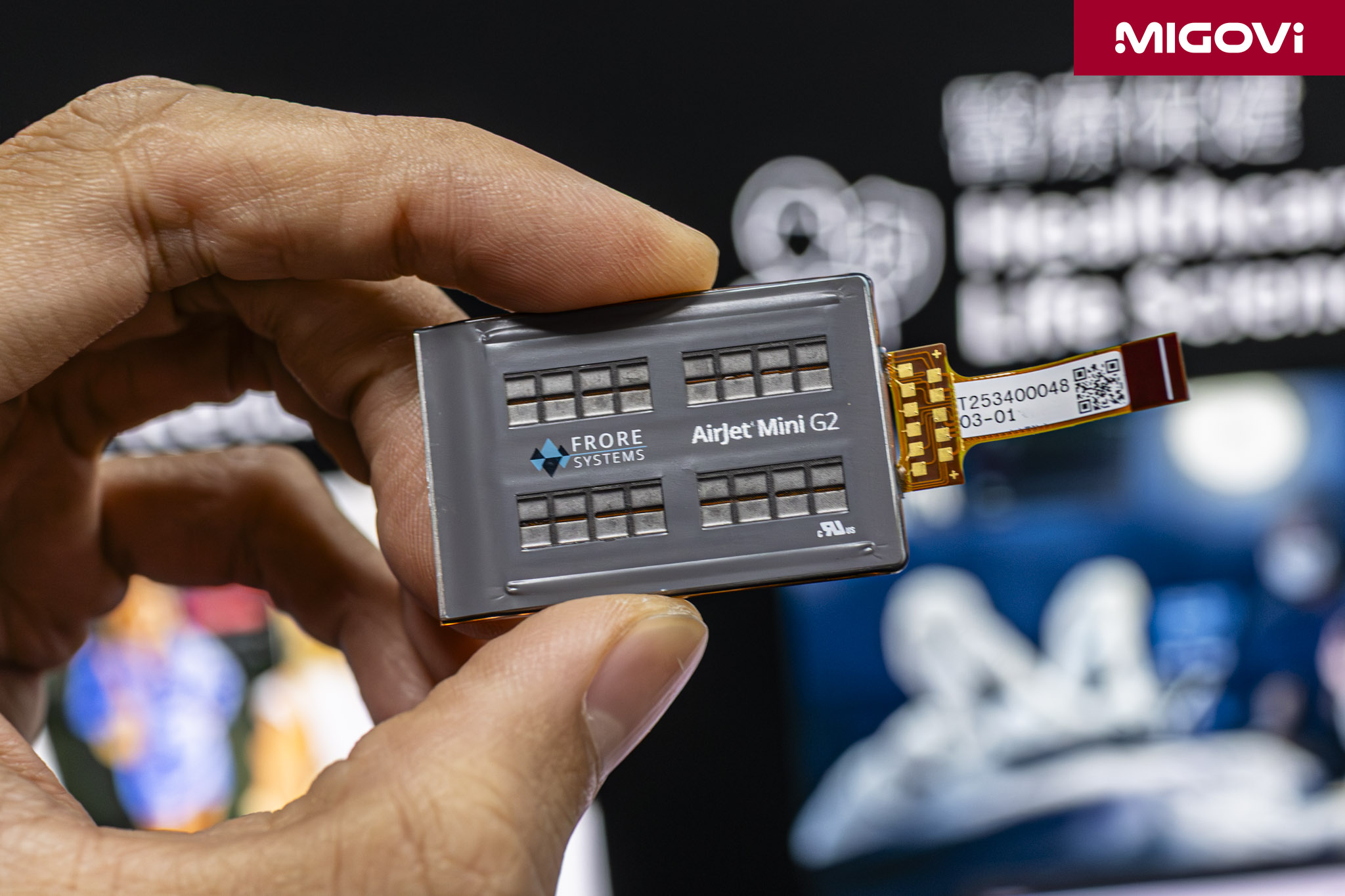
As the world's first commercial solid-state active cooling platform, AirJet features zero moving parts. The underlying technology is a multidisciplinary blend of structural resonance, fluid dynamics, acoustics and electronics.
Piezoelectric dynamics and massive backpressure
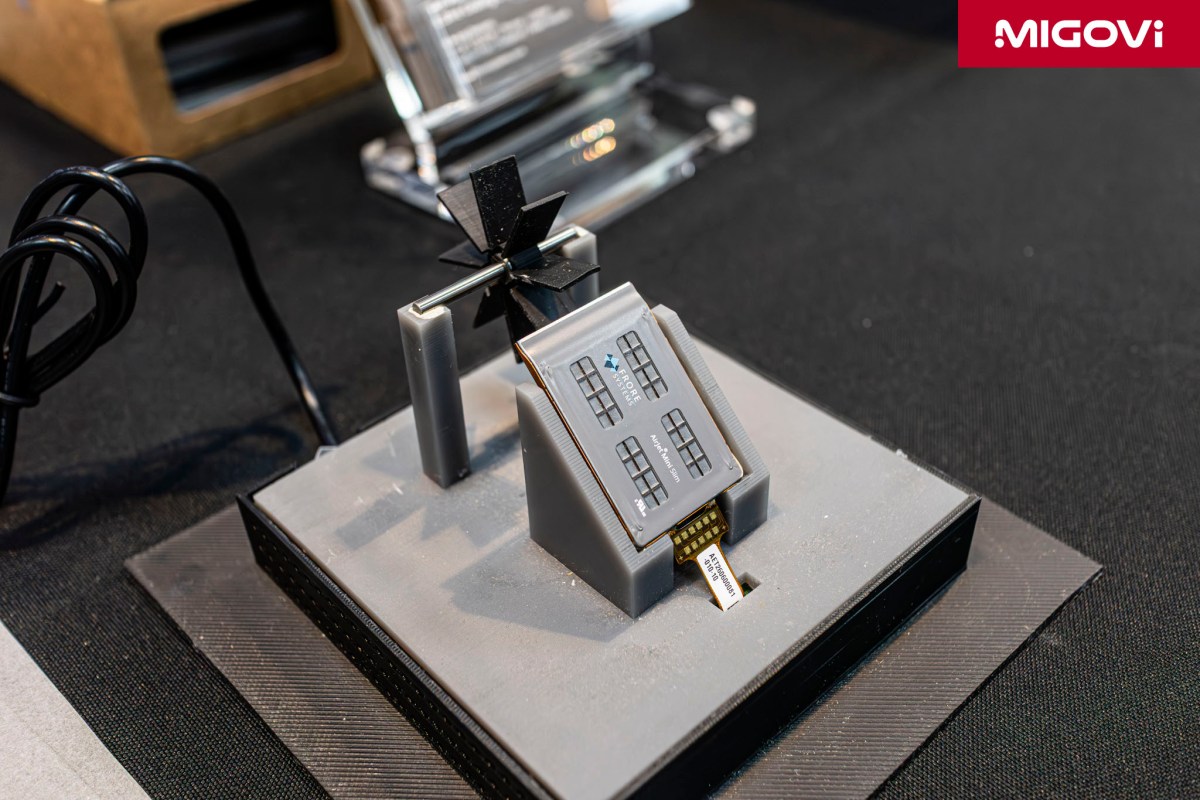
Inside each AirJet module sits an array of Micro-Electromechanical Systems (MEMS) driven by the piezoelectric effect - a principle similar to the one powering printheads in Epson EcoTank printers. When electrical current is applied, ultra-thin internal membranes vibrate at ultrasonic frequencies with amplitudes measured in tens of microns. This rapid oscillation transforms the membranes into microscopic push-pull pumps, generating a powerful vacuum that pulls cool ambient air through intake vents on the top of the AirJet.

The real secret sauce of the AirJet design is its ability to generate massive backpressure. While high-end laptop fans produce modest static pressure, AirJet cranks out up to 1750 Pascals (Pa) - a tenfold increase over mechanical alternatives. This high static pressure solves the ultimate catch-22 of thermal design: system impedance. When engineers try to maximize surface area by packing heatsink fins tighter together, airflow resistance skyrockets. Halving the gap between fins increases air resistance by a staggering 700%. Traditional fans simply lack the muscle to force air through these dense channels, leading to choked airflow. Conversely, AirJet’s 1750 Pa of pressure effortlessly drives air through ultra-dense fin arrays and even water- and dust-resistant membranes (IP53, IP54, IP68 standards) without losing flow rate.
Jet impingement
In traditional air-cooling setups, air flows parallel to the heatsink surface. Due to viscous friction, a stagnant, slow-moving layer of air clings to the metal surface - known as the boundary layer. Since air is a natural thermal insulator, this stagnant boundary layer severely bottlenecks heat transfer from the metal into the moving airstream.
AirJet obliterates this limitation using a mechanism called jet impingement - a technique typically reserved for cooling massive jet engines. Jet impingement forces a high-velocity fluid (gas or liquid) through nozzles to strike a target surface vertically or at a sharp angle, maximizing heat and mass transfer efficiency. Ambient air sucked into the AirJet is compressed into high-velocity micro-jets. These jets blast straight down onto the integrated copper heat spreader at the base at speeds reaching roughly 200 km/h (124 mph). This relentless bombardment occurs thousands of times per second, rupturing the insulating boundary layer and allowing the air to absorb immense amounts of heat from the copper surface. Once thermally saturated, the hot air is routed and exhausted through vents along the edges of the AirJet module.
Thermoception and intelligent self-cleaning
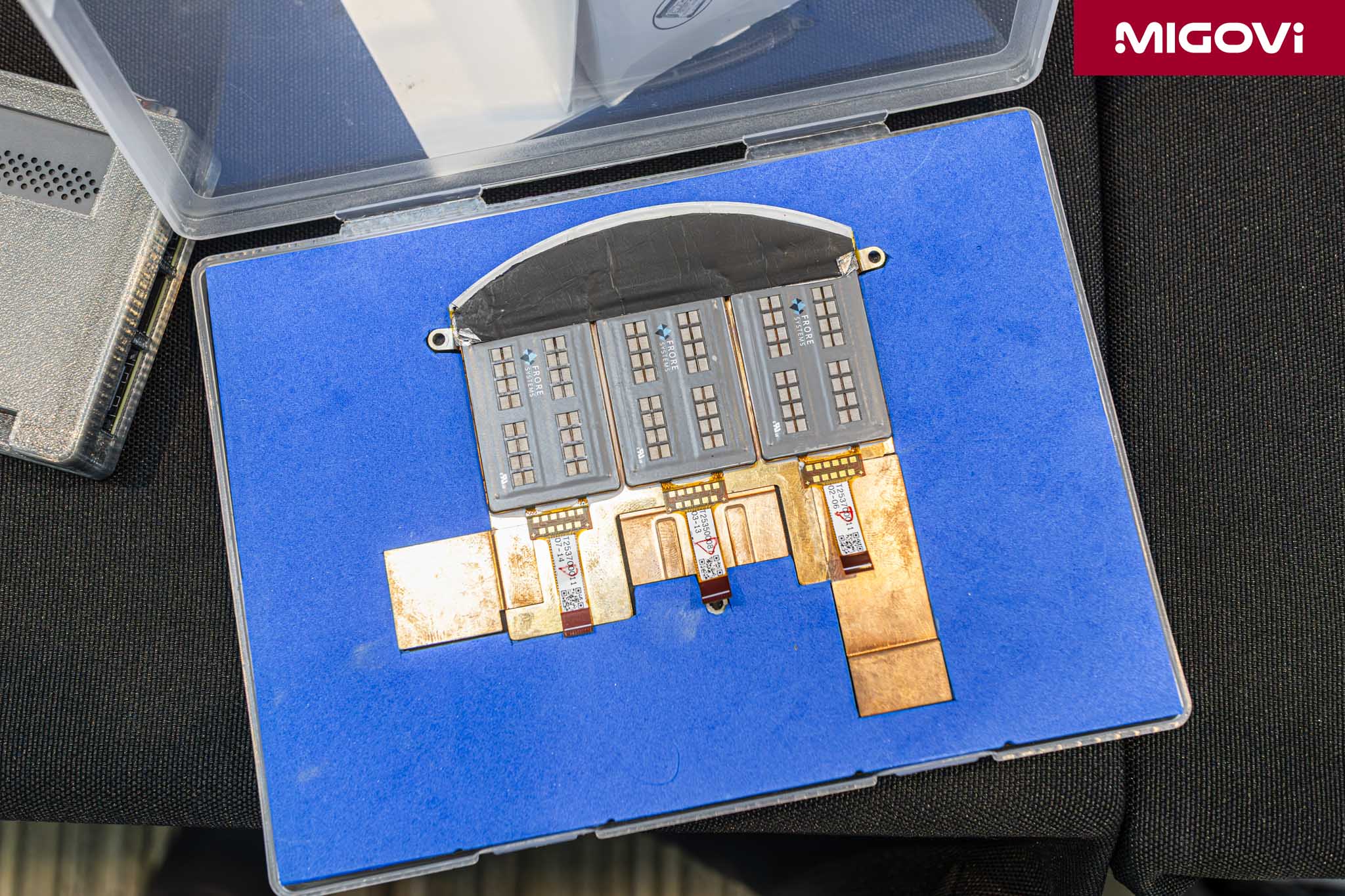
The latest generation of AirJet introduces smart automation capabilities to offload management tasks from the device's motherboard. Chief among these is "Thermoception," an on-module thermal sensing technology that allows the AirJet to gauge its local ambient temperature. Consequently, the module can autonomously adjust its ultrasonic membrane oscillation intensity to optimize cooling performance, independent of the system's host temperature sensors. This is a game-changer for lean edge hardware lacking complex thermal telemetry networks.
Furthermore, its Intelligent Self-Cleaning routine addresses the perennial issue of dust accumulation. Over time, dust buildup chokes standard cooling solutions, causing thermal throttling and performance degradation. Frore Systems solves this by programming the AirJet modules to periodically reverse their airflow. The sudden burst of backpressure blasts accumulated dust out of the intake filters, keeping the system running at peak thermal efficiency.
The AirJet lineup
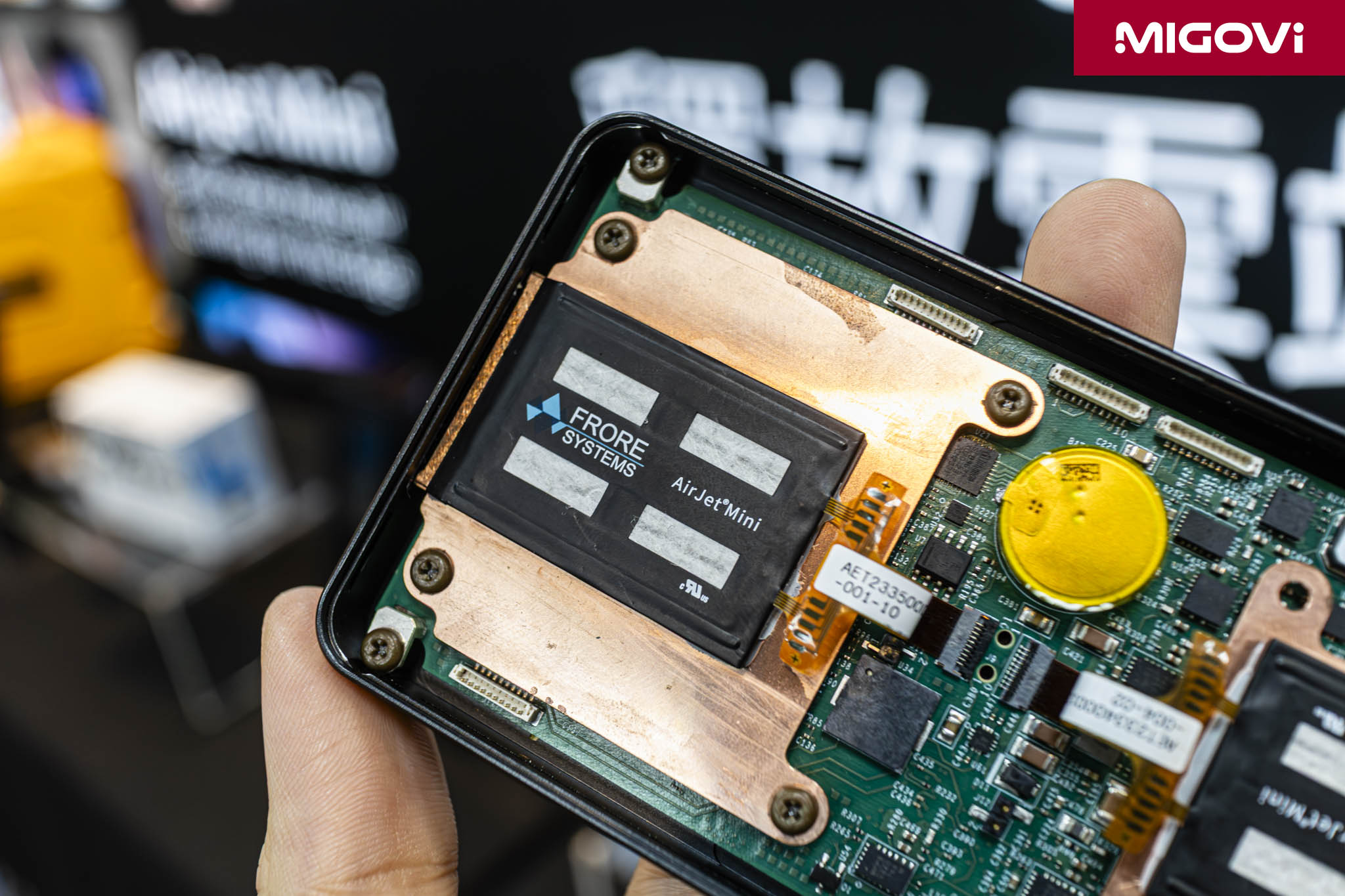
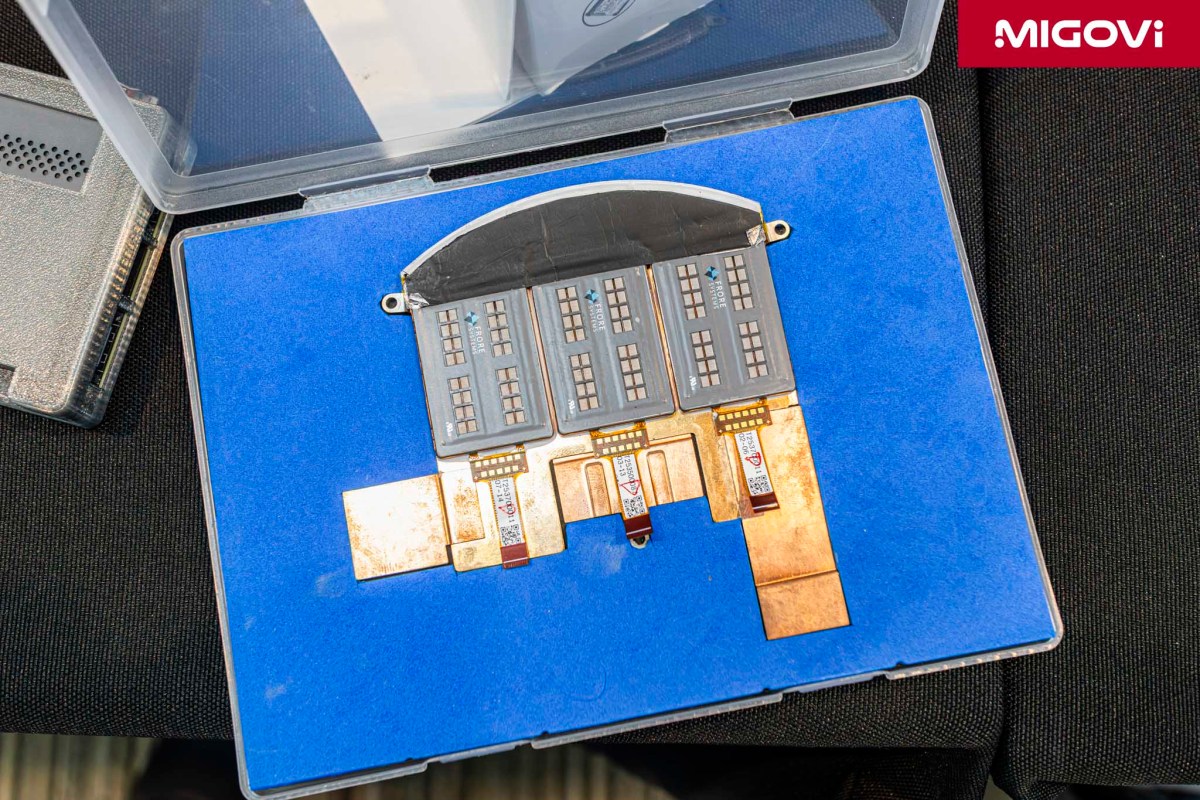
In line with Frore's Law, the AirJet portfolio has undergone iterative upgrades to boost cooling capacity while maintaining (or even shrinking) its physical footprint. The journey began in 2023 with the AirJet Mini and AirJet Pro. The original AirJet Mini measures just 2.8 mm thick, weighs 9 grams and boasts a maximum heat removal capacity of 5.25 W. In real-world testing against an 85°C silicon die, a single AirJet Mini dissipated 4.25 W of heat while drawing a mere 1 W of power and emitting a whisper-quiet 21 dBA of noise. For perspective, a fanless, passively cooled 11 mm-thin 13-inch laptop is typically hard-capped at a 10 W thermal limit. Swapping in four AirJet Mini modules allows that same chassis to handle a sustained 20 W workload at an audible profile of just 27 dBA - effectively doubling the processor's performance runway.
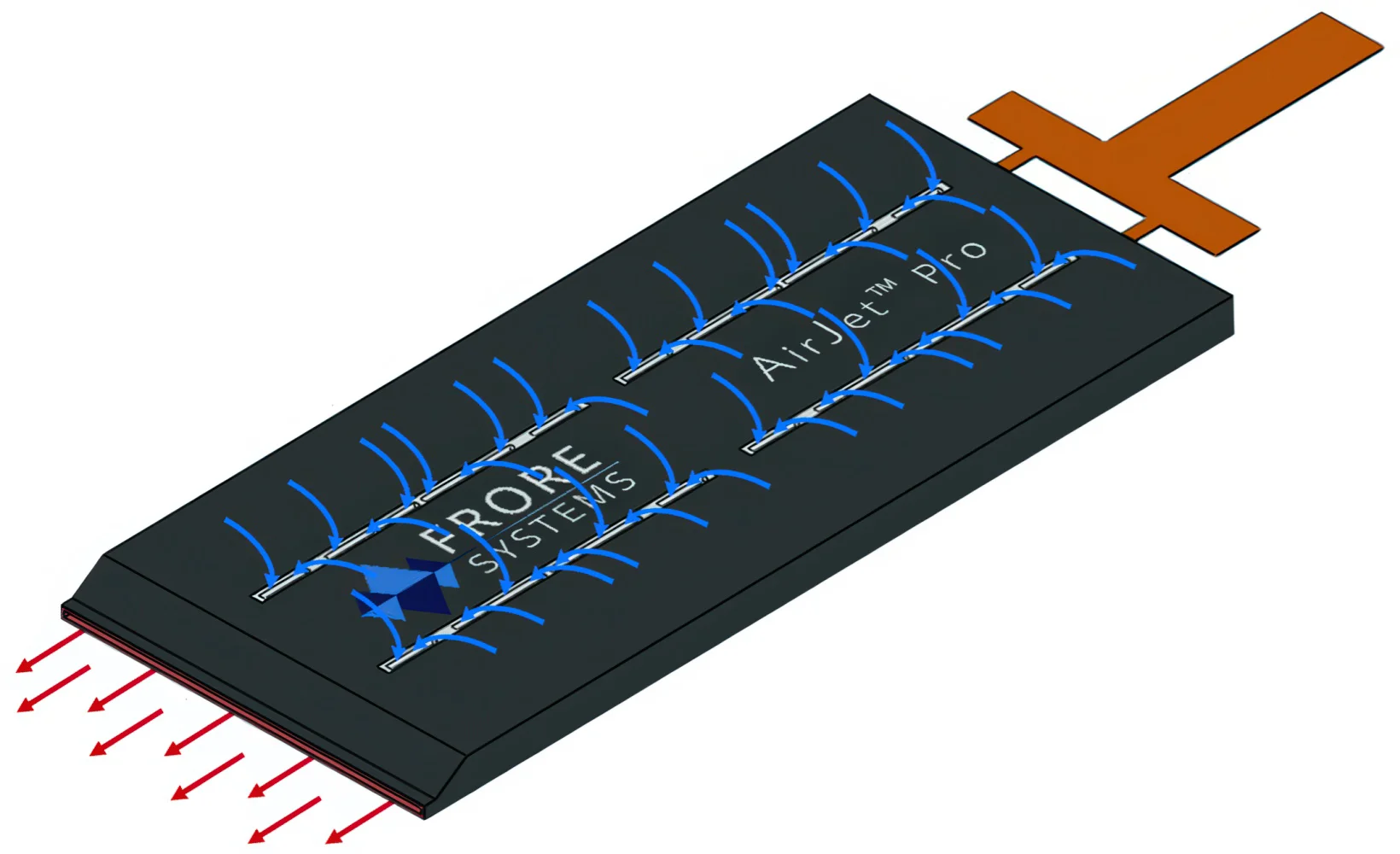
The larger AirJet Pro doubles the footprint, offering a 10.5 W cooling capacity for 1.75 W of power draw. While both the Mini and Pro operate with whisper-quiet acoustic profiles, registering at 21 dBA and 24 dBA respectively, the AirJet Pro has since been discontinued. For slimmer form factors like tablets or foldables, Frore Systems engineered the AirJet Mini Slim. This variant trims thickness by another 0.3 mm down to a razor-thin 2.5 mm and sheds a gram of weight (8 grams total) while preserving the same 5.25 W thermal capacity and 1750 Pa of backpressure.

The AirJet Mini Sport is a specialized variant built for outdoor environments and ruggedized gear. Sealing the entire module inside an isolating capsule, it achieves an IP68 dust- and water-resistance rating. As a result, the Sport model can chug along normally even when submerged in 1.5 meters of water for 30 minutes, maintaining thermal performance parity with the standard version. That said, the AirJet Mini Sport has yet to officially hit the market.
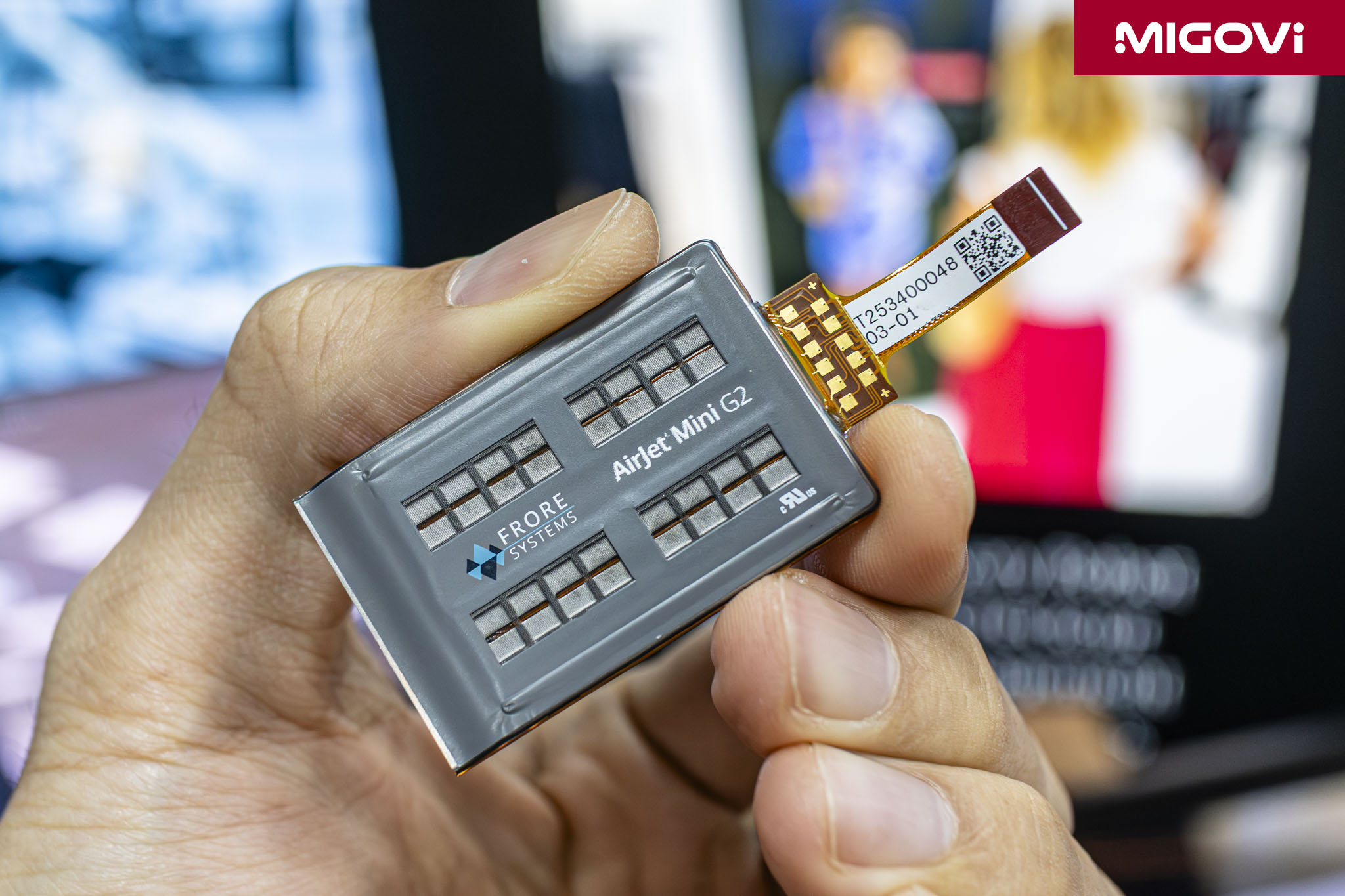
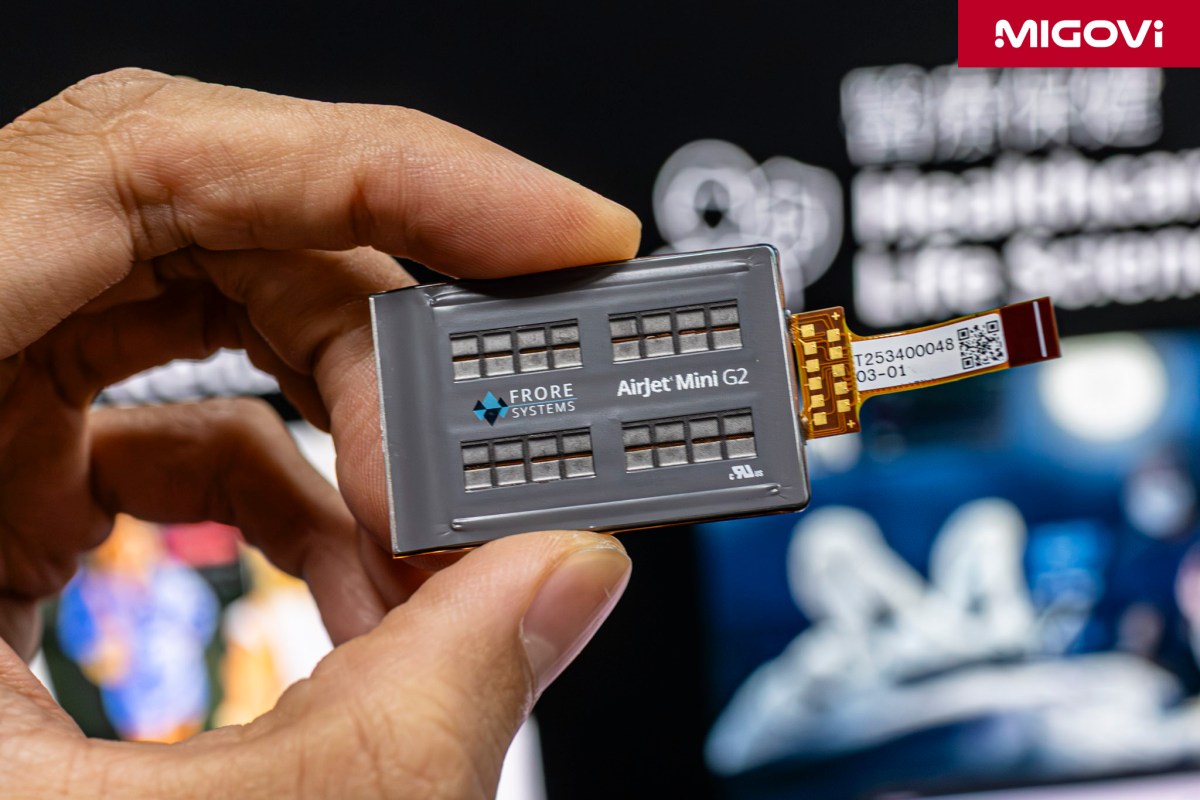
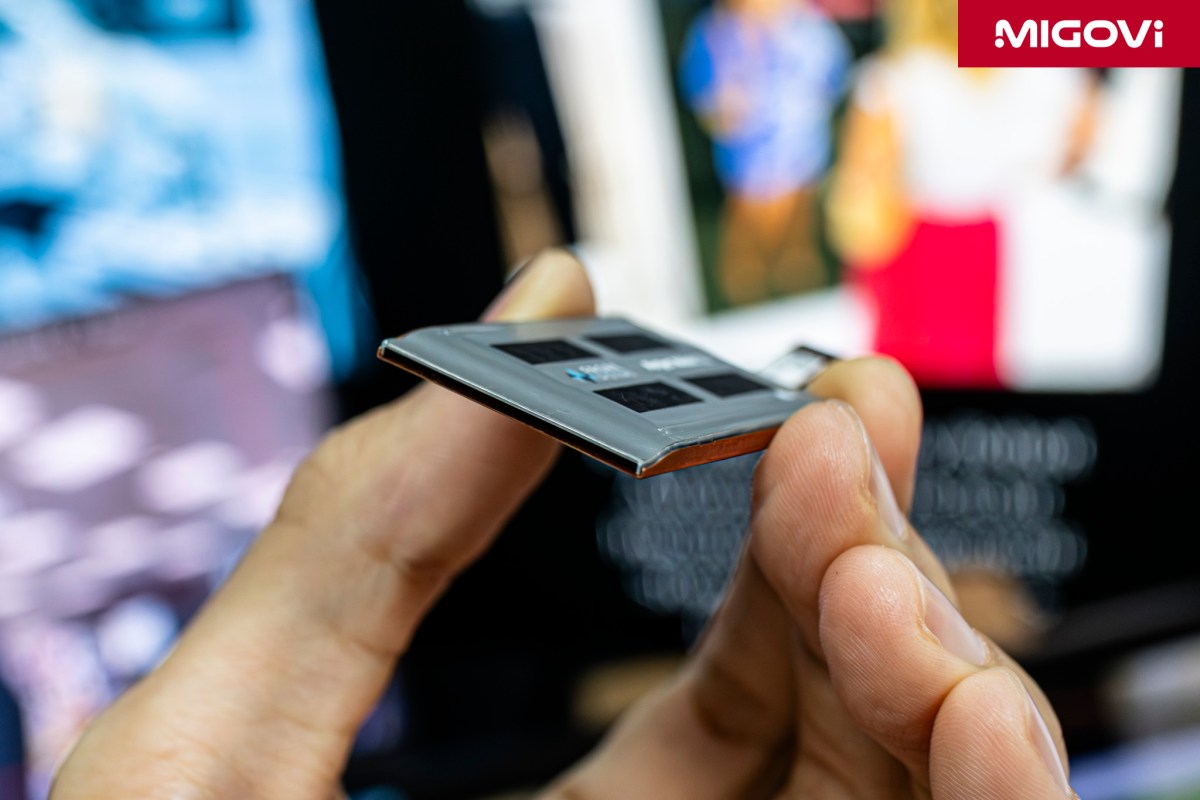
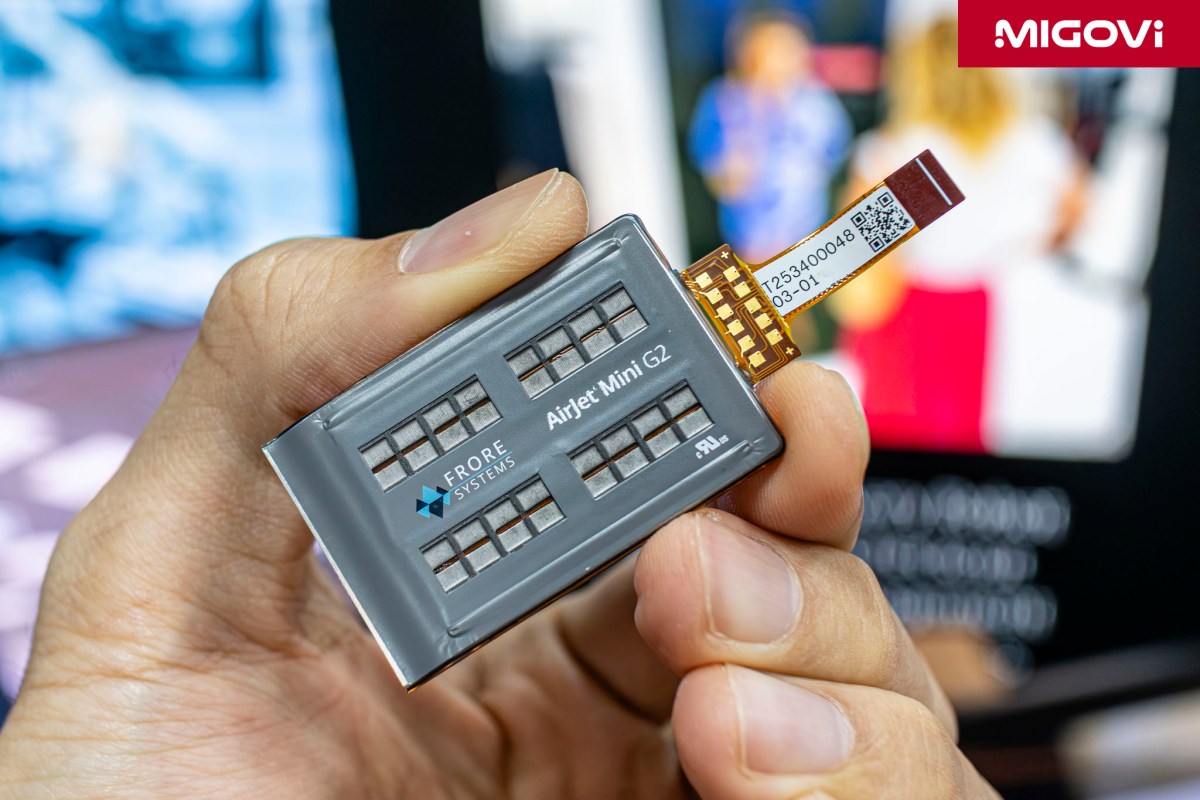
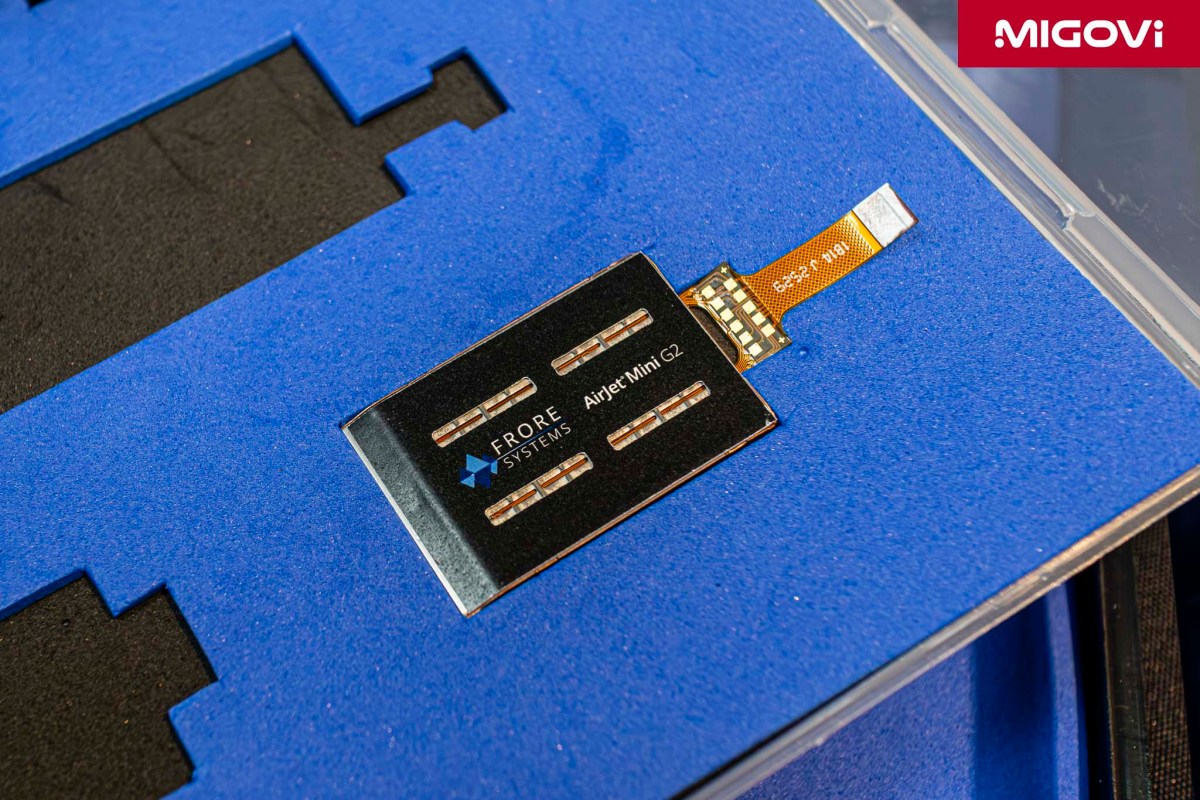
At COMPUTEX 2026, Frore Systems showcased the next-generation AirJet Mini G2 (previously introduced). By refining internal fluid dynamics and upgrading the vibrating membrane materials, the manufacturer bumped cooling capacity up to 7.5 W - a massive 50% performance leap over the first generation that aligns perfectly with Frore's Law. Impressively, the AirJet Mini G2 retains the original Mini's compact footprint, ensuring drop-in compatibility for seamless upgrades or replacements. The G2 measures 2.65 mm thin, weighs only 7 grams, holds the line at 21 dBA and draws 1.2 W of power (a minor 0.2 W bump over its predecessor). For now, the AirJet Mini and AirJet Mini G2 serve as the core mainstays of Frore Systems' current product portfolio.
AirJet PAK for Edge AI deployments
As Edge AI scales out into real-world deployments - powering computer vision, autonomous robotics and smart traffic management systems - sustained cooling becomes paramount. Unlike consumer hardware like laptops, which only need brief bursts of peak performance, Edge AI systems run inference models 24/7. This continuous thermal load triggers severe thermal throttling under passive cooling, tanking processing throughput. However, turning to mechanical fans introduces mechanical failure points via bearing wear, especially in harsh, dusty, or humid deployment environments.

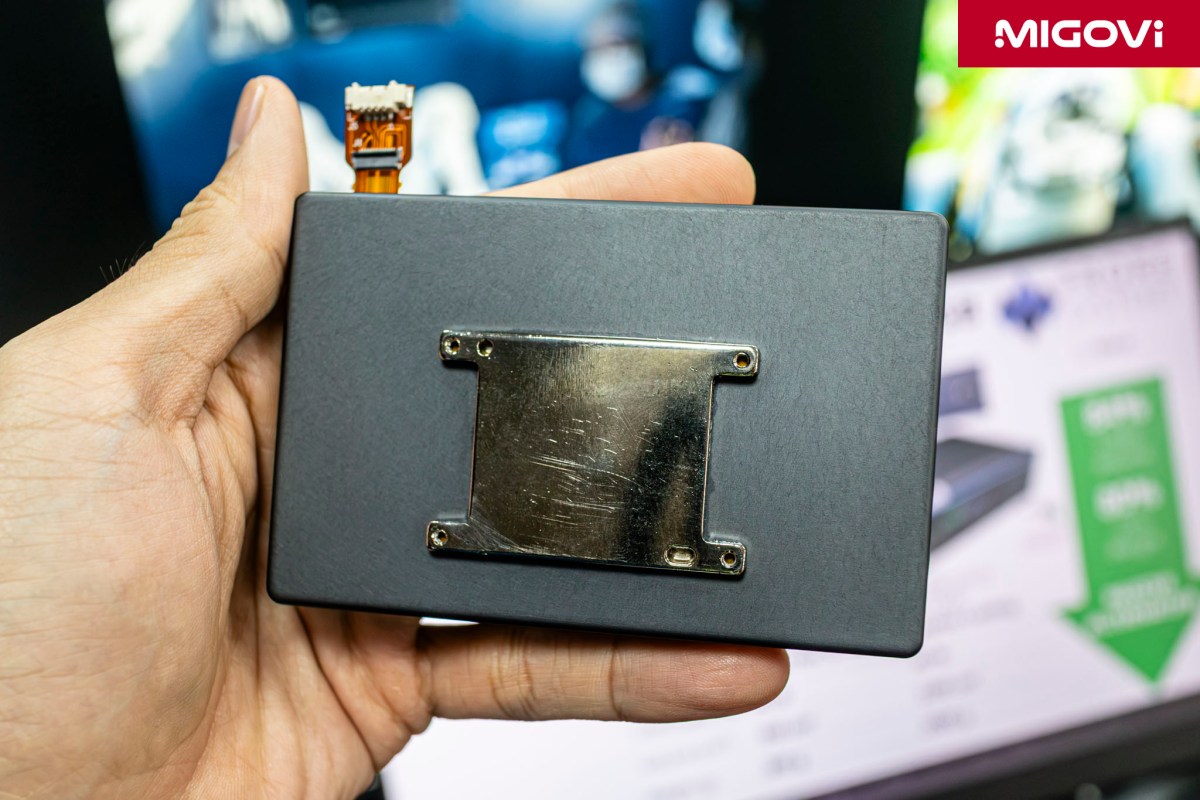
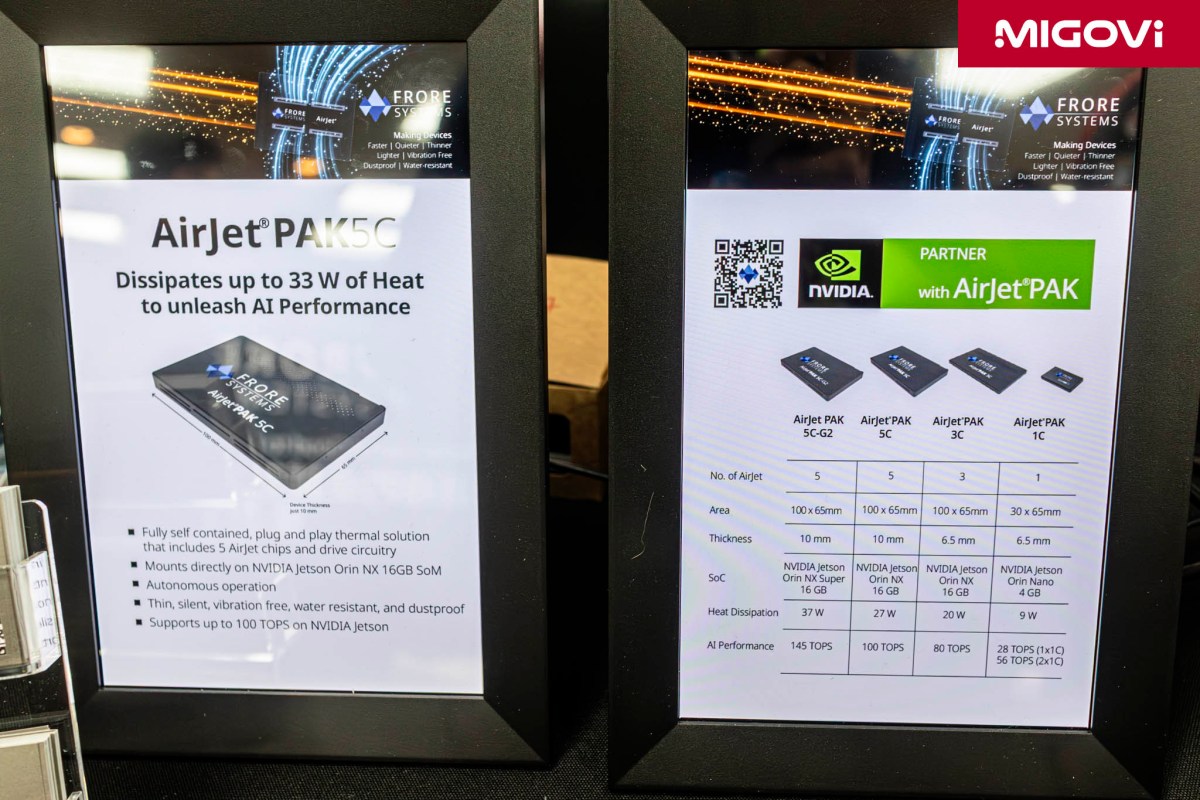
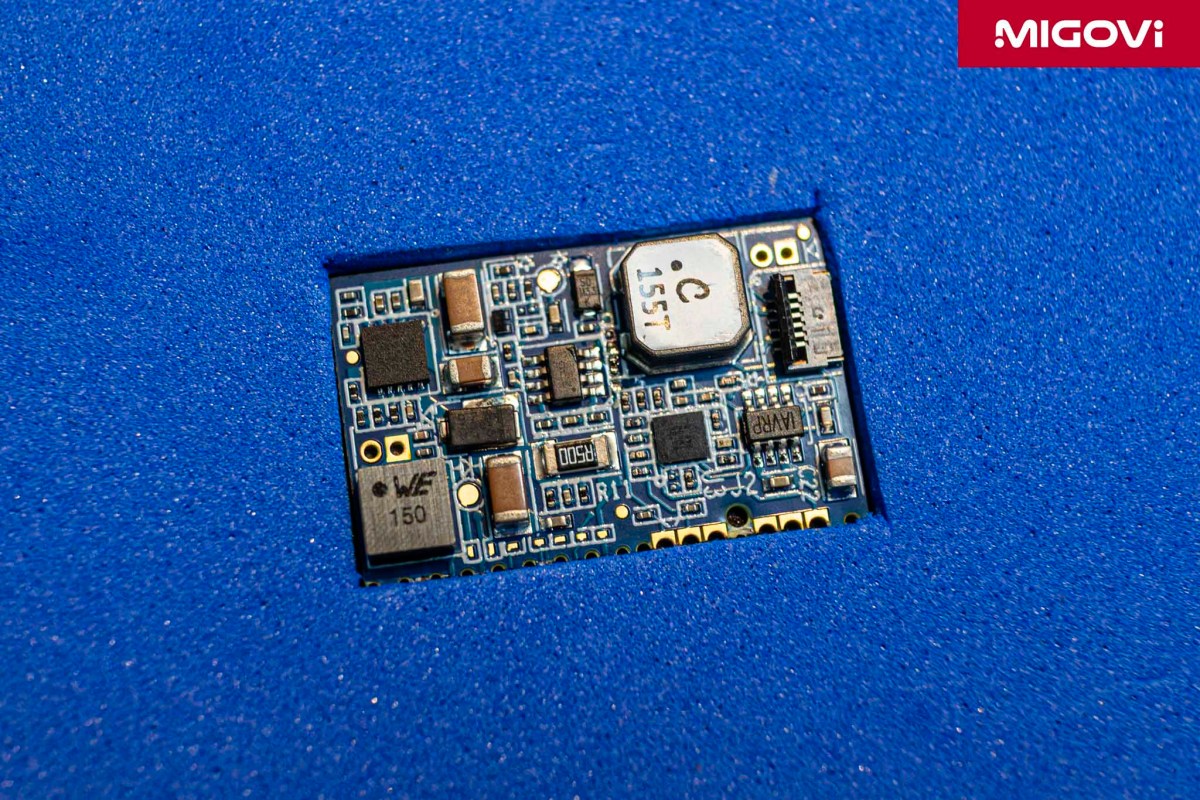
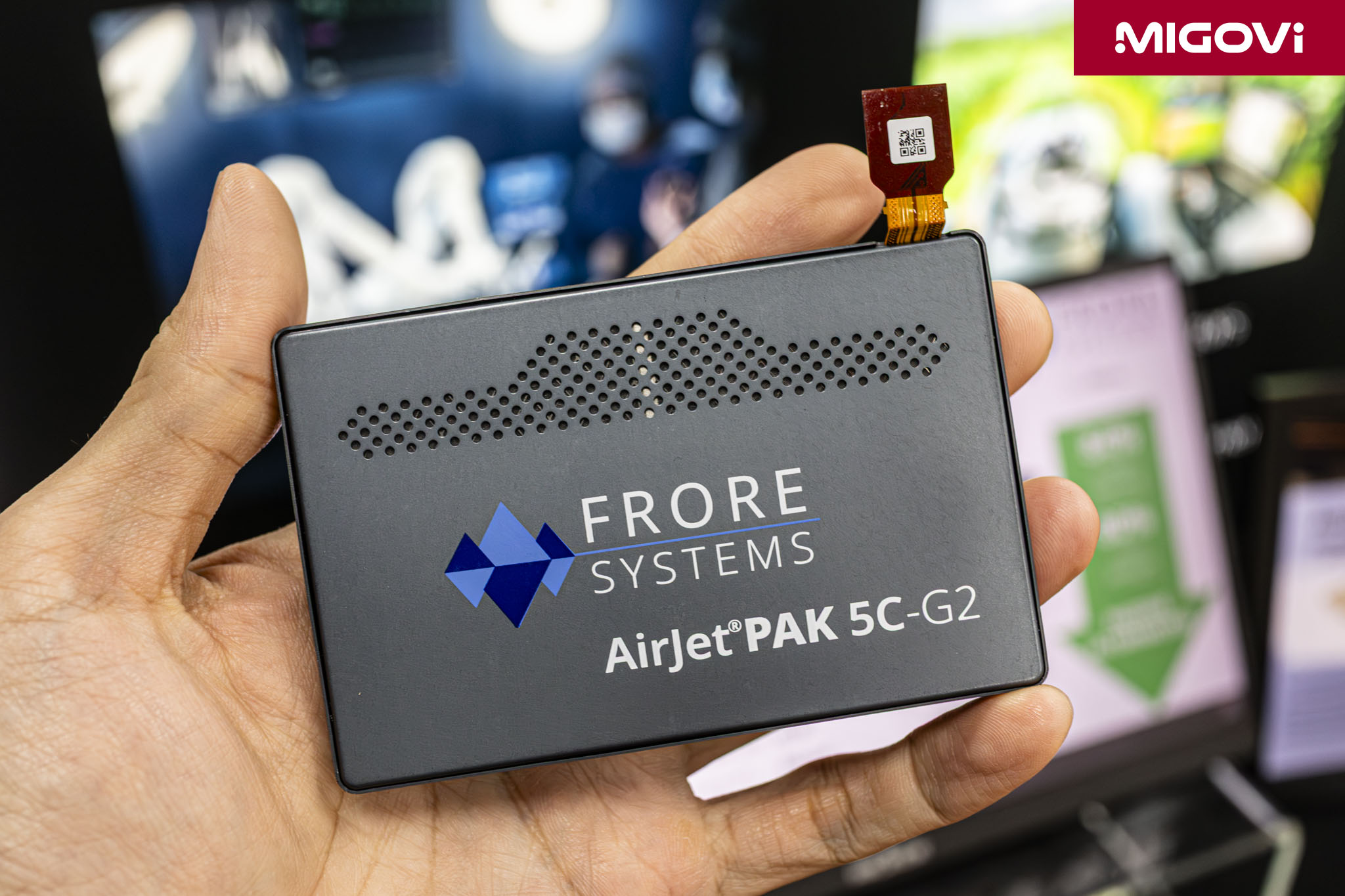
To circumvent this, Frore Systems has bundled multiple AirJet modules into self-contained, plug-and-play enclosures dubbed the AirJet PAK platform. Available in several form factors, each AirJet PAK integrates internal drive circuitry, a cluster of AirJet modules and a copper coldplate. Designed to mount directly onto System-on-Modules (SoMs), it dramatically simplifies integration. The PAK draws power directly from the host motherboard via a standard 4-pin Molex PicoBlade cable. Leveraging its 1750 Pa backpressure ceiling, the PAK pulls air through dust-resistant (IP53/IP54) filters integrated into the chassis cover and exhausts waste heat out the side vents.

The AirJet PAK lineup scales based on the number of onboard modules, mapped to the thermal requirements of industrial silicon. The entry-level AirJet PAK 1C houses a single AirJet module, measuring 5.8 mm to 6.5 mm thick and weighing 16.5 grams. Drawing 1.3 W, it dissipates 9 W of heat at a silent 21 dBA. This configuration is optimized for ~28 TOPS (Tera Operations Per Second) SoMs, such as the NVIDIA Jetson Orin Nano 4GB or the AMD Kria KV260.
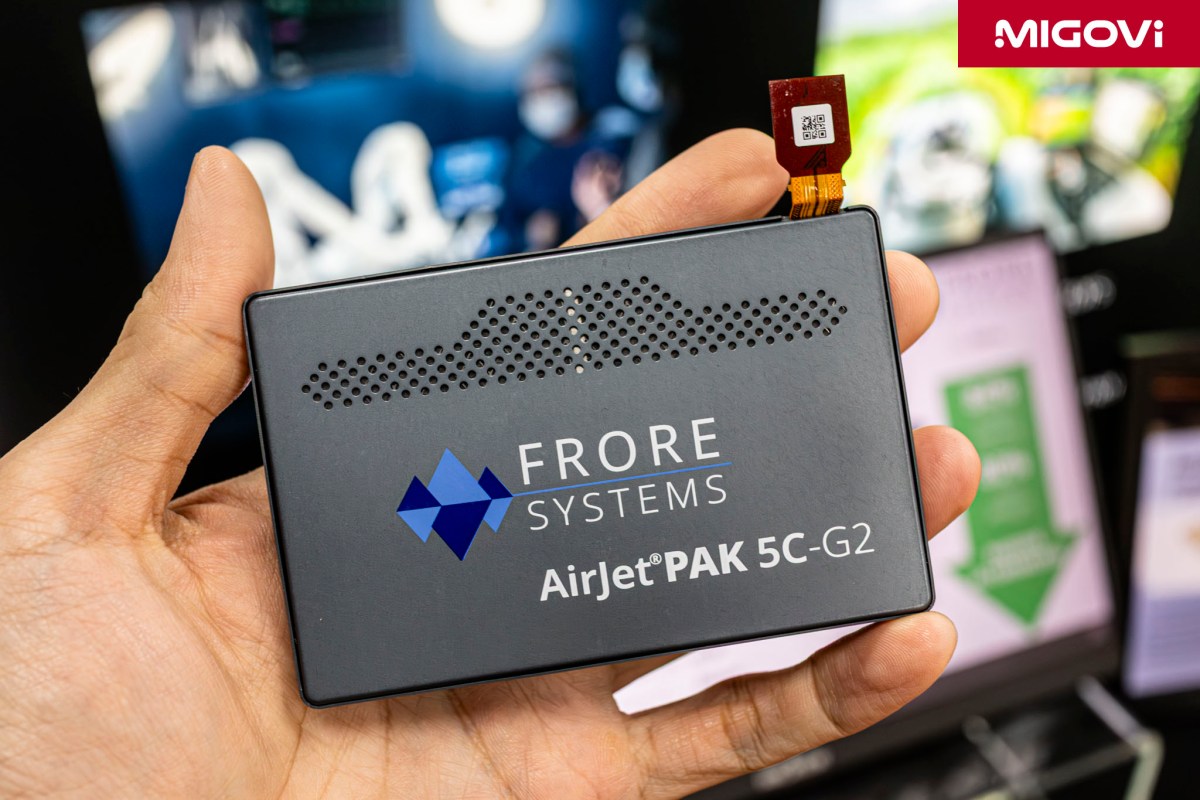
For the mid-tier, the AirJet PAK 3C packs three modules to dissipate up to 24 W of heat while drawing 4 W of power—perfect for ~80 TOPS edge hardware. Heavy-duty inference tasks pushing 100 TOPS are handled by the AirJet PAK 5C. Housing five modules in a 100 x 65 x 10 mm enclosure weighing 101 grams, the 5C handles a 34 W to 35 W thermal load. Under full load, it tops out at 29 dBA while drawing 6.5 W. Prime use cases include the NVIDIA Jetson Orin NX and AMD Versal VEK280.
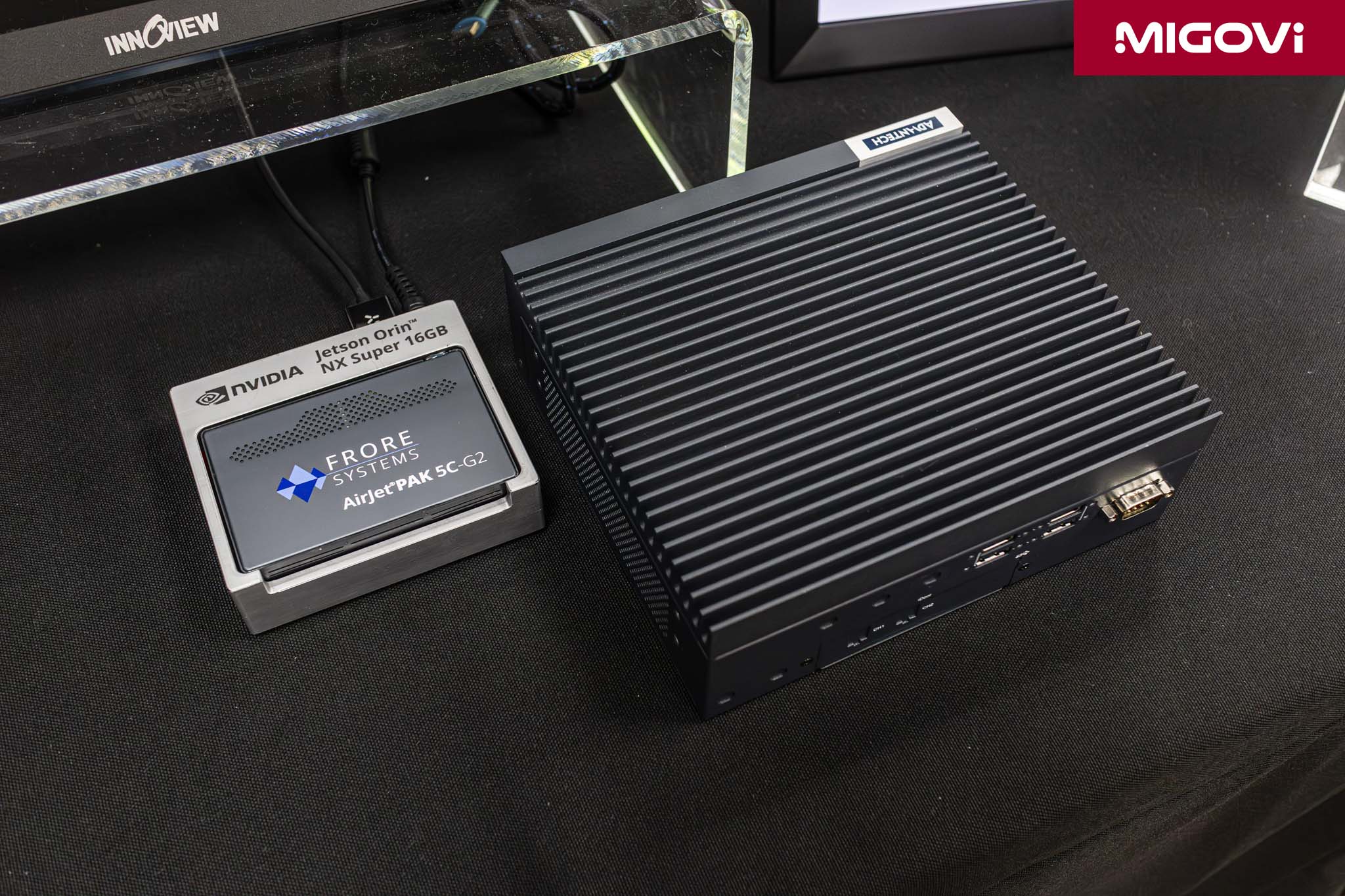
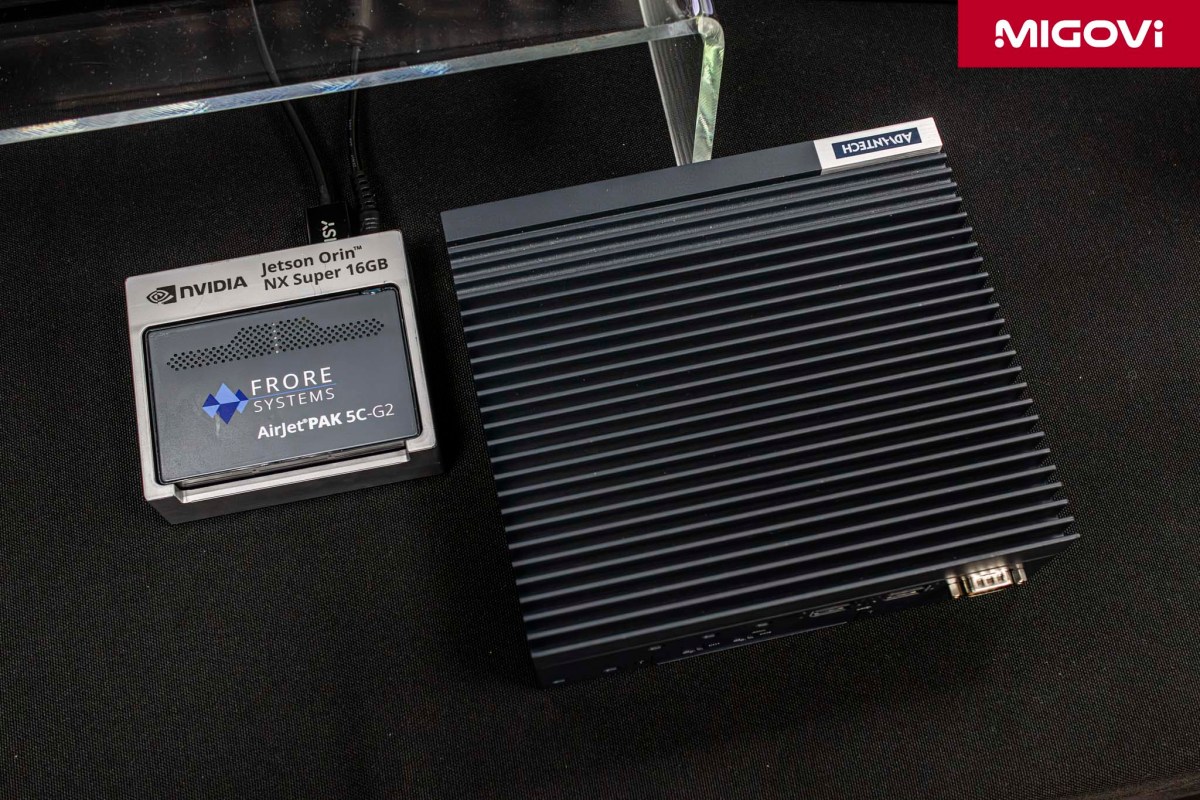
For cutting-edge deployments like the ~185 TOPS NVIDIA Jetson Orin NX Super, Frore fields the AirJet PAK 5C G2 (loaded with five AirJet Mini G2 modules). This powerhouse can extract up to 45 W of heat while maintaining the exact same 100 x 65 x 10 mm envelope and keeping noise levels under a whisper-quiet 27 dBA.
LiquidJet for the data center
While AirJet conquers the mobile and edge landscape, Frore Systems targets AI data centers with its LiquidJet platform. As accelerator thermal profiles swell - with NVIDIA's Blackwell pulling a 1400W TDP and the upcoming Rubin architecture hitting 1950W, not to mention future Rubin Ultra or Feynman roadmaps projected to breach the 3600W to 4400W barrier - hotspot thermal density is reaching critical levels. Standard 2D skived-microchannel coldplates simply can't keep up.
Applying semiconductor lithography to coldplates

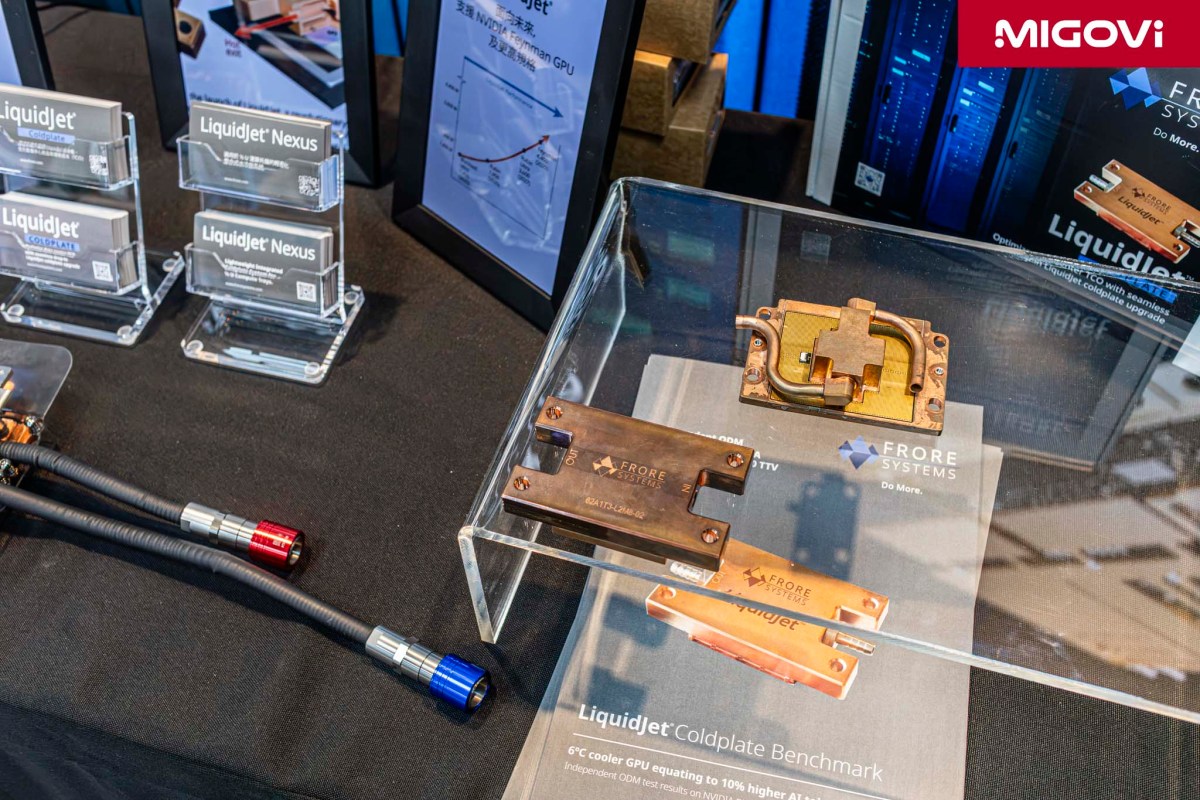
The fatal flaw of traditional CNC-machined copper coldplates is the long fluid path through restrictive 2D microchannels. This extended travel path causes a significant hydraulic pressure drop, slowing fluid velocity and heating the coolant prematurely before it completes its loop, which yields uneven surface temperatures. Instead of iterating on physical milling bits, Frore Systems borrows a page from the semiconductor fabrication playbook. The fabrication of LiquidJet blocks relies on maskset generation, photolithography, chemical etching and wafer-level bonding directly onto metallic substrates (typically copper alloys).
This sub-micron fabrication precision yields a thermal architecture featuring 3D hybrid cells and 3D short-loop jet-channel microstructures custom-tailored to the specific thermal maps of individual GPU dies. This multistage cooling architecture bifurcates fluid flow, prioritizing the delivery of chilled, unheated liquid directly to the processor's most intense hotspots before routing the fluid outward to cool peripheral components like HBM stacks.
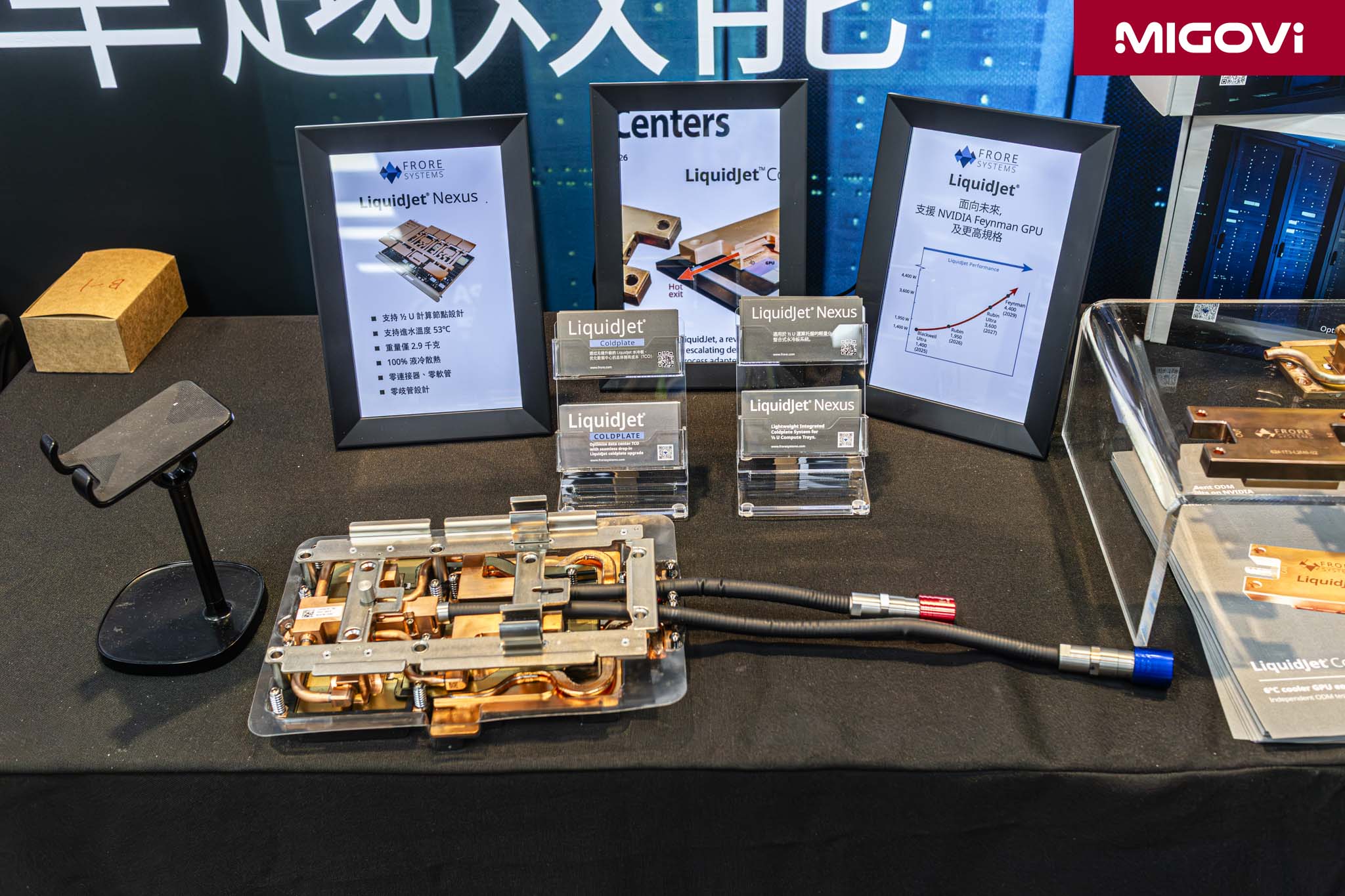
With this optimized fluid delivery, LiquidJet can dissipate localized hotspot densities up to 600 W/cm² (at a 40°C fluid inlet temperature) - double the industry baseline. Hydraulic resistance drops fourfold, reducing system pressure drop from a restrictive 0.94 psi to a breezy 0.24 psi. Internal testing on an NVIDIA Blackwell Ultra platform at a flow rate of 2.1 L/min demonstrated that LiquidJet knocked maximum die temperatures down to 67.6°C. That is 7.7°C cooler than top-tier microchannel coldplates which sit at 75.3°C. Simultaneously, the block's mass was cut in half, dropping from 550 grams to 260 grams. This tighter thermal delta translates directly to silicon performance, netting a 4% to 10% boost in AI token generation speeds.
LiquidJet Nexus
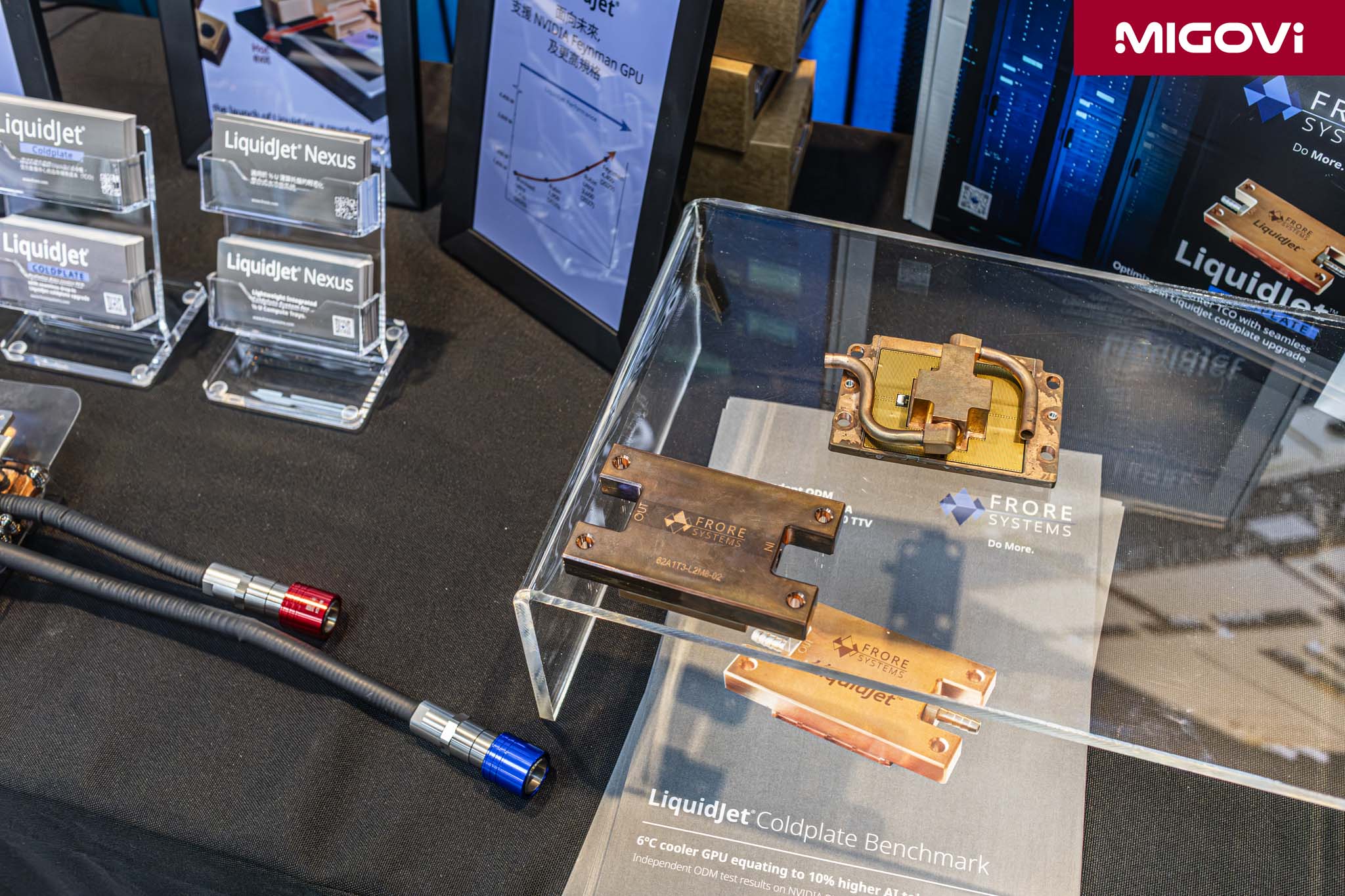
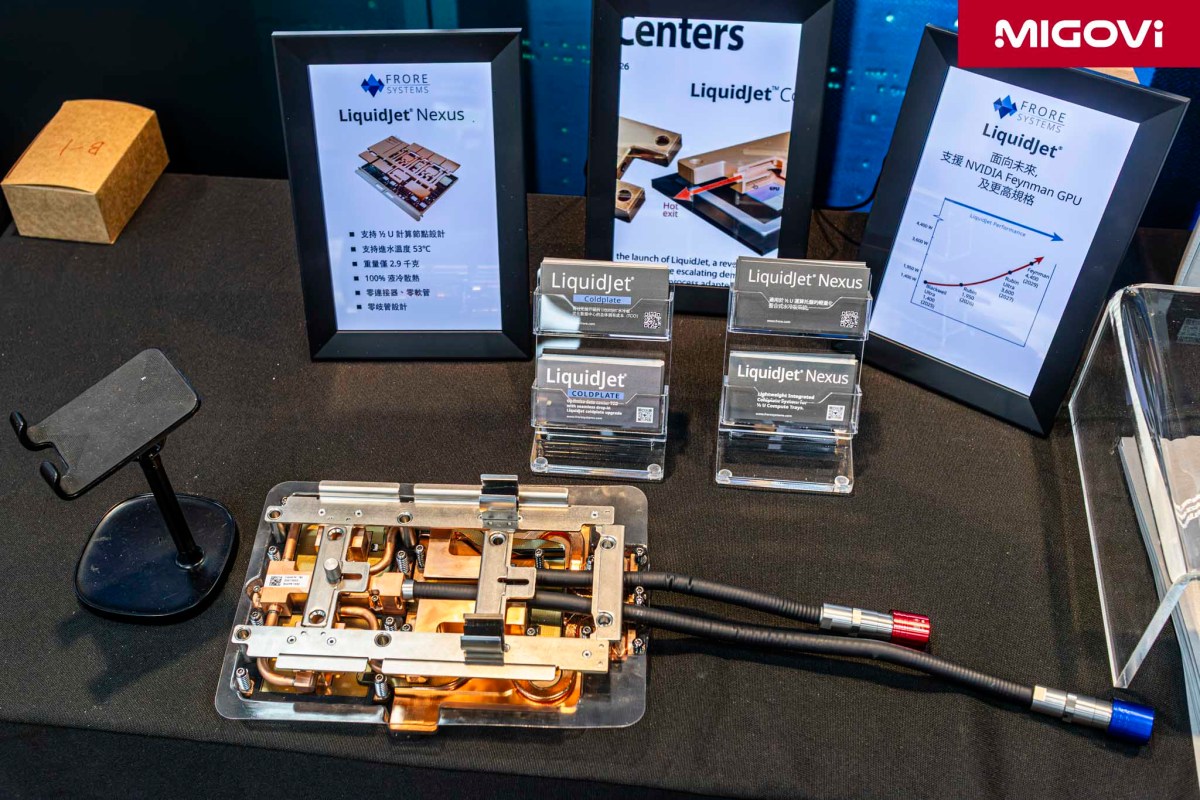
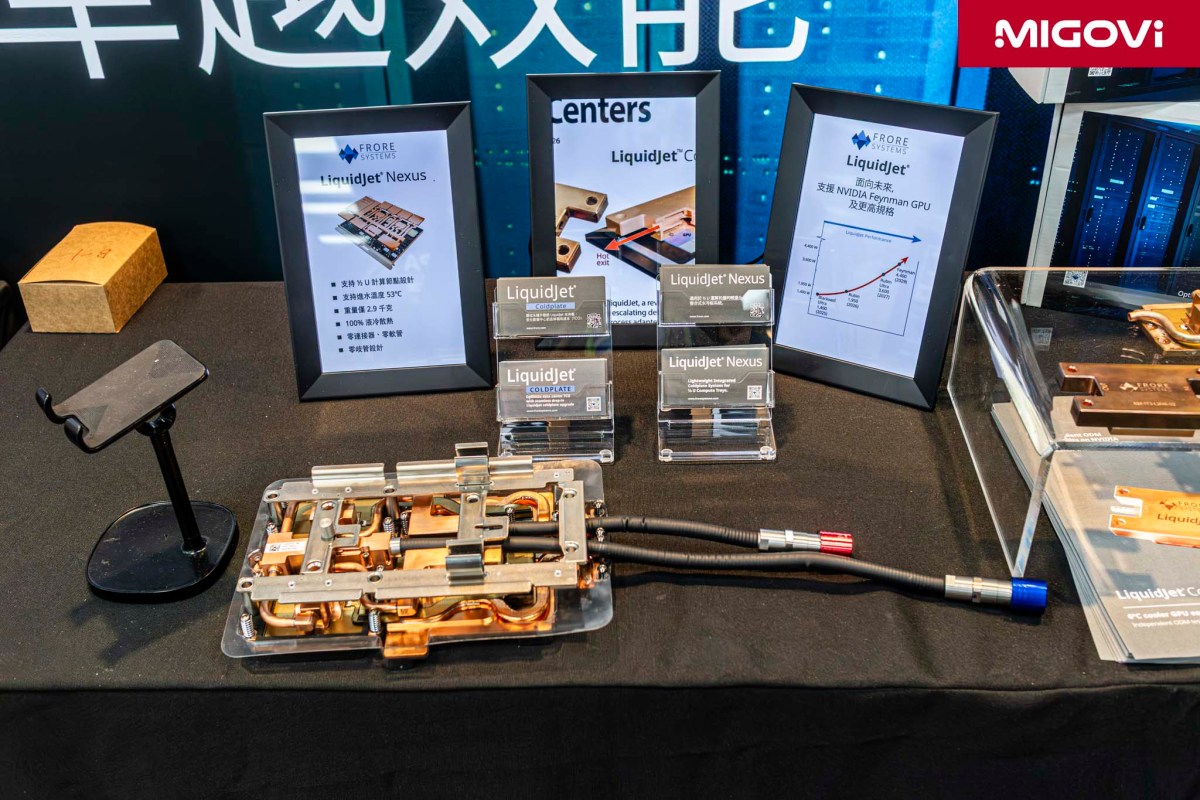
In high-density server deployments, the sheer complexity of plumbing and manifolds inside each compute tray chokes airflow and escalates the risk of catastrophic coolant leaks. Enter LiquidJet Nexus, a monolithic solution designed to sweep away this complexity. Rather than using discrete blocks for each individual piece of silicon, LiquidJet Nexus consolidates the entire thermal loop into a specialized, ultra-lightweight coldplate tailored for high-density ½U server sleds (akin to the NVIDIA Kyber architecture). Within a single monolithic footprint, Nexus concurrently cools two GPUs, a host CPU, DPUs, NICs and the associated DC-DC voltage regulator modules (VRMs).
The monolithic architecture deletes all intra-tray tubing and fittings, stripping up to 65% off the system's thermal mass (dropping it down to roughly 2.5 kg). By boosting thermal transfer efficiency by 75%, LiquidJet Nexus allows facilities to run extremely warm facility water - boasting a maximum inlet temperature of 53°C. This eliminates the need for power-hungry mechanical chillers entirely, slashing facilities-level infrastructure power draw by 10% and optimizing Power Usage Effectiveness (PUE). Furthermore, the streamlined ½U form factor effectively doubles compute density per standard rack.
Real-world applications
The first commercialized proof-of-concept for this technology arrived via the ZOTAC ZBOX pico PI430AJ Mini PC. Occupying a minuscule 0.21-liter volume - roughly the size of a thick deck of playing cards - the PI430AJ packs full PC specifications: an 8-core, 8-thread Intel Core i3-N300 processor, 8 GB of LPDDR5 RAM and an M.2 NVMe PCIe 3.0 SSD. Armed with dual AirJet Mini modules to maintain a 10 W thermal envelope, the ZBOX pico runs at full tilt while completely eradicating the annoying whine and vibrations typical of traditional fan-cooled mini-PCs.
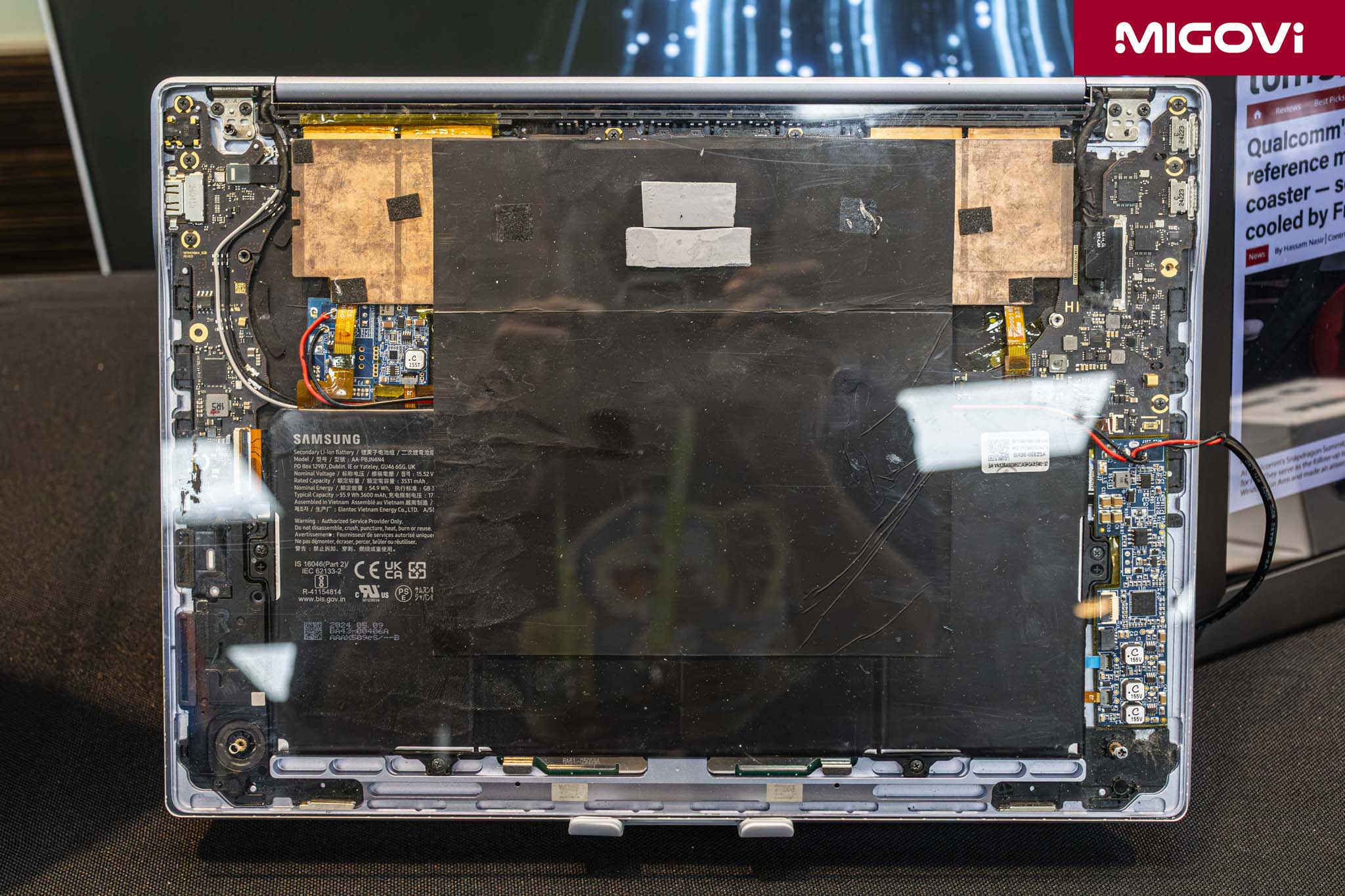
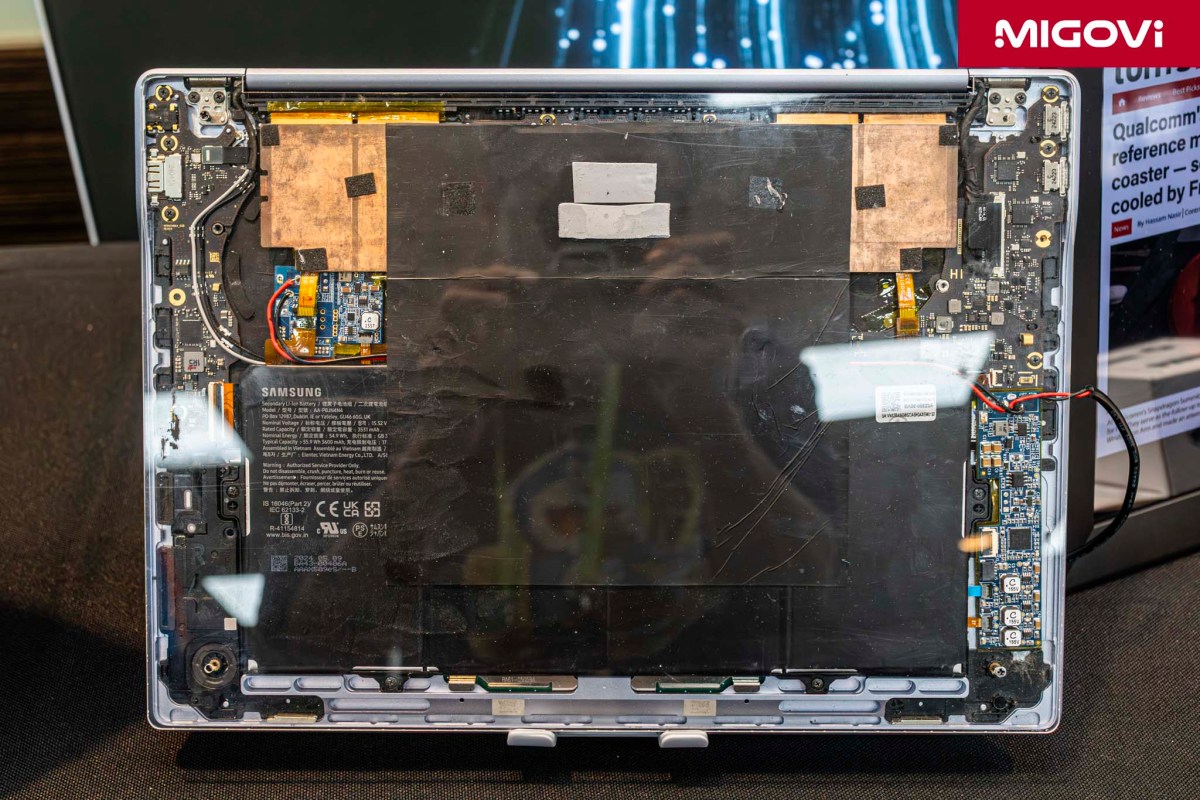
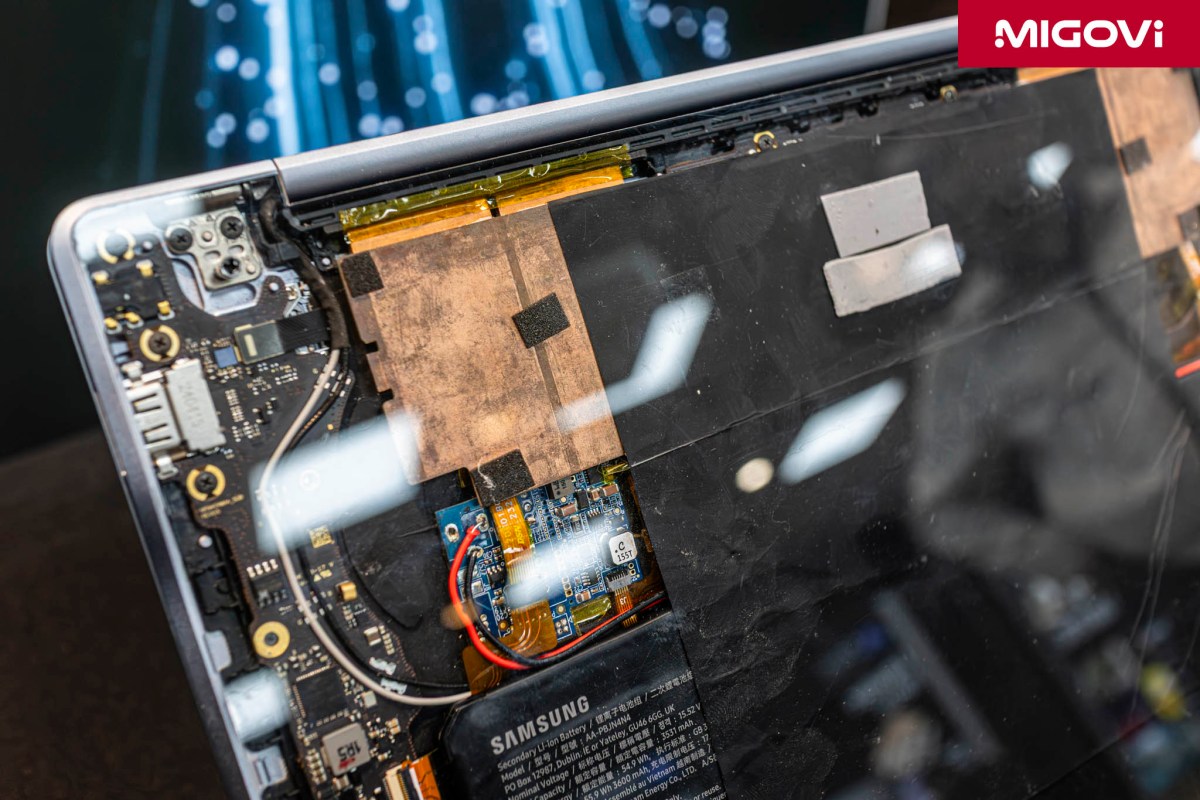
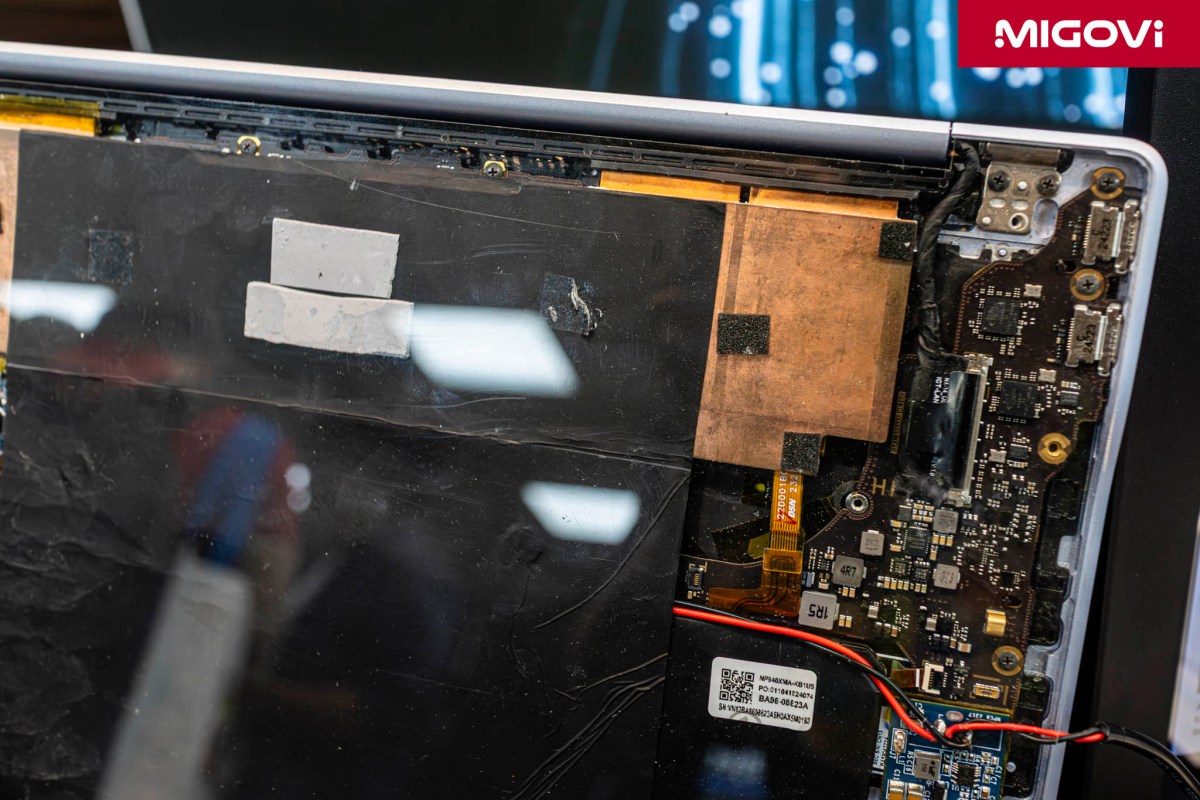
In the laptop arena, Qualcomm has cooked up an ultra-thin 2-in-1 reference design powered by its Snapdragon X2 Elite processor, flanked by three to four AirJet Mini G2 modules. While a passive, fanless chassis usually caps a CPU at a meager 12 W power envelope, deploying four AirJet Mini G2 modules raises the ceiling to a sustained 24 W - a 100% performance scaling runway - while keeping acoustics under 27 dBA. Intel is also experimenting with the tech, pairing a vapor chamber with AirJet modules on a Wildcat Lake testbed to sustain a continuous 15 W PL1 and a 30 W PL2 state.

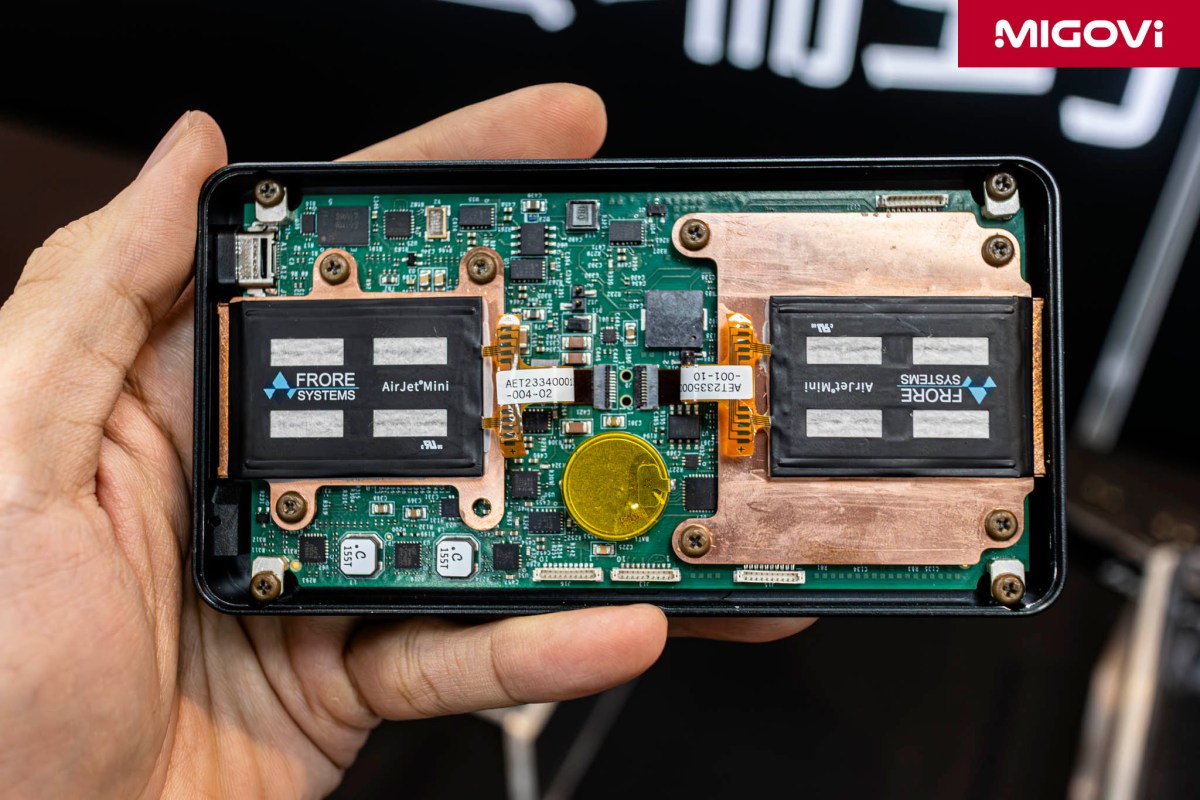
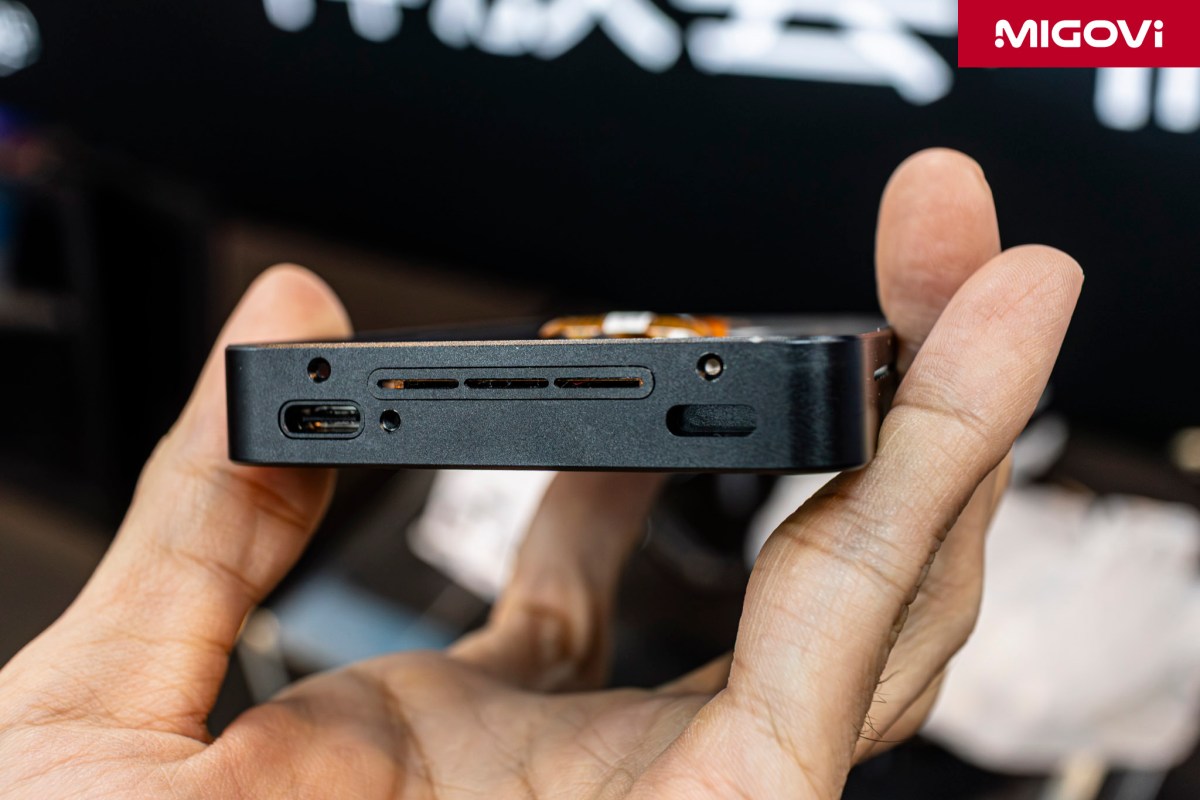
Over at Frore Systems' booth at COMPUTEX 2026, the company also showcased a portable SSD enclosure actively chilled by two AirJet Mini modules. Utilizing a Thunderbolt 4 interface capable of blistering throughput close to 4000 MB/s, standard external M.2 SSDs are notoriously prone to severe thermal throttling. By spending a combined 2.4 W of power, the twin AirJet Minis continuously dissipate over 10 W of thermal output, keeping noise to a minimum and ensuring unthrottled, sustained line-rate data transfers.