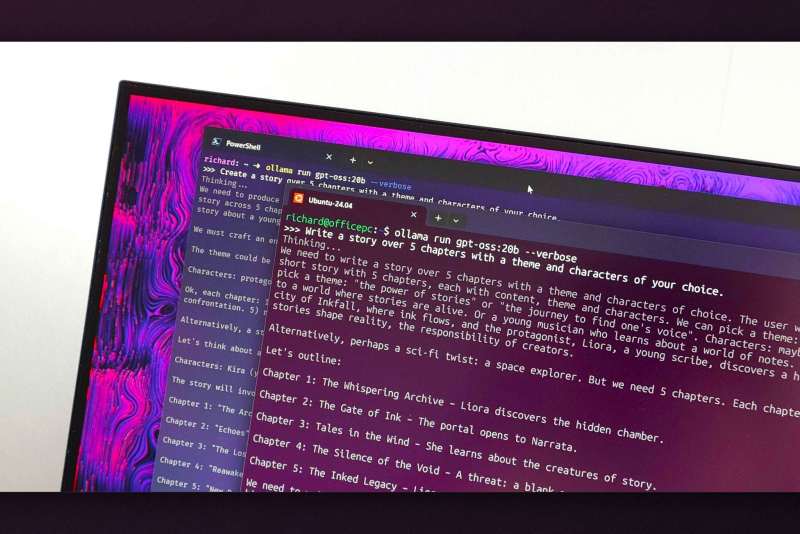
Artex started as an open-source tool for finding security flaws, but in one intrusion it took under 3 hours to go from picking a target to gaining high-level access.
- Artex is an open-source AI tool built for security testing, and the FBI says hackers have used it since at least August to break into banks, government agencies, tech companies, and healthcare providers
- In one case, it took less than 3 hours to go from selecting a target to gaining high-level access
- One campaign exposed the data of about 67,000 people in South Korea, while another reached more than 2,250 Microsoft 365 environments through stolen ConnectWise backup credentials
- The FBI has not linked Artex to the Microsoft 365 outage, the FAA ground stop, or the recent bank disruption
- The original GitHub repository has been taken down, but copies remain, and the main entry points are still default passwords and outdated software
Table of Contents
What Artex is and what the FBI is warning about
Artex is an open-source tool that uses AI for security testing, the kind of software organizations run to find their own weak points before attackers do. In an advisory issued Friday, the FBI said hackers have used the same tool since at least August to target banks, government agencies, tech companies, and healthcare providers around the world. Some of those intrusions took less than 3 hours from choosing a target to gaining high-level access to its systems.

That speed comes from automation. According to Microsoft's analysis, Artex agents can probe defenses, exploit vulnerabilities, and pull data out of a network, so attackers can try many paths into a network at once instead of working step by step. Attacks like this can still trigger security alerts, but they move so fast that defenders have almost no time to react. The case also adds to growing concern about the risks of AI agents, tools that can operate with very little human oversight.
Documented attacks
The FBI cited attacks on financial institutions in South Korea that exposed the personal information of about 67,000 people. In a separate campaign, Microsoft said attackers breached the Microsoft 365 environments of more than 2,250 organizations using stolen ConnectWise backup credentials combined with Artex. Because customers had already granted the backup software access, attackers could use those permissions without signing in as a specific user. Microsoft added that a successful sign-in does not necessarily mean data was accessed or taken.
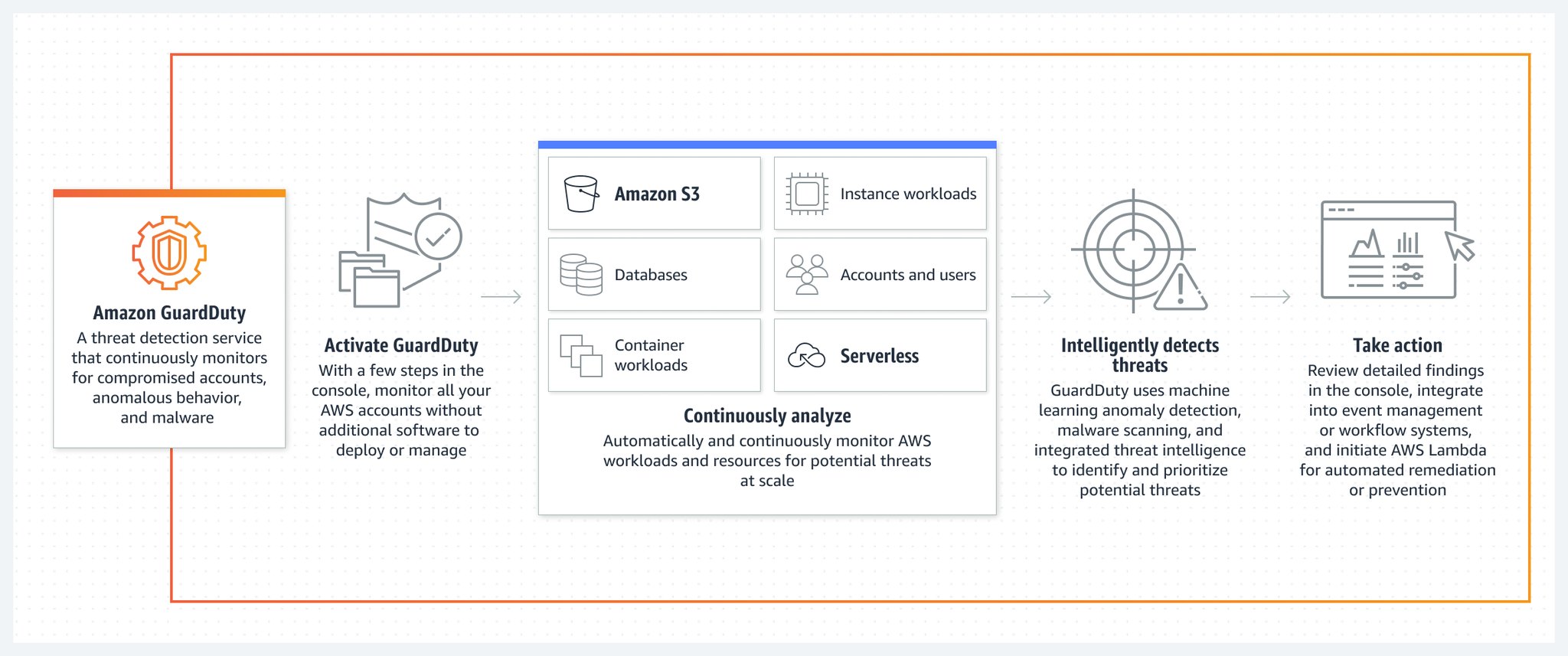
Research from Amazon Web Services dated November 13 describes a different pattern: stealing credentials for AI services, then using that access to hunt for more credentials, with someone else footing the bill. Amazon's Threat Intelligence team spotted the activity through decoy systems posing as AI services, and linked the campaigns to Artex with moderate confidence. However, it could not independently verify the results the agents reported on systems outside its visibility. According to Amazon, these cases all relied on default passwords, exposed credentials, and outdated software, which AI helps hackers find and exploit faster.
No link to recent incidents so far
The FBI's advisory landed on the same day a communications problem led the FAA to order a nationwide ground stop in the US, and a day after a major Microsoft 365 outage began. Microsoft attributed its disruption to a technical fault, and the FAA said it had seen no sign of a cyberattack. An FBI official told ABC News that Artex does not appear to be connected to either incident, or to other recent disruptions, including the banking problem involving JPMorgan Chase.
Recommendations for organizations
Artex's developer took down the original GitHub repository in October after reports of abuse, but the FBI says copies are still in circulation. The agency therefore recommends that organizations limit access to sensitive systems, review software permissions, replace exposed credentials, and monitor for unusual account activity or large data transfers.
What stands out here is not a new attack technique but the speed. The entry points are all familiar: default passwords, outdated software, and exposed credentials. The difference is that AI shrinks the time from discovery to access down to a few hours. That is why Migovi believes that mundane chores like changing default passwords, updating software, and reviewing the permissions of third-party apps are now worth doing sooner than before. Small businesses and users in Vietnam who run Microsoft 365 or backup software with broad permissions should check which apps already have standing access, since the ConnectWise case shows attackers don't need to sign in like a normal user. There is no sign yet that Artex is targeting Vietnam specifically, so this is something to prepare for, not something to panic over.
Source: CNET
Reviewed by: Hero Association