TeamGroup's CEO warns that the DRAM shortage could get even more severe, with the harshest period running from Q4 2026 through the end of Q2 2027.
- TeamGroup's CEO expects supply to be tightest from Q4 2026 through the end of Q2 2027, with prices unlikely to fall next year.
- DRAM supply and demand may not return to balance before the second half of 2028.
- Demand from AI data centers is pushing manufacturers to prioritize HBM and enterprise memory, leaving little capacity for consumer products.
- Contract prices for DDR5 16 Gb chips have climbed from about $8.70 to $48, more than fivefold in under a year.
- Gamers and PC users should brace for expensive RAM through the end of 2027.
Table of Contents
The hardest period is still ahead
At an earnings briefing on November 2, TeamGroup CEO Chen Ching-wen (Gerry Chen) said the memory industry has not yet passed the worst of the crisis. According to Taiwan's Economic Daily News, he expects supply to be tightest from Q4 2026 through the end of Q2 2027. Prices show almost no sign of a meaningful drop throughout next year. Supply and demand may also not return to balance before the second half of 2028.
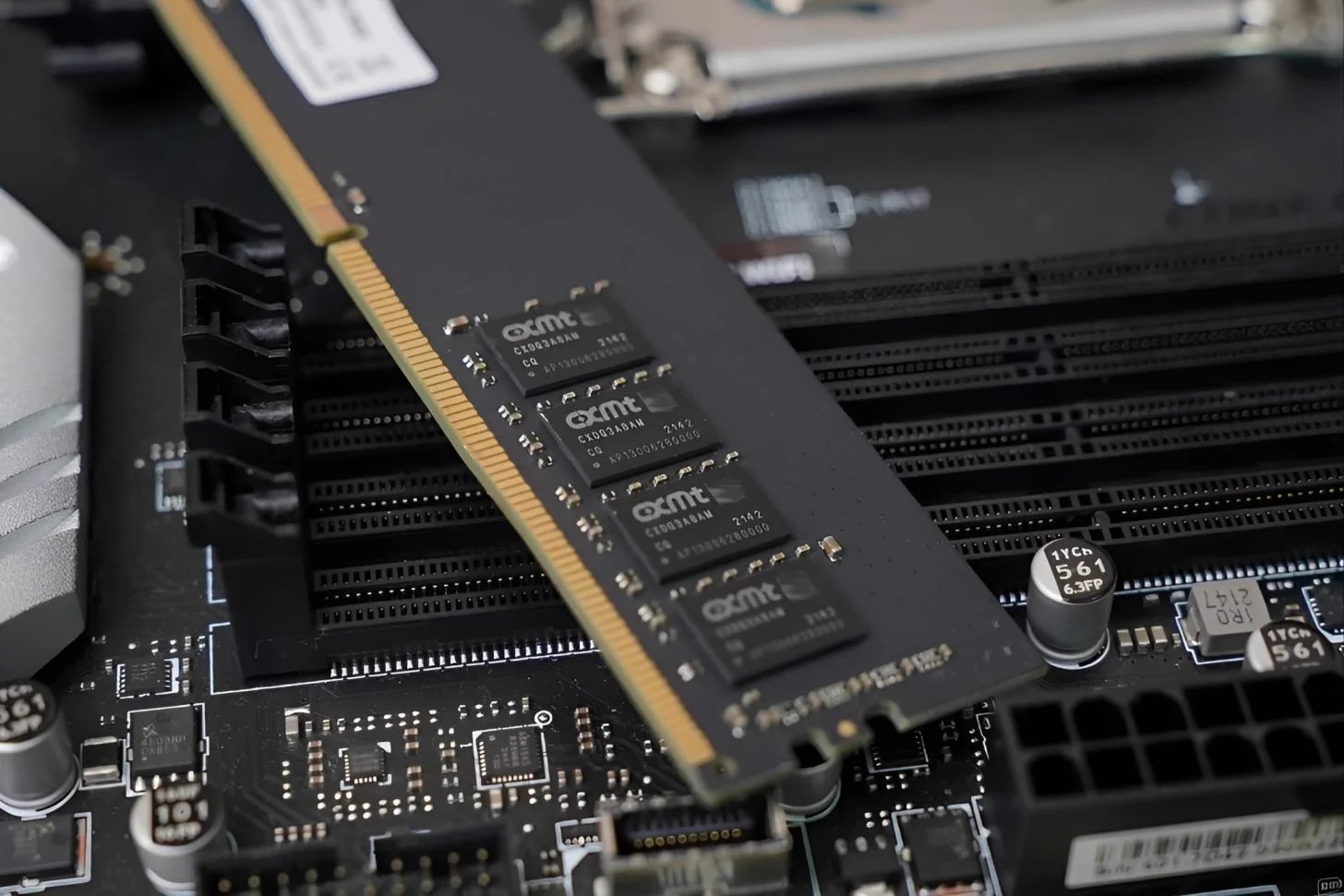
According to Chen, there have been times when customers willing to pay high prices still could not get product. That reflects a market dominated by AI infrastructure spending. Securing enough memory capacity is now just as hard as absorbing the sharply rising costs.
AI is draining DRAM supply
One major cause is the rapid expansion of AI data centers, which consume enormous amounts of high-bandwidth memory (HBM) as well as conventional server DRAM. Samsung, SK hynix, and Micron increasingly prioritize HBM and enterprise memory because of the better margins. That leaves less capacity for the DDR, LPDDR, and GDDR lines aimed at mainstream users. TrendForce says HBM production requires far more wafer input than conventional DRAM, which makes it even harder for the industry to meet demand.
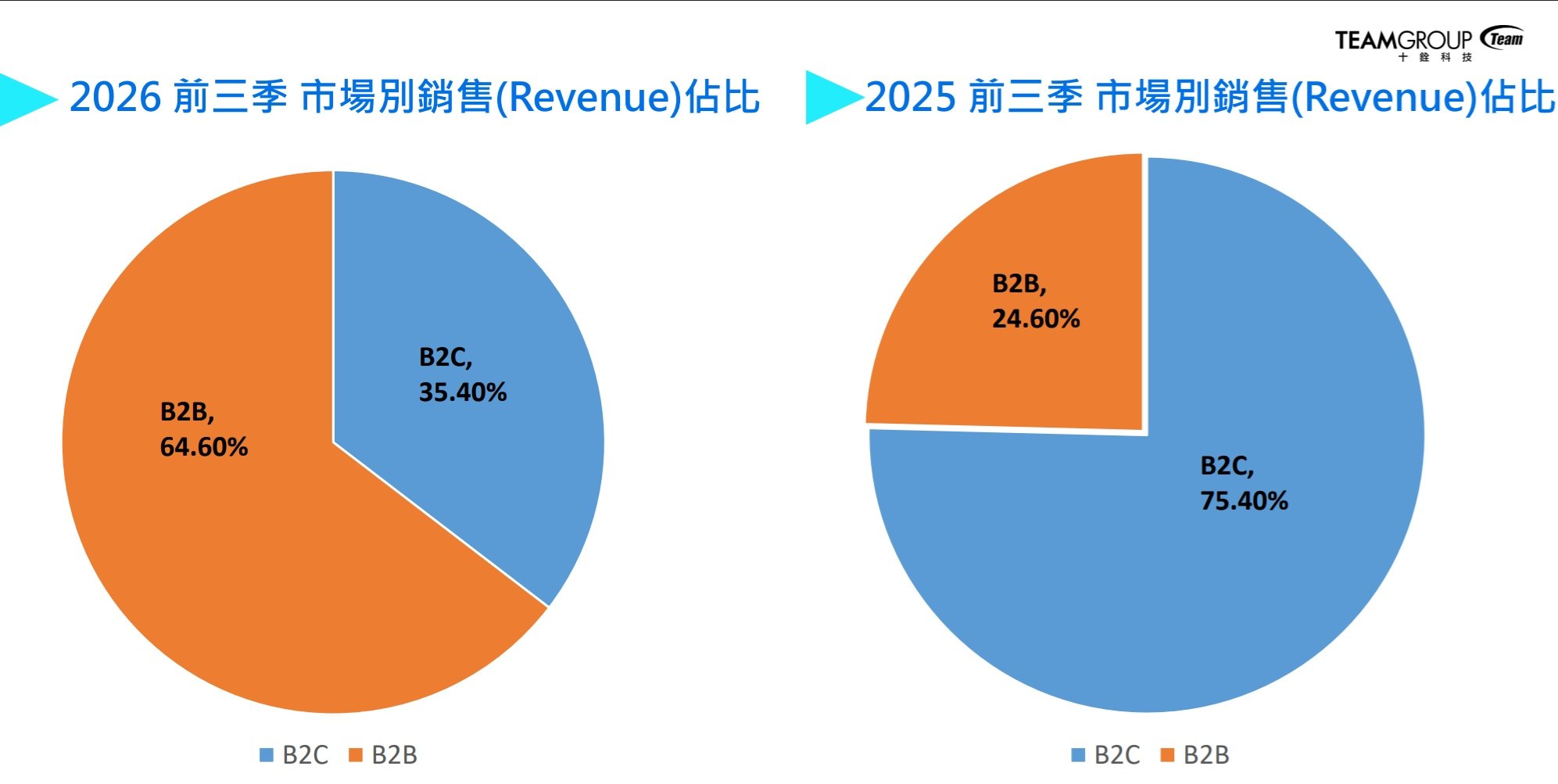
TeamGroup's own figures show this shift clearly. According to its November 2026 investor presentation, the business-to-business (B2B) segment accounted for 64.6% of revenue in the first nine months of 2026, compared with 24.6% in the same period a year earlier. The company also reported record quarterly revenue of about NT$10.14 billion, with a gross margin of 49.27%.
The spot market is even tighter. Spot prices for some server memory products are reportedly 30% to 50% higher than contract prices, which shows how hard it is to find extra inventory. According to figures cited by Tom's Hardware, the contract price of a DDR5 16 Gb (2 GB) chip rose from about $8.70 in October 2025 to $48 in September 2026, more than fivefold. These are chip-level prices, not retail prices for finished RAM modules.
The shortage could last longer than expected
Expanding production capacity is unlikely to bring immediate relief. Although several new fabs and line upgrades are underway, TrendForce believes DRAM supply will only grow meaningfully from 2028. The analyst firm also expects price pressure to continue throughout 2027. NAND flash supply, by contrast, is expected to improve sooner.
That outlook is fairly close to an earlier warning from SK hynix CEO Kwak Noh-jung, who predicted that 2027 could be the worst memory shortage yet. In his view, demand will exceed SK hynix's production capacity well beyond 2030. Wccftech previously reported that Samsung and SK hynix are also holding unusually low memory inventories.

For gamers and PC users planning a RAM or GPU upgrade, TeamGroup's forecast suggests that high prices and limited supply could remain a concern through the end of 2027. These projections still carry uncertainty, though. Much depends on AI spending, consumer demand, and how quickly new production capacity comes online.
It is notable that this warning comes from a memory module vendor, the company closest to end users in the supply chain. When they say money may not guarantee supply, buyers should treat expensive RAM as a lasting market condition rather than a short-term spike. Anyone who truly needs an upgrade should weigh their needs and choose just enough capacity instead of waiting for prices to fall. Keep in mind that the timelines above are forecasts and may shift with the pace of AI investment and fab expansion.
Source: Wccftech
Reviewed by: Hero Association