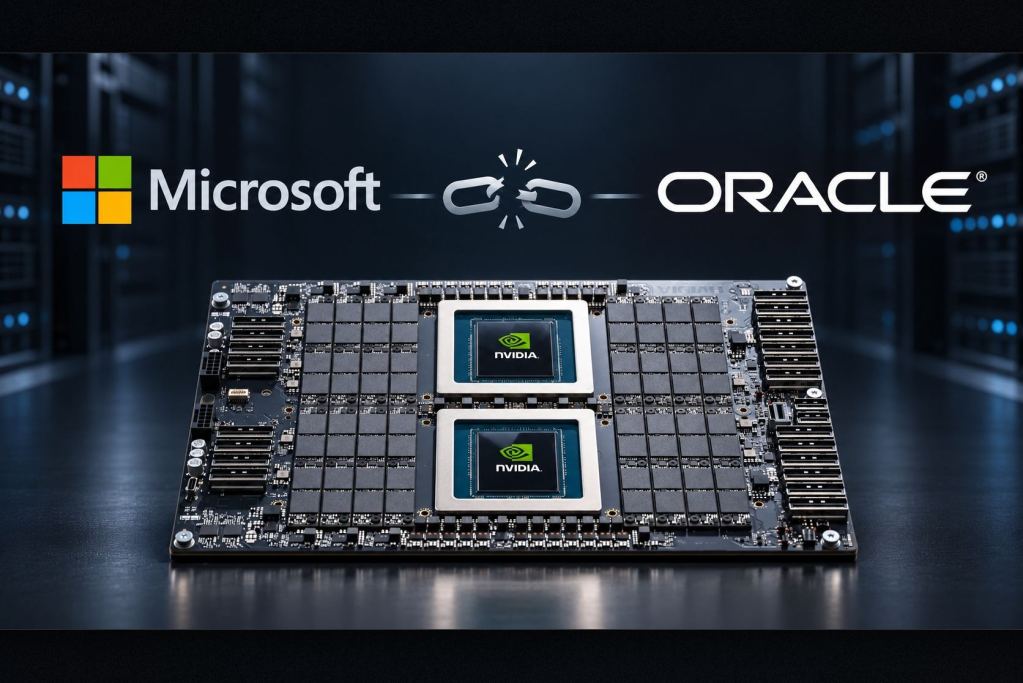
Microsoft is winding down its AI infrastructure rental deal with Oracle because older NVIDIA GPUs no longer meet its needs, Bloomberg reports, citing people familiar with the matter.
- Microsoft has not renewed its AI compute capacity contract with Oracle, according to Bloomberg, citing people familiar with the matter.
- The reason given is that the older NVIDIA GPUs in Oracle's infrastructure no longer meet Microsoft's new requirements.
- Oracle says demand for previous-generation GPUs remains strong, with capacity up for renewal either extended or resold at prices more than 20% higher.
- This is a single contract. The two companies still maintain other cloud ties, including Oracle Database@Azure.
Table of Contents
Microsoft pulls back from a compute rental deal
According to a Bloomberg report on November 6, citing people familiar with the matter, Microsoft did not renew its contract with Oracle. Over recent months, the company has gradually shut down the compute capacity it was renting.
The agreement dates back to November 2023. At the time, Oracle announced that Microsoft would use Oracle Cloud Infrastructure (OCI) alongside Azure to run inference workloads for Bing's conversational search. Demand for AI accelerator chips was outstripping supply then, so even the largest cloud providers had to rent capacity from rivals.
Microsoft's requirements have since changed. According to the sources, the older NVIDIA GPUs in Oracle's infrastructure no longer meet the specs the company needs. The specific GPU lines and the contract value have not been disclosed.

Oracle says older GPUs still hold value
Oracle pushed back on the idea that aging AI hardware is losing its commercial value. According to Reuters, a company spokesperson stressed that demand remains strong, even for previous-generation GPUs.
Oracle also shared figures for the first quarter of fiscal 2027. GPU capacity that came up for renewal was either extended or resold at prices more than 20% higher than under the old contracts. Most of those GPUs are at least four years old. Oracle's GPU utilization for the period was about 97.9%.
In other words, older chips may no longer fit Microsoft's latest AI requirements. They can still be put to work for other customers and workloads.

The cost problem of AI infrastructure
Fast Company raised a tough question for companies investing heavily in AI infrastructure: what happens if expensive GPUs become obsolete before they pay for themselves? Oracle faces particular pressure on this front because of the pace of its infrastructure buildout and its very large financial commitments.
According to its latest earnings report, Oracle posted negative free cash flow of USD 5 billion in the first quarter of fiscal 2027. Over the same period, cloud infrastructure revenue rose 121% year over year to USD 7.4 billion.
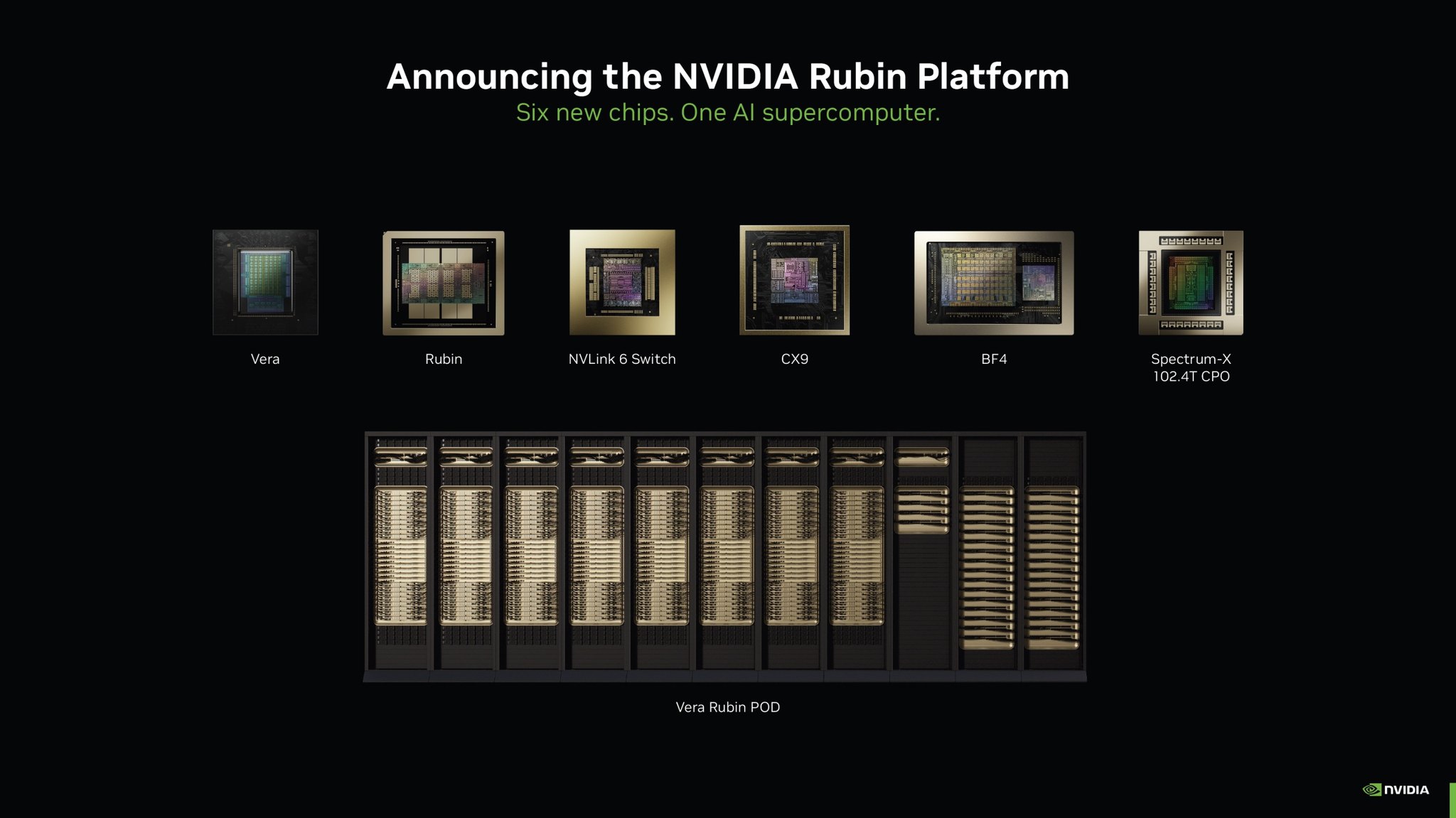
Even so, Oracle is still expanding. OCI has outlined plans to deploy NVIDIA Vera Rubin systems alongside next-generation accelerators from AMD, Intel, Google, and others.
It's worth noting that Microsoft's decision targets only one specific compute rental contract. The two companies still have separate cloud relationships, including Oracle Database@Azure.
This episode shows that the lifecycle of an AI GPU is not determined by hardware durability alone. What matters more is whether the chip can still meet each customer's requirements. For an industry pouring hundreds of billions of dollars into data centers, depreciation schedules and the ability to re-lease older hardware will directly affect return on investment. Oracle's 20% price increase is a positive sign, but the figure comes from the company itself, so independent data is needed to verify it.
Source: Wccftech
Reviewed by: Hero Association