If the AA rating drops to AA- within the next 90 days, the effects could spread to AI infrastructure companies that rely on NVIDIA's credit guarantees.
- S&P Global Ratings is reviewing a downgrade of NVIDIA from AA to AA-, with a conclusion expected within 90 days
- The reason is governance: weak executive oversight, no succession plan, and heavy reliance on Jensen Huang
- NVIDIA will remain firmly investment grade, but its own borrowing costs could rise
- AI infrastructure companies backed by NVIDIA guarantees could face more expensive debt or have to post additional collateral
Table of Contents
Why S&P is reviewing the rating
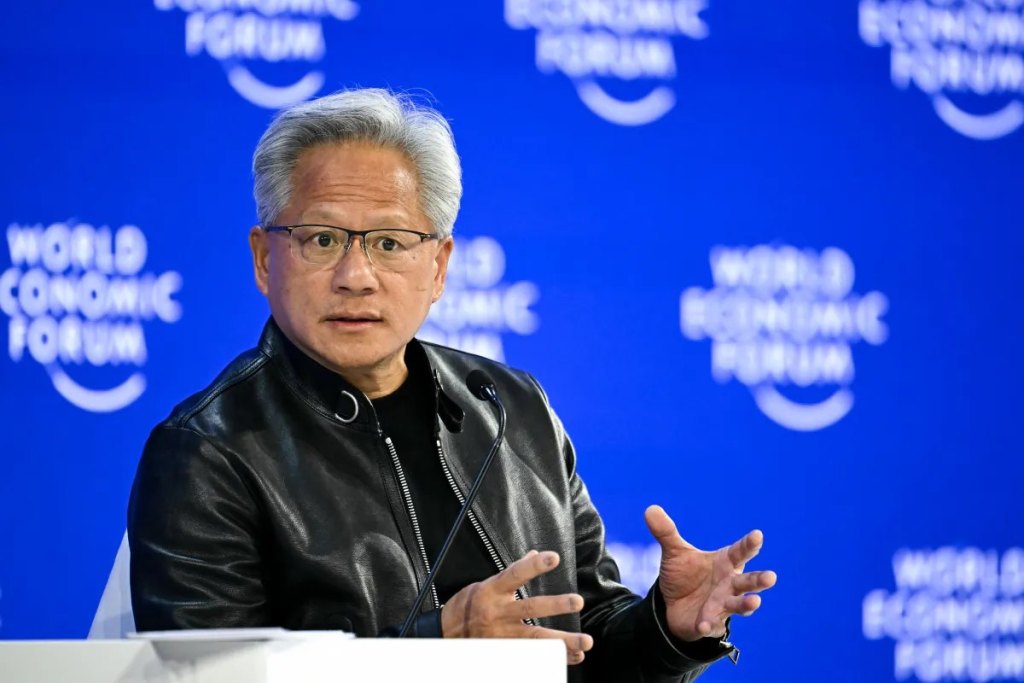
NVIDIA's business results remain very strong overall. What gave S&P Global Ratings, one of the world's three largest credit rating agencies, pause is how the company is run. According to S&P's announcement, the fact that CEO Jensen Huang was once removed and then reinstated has raised concerns about weak executive oversight and the lack of a succession plan. The agency cited "key man risk": the danger that the company's future depends too heavily on one person, Huang.
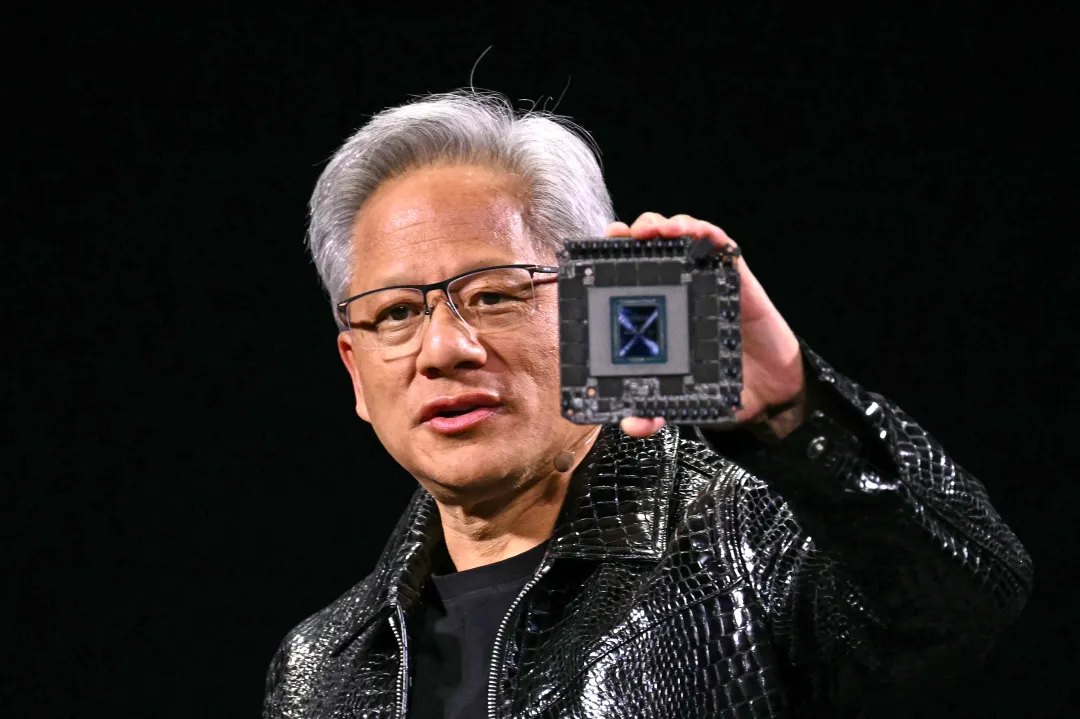
S&P expects to complete its review within 90 days and could lower NVIDIA's rating from AA to AA-, the fourth-highest level on its scale. Even so, NVIDIA would still firmly remain investment grade, so this does not put the company in a precarious position. What matters is that a lower rating could still raise NVIDIA's borrowing costs, and the impact would not stop at the company itself.
The impact on companies that depend on NVIDIA
NVIDIA guarantees debt for neoclouds (cloud providers specializing in AI) and for many other infrastructure companies that lack the credit strength to borrow on their own. Because the weight of that guarantee comes from NVIDIA's rating, a lower rating could force those companies to pay higher interest on their debt or post additional collateral.
This is even more notable given the plan announced in August, when NVIDIA said it would arrange $500 billion in financing for AI infrastructure together with six financial institutions, including Goldman Sachs, Apollo, and Blackstone. Under the original terms, NVIDIA would guarantee 25% of the loan amount. Bloomberg reported, however, that even before Huang's removal, lenders had been demanding larger guarantees from NVIDIA. If the rating is cut, they will likely ask for even more.
What stands out is that S&P is not faulting NVIDIA's revenue or profit but the way the company is run. The risk lies in one person holding a pivotal role while no clear replacement mechanism exists. AA- is still a very high rating, so NVIDIA itself is unlikely to be shaken. The borrowers that depend on its guarantees will feel it first, since they have no standalone credit to fall back on. For users in Vietnam, this will not immediately affect graphics card prices or AI services. Still, if capital for AI infrastructure becomes more expensive, the pace at which these services expand could slow. That is only speculation, so it is worth waiting for S&P's conclusion over the next 90 days.
Source: TechCrunch
Reviewed by: Hero Association