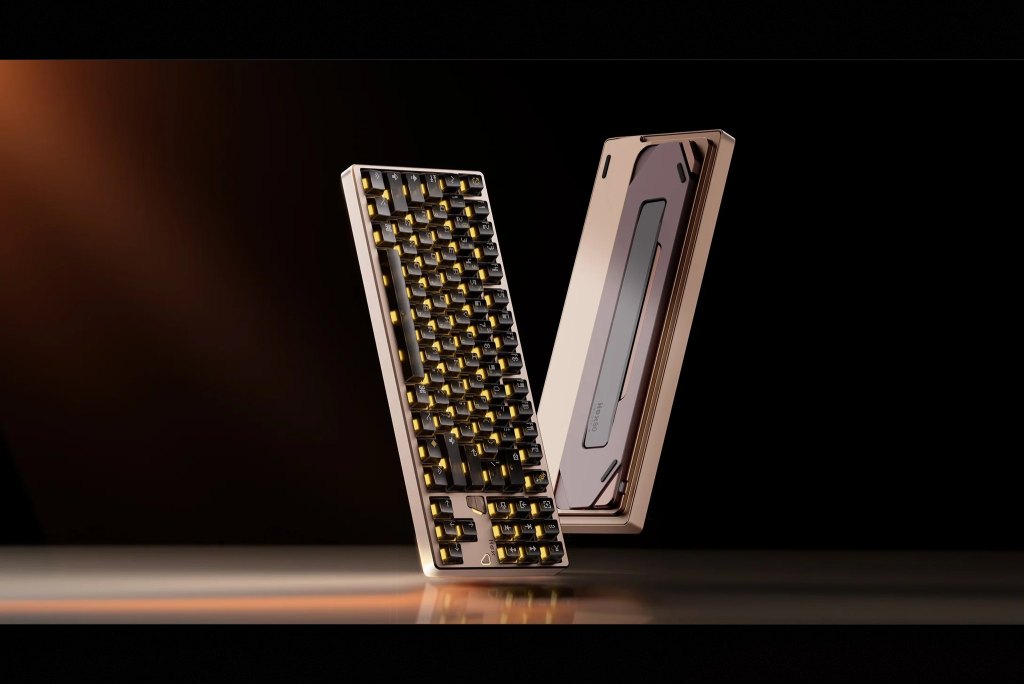
PCB scan rate jumps from 32 kHz to 600 kHz, with a claimed latency of 0.28 ms, but owners of the original Hex 80 may not need to upgrade to the ATK Hex 80 V2.
- ATK has launched the Hex 80 V2, an update to the Hall Effect TKL keyboard it built with Qwertykeys
- A new MCU lifts the PCB scan rate from 32 kHz to 600 kHz, and ATK claims end-to-end latency as low as 0.28 ms
- List price is 249.98 USD, with a limited launch price of 199.98 USD, on sale from November 26
- The CNC aluminum case is largely unchanged, so owners of the original Hex 80 are under no pressure to upgrade
- Wired only, fully customizable through ATK Hub, with actuation points adjustable down to 0.001 mm
Table of Contents
The original Hex 80 and why a V2 exists
The first Hex 80 was seen as a milestone for Hall Effect keyboards. It was the first time a high-end mechanical keyboard brand like Qwertykeys teamed up with a gaming brand like ATK in a way that played to the strengths of both. The result was a keyboard with real gaming performance, along with the build quality and typing feel Qwertykeys is known for.
Following that success, the two brands have returned with the Hex 80 V2. It keeps the familiar TKL layout, and the changes are mostly internal, so it reads more as a refresh than a new design.
The upgrades are on the inside
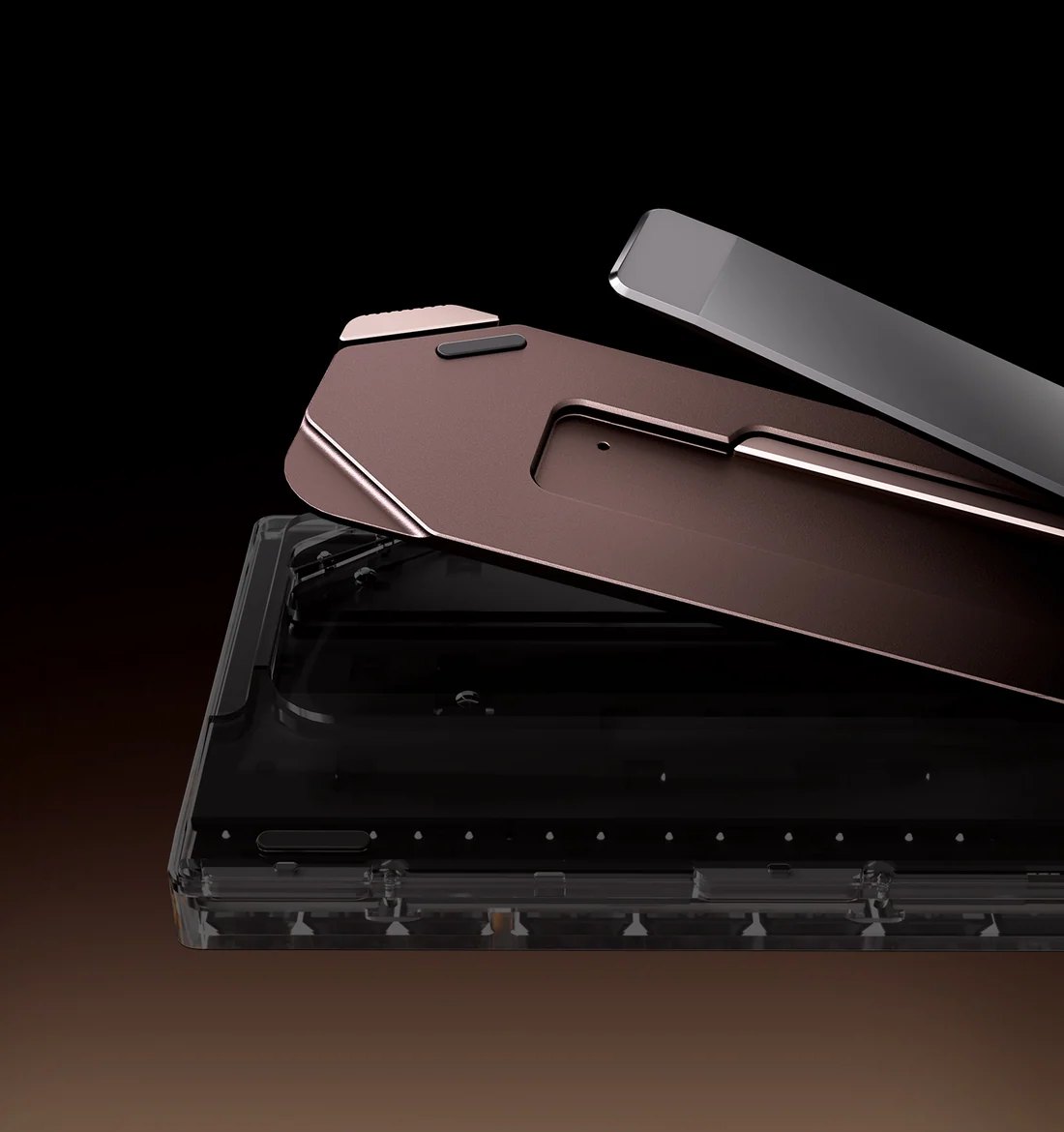
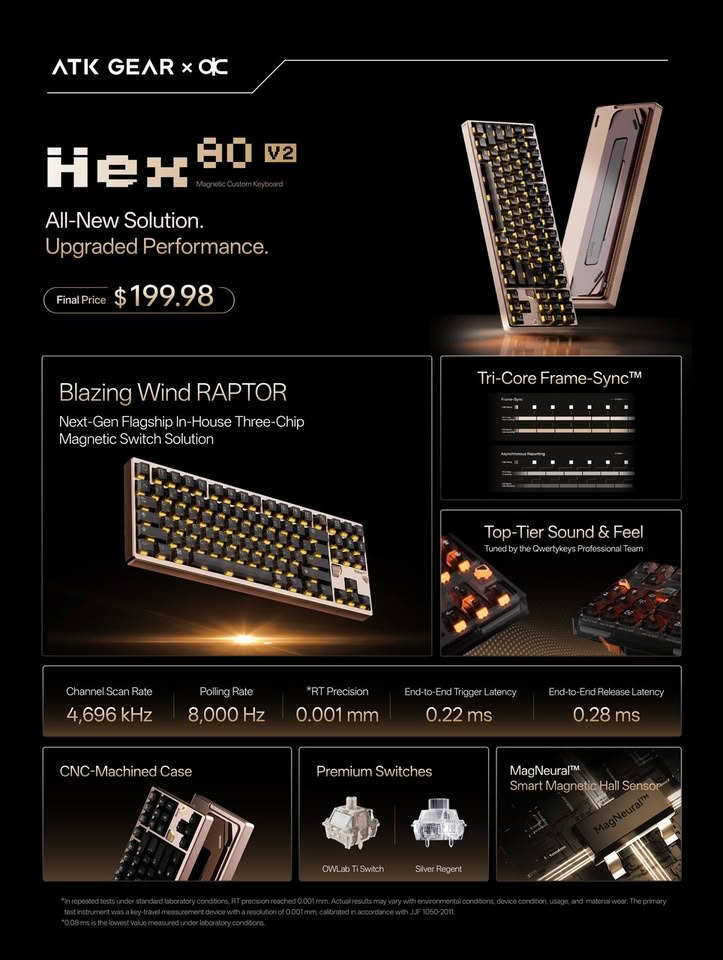
ATK appears to have tweaked the original's CNC aluminum case only slightly, so most of the improvements go into the internals. The new microcontroller (MCU) raises the PCB scan rate to 600 kHz, up from 32 kHz on the previous version, and ATK claims end-to-end latency can drop as low as 0.28 ms. Because the body is nearly unchanged, owners of the original Hex 80 can comfortably keep their boards without feeling left behind.
Switches, colors, and pricing
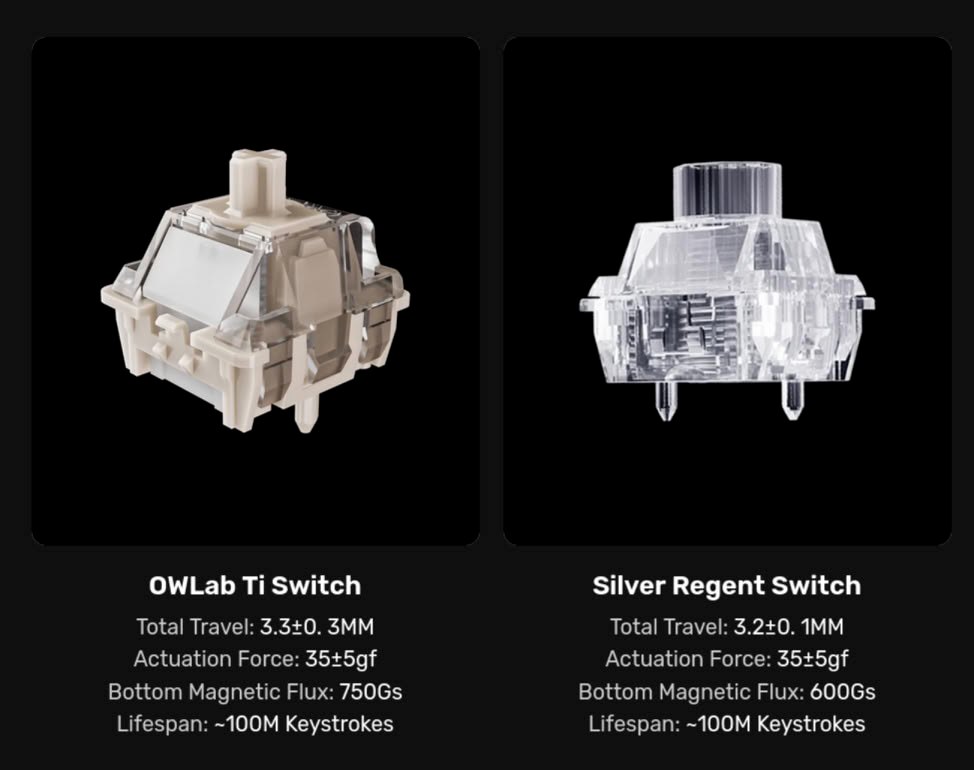
On the switch front, the Hex 80 V2 adds a semi-transparent Silver Regent option alongside the OwLab Ti. The difference is mostly cosmetic, since backlight shines through the translucent keycaps more clearly. The board comes in four colors, all of them anodized aluminum this time instead of the e-coating used on the previous model.
The ATK Hex 80 V2 goes on sale November 26 at a list price of 249.98 USD, with a limited launch price of 199.98 USD. For that money, buyers get translucent polycarbonate keycaps with UV-printed legends and a soft-touch coating, a gasket-mount body, and a carbon fiber plate.
Customization through ATK Hub
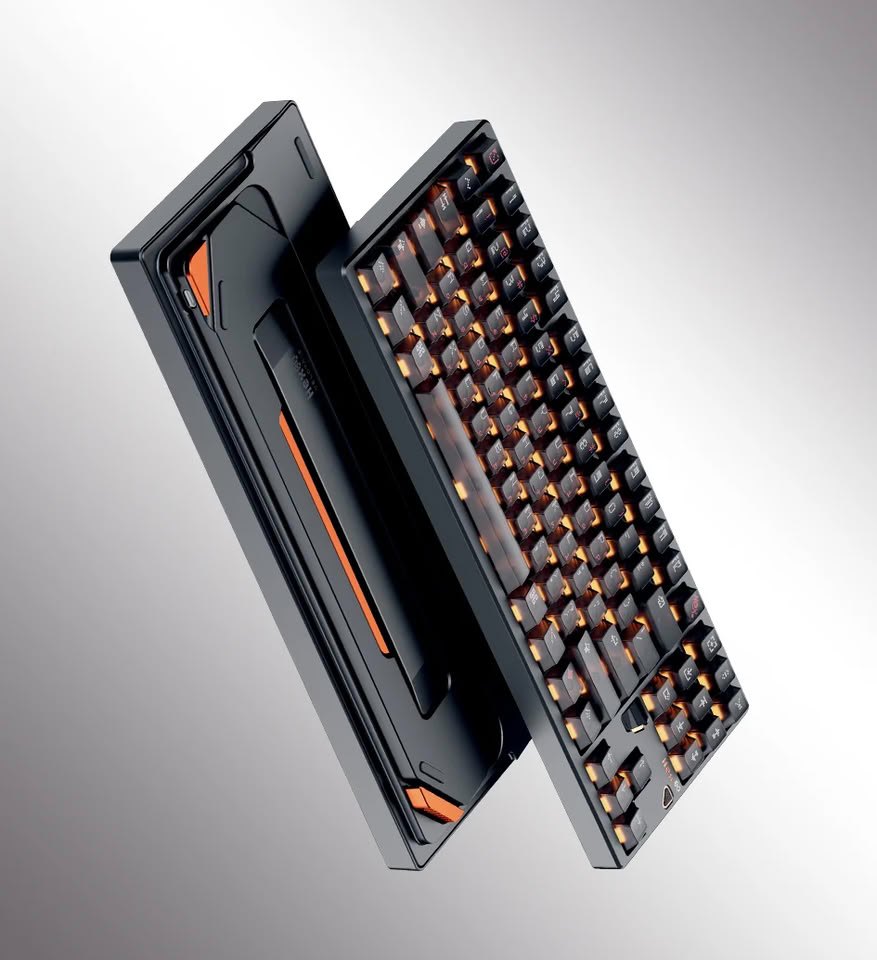
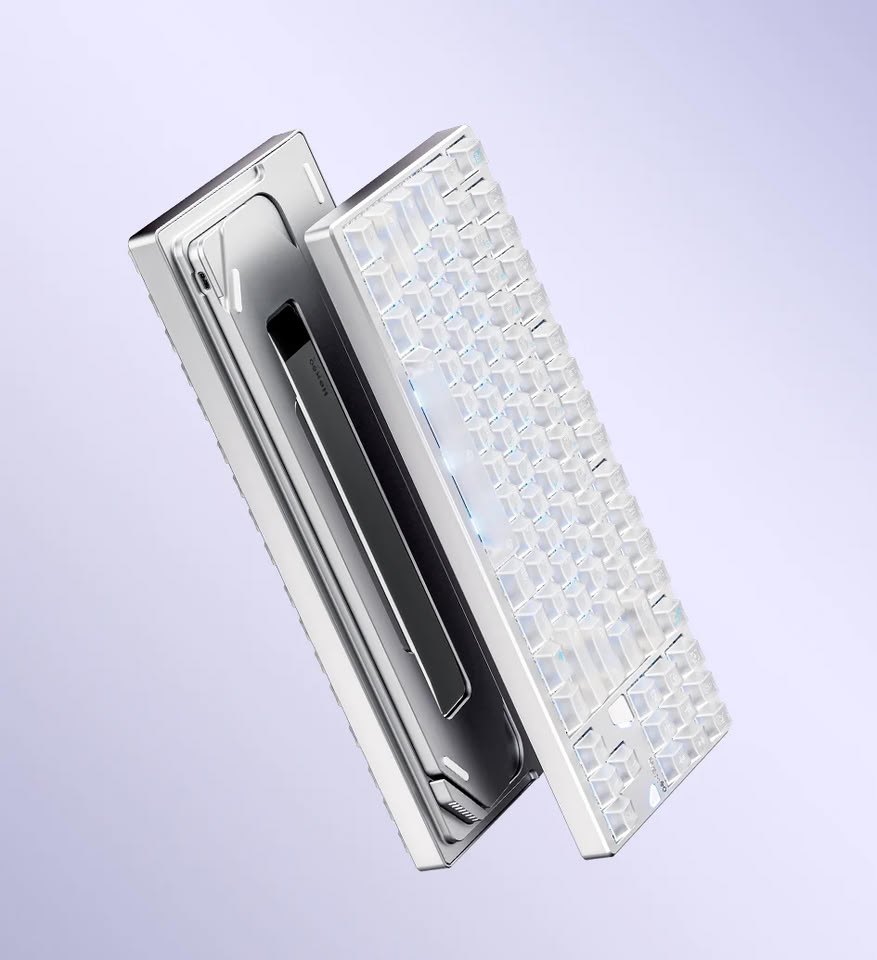
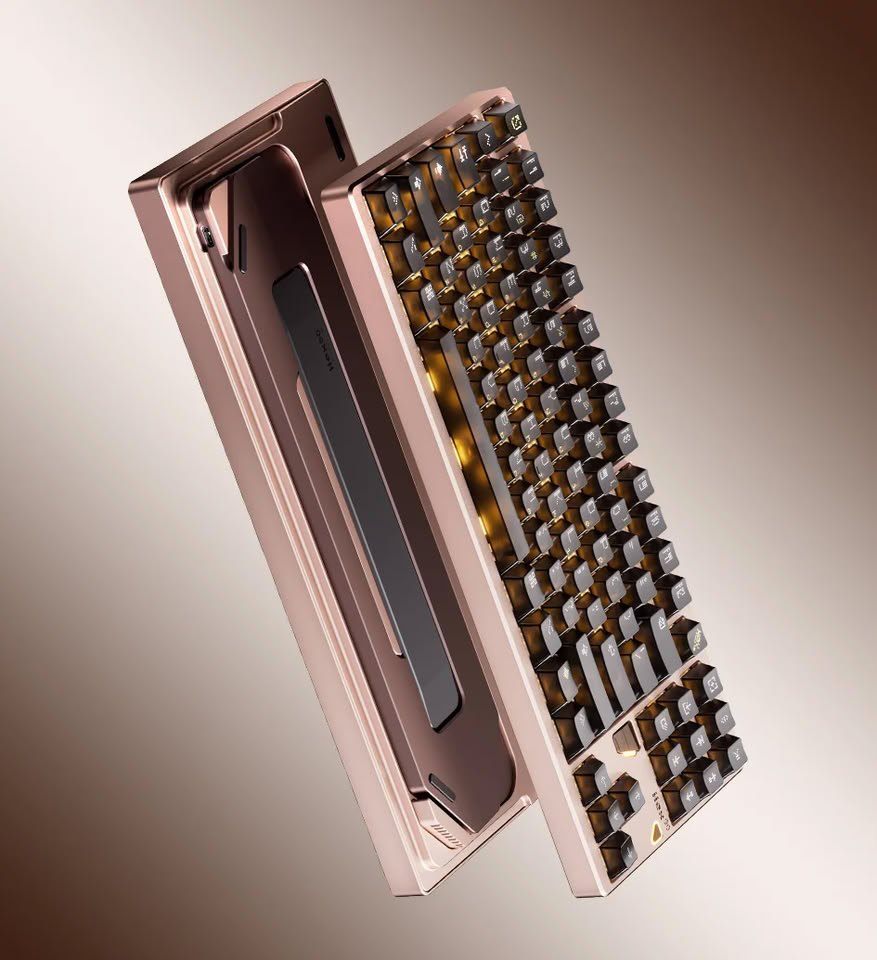
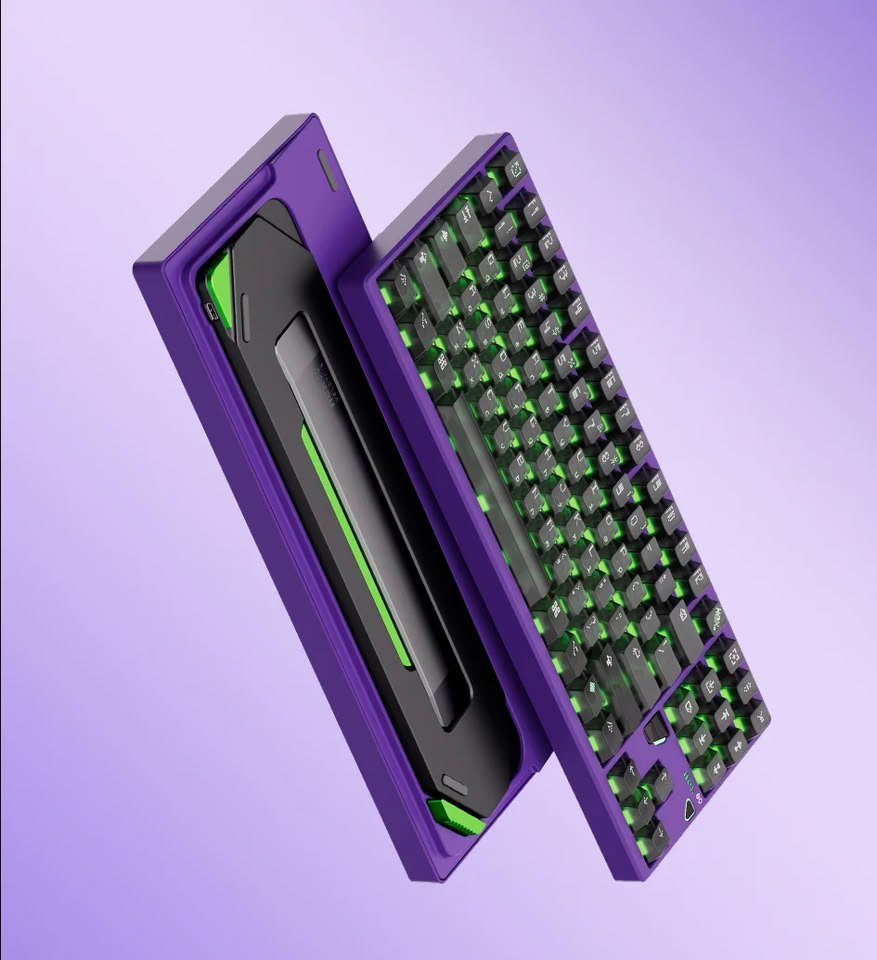
Like the original, the Hex 80 V2 supports wired connections only, with an 8000 Hz polling rate. As a Hall Effect keyboard should, it allows full customization and key remapping, including adjustable actuation points, rapid trigger, and SOCD, all handled through the ATK Hub web tool. ATK says the actuation distance can be fine-tuned in steps as small as 0.001 mm, and a dedicated carrying case is included in the package.
To us at Migovi, the V2 is a cautious upgrade. The 600 kHz figure sounds impressive, but what players actually feel is latency, and the 0.28 ms number comes from ATK itself, so it needs independent measurements to confirm it. The fact that ATK left the case nearly untouched suggests it believes the original platform was already good enough, which also means current Hex 80 owners have no real reason to swap boards over specs alone. If you don't yet own a high-end Hall Effect keyboard and like Qwertykeys-style finishing, the V2 is worth considering, especially at the 199.98 USD launch price. If latency is your only reason to upgrade, wait for real-world measurements before buying.
Source: TechPowerUp
Reviewed by: Hero Association