Under liquid nitrogen, the RX 9060 XT ran about 54.5% above its rated boost clock, but street prices for the card have climbed to more than double the list price.
- The RX 9060 XT hit 4837 MHz under liquid nitrogen, 48 MHz above the previous record set in June
- GPU-Z logged a temperature of -49 °C, power draw of 62 W, and voltage of 1.434 V
- The clock speed is a hardware-limit stunt and says nothing about everyday performance
- The 16 GB model has a list price of 349 USD but is now selling for over 700 USD
Table of Contents
A clock speed record on a mid-range chip
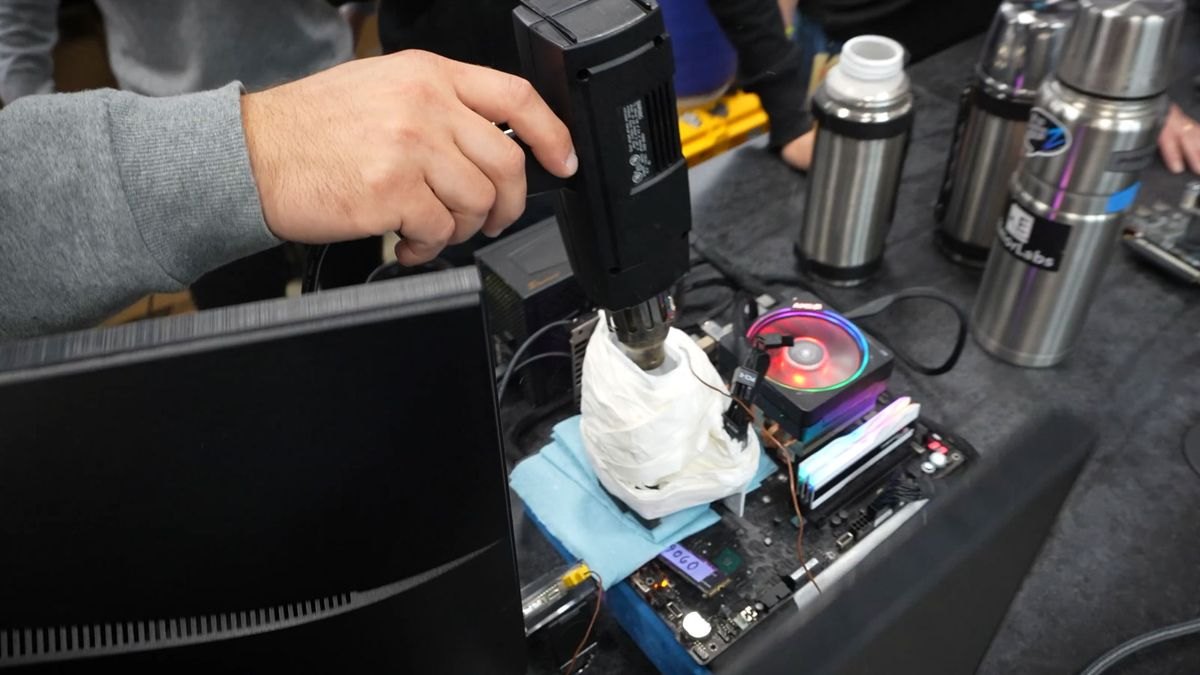
The new GPU record belongs to a Radeon RX 9060 XT running at 4837 MHz, set by Bill Alverson, a veteran overclocker, and Jack Huynh, AMD's vice president, at the opening of a new Micro Center store in Austin, Texas. According to the OC World Record Museum database maintained by SkatterBencher, the record was logged on November 15. What surprised many is that the record holder is not the RX 9070 XT, the flagship of the RDNA 4 generation, but a mid-range product.
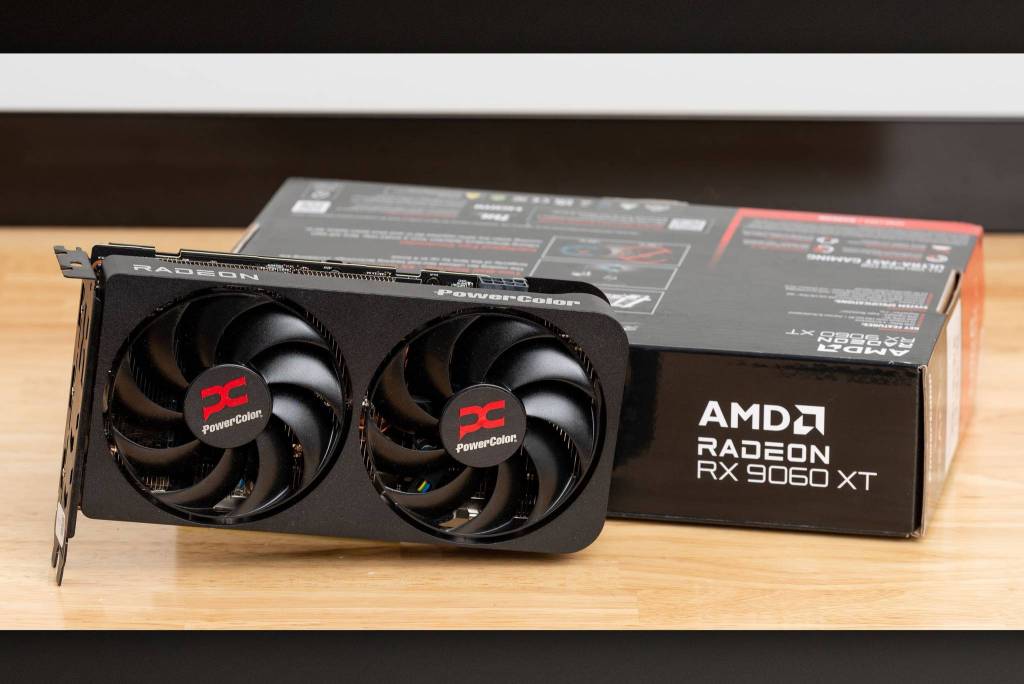
The RX 9060 XT uses the smaller Navi 44 chip with 2048 shading units (32 compute units), a 160 W TDP, 16 GB of GDDR6 on a 128-bit bus, and a standard boost clock of up to 3130 MHz. At 4837 MHz, the chip ran about 54.5% faster than its rated boost clock. A GPU-Z screenshot confirms the figure, showing a GPU temperature of -49 °C, power consumption of 62 W, and a voltage of 1.434 V.
Why this number doesn't apply to retail cards
To reach that clock speed, the overclocking team had to use liquid nitrogen. Liquid nitrogen and liquid helium are the two familiar coolants in extreme overclocking, because they push component temperatures far below what air or water cooling can manage at room temperature. That removes thermal limits almost entirely and lets overclockers feed the chip more power to reach the highest possible clock. No one should expect an air-cooled RX 9060 XT to get anywhere near this figure.
The approach also demands a lot of effort: the hardware must be carefully prepared, the run needs constant monitoring, and a dedicated cooling pot is required to hold the coolant. Liquid nitrogen also evaporates quickly, so the high clock can only be held for a short time. Records like this mainly show the absolute limits of the hardware rather than illustrating sustained performance for everyday use.
This is not the first time RDNA 4 has been pushed to extreme clock speeds. The RX 9060 XT reached 4769 MHz in February 2026, followed by another attempt in June that reportedly hit 4789 MHz. The new result is 48 MHz above the previous record, bringing AMD's latest GPU architecture closer to the 5 GHz mark than ever before.
Pricing is the bigger obstacle
For ordinary gamers, the biggest obstacle to getting the most out of an RX 9060 XT is not overclocking headroom but its price at the end of 2026. The 16 GB model has a list price of just 349 USD, but these cards are now selling for over 700 USD, turning a product that was once fairly accessible to mainstream players into a poor value. The clock speed record is an impressive feat in extreme overclocking, but it is unlikely to help more people get a Radeon card any time soon.
Migovi sees this record as proof that the Navi 44 chip has quite a bit of clock headroom when cooled to extremes, but it is the result of a carefully prepared demonstration, not a yardstick for the card you would put in your PC. What decides the user experience right now is price: over 700 USD is more than double the 349 USD list price of the 16 GB model. If you are planning to buy a mid-range card, don't use the old list price as your benchmark. Compare current street prices against other options in the same budget before you decide.
Source: Tom's Hardware
Reviewed by: Hero Association