An electrical pulse heats petroleum coke to about 2500 °C. The research team estimates it cuts the energy use and cost of making synthetic graphite for lithium-ion batteries by more than 80%.
- Researchers at Rice University made synthetic graphite with a single 0.2-second electrical pulse, starting from petroleum coke mixed with a small amount of nickel compounds
- As an anode material, it withstood charging speeds equivalent to a full charge in 4 minutes and kept 80% of its capacity after 1000 cycles
- The team estimates more than 80% lower energy use and greenhouse gas emissions, and roughly 80% lower production costs
- The 4-minute figure was measured in the lab, not on a full-size EV battery, and commercial-scale manufacturing has yet to be proven
Table of Contents
Graphite is the bottleneck in fast-charging batteries
Charging time is still what makes many people hesitate over electric vehicles. Filling a gas tank takes a few minutes, while recharging a battery takes far longer. Part of the bottleneck lies in the battery cell itself: graphite is the usual anode material in lithium-ion batteries, where lithium ions are stored during charging, but ions can only move through it so fast, which makes it hard for manufacturers to push charging speeds higher. Researchers at Rice University in the US have now reported a synthetic graphite that could ease that bottleneck, with the results published in the journal Advanced Materials.
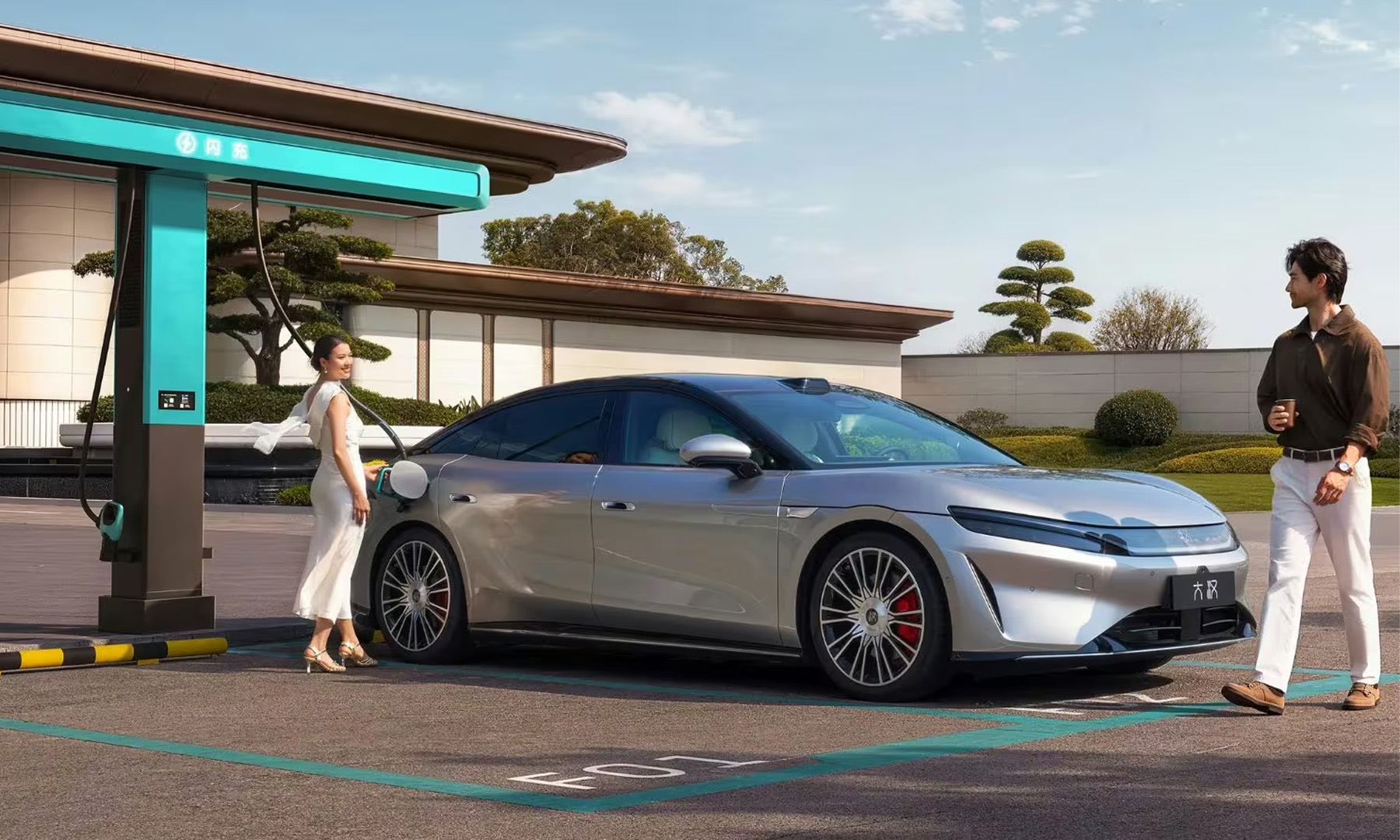
The traditional method requires heating synthetic graphite at very high temperatures for a long time, which makes the process both energy-hungry and expensive. The Rice team took a different route. They mixed petroleum coke, a fairly cheap byproduct of oil refining, with a small amount of nickel compounds, then ran a high-current electrical pulse through the mixture, sending the temperature soaring to about 2500 °C (4532 °F). In just 0.2 seconds, the carbon rearranges into highly ordered graphite, with the nickel acting as a temporary scaffold that spreads the carbon layers slightly farther apart. That extra spacing lets lithium ions move more easily during charging, and the benefit persists even after more than 99% of the leftover nickel is removed.
Lab test results
Tested as an anode in lithium-ion batteries, the new graphite withstood charging speeds equivalent to a full charge in 4 minutes. Notably, that speed did not come at the expense of lifespan: the material kept 80% of its capacity after 1000 charge-discharge cycles, so there is no sign yet that faster charging forces a trade-off in faster battery wear.
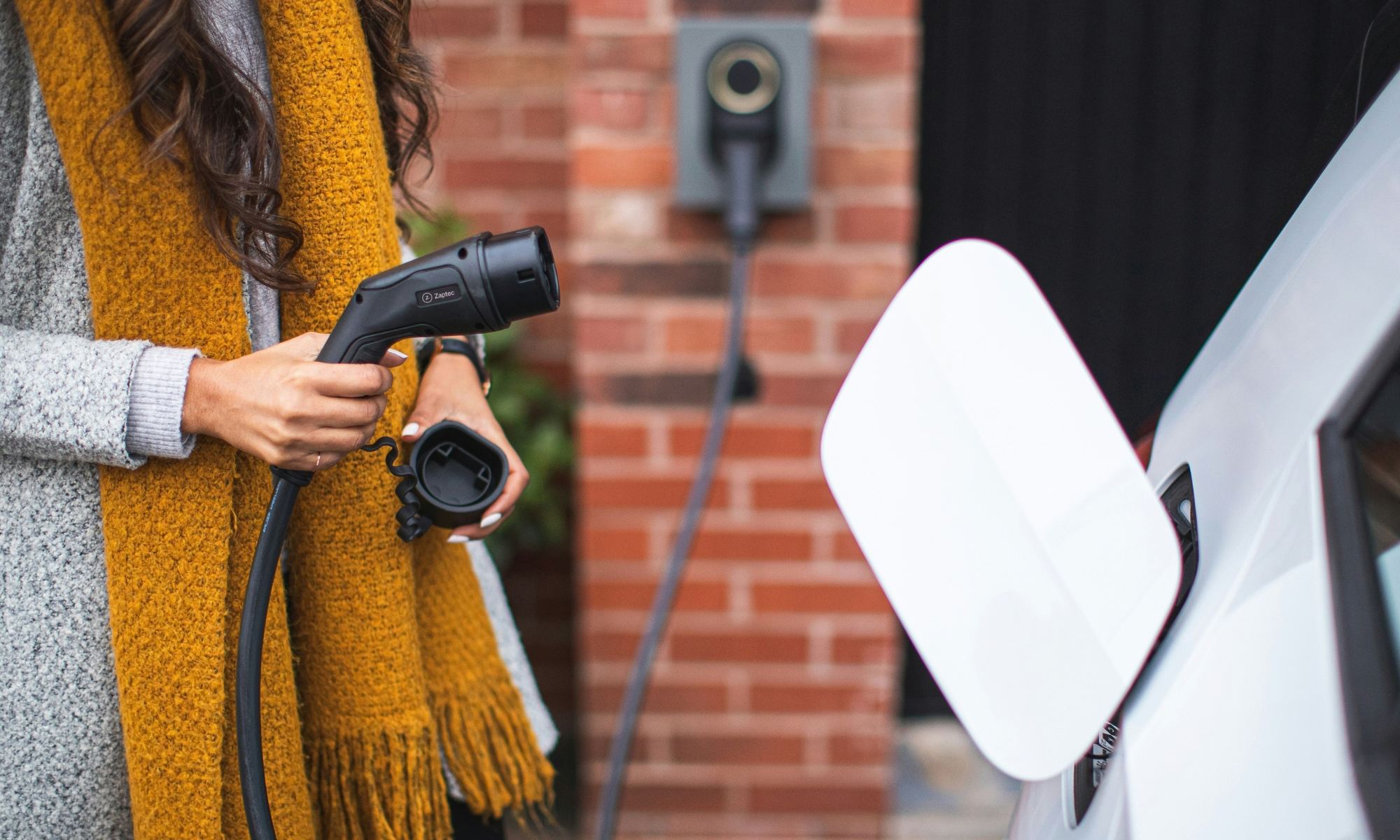
The second advantage is in manufacturing. The team estimates the method could cut energy use and greenhouse gas emissions by more than 80% compared with current graphite production, and their economic analysis suggests that premium synthetic graphite for fast charging could cost about 80% less to make. If those figures hold up in real production, a faster-charging material could end up cheaper rather than more expensive.
Gaps remain before it reaches real vehicles
It is important to understand that the 4-minute figure reflects charging speed measured on the material in a lab, not a full-size EV battery cell charged under everyday conditions. Real-world charging speed also depends on battery design, thermal management, and the charger itself. The team must also show that the process can scale commercially while the material keeps its properties, although the current results look promising and the material may find uses beyond electric vehicles.
Migovi thinks the most valuable aspect of this research is that it tackles the base material itself instead of relying only on more powerful charging stations. If graphite can handle high charging currents while keeping 80% of its capacity after 1000 cycles, battery makers gain another path that is both faster and cheaper. That said, the results are still at the material level, and the 4-minute figure has not been verified on a full-size EV battery. Consumers in Vietnam planning to buy an electric car do not need to wait for this technology. A more practical step is to check the charging speed and the warranted cycle count of the battery in the specific model. The milestones to watch for are results on large-format cells and a production line that proves mass manufacturing is feasible.
Source: Digital Trends
Reviewed by: Hero Association