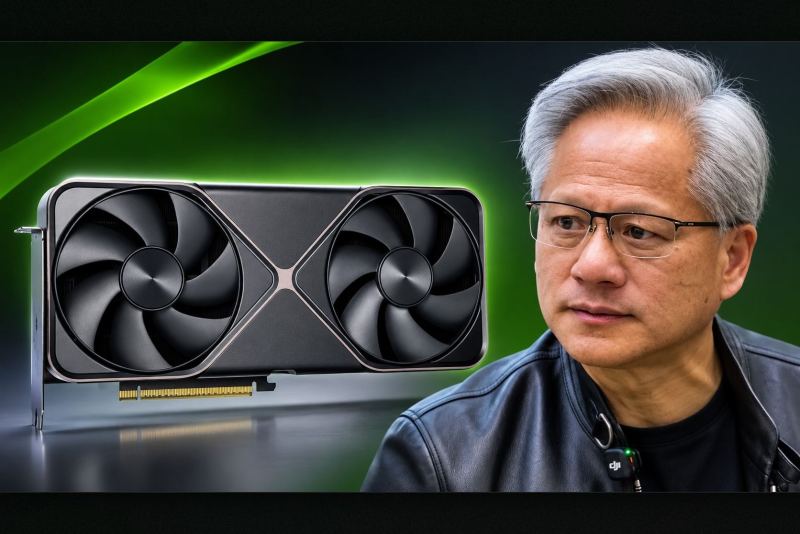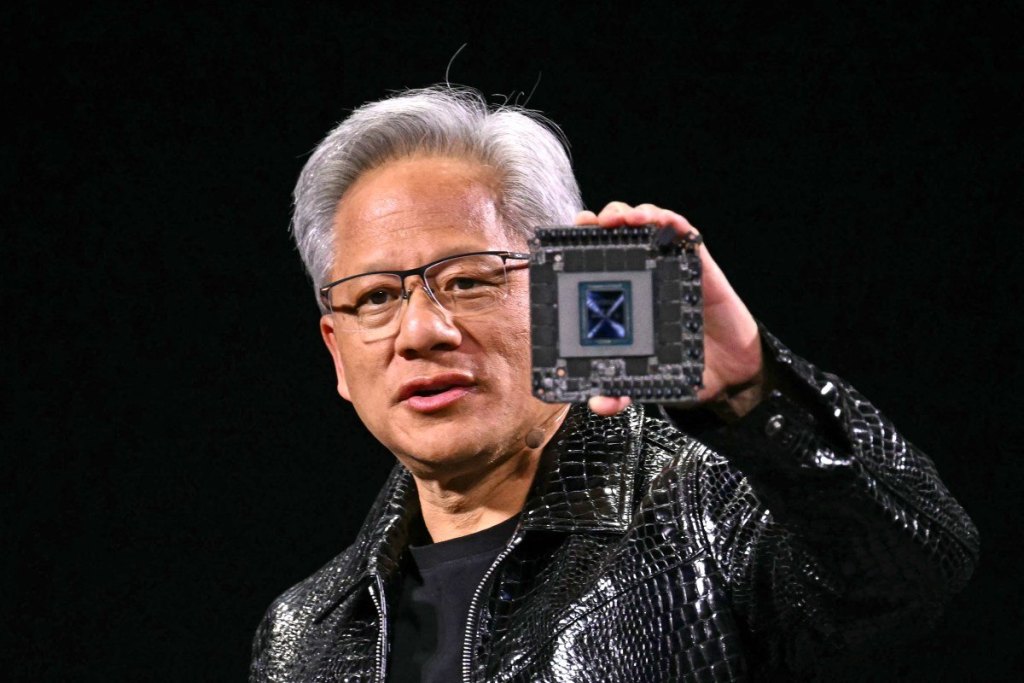
At the first all-hands meeting since the scandal, Huang still treated succession planning as unnecessary, even though NVIDIA's executive team has exactly five people.
- Huang returned to NVIDIA with an all-hands meeting centered on regret, therapy, and the code of conduct
- According to a CNBC source, he argued that NVIDIA doesn't need a succession plan because of its unusual business model
- The company has only 5 executive officers, and Huang alone has about 60 direct reports
- The board and shareholders may not accept this reasoning in the long run
Table of Contents
The first meeting after his return
Earlier this month, Jensen Huang stepped down as NVIDIA's CEO after admitting to extramarital relationships with at least two people. His return to the company he co-founded was marked by an all-hands meeting. According to several people familiar with it who spoke to the press, the discussion touched on regret, psychological therapy, and the company's code of conduct.
Succession also came up at the meeting, a sensitive subject because investors see it as a major risk for NVIDIA. CNBC, citing a source who attended, reported that Huang said the company doesn't need a succession plan because of its particular business model, and that such a plan would only add unnecessary layers of hierarchy. The remark was surprising coming just two weeks after the latest upheaval, since investors and analysts had taken the opposite view as soon as he resigned.
A company that deliberately stays flat
Huang's argument is closely tied to how NVIDIA is organized. The company doesn't have many management layers or a sprawling senior leadership bench like other large corporations. He sits at the top and says he has about 60 direct reports. According to regulatory filings, NVIDIA has just 5 executive officers: Huang; CFO Colette Kress, who served as interim CEO for 12 days; Ajay Puri, who oversees worldwide field operations; Debora Shoquist, executive vice president of operations; and Timothy Teter, executive vice president and general counsel.
This isn't the first time Huang has defended this structure. In a conversation with podcast host Lex Fridman in March, he said that when designing a company, the first step is to think about what the company wants to make. He pointed out that the org charts of a hamburger chain, a software company, and a carmaker all look identical, which makes no sense to him. In his view, a company is the machine that produces its product, so its organization should start from that product.
The reasoning sounds sound for a business as lean as NVIDIA. But it doesn't answer the question the board and shareholders care about right now: who runs the company if its leader is suddenly absent? His remarks today, along with his earlier comments on succession, may therefore not be enough to reassure them over the long term.
Migovi sees NVIDIA's flat structure as a reasonable choice when everything is running smoothly, but it is no substitute for an answer to what happens when the person at the top has to leave. The 12 days Kress just spent as interim CEO show that the company still needs someone ready to step in. Because NVIDIA sits at the center of the AI GPU market, shareholders' concern is a practical matter, not a formality. For users in Vietnam who depend on the company's GPUs, from gamers to teams running AI models, the thing to do now is watch whether the board announces a concrete leadership direction. There's no need to change purchasing plans while nothing has changed about the products.
Source: TechCrunch
Reviewed by: Hero Association