Jensen Huang's exit as NVIDIA CEO has investors worried that capital for AI startups will slow, affecting valuations, deals, and competition across the industry.
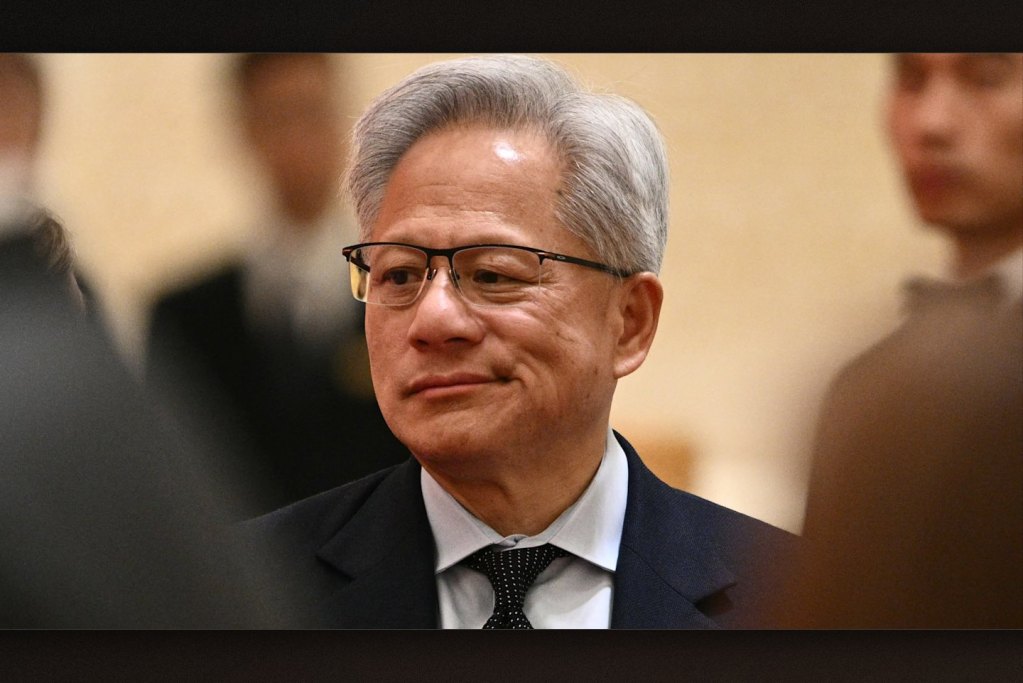
- Jensen Huang has officially stepped down as NVIDIA CEO after 33 years as co-founder and leader of the company.
- This year, NVIDIA took part in 105 funding rounds, often as the largest investor, according to PitchBook.
- Investors expect interim CEO Colette Kress to be more cautious, which could cool valuations and deal activity.
- Google, Amazon, Microsoft, and AMD could fill part of the gap, but are unlikely to put hundreds of millions of USD into startups with no revenue.
- Most investors do not believe NVIDIA slowing its investments will, on its own, halt the AI wave.
Table of Contents
A big funding gap for AI startups
Jensen Huang has officially stepped down as NVIDIA CEO after 33 years of co-founding and leading the company. According to TechCrunch, one neocloud founder said the news felt like "a bomb going off" when he first heard it.
In recent years, NVIDIA has poured tens of billions of USD into startups every year. This year alone, it took part in 105 funding rounds, often as the largest investor, according to PitchBook. Maria Davidson, founder of Relational Capital, says that if this approach changes, many young companies will take a major hit. Shamillah Bankiya of Dawn Capital observes that NVIDIA is "carrying" nearly every AI-native startup, from apps to neoclouds.
Umesh Padval, managing partner at Seligman Ventures, says most of the key startup investment decisions were made by Huang himself. Padval has known Huang since serving on the board of Mellanox Technologies, the networking chip company NVIDIA acquired for about $7 billion in 2020. Investors hope the successor will keep pushing investment forward. Still, they don't expect that to happen soon.
Interim CEO Colette Kress is expected to make some adjustments, especially in investments in AI startups tied to the race to build multibillion-dollar data centers. Huang's rapid-fire dealmaking in this area has previously made Wall Street uneasy. One investor described Kress as "much more conservative" and unlikely to commit comparable capital to feed the early-stage ecosystem.
NVIDIA's big bets
NVIDIA's largest bets are in neoclouds, inference providers, and open-weight models. These are all expensive areas for small companies. Zain Javaid, co-founder of hardware company Ghost, says Huang's initiatives are the main reason this ecosystem took shape.
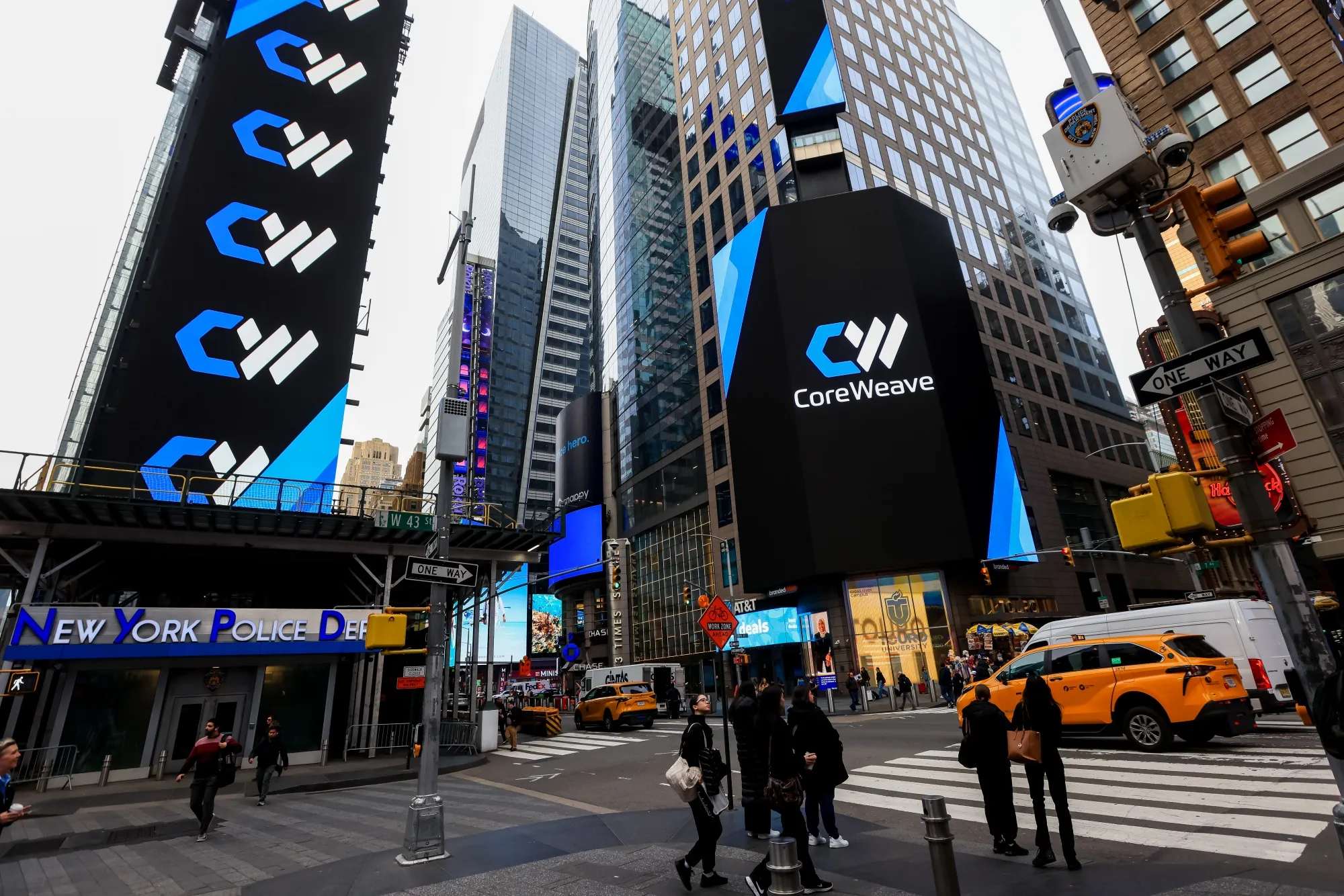
NVIDIA invested in CoreWeave before the company went public. It also took part in two funding rounds for Crusoe, including a $1.4 billion Series E. This year, NVIDIA acquired Hugging Face for $13 billion (expected to close in 2027) and holds stakes in Mistral AI, Lambda, and Black Forest Labs. Last year, according to the Wall Street Journal, it put $800 million into Reflection AI's $2 billion Series B, when the open-source startup had no meaningful revenue.
Bankiya says Huang believes in open source and in Europe, which is why he invested all over the world. If that support ends outside the US, in places like Europe, she says, it would leave a gap in capital and in the ecosystem that no one else can fill.
On the other hand, NVIDIA has dominated the ecosystem to the point where it often looked like a monopoly. By spreading capital generously across many companies, it all but nudged these startups toward its own chips, reinforcing its dominant position. If NVIDIA becomes more cautious, rivals and smaller companies will gain more room. This week Google announced two new chips, just as NVIDIA faces a leadership shake-up.
Who will fill the gap

Some investors expect large cloud providers and other chipmakers to step in. Dharmesh Thakker, general partner at Battery Ventures, predicts Big Tech rivals will compete for the top investor spot. In his view, the winner will be whoever has a good product, an ecosystem able to compete with CUDA, and the financial muscle to sponsor an entire community. CUDA is the software platform that lets developers run AI models on NVIDIA GPUs.
Google, Amazon, Microsoft, and AMD could invest in maturing startups to drive adoption of their own chips and clouds. Even so, Thakker doubts they will put hundreds of millions of USD into infrastructure startups with no revenue, as NVIDIA did.
Under Huang, an infrastructure company that needed $100 million to $500 million to buy GPUs could often raise about half of that from NVIDIA, even at valuations of $1 billion or more. According to one venture investor, NVIDIA's presence reassured other funds enough to invest at high valuations. NVIDIA is now expected to be more selective with new companies while scaling back checks to its existing portfolio. That would help push valuations down. Padval says: "When NVIDIA is on the cap table, everyone feels safe." Without that backstop, traditional venture funds will likely think harder, and may even pause some deals.
Still, few believe NVIDIA slowing its investments will by itself halt the AI wave. Everyone acknowledges that Huang is a major loss for NVIDIA. However, Amulya Vishwanath, a former colleague of his who now runs her own investment fund, says the ecosystem is bigger than any one person. In her view, the industry's talent base will, and must, keep growing.
All of the views above come from investors and founders, not an official NVIDIA statement on its investment strategy after Huang. Readers should watch two things: who is chosen as the long-term successor, and the first investments made under Colette Kress. If NVIDIA's capital slows, the gap will be not only in money but also in the signal that gives other funds the confidence to write checks. It is also a chance for Google, AMD, or the big cloud providers to push their own ecosystems, but the market will need time to see who can truly step in.
Source: TechCrunch
Reviewed by: Hero Association