
Uninterrupted deep sleep may go hand in hand with milder chronic pain

A Danish study found that deep sleep with fewer interruptions was linked to lower chronic pain the next morning, based on brain activity recorded through the ear.
- A research team in Denmark tracked the brain activity of 19 people with chronic pain over several weeks.
- On nights with longer, less interrupted deep sleep (N3), participants reported less pain the next morning.
- Fragmented deep sleep or more light sleep was linked to higher pain levels.
- This is an observational study, so it cannot prove cause and effect.
- If your sleep is restless night after night, talk to your doctor rather than just trying to spend more hours in bed.
Table of Contents
Measuring brain activity at home
After a night of tossing and turning, people with chronic pain often feel far more achy. But how many hours you sleep is only half the story. A new study looked inside sleep, especially the deep sleep stage, to see whether it relates to the next day's pain levels.
Most earlier research on sleep and chronic pain relied on sleep diaries or wearables. These tools can estimate sleep duration and restlessness, but they can't measure brain activity. The Danish team took a different approach: they followed 19 adults with chronic pain, including fibromyalgia, chronic widespread pain, and lower back pain.
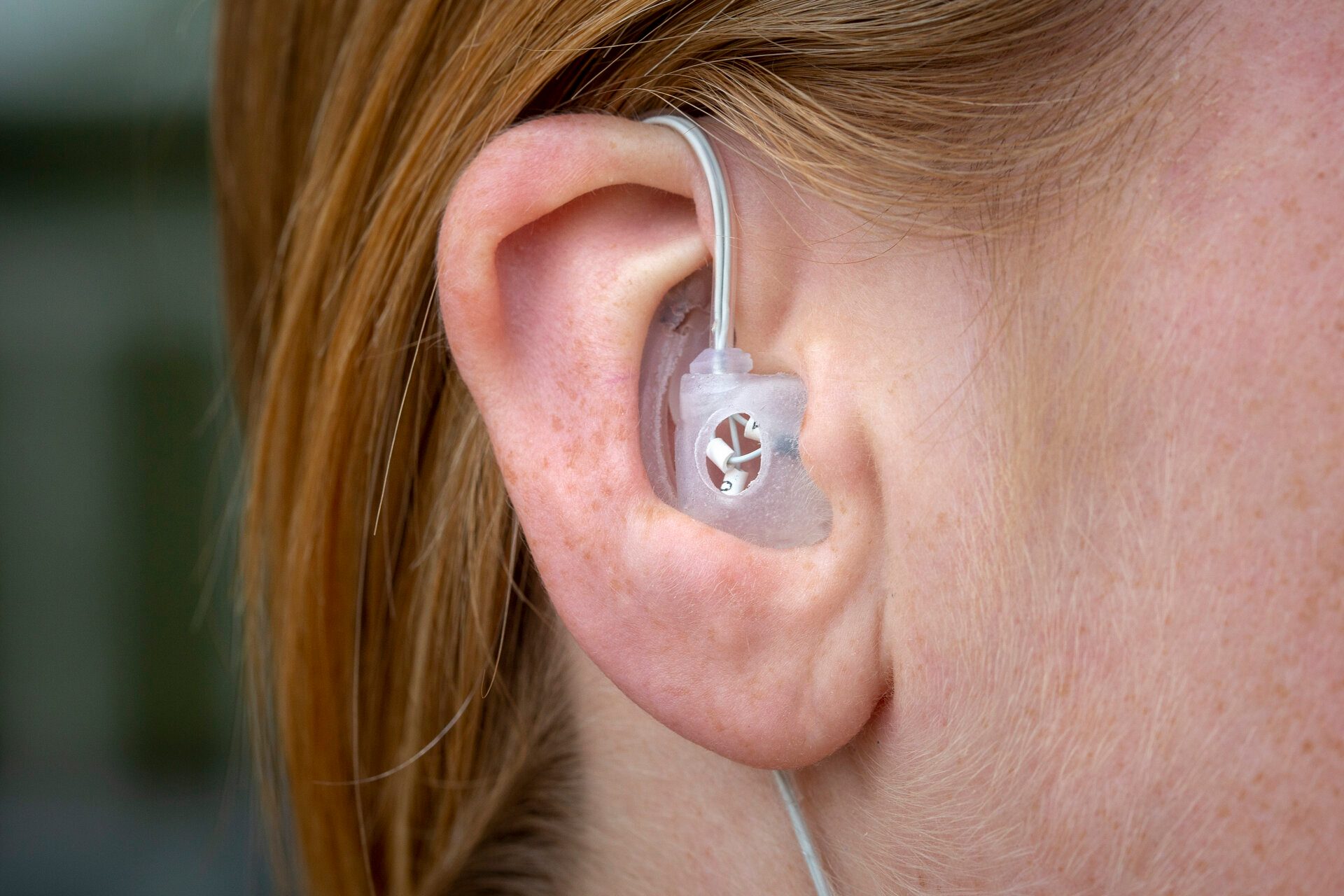
Each participant wore an ear-EEG device at home for several weeks. It is a small sensor that records brain activity through electrodes placed in the ear. Every morning, they rated their own pain. The researchers compared each night against that person's own typical sleep rather than against other people.
Uninterrupted deep sleep and less pain the next morning
The researchers focused on deep sleep (N3), considered the body's restorative stage. Earlier studies have also suggested that this stage helps regulate how the body processes pain. On nights with more deep sleep, especially long stretches without interruption, participants tended to report less pain the next morning.
Conversely, heavily fragmented deep sleep was linked to higher pain levels. Spending most of the night in light sleep was also tied to worse pain. In other words, a good night of deep sleep tends to precede a more comfortable morning. Getting some deep sleep isn't necessarily the same as getting enough continuous stretches of it.
Why deep sleep may relate to pain sensitivity

Deep sleep helps regulate how the nervous system responds to pain, including the body's ability to "turn down the volume" on pain signals. Some studies show that deliberately disrupting this stage makes the body more sensitive to pain. That partly explains why uninterrupted deep sleep stood out in this study.
There may also be a vicious cycle. Pain breaks up sleep. Poor sleep can in turn increase inflammation and make the body more sensitive to pain, so the next night is even more restless. Still, the researchers only observed sleep and did not intervene. The results therefore don't prove that interrupted deep sleep causes worse pain. They simply add to the evidence that sleep quality deserves as much attention as sleep duration.
What to do when pain keeps breaking your sleep
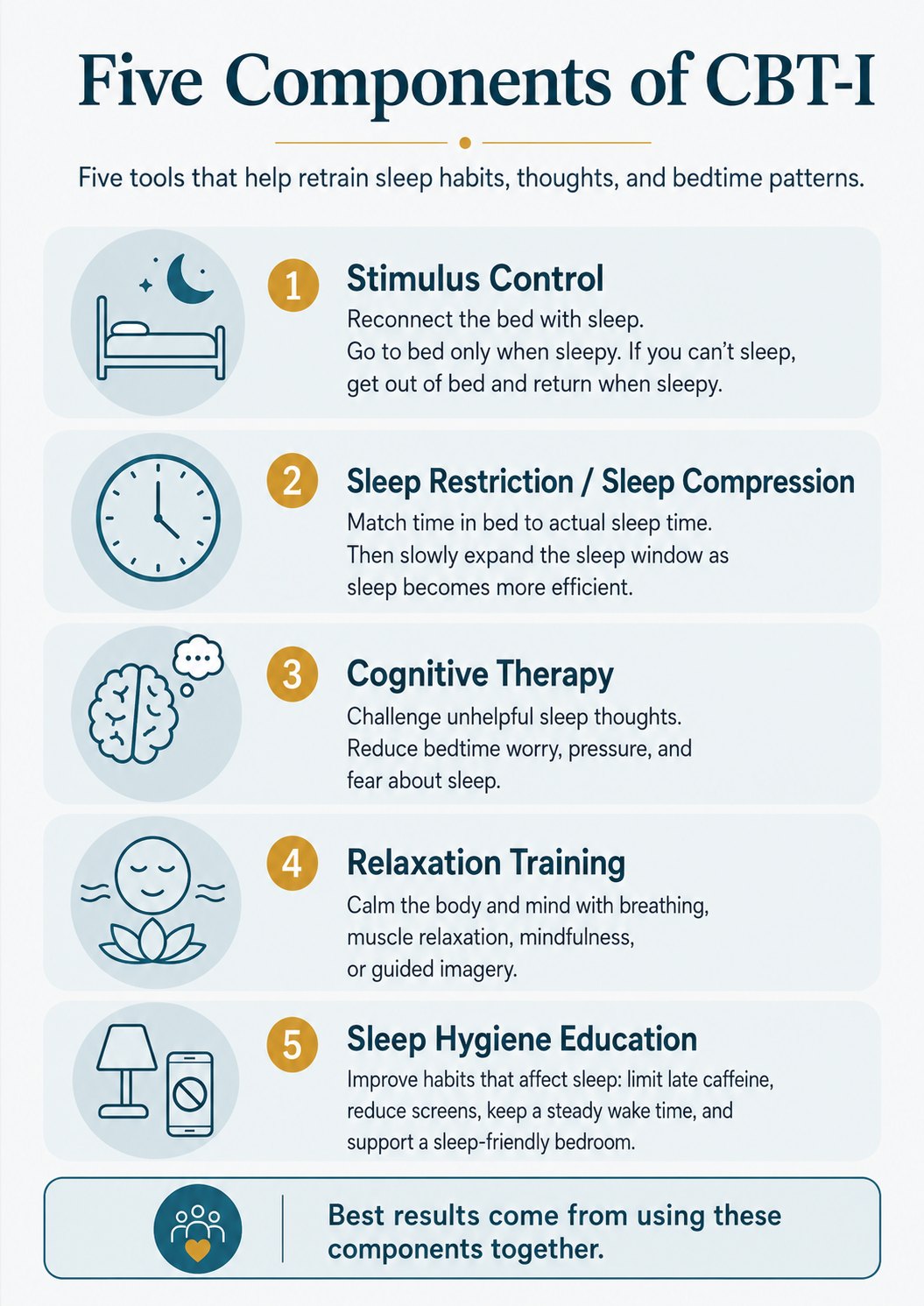
The original article lists three small steps. First, ask your doctor about CBT-I (cognitive behavioral therapy for insomnia). The researchers mention it because it helps reduce fragmented sleep and could be useful for managing pain. Second, tell your healthcare provider about both your pain and your sleep so they can help find the cause and suggest suitable treatment.
Third, don't ignore long-running sleep problems. Waking often during the night or waking up still tired is a problem even if you spend enough hours in bed. For people with chronic pain, the stability of deep sleep may matter as much as the number of hours slept. If your sleep is restless night after night, ask your doctor how to improve its continuity rather than simply spending more time in bed.
In a busy city, traffic noise, muggy heat, or an air conditioner switching on and off in the middle of the night can all break up sleep. The smallest experiment you can try is to keep a log for 1 week: rate your pain from 0 to 10 each morning and note how many times you woke up the night before. This little notebook gives your doctor more concrete data at your appointment. Keep in mind that this is a small study of 19 people, not an official recommendation.
Source: mindbodygreen
Reviewed by: Hero Association