Can light therapy ease seasonal depression? What the research says

Light therapy may help people with seasonal depression, but results depend on timing and on sticking with it for at least 2 weeks before judging whether it works.
- Light affects the circadian rhythm, which is tied to both sleep and mood.
- A 2026 study of 76 people found that getting most of their light in the first 2 hours after waking was linked to lower depression scores.
- A meta-analysis of 17 clinical trials found a significant improvement at around the 2-week mark of light therapy.
- Use it at a consistent time, and follow the manufacturer's instructions and your doctor's advice.
- Light therapy is not a substitute for medical care if your symptoms interfere with daily life.
Table of Contents
Why light affects mood
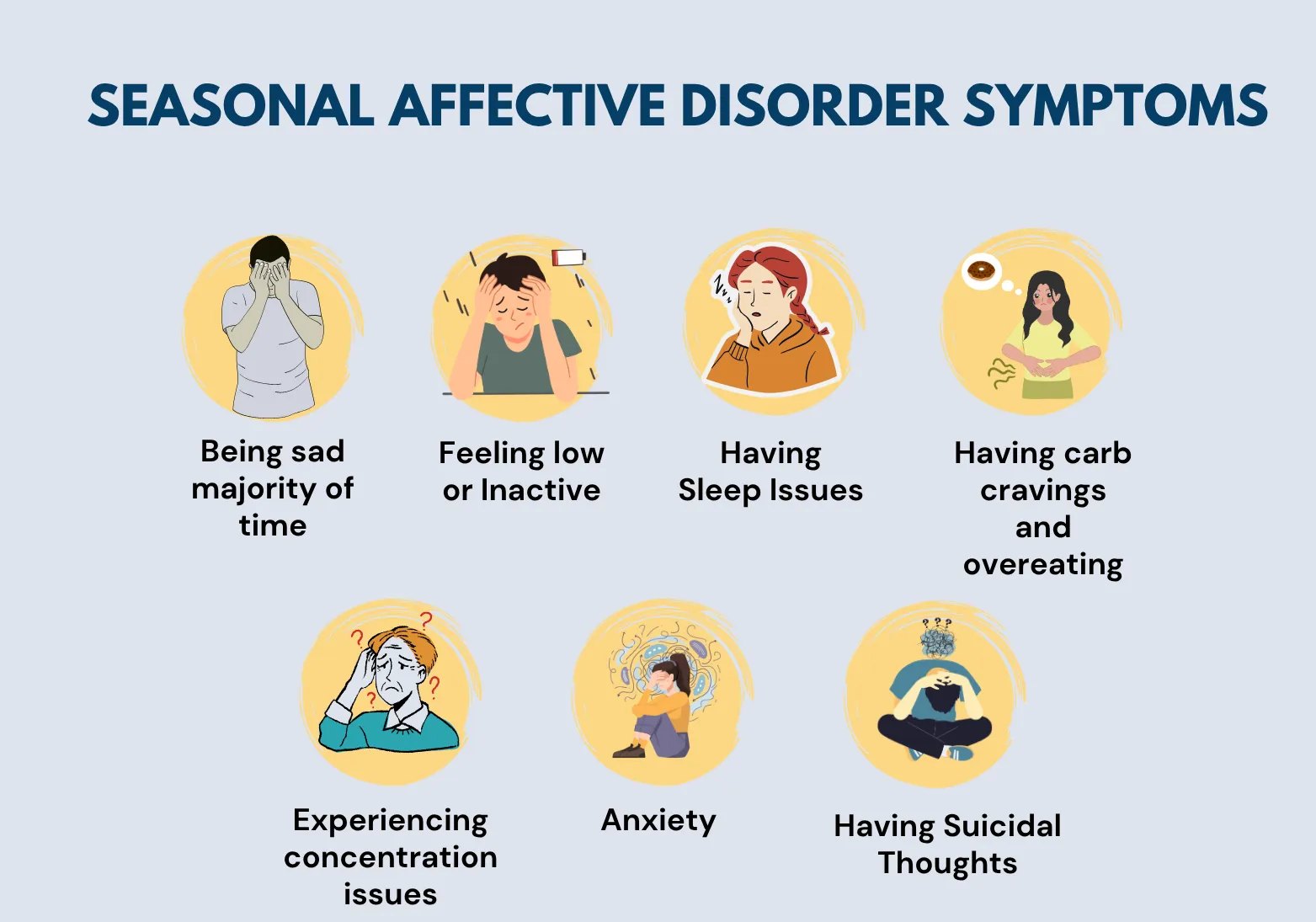
When November arrives and the days get shorter, many people start to feel sluggish, unmotivated, and reluctant to do anything. For some, this is seasonal affective disorder (SAD). The condition typically appears in fall and winter, then eases as the days grow longer.
In some patients, SAD stems mainly from a disrupted circadian rhythm as daylight hours shrink. The circadian rhythm is the internal clock that regulates sleep and wake times. Light therapy uses a dedicated light box to mimic daylight and reset that clock. It sounds simple, but timing and consistency matter as much as the lamp itself.
Morning light and depression scores
A 2026 study tracked the light exposure of 76 people, including some who were taking antidepressants. The authors wanted to see how the timing of light exposure relates to mental health. They found that people who got most of their light in the first 2 hours after waking had significantly lower depression and stress scores than those who got most of their light late in the day.
To be clear, this is a correlation, not proof that morning light therapy cures SAD. Still, it suggests that light early in the day may benefit mood. Many people have long worried about whether they get enough sun, while few pay attention to when that sun arrives.

How long before you know if light therapy works
A 2026 meta-analysis of 17 clinical trials examined the effectiveness of light therapy in people with SAD. The researchers found that improvement reached a significant threshold at around the 2-week mark.
This is a reminder not to give up too soon. A few mornings without a noticeable difference isn't enough to draw a conclusion. That said, it is not a guarantee that everyone will respond within 2 weeks. It simply offers a reasonable window for judging whether the habit helps.
Making light therapy part of your daily routine
If you plan to try it, here are a few points to consider:
- Pick a fixed time: use the light box within the first 2 hours after waking, rather than whenever you remember.
- Follow the recommended duration: brightness and session length vary by device, so read the instructions and ask your doctor what suits you.
- Pair it with an existing habit: use it during breakfast or while reading to make it easier to stick with.
- Don't treat it as a substitute for medical care: if seasonal depression affects your daily life, see a healthcare professional. Light therapy isn't suitable for everyone, and some health conditions call for a different or combined approach.
You can also add natural light and movement to your mornings, such as a walk outdoors. However, outdoor sunlight may not replace a properly prescribed light therapy session. Whichever route you take, give the habit a fair chance before deciding whether it works.
In Ho Chi Minh City, day length varies far less over the year than in temperate regions, so fall-and-winter SAD is less of a main concern. But many people live in apartments with little sun, commute early, and sit in air-conditioned offices all day, and they can still be short on morning light. The smallest experiment: tomorrow morning, within the first 2 hours after waking, step out onto the balcony or to a nearby cafe and have a coffee in daylight, then keep that routine for about 2 weeks to see whether your mood changes. This is only a supporting habit. If sadness or fatigue persists, see a doctor rather than trying to cope on your own.
Source: mindbodygreen
Reviewed by: Hero Association