The next-generation Elantra Hybrid gets a power bump to 155 hp, one-pedal driving like an EV, and a 12.9-inch screen running Hyundai's Android Automotive OS software.
- Hyundai unveiled the 2027 Elantra and 2028 Elantra Hybrid at the LA Auto Show, with the hybrid targeting 53 mpg
- The hybrid rises to 155 hp (up from 139 hp) with a 45 kW electric motor, and regenerative braking enables one-pedal driving
- A 12.9-inch screen runs Pleos Connect on Android Automotive OS, paired with the Gleo voice assistant
- Pricing and detailed specs are not yet available, and sales are expected to begin in 2027
Table of Contents
Why this small sedan matters
The Elantra has never been a headline-grabber, but it matters a great deal to Hyundai: it is the brand's second-best-selling vehicle, behind only the Tucson. This week at the LA Auto Show, Hyundai showed the 2027 Elantra and the 2028 Elantra Hybrid, even as many automakers in the US have abandoned affordable compact sedans to focus on higher-margin SUVs. With buyers increasingly sensitive to both fuel costs and sticker prices, a mainstream sedan with a second-generation hybrid option is still worth watching.
A stronger, more efficient hybrid
The hybrid pairs a 1.6-liter four-cylinder gas engine with a six-speed dual-clutch automatic transmission. Total output at the front axle rises to 155 hp, compared with 139 hp for the current car, thanks to a stronger 45 kW electric motor in place of the previous 32 kW unit. Hyundai is targeting 53 mpg for this version.
The regenerative braking system has also been updated to recover energy during deceleration. At its strongest setting, it delivers EV-style one-pedal driving and can even bring the car to a complete stop. The car also gets a new Stay mode, which lets the climate control and infotainment system run for up to 30 minutes while parked without starting the gas engine, handy when you are waiting for someone.
The standard Elantra keeps the current generation's 2.0-liter four-cylinder engine and continuously variable transmission (CVT), rated at 147 hp with a combined target of 35 mpg. The car is bigger than before, but fuel economy is not expected to get worse, while power stays the same. Given the gap in efficiency, the hybrid is likely the smarter pick, though it will probably also be the more expensive one.
The cockpit and the Gleo assistant
The cockpit has been redesigned. A 9.9-inch digital instrument cluster (the Slim Information Display) now has no hood and sits farther from the driver, closer to the windshield. That placement brings vehicle information closer to the driver's line of sight, similar to the layout on some recent Toyota models.
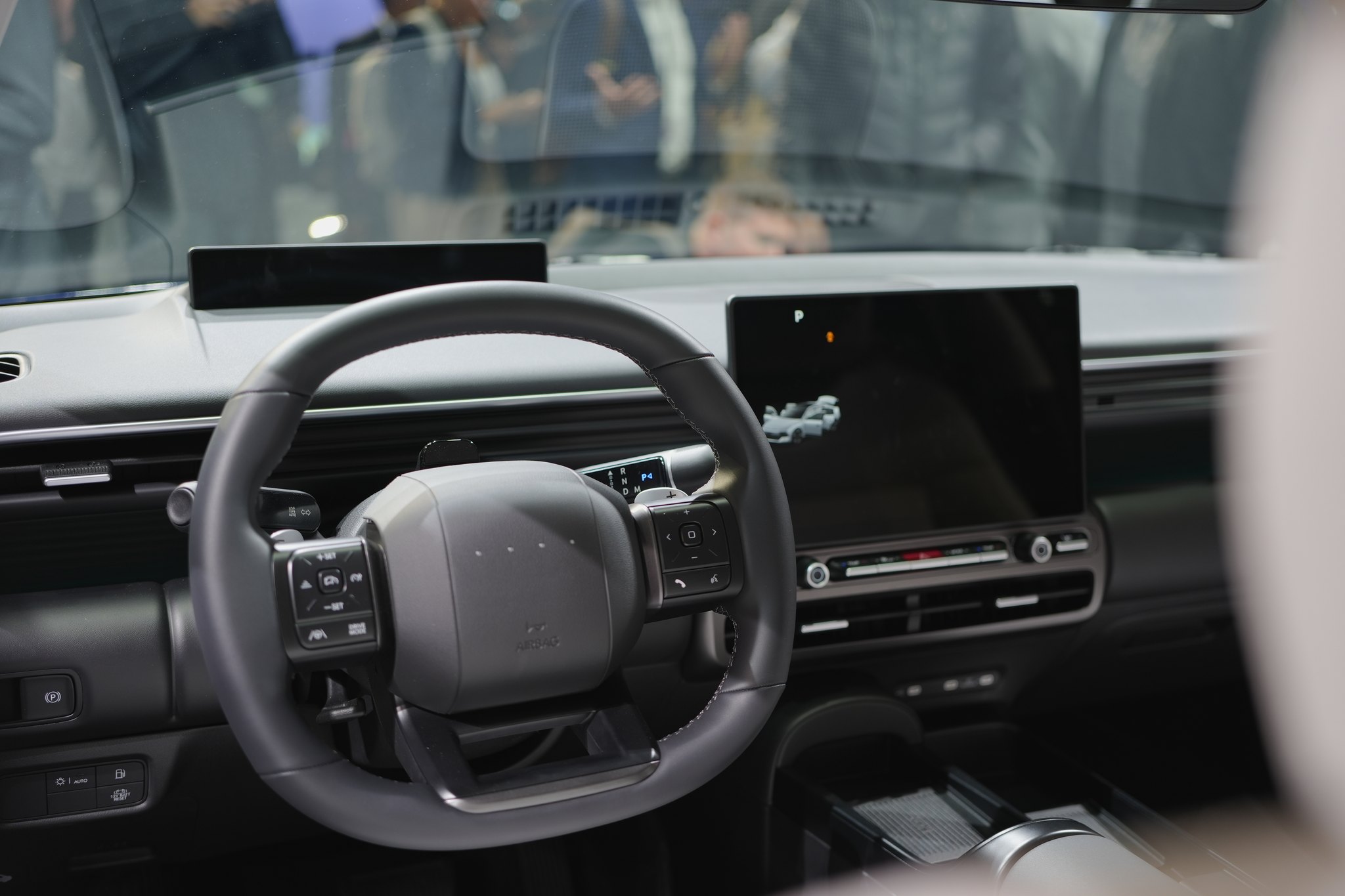
At the center of the dash is a 12.9-inch screen running Pleos Connect, Hyundai's new infotainment software built on Android Automotive OS. Although the platform is Android, the system uses Hyundai's own navigation and media software rather than Google Maps. The car supports over-the-air (OTA) updates and comes standard with wireless Apple CarPlay and Android Auto, so anyone used to phone apps can still bring them along.
Alongside Pleos comes Gleo AI, a new voice assistant that lets the driver and passengers talk to the car instead of tapping the screen. Hyundai says the system can understand context, handle multiple commands at once, and recognize which seating zone a request comes from. In other words, the car knows who is speaking and where they are sitting, and can interpret commands accordingly.
Design and space
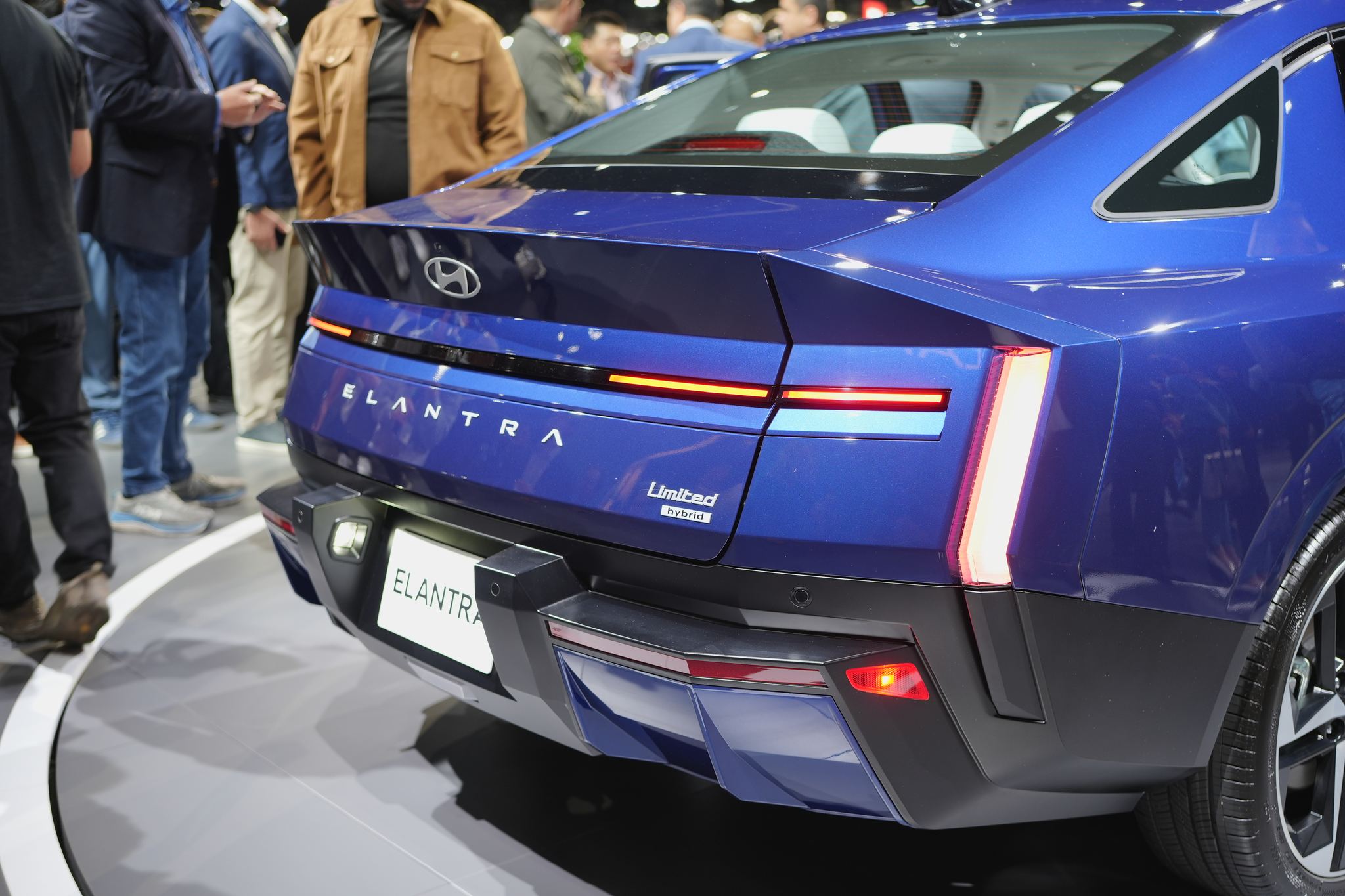
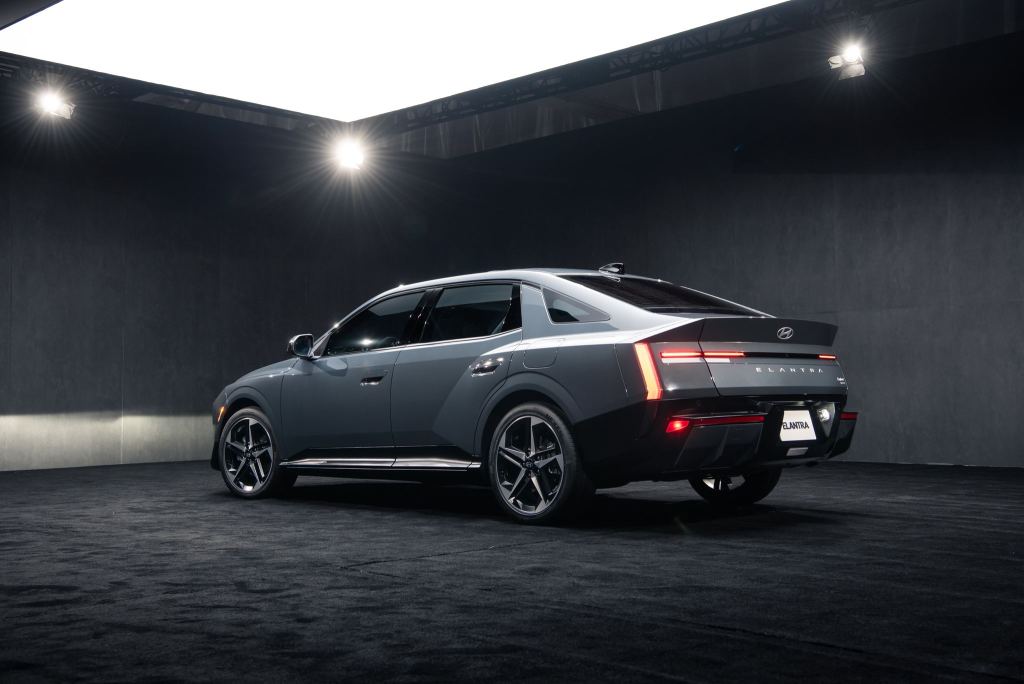
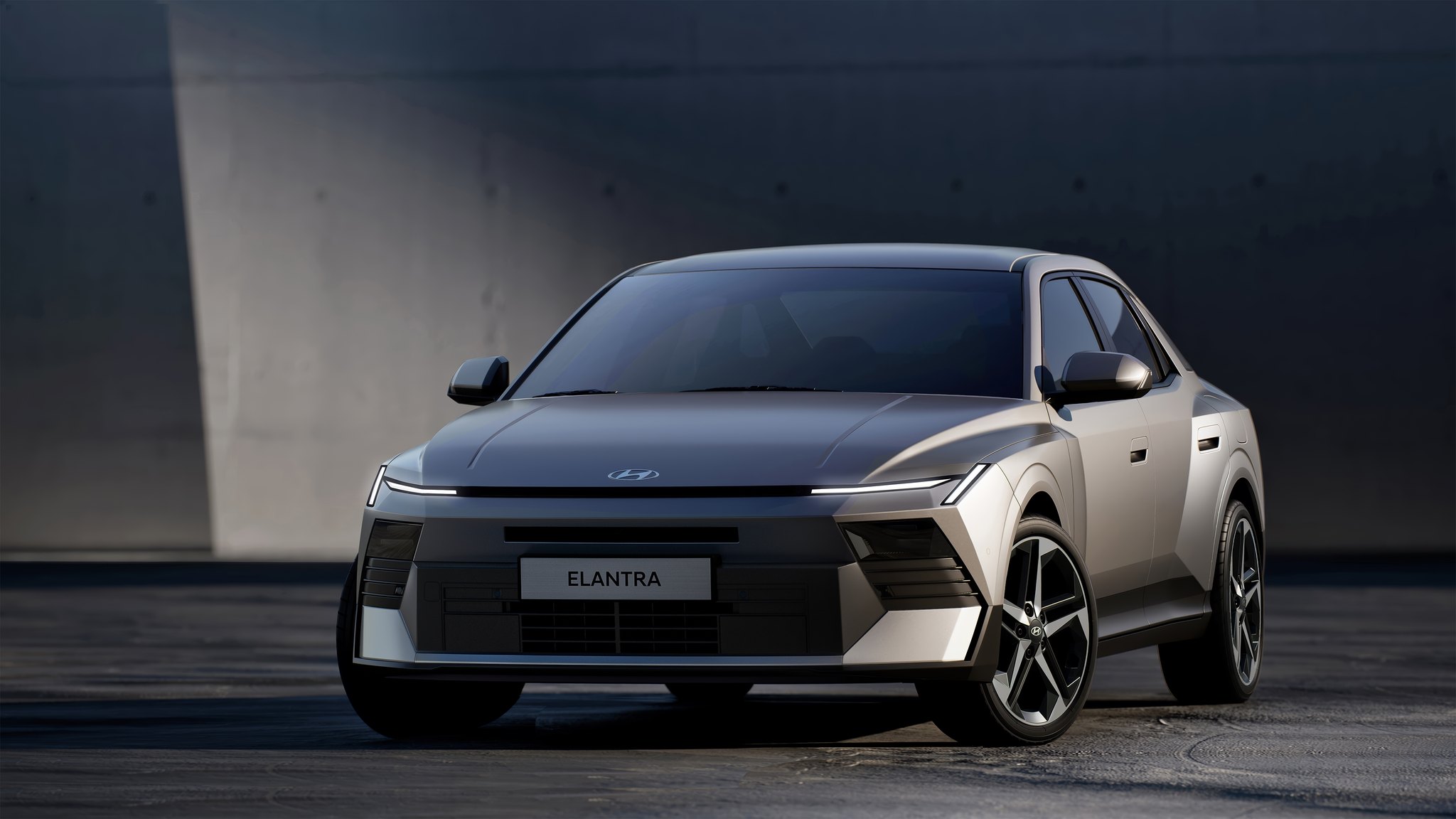
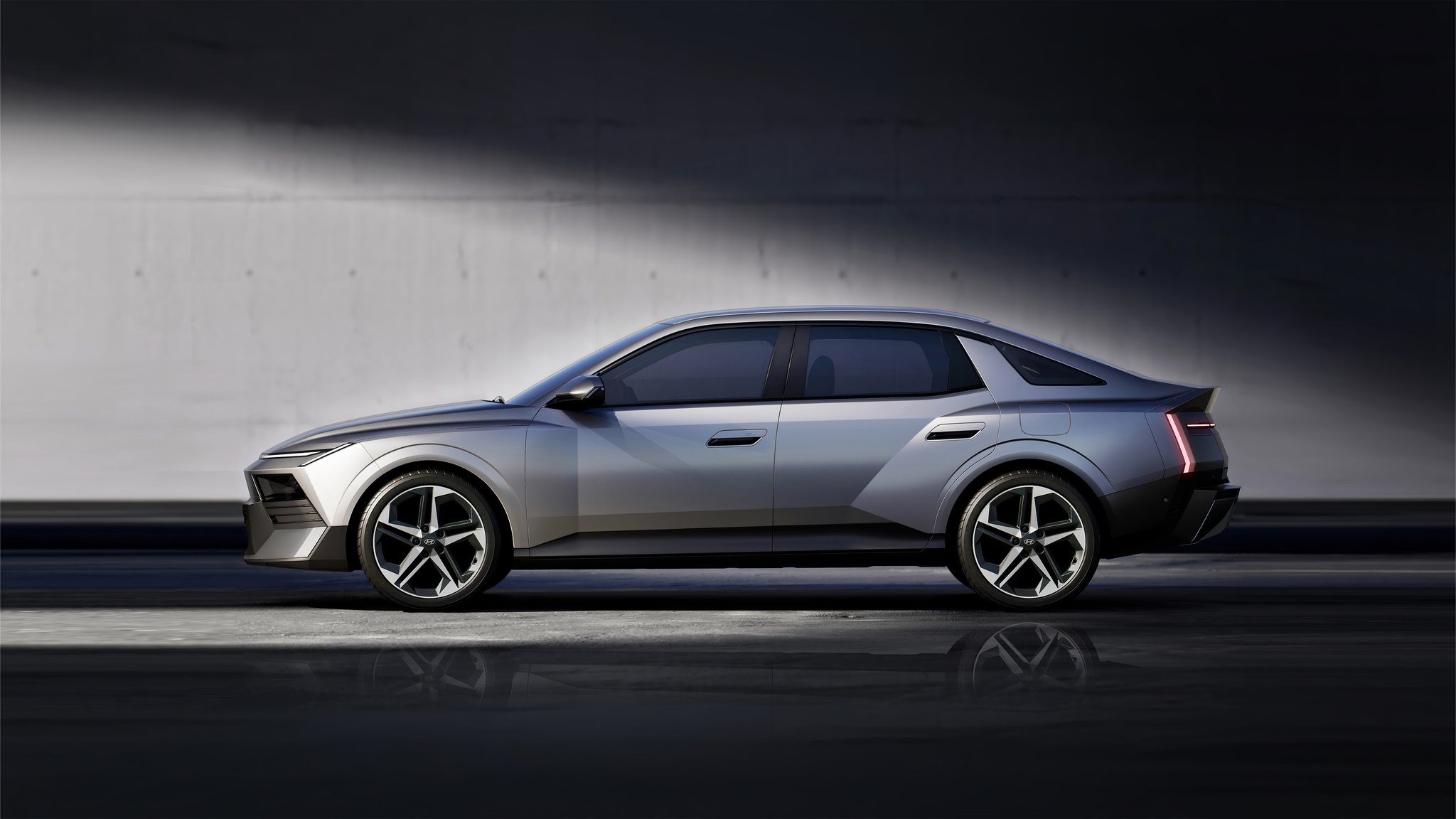
Hyundai sums up the car's philosophy with a line from Olabisi Boyle, senior vice president of product: "Affordable doesn't have to be anonymous." The new Elantra debuts the brand's Art of Steel design language, with muscular fender flares reminiscent of Hyundai's newer SUVs. The tall greenhouse looks a bit cartoonish from the wrong angle, but it buys more headroom inside, and the triangular rear window recalls the N Vision 74 concept and the hydrogen-powered Nexo.
The car is 188.8 inches long on a 108.3-inch wheelbase, which makes it 1.2 inches longer than the current generation. The extra length goes to the rear seats, which now offer 39.1 inches of legroom. The designers say the interior is approaching mid-size sedan territory, and that claim holds up: at the unveiling, several people over 6 feet tall climbed into the back seat with relative ease.
When it goes on sale
Hyundai did not announce pricing or detailed specs at the unveiling, and the on-sale date remains unclear. Based on model years, which typically run ahead of the calendar year, the 2027 Elantra will likely reach customers in early 2027, with the 2028 Elantra Hybrid following later that year.
The most notable thing about the new Elantra is that Hyundai no longer treats the mainstream sedan as a segment that only needs to be good enough. It raises the hybrid to 155 hp and brings in an Android Automotive OS platform and an AI assistant, features that used to be reserved for pricier cars. That said, 53 mpg is only a target and pricing is still unknown, so whether the hybrid is a real bargain depends on its premium over the gas model. Hyundai has also said nothing about the Vietnamese market, so interested readers should treat this as a signal of the brand's direction rather than a car to plan a purchase around right now. What is worth waiting for is official pricing and real-world fuel economy figures once the car goes on sale.
Source: CNET
Reviewed by: Hero Association