Samsung reportedly wants to lock 60% to 70% of its mid- and long-term memory capacity into multiyear contracts, and its 2027 DRAM wafer capacity is said to be sold out as well.
- According to Korea's Economy Tribune, most of Samsung's memory capacity for 2027 through 2029 is already reserved under contract
- Samsung has signed long-term supply agreements with 10 major customers, and 10 more are in negotiations
- Some customers want to extend deals to 2031, possibly with upfront payments and fixed pricing written into the contracts
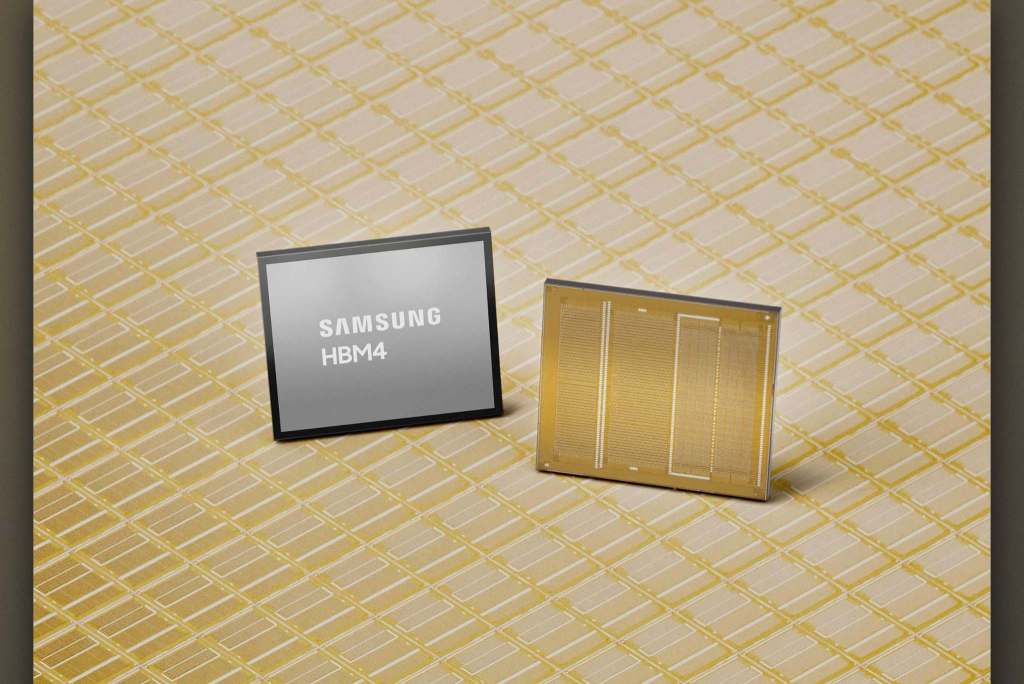
- HBM for 2027 is sold out, and DRAM wafer capacity for 2027 is also reportedly exhausted
- NAND may not be as tight as DRAM: TrendForce forecasts contract prices could start falling in Q1 2027
Table of Contents
Capacity is booked through 2029
According to a report from Korea's Economy Tribune, citing industry sources, customers have already reserved most of Samsung Electronics' memory production capacity for 2027 through 2029 via contracts. Some customers are also asking for additional allocation beyond what they have committed to, which shows how fierce the scramble for capacity has become as AI infrastructure continues to absorb enormous volumes of chips worldwide.
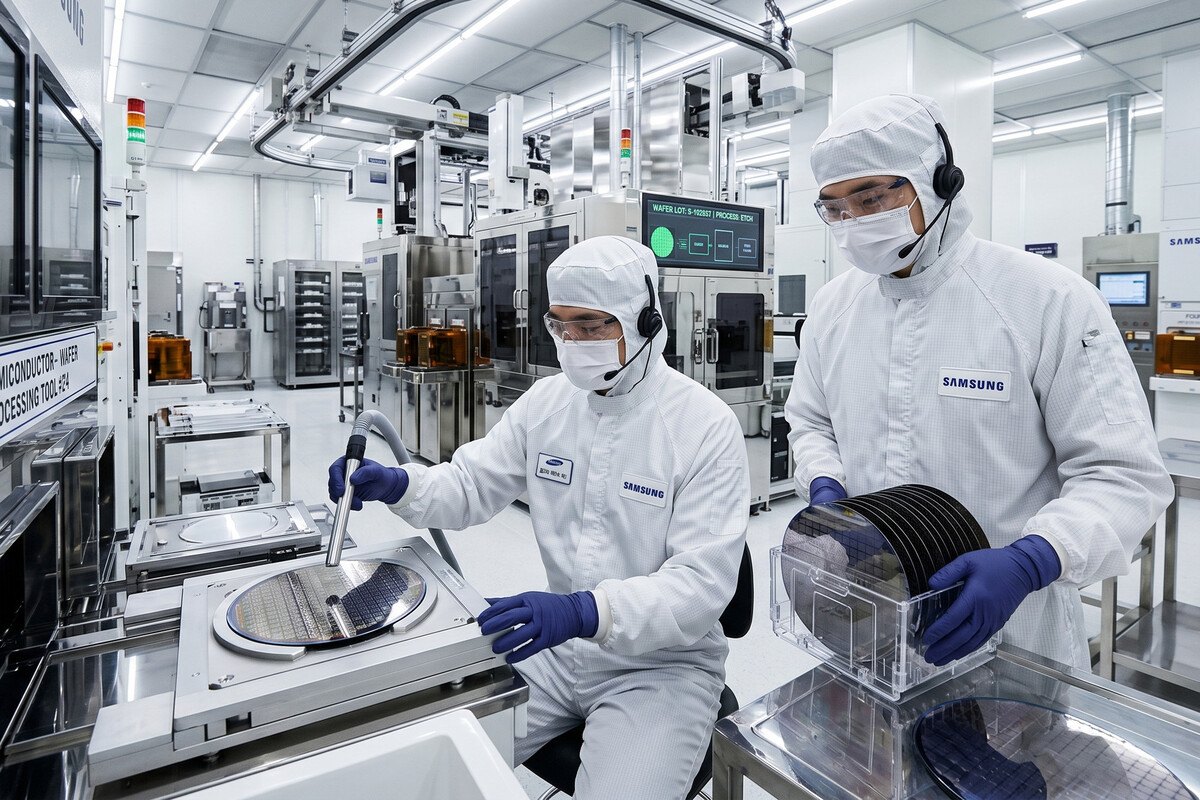
The figures line up with what Samsung disclosed in its Q3 2026 earnings report: the company has signed long-term agreements (LTAs) with 10 major customers, while 10 others are negotiating and many deals are reportedly close to being finalized. Samsung aims to have roughly 60% to 70% of its mid- and long-term memory capacity covered by multiyear contracts by 2030. That would give it better visibility into upcoming revenue and help it hold on to major tech customers.
Customers are pushing even further. According to the report, some want agreements that run to 2031, potentially with prepayments and contractual pricing mechanisms to shield both sides from market swings.
Why capacity can't expand quickly
The heaviest pressure is on both high-bandwidth memory (HBM) and conventional DRAM. Samsung has previously confirmed that its 2027 HBM supply is sold out, and industry sources now say DRAM wafer capacity for 2027 is nearly exhausted too. There is a technical reason behind this: producing next-generation HBM consumes a large amount of DRAM wafer capacity, so even as the company increases capital spending, conventional DRAM output cannot expand quickly. Leading memory makers can currently meet only about 60% to 70% of customer demand, and the shortage could worsen in 2027.
Samsung itself has warned that additional capital spending will not lift output immediately. New fabs take years to come online, and increasingly complex HBM products continue to pull down the effective capacity the company can use. So contracts that fill the books through 2029 reflect not only overwhelming demand but also how hard it is for supply to keep up.
DRAM stays tight, NAND is less certain
The shortage is not limited to HBM. Supply of conventional DRAM is reportedly getting tighter as manufacturers prioritize high-margin products for AI accelerators and data centers. Demand for NAND and enterprise SSDs also remains strong, to the point that suppliers are struggling to meet some customer requests.
The longer-term NAND picture, however, is far less certain. Research firm TrendForce recently forecast that NAND contract prices could begin to fall in Q1 2027, as Chinese cloud providers cut enterprise SSD orders while production output rises. That runs counter to the prevailing shortage narrative and suggests DRAM, HBM, and NAND could follow quite different paths.
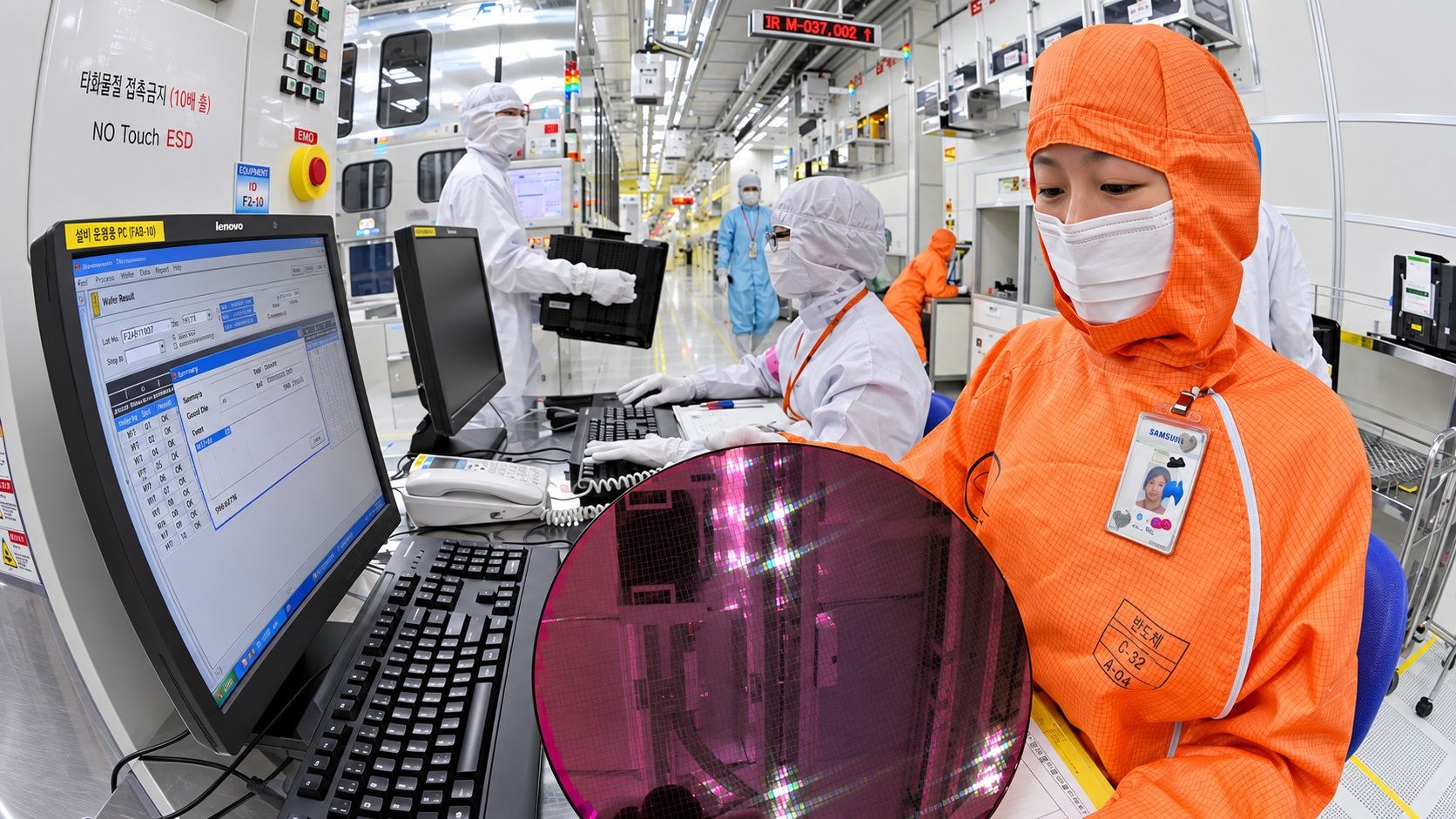
For PC users and retail buyers, these developments suggest that relief in DRAM may be a long way off, especially if capital spending on AI infrastructure keeps its current pace. Still, long-term contracts do not mean memory prices will stay high forever, since price pressure can ease when demand shifts. For now, Samsung's order commitments through 2029 are one more sign of how deeply the AI boom has reshaped the memory semiconductor industry.
Migovi believes the most notable point in this story is that multiyear contracts are turning memory from a commodity bought quarter by quarter into something reserved far in advance, so the capacity left for the consumer market will shrink accordingly. Because AI customers are willing to pay upfront and sign long-term deals, manufacturers have reason to prioritize them over PC RAM, and that argument fits reports that conventional DRAM is in short supply. For users in Vietnam, anyone planning a RAM upgrade should not expect prices to fall in the short term, while anyone who needs an SSD may be able to wait, since TrendForce forecasts NAND prices could fall from early 2027. That is only a forecast, though, so the sensible approach is to buy what you actually need rather than stockpile.
Source: Wccftech
Reviewed by: Hero Association