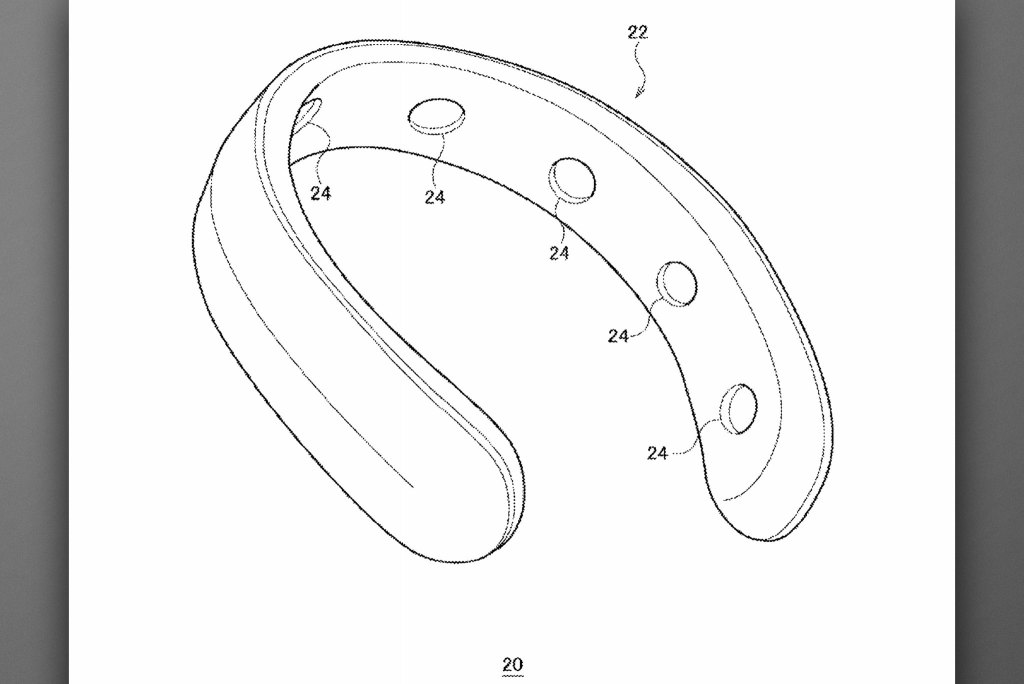
Sony's collar has eight air outlets that can signal enemies approaching from behind or simulate the rush of speed in racing games, but for now it exists only as a patent drawing.
- Sony Interactive Entertainment has filed a patent (US 2026/0357800 A1) for a curved neck-worn collar that blows air at the player's neck, chin, and face
- The design has eight small blowers around the collar, taking commands from an external device that is most likely a console or PC
- Example scenarios include an enemy approaching from behind and wind effects in racing games
- This is only a patent filing, and no product or launch plan has been announced
Table of Contents
A neck collar that blows air
Sony has a reputation for filing fairly ambitious patents, and its latest filing continues that trend. Sony Interactive Entertainment has registered a curved neck collar with air outlets on the inner surface that direct airflow toward the wearer's neck, chin, and face. The filing, numbered US 2026/0357800 A1, was spotted by Patentlyze after it was published on November 12. Sony itself describes its goal as "increasing immersion" for players.
How the device works
According to the drawings, eight small blowers around the collar serve as the airflow outlets. Sony also mentions piezoelectric elements that vibrate a thin plate at high speed, apparently so the airflow can keep up with what is happening on screen. Inside the collar is a communication unit that receives control signals from an external device, then decides which outlets blow and how strongly. The filing does not say what that external device is, but it is most likely a console or PC.
Scenarios Sony describes
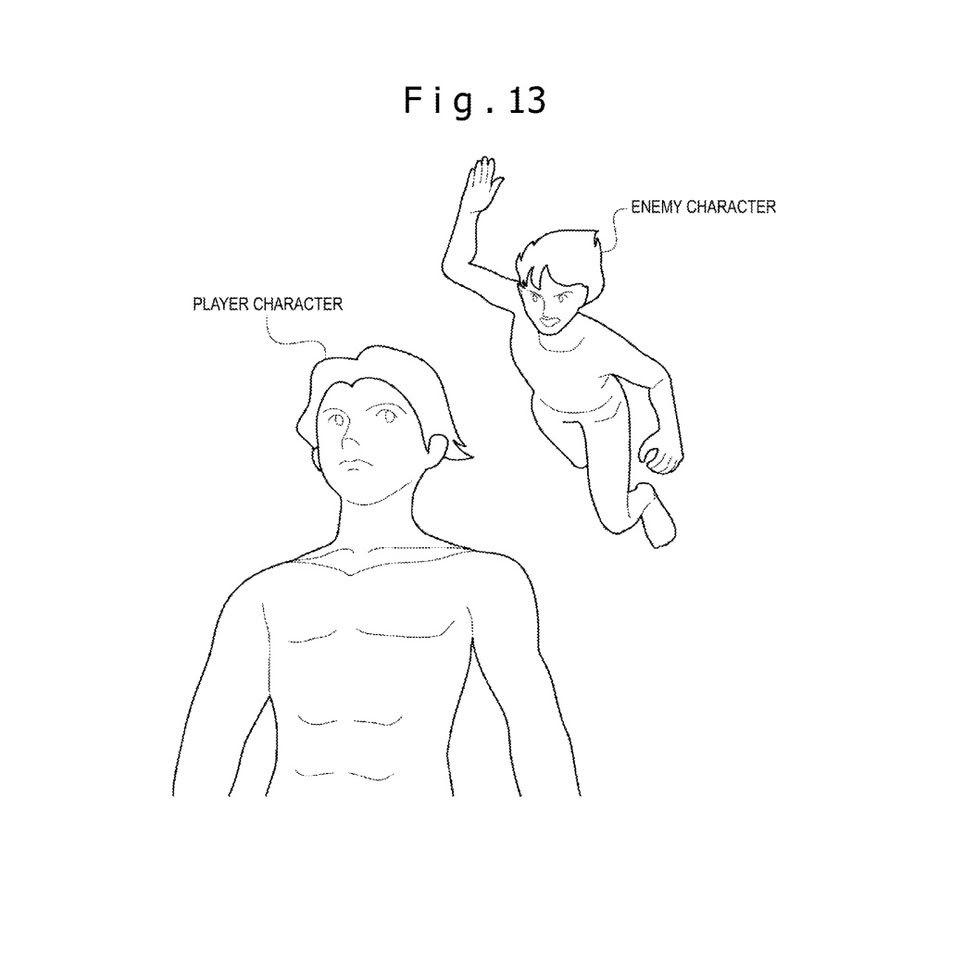
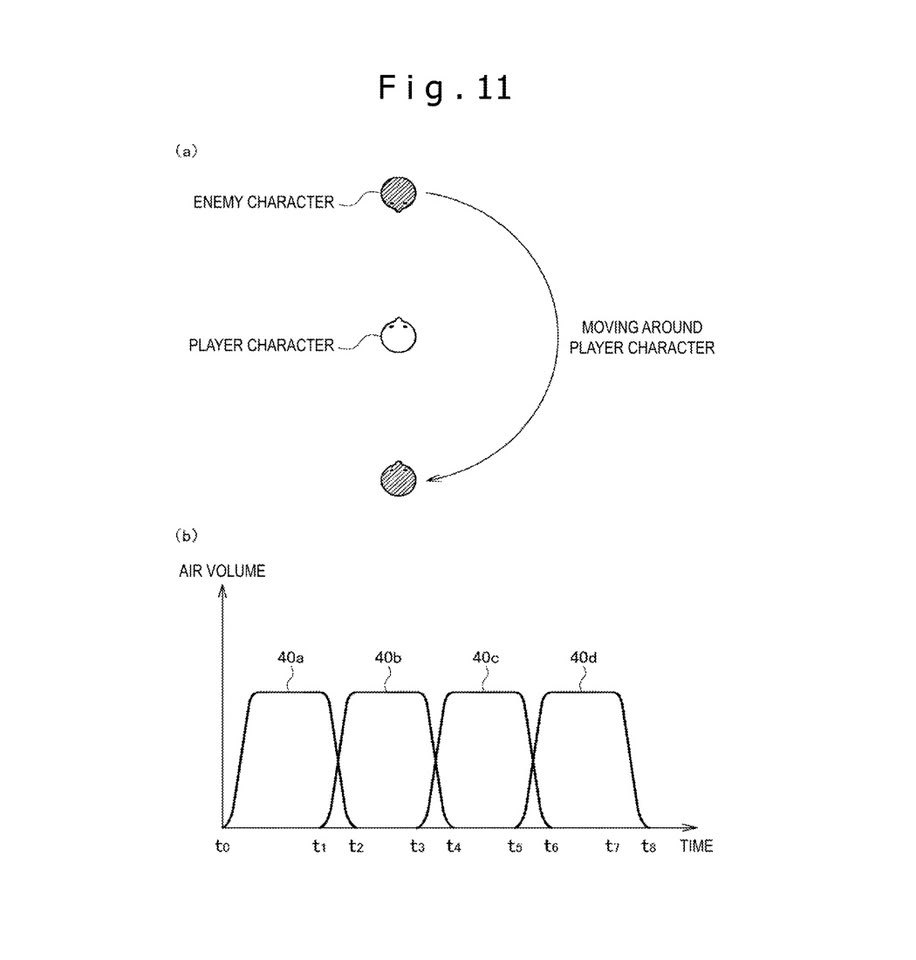
Some of the diagrams in the filing are intriguing. In one, an enemy approaches from behind the player, and the collar signals its arrival with a puff of air on the back of the neck. The filing also says certain stimuli could trigger stronger, more rapid bursts of air, while racing games are cited for the effect of wind hitting the face. This suggests Sony is thinking beyond cooling and wants to make airflow another sensory channel alongside visuals, audio, and vibration.
The VR headset connection and the limits of a patent
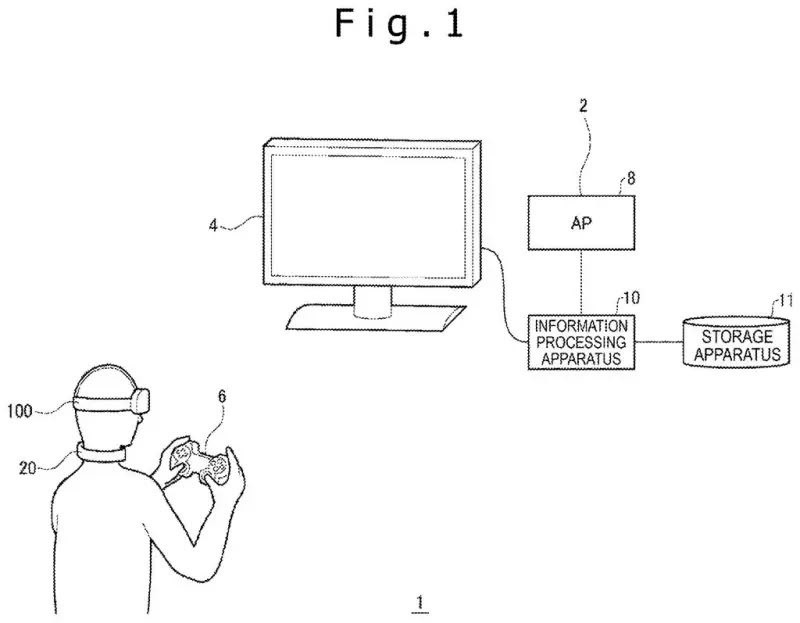
One diagram in the filing pairs the collar with a virtual reality headset, so the technology is likely aimed at PS VR2 or its successor. Even so, a patent is not a finished product, and companies (Sony included) file plenty of applications that go nowhere. One similar example is a patent that converts in-game audio into visual cues for deaf and hard-of-hearing players.
The idea of using airflow to let players "feel" the direction of danger sounds appealing, especially with VR headsets that already block out the outside view, but Migovi believes the road from drawing to retail product is still very long. The filing explains how the device works and offers a few example scenarios, yet there is no information on pricing, the noise of eight blowers, comfort over long sessions, or which games would support it. So there is no need to wait or hold back when buying VR accessories today. Treat this as an experimental direction from Sony, and wait until the company announces a real product before judging it.
Source: TechPowerUp
Reviewed by: Hero Association