A 28-core Nova Lake-S sample has surfaced under the name Intel 0000, hinting that Intel may move to four-digit SKU names, though the 5.2 GHz clock speed is far from a final figure.
- A Nova Lake-S sample with the NVL identifier and 28 cores has appeared on OpenBenchmark, with a recorded clock speed of 5.2 GHz
- The processor is listed as Intel 0000, which fits rumors that Intel will use four-digit SKU names
- The configuration is likely 8 P-cores, 16 E-cores, and 4 LPE-cores, running on a reference motherboard with 32 GB of RAM, Ubuntu 26.04, and an early BIOS
- It is unclear whether 5.2 GHz is a sustained clock or the peak value measured, so it cannot be treated as the retail boost clock
Table of Contents
A 28-core processor shows up on OpenBenchmark
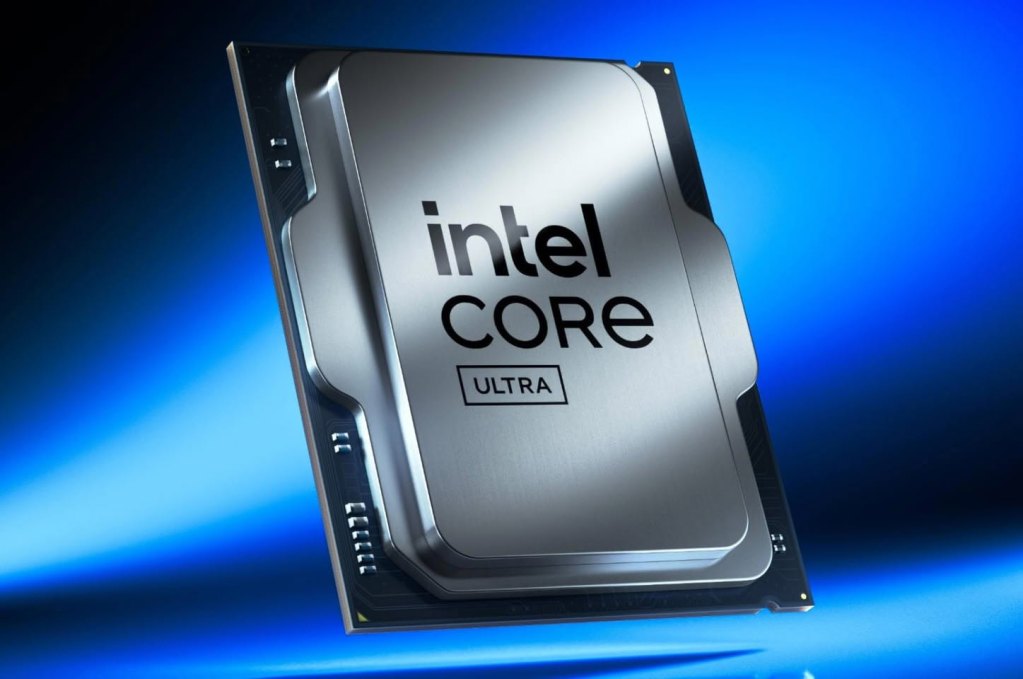
A Nova Lake-S variant built around a single Intel compute die has been logged in data from the OpenBenchmark testing suite, with 28 cores and a 5.2 GHz boost clock. The processor carries the NVL identifier, so it is reasonable to conclude that a Nova Lake-S SKU with this configuration already exists as an engineering sample. Its display name is Intel 0000, which doesn't resemble any product currently on sale.
The name is notable because it matches rumors that Intel will name SKUs with four digits, replacing the three-digit scheme of recent years. If that's true, the new format could soon become standard across upcoming chip lines. The integrated graphics were also identified as Intel NVL-S, which suggests the platform is being tested well beyond pure CPU workloads: the tests include Quake II RTX, Unigine benchmarks, Hashcat, and a range of OpenCL tasks.
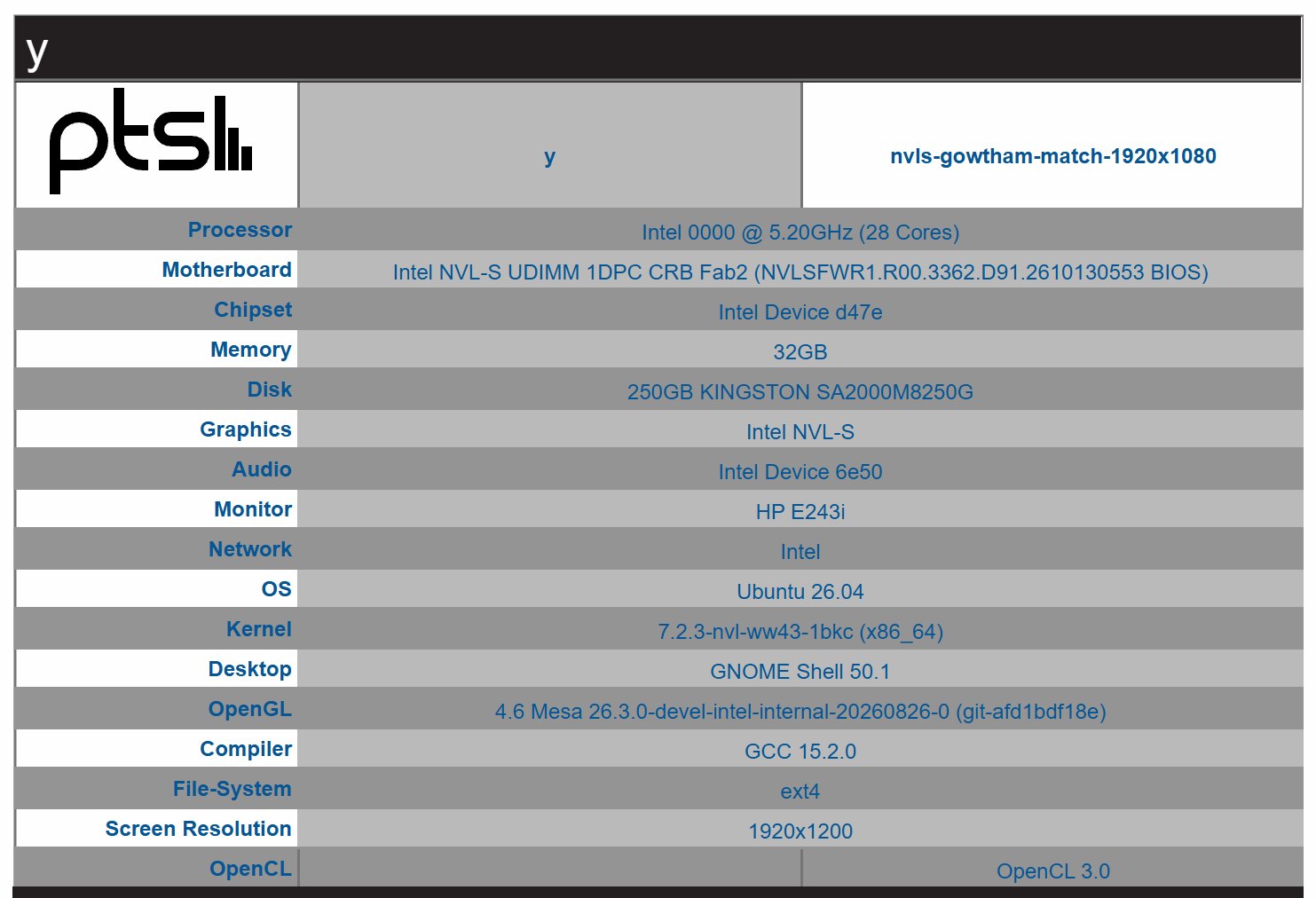
Test system configuration
The system reports 28 CPU cores, most likely 8 P-cores, 16 E-cores, and 4 LPE-cores, with a recorded operating clock of 5.20 GHz. The motherboard is identified as the Intel Nova Lake-S reference platform, specifically the NVL-S UDIMM 1DPC CRB Fab2 configuration, running a very recent BIOS build. The machine has 32 GB of memory and runs Ubuntu 26.04, so the tester is most likely an internal Intel engineering team or an OEM partner with a sample board on hand.
Treat the 5.2 GHz figure with caution
Although 5.2 GHz sounds promising, it says nothing definitive about the final boost clock. Engineering samples often run with different firmware, power limits, and frequency settings than retail products, so shipping clocks could end up higher or lower. The listing also doesn't say whether 5.2 GHz was sustained throughout the test or is simply the highest value ever recorded, and those two cases mean very different things.
Migovi believes the most valuable takeaway from this finding is the sign that the Nova Lake-S platform has reached the stage of running real software on a reference board, while the 5.2 GHz figure should be treated as a scrap of information that isn't enough to conclude anything about performance. The reasons: the sample is running an early BIOS, the tester's identity is unknown, and the data can't distinguish sustained clocks from peak clocks. If you're weighing a PC upgrade, waiting for more leaks that include concrete benchmark scores, along with official information from Intel, will be far more useful than relying on a single listing like this one.
Source: TechPowerUp
Reviewed by: Hero Association