Even if it were made entirely of copper, Sony's 670 g Walkman would contain only about $10 worth of metal, yet US prices run more than 50% above Japan's for the same player.
- Sony opens preorders for three new Walkman models on October 15: the NW-ZX900 at $1,899, the NW-WM1AM3 at $2,999, and the NW-WM1ZM3 at $5,899
- The two cheaper models cost more than twice as much as their predecessors, while the flagship is up 59% from the $3,699 price of 2022
- All three deliver the same 250 mW per channel from the 4.4 mm balanced jack and differ mainly in materials and storage, from 64 GB to 256 GB
- After accounting for tax, US prices run more than 50% above Japanese prices for the same player
- For a more affordable Walkman, the $349 NW-A306 is still available
Table of Contents
Three new Walkman models and their prices
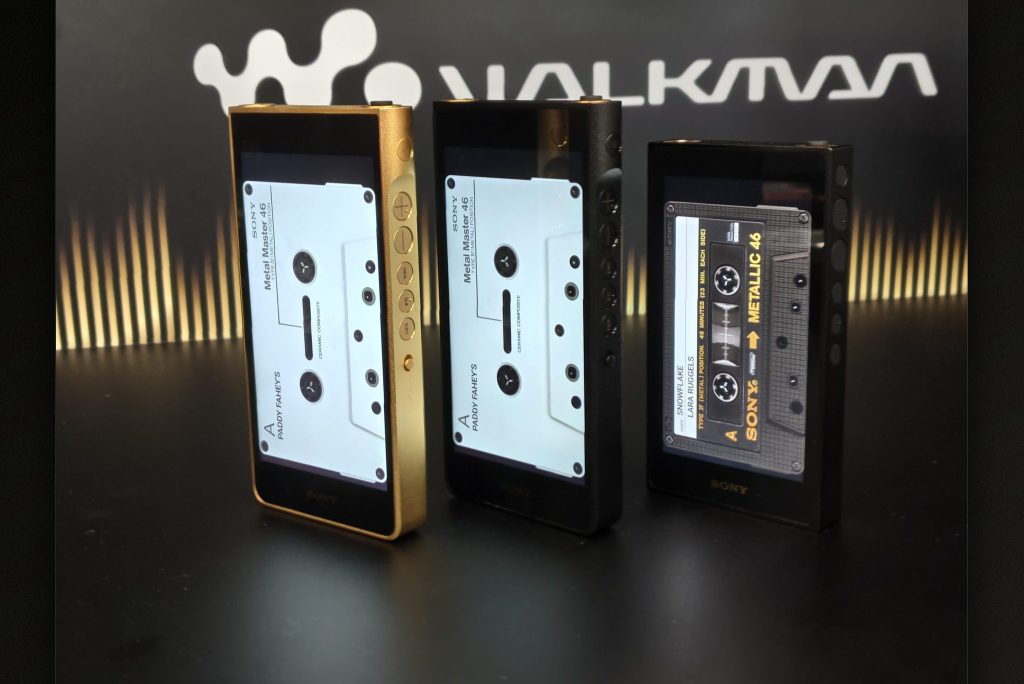
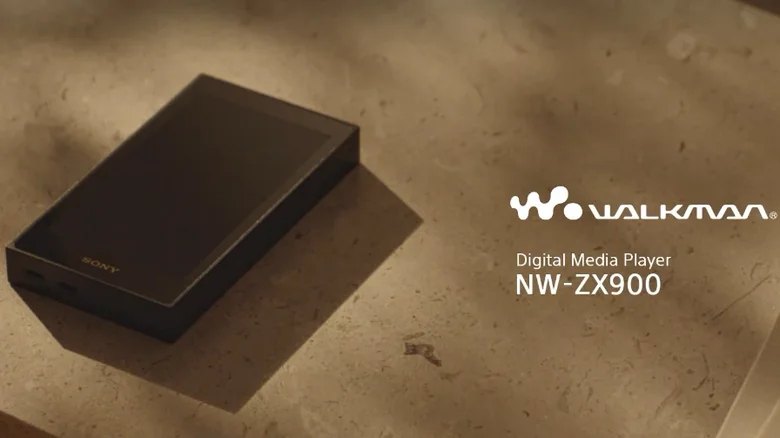
On October 15, Sony started taking preorders for three new Walkman models. The cheapest is the NW-ZX900 at $1,899, followed by the NW-WM1AM3 at $2,999, while the gold-plated flagship NW-WM1ZM3 costs $5,899, close to the $6,000 mark. The company has never stopped making this line, but at these prices it is clearly a luxury product for a small circle of high-end audio enthusiasts (audiophiles).
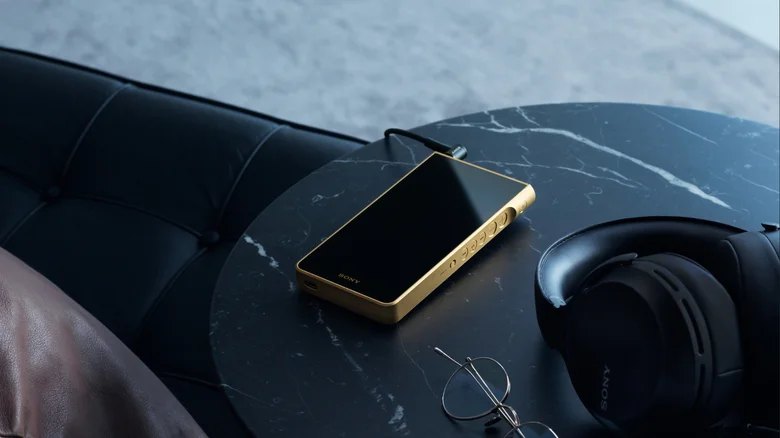
The obvious explanation is that Sony uses premium components and materials in all three models, but that leaves a few questions unanswered. Both cheaper models cost more than twice as much as their predecessors, while the $5,899 flagship barely offers more than the NW-ZX900 on paper when it comes to headphone amplification, and its battery life is even shorter, at up to 33 hours of hi-res playback. As with much audiophile gear, the higher the price, the smaller the additional gain in quality.
Inside the three Walkman models
The main chassis of the WM1ZM3 is milled from 99.99% oxygen-free pure copper and then gold-plated. The aluminum back plate of the previous generation is replaced with copper, and even the screws are plated in low-resistance gold. Sony says this helps with more stable grounding, which in turn means stronger bass and a wider soundstage. Inside, there is a thick Kimber Kable wire taken from the DMP-Z1 desktop player, a second large polymer capacitor, and a copper block over the digital circuitry that is 34% heavier than before. Together these push the weight to 670 g, up from 490 g for the 2022 model.
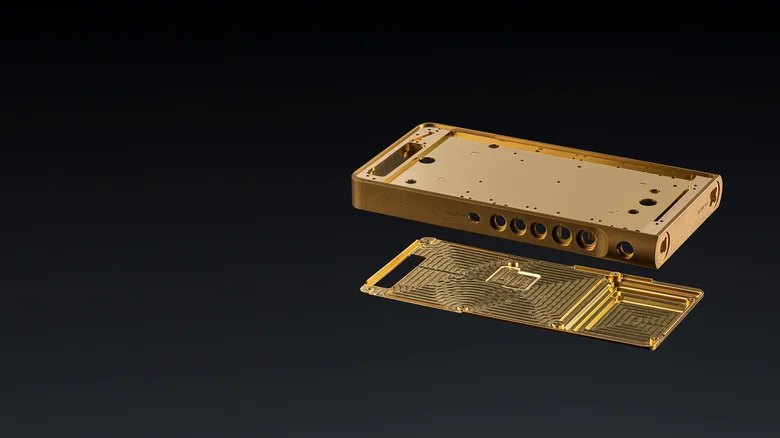
The $1,899 NW-ZX900 uses a milled aluminum chassis with a gold-plated copper back plate, like the $2,999 NW-WM1AM3. It also shares the ultra-low-noise regulator and crystal oscillator of the two pricier models. All three use Sony's S-Master HX digital amplifier, delivering 250 mW per channel from the 4.4 mm balanced jack, and differ only in storage: 64 GB, 128 GB, and 256 GB respectively. In other words, the roughly $4,000 gap between the ZX900 and the flagship mostly buys more copper, better wiring, capacitors, and storage.
When reviewing the $3,699 WM1ZM2, What Hi-Fi? noted that the far cheaper WM1AM2 offered most of the flagship's specifications and technology, and it marked the ZM2 down for its limited output power. The ZM3 does not fix this, as it still reaches only 250 mW per channel. AV Watch, meanwhile, heard the ZM2 as clearer and wider, but still called the AM2 excellent value. If the $2,300 gap in 2022 bought a difference that reviewers did not agree on, the $4,000 gap between the ZX900 and the ZM3 is even harder to justify today.
How Walkman pricing has changed
The gold-plated NW-WM1Z launched in 2016 at $3,199. In 2022, the WM1ZM2 became the $3,699 Walkman for high-end audio fans, alongside the $1,399 WM1AM2, followed in 2023 by the $899 ZX707. This year the WM1ZM3 jumps 59%, while the two cheaper models more than double, which means there is no longer a high-end Walkman under $1,000. For comparison, Astell&Kern's Android-based SP4000 costs $4,290, about $1,600 less than the ZM3.
Japanese retailers expect the WM1ZM3 to sell for about 655,000 JPY and the ZX900 for about 215,000 JPY. After removing the 10% consumption tax included in the list price and converting at September's average rate of roughly 156 JPY to the dollar, that works out to about $3,800 and $1,250. In other words, buyers in the US are paying more than 50% extra for the same player. Raw materials are not a convincing answer either: copper hit a record of about $14,850 per ton in August, yet a 670 g Walkman made entirely of copper would contain only about $10 worth of metal.
So if you are not yet ready to spend thousands of dollars on headphones and amplifiers, the Sony Walkman for you is still the NW-A306, launched in 2023 at $349 and still on sale. The new trio replaces Sony's high-end players rather than this line, and if you have already decided on one of the three, the ZX900 gives you most of the flagship's hardware for the least money. All three use expensive components, but the price increases over the previous generation seem to reflect what audiophiles are willing to pay more than what it costs to build the players.
Migovi finds the most notable point is not the specs but the gap between US and Japanese prices, because it suggests pricing is set by what audiophiles can afford rather than by component costs. All three models share the same 250 mW per channel, so the $4,000 gap between the ZX900 and the flagship buys little more than extra materials and storage, not more amplification power. For readers in Vietnam, if you truly want a high-end model, the ZX900 is the most sensible choice because it gets you most of the flagship's hardware, and if you are not sure, the $349 NW-A306 is still enough to find out what a Walkman music player feels like.
Source: Engadget
Reviewed by: Hero Association