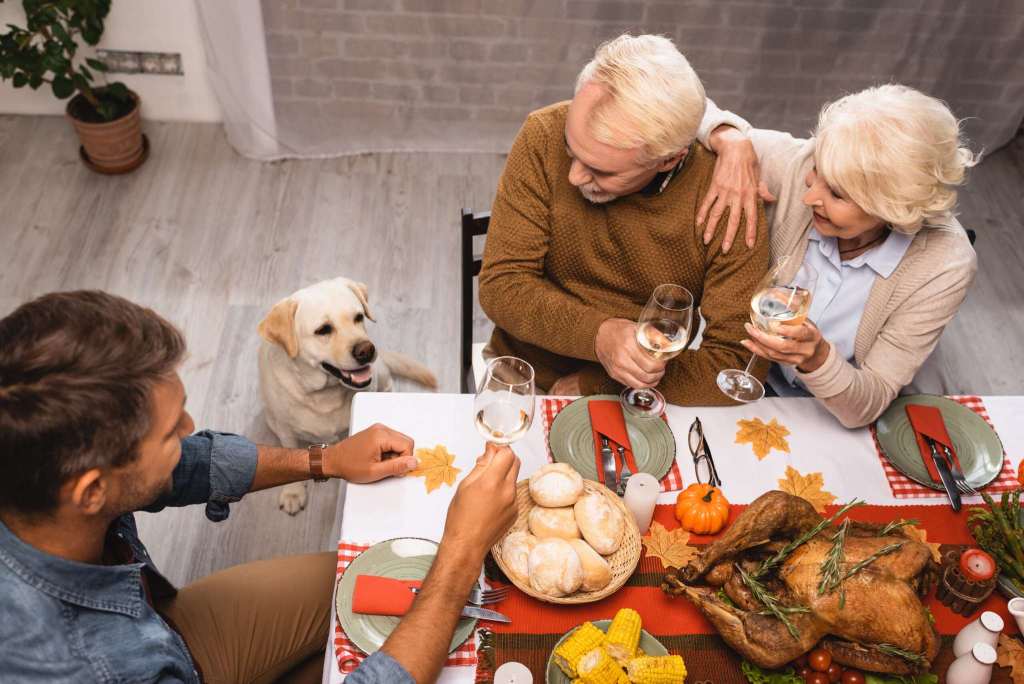
Stuffing, gravy, and sugar-free candy on the Thanksgiving table can land a dog in the hospital, so pet owners should know ahead of time which dishes are safe to share.
- Turkey is safe only as plain, cooked, lean meat with no skin, bones, gravy, or seasoning
- Plain pumpkin, sweet potatoes, green beans, and carrots are fine to share if they have no butter, salt, or marshmallows
- Onions, garlic, stuffing, gravy, chocolate, raw yeast dough, alcohol, and xylitol are all dangerous
- If your dog eats something it shouldn't, go to the vet right away, bring the packaging, and don't wait for symptoms to appear
Table of Contents
The feast and the dog under the table
Thanksgiving is an American holiday that now revolves mostly around the dinner table, so every dog wants a spot beside its owner. The trouble is that many familiar dishes contain ingredients that are toxic to dogs. Some are fine in small amounts, while others can cause stomach upset after a single bite or, in worse cases, become life-threatening. If you know the difference beforehand, your dog can join the celebration without a trip to the emergency clinic.
Turkey comes with conditions. The fatty skin is usually coated with sauce and seasoning, and eating a lot of fat can lead to obesity and then pancreatitis. Turkey bones can splinter into sharp fragments that injure a dog's mouth and digestive tract. Salt and spices can also cause poisoning, so pre-prepared meat is best skipped. The safe option is plain, lean meat with no gravy and no sauce.
Vegetables, fruit, and a few other items
Plain pumpkin is considered good for dogs, which is why many dog foods list it as an ingredient. Fresh or canned pumpkin both work, as long as the canned kind has nothing added. Pumpkin pie is off the menu because of the sugar and spices. Sweet potatoes are rich in nutrients and vitamins, but they should be cooked and served in small portions, with no marshmallows, spices, or butter. Green beans provide vitamins, fiber, and manganese, and they can be steamed, raw, canned, or cooked, as long as they're plain and not part of a casserole.
Corn is good for dogs when it has no butter or salt, but the kernels must be cut off the cob, because corn cobs are a fairly common cause of intestinal blockage. Carrots, celery, and peas are fine cooked or raw if they're unseasoned. Carrots and celery in particular should be cut into bite-size pieces so your dog doesn't choke.
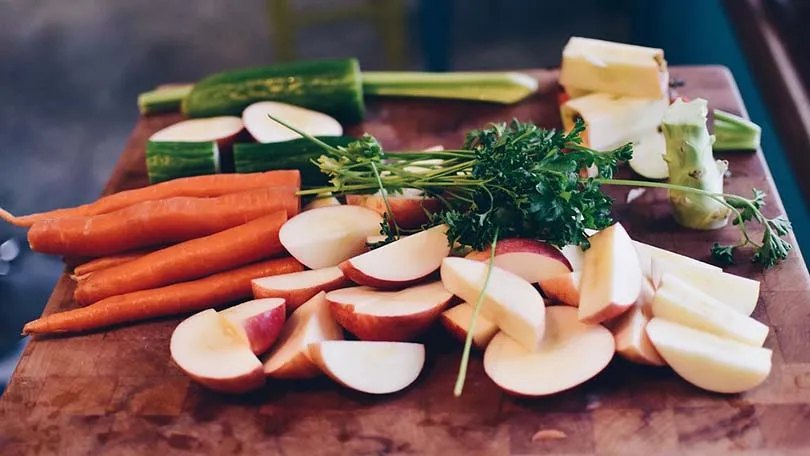
Plain cranberries are safe in moderation, but cranberry sauce and juice contain far too much sugar. If cranberries come in a mixed dried-fruit pack, pick out just the cranberries to give your dog. Sliced apples are both healthy and tasty, but the core and seeds should go in the trash, since the seeds contain a tiny amount of cyanide. It isn't harmful to dogs unless they eat a lot, but it's better to be careful. Save the apple pie for the humans.
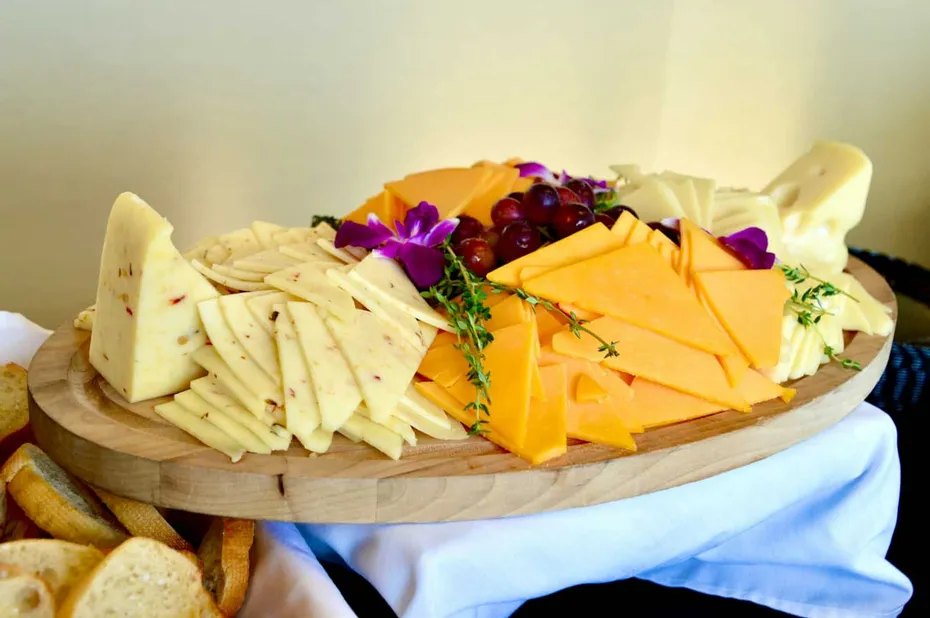
Cheese is a tasty treat unless your dog is lactose intolerant, and low-fat varieties suit dogs that need to watch their weight. A small piece of plain bread is also safe if your dog has no grain allergy, but the bread must not contain raisins, seeds, or nuts. Bread has little nutritional value, so treat it as an occasional snack.
Foods to keep out of reach
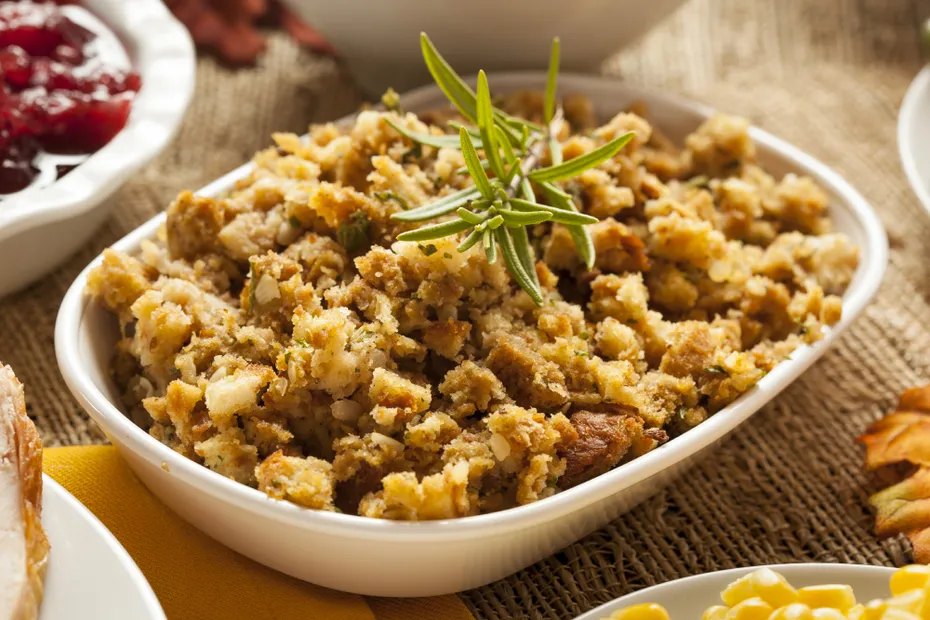
Onions are highly toxic to dogs, and so are other members of the allium family, including shallots, chives, and leeks, because they can cause anemia and liver damage. Garlic should be avoided too, and garlic powder is even more potent, so it should never be left near pets. Stuffing is on the banned list because it often contains onions and plenty of butter, which makes it too fatty for dogs. Mashed potatoes are fine only if completely plain, but most are made with lots of salt, butter, and other ingredients that don't suit dogs, so it's better to skip them. Gravy is also a problem because it's high in sodium and often contains onion or garlic.
Chocolate is toxic because it contains theobromine and caffeine. Without prompt treatment it can be fatal, and signs can appear quite quickly. Caffeinated drinks are dangerous for the same reason. Dogs are smaller and lighter than people, so even a little caffeine can cause trouble, which means coffee, tea, and soda should all be avoided. Raw yeast dough is dangerous too, although a bit of fully baked bread is fine. The yeast expands in the dog's stomach and causes bloating, which can progress to gastric dilatation-volvulus, a life-threatening condition. Alcohol in any form is poisonous to dogs, including rubbing alcohol and hand sanitizer.
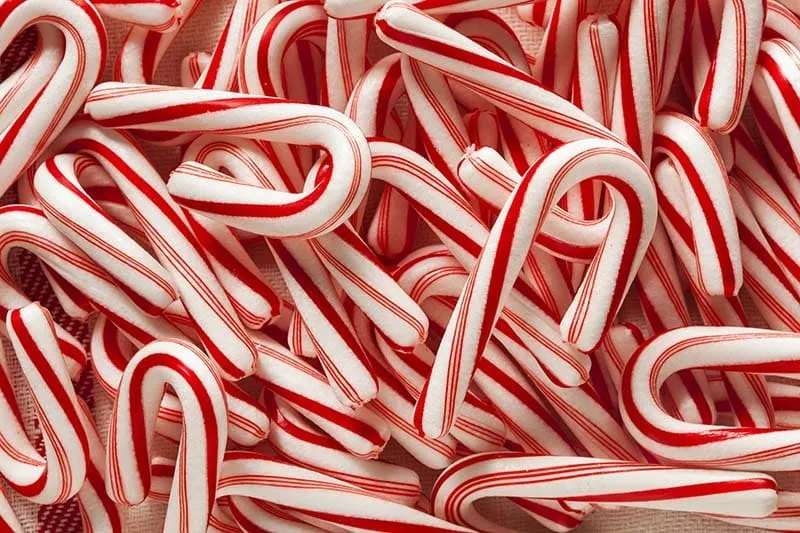
One last ingredient is also deadly: the artificial sweetener xylitol, sometimes listed as birch sugar. Even a small amount can cause severe hypoglycemia, and even if the dog survives, irreversible liver damage can still take its life. Xylitol is common in mints, chewing gum, sugar-free candy, and peanut butter, so always read the ingredient list before giving your dog anything.
If your dog eats something it shouldn't
A dog caught eating something harmful should be taken to a veterinarian or the nearest emergency vet clinic right away. Bring the packaging and a sample of whatever the dog ate so the vet knows exactly which substance to treat. If you're not sure whether something is toxic, hotlines such as the ASPCA Animal Poison Control Center and Pet Poison Helpline are available in the US. They charge a fee, but they will tell you what to do next.
With toxic ingredients, timing is everything. If you know your dog ate something potentially dangerous, or even just suspect it, don't wait for symptoms to appear, because by then it may be too late. Paying for an overly cautious visit is far better than gambling with the life of a four-legged family member.
Thanksgiving is an American holiday, but the situations in this article come up at any year-end party in Vietnam, where onions, garlic, alcohol, and sweets are always on the table. The safest approach is to prepare a small separate plate for your dog, with plain cooked chicken or turkey and a few boiled vegetables, and to ask guests not to slip it anything extra. Put leftovers away promptly, since dogs can easily raid the trash or the table while everyone is distracted. If your dog vomits repeatedly, refuses food, seems lethargic, or shows any unusual signs after the party, take it to a vet right away instead of treating it at home, and save the number of a nearby clinic before the party starts.
Source: Dogster
Reviewed by: Hero Association