
A cat doesn't have to touch the bottle. Licking fur or lying on a pillow that still carries minoxidil hair-growth treatment is enough to cause severe poisoning, and even death.
- The American Academy of Dermatology (AAD) warns that minoxidil, the active ingredient in many hair-growth products, can poison cats and dogs
- A 2021 study recorded 8 cat deaths among 211 exposure cases, and a 2025 review added 10 more cat deaths in 94 cases
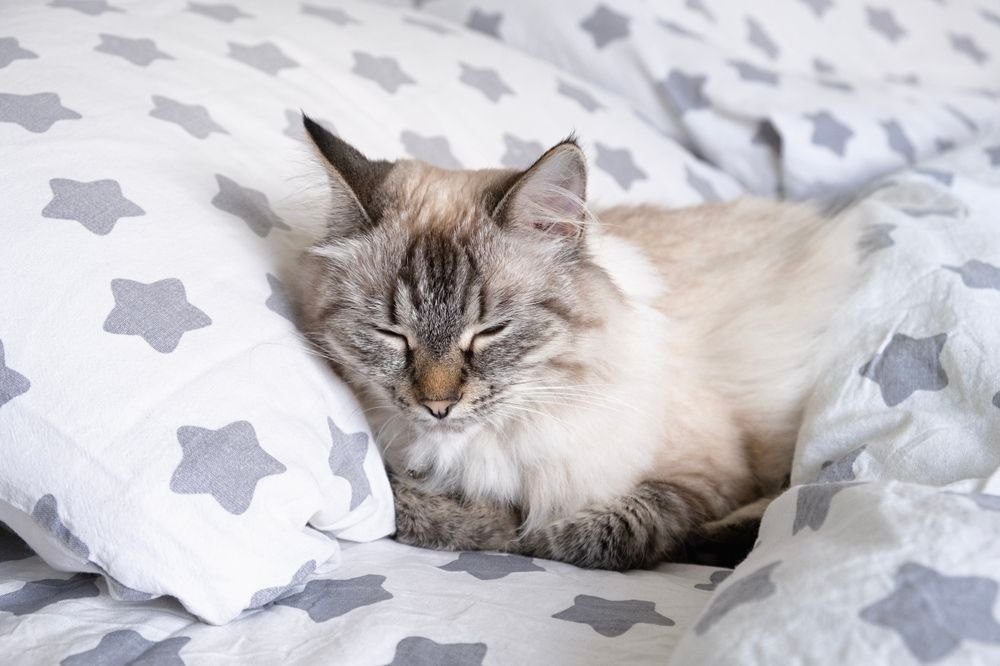
- Cats pick up the drug by licking fur, rubbing their heads against owners, or lying on their owners' pillows and bedding, so applying it in a room your cat can't enter is the most basic precaution
- The oral form is also toxic to cats, and some cats look normal even after exposure
- If you suspect your cat has been exposed, call a veterinarian right away and don't wait for symptoms
Table of Contents
Why hair-growth treatments are dangerous to cats
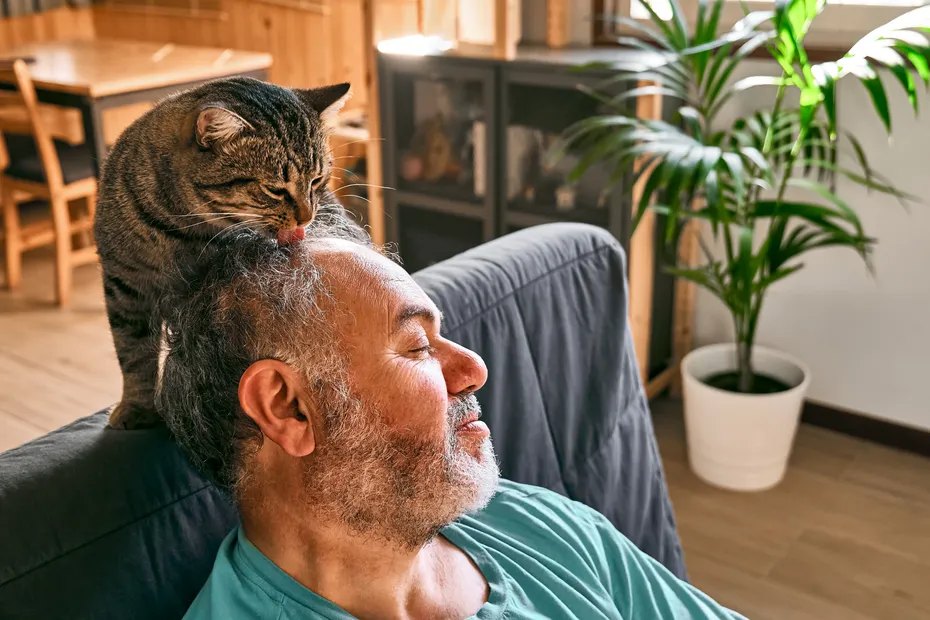
Minoxidil has been a popular baldness treatment since the 1980s, in both topical and oral forms, and few people imagine that a product that regrows hair could endanger the pets in their home. The American Academy of Dermatology (AAD) has now issued a warning about minoxidil poisoning in cats and dogs, a risk it says deserves far more attention than it gets. What makes this so easy to happen is cat behavior: they rub against their owners' heads, lick hair, burrow into pillows, and touch almost everything their owners have just handled. Those perfectly normal habits become a route for the drug to enter their bodies.
Minoxidil has an interesting backstory. In the 1970s, researchers developing a blood pressure drug noticed that one of its side effects was excessive hair growth (hypertrichosis), and the manufacturer turned that side effect into a treatment for hair loss. The FDA approved minoxidil in 1988, and it quickly appeared in products such as Rogaine. The drug works by dilating blood vessels (vasodilation) and altering the hair growth cycle, but the same mechanism that helps people lose less hair can harm cats.
What the recorded cases show
A 2021 study in the Journal of the American Animal Hospital Association examined 211 cases of dogs and cats exposed to topical minoxidil. Of the 87 animals that showed signs of poisoning, 62 were cats and 25 were dogs, and 8 of the cats died. A 2025 review in the Journal of the American Academy of Dermatology found 94 additional cases, including 68 cats, of which 10 died. Most striking of all: among 57 cases of accidental exposure to an owner's medication, 55 involved cats.

The way cats are exposed is also very ordinary. The treatment is applied to the scalp as a liquid or a foam spread with the fingers, so residue can remain on hands, hair, or nearby surfaces. A cat doesn't need to rummage through a medicine cabinet. A quick lick, an affectionate head rub, or a nap on a contaminated pillow is enough. Some cats were exposed simply through daily contact with an owner who was treating hair loss.
How the drug affects a cat's body
In people, minoxidil dilates blood vessels and increases blood flow. In cats, the same effect can cause serious disruption. Once the drug is absorbed, blood pressure can drop sharply (hypotension), and the heart has to beat faster to compensate, though that doesn't always solve the problem. Severe complications can follow, such as fluid buildup in the lungs (pulmonary edema) or in the space around them (pleural effusion), making breathing steadily harder and, in the worst cases, leading to cardiovascular and respiratory failure.
Signs you may notice include lethargy, weakness, vomiting, or a sudden loss of appetite, and in more serious cases abnormally rapid breathing or visible effort to breathe. The difficult part is that some cats look completely normal at first, so you shouldn't dismiss a suspected exposure just because your cat is still eating and playing as usual. Waiting for symptoms to appear can waste precious time.
How to prevent exposure at home
If you use topical minoxidil, apply it in a room your cat can't enter, wash your hands thoroughly with soap and water right afterward, and clean up any spills immediately. Tissues, cotton pads, applicators, and empty bottles should go straight into a trash can with a lid, because a piece of paper left on the bathroom counter can be an irresistible curiosity for a cat. Bedtime also deserves attention: if you apply the treatment in the bedroom, get in the habit of closing the door every night so your cat can't reach hair, skin, pillows, and bedding that may carry residue, even if it cries to be let in. Drug that has dried on hair also doesn't necessarily mean every surface is clean.
Switching to the oral form doesn't fully solve the problem either, since minoxidil tablets are still toxic to cats if swallowed. Whichever form you use, store the medication securely out of your cat's reach, or consider options that don't put pets at risk. It's best to talk with the dermatologist who prescribes your treatment about the four-legged members of your household and work out routines that avoid accidental exposure.
If you suspect your cat has been exposed
If your cat has licked minoxidil, touched a spill, or may have groomed fur that has the drug on it, contact a veterinarian or a pet poison helpline immediately, even if the cat looks perfectly healthy. Treatment depends on the level of exposure and the cat's condition, and may include hospitalization, cardiovascular monitoring, oxygen, intravenous fluids, and medication to manage complications such as low blood pressure or fluid buildup.
Don't induce vomiting or try home remedies unless a veterinarian instructs you to. If the drug is still on the cat's fur or skin, ask the vet how to deal with it safely rather than hesitating and delaying emergency care. Not every cat poisoned by minoxidil survives, so every exposure should be treated as a situation that needs a vet right away.
Hair loss costs many people their confidence, so wanting to treat it is understandable. But compared with the risk of losing a cat to an exposure that could have been prevented, the cost of being careful is tiny. In Vietnamese townhouses and small apartments, cats often sleep in the same bed as their owners, which makes closing the bedroom door and changing pillowcases regularly even more worthwhile. Keep the medication where your cat can't reach it, and throw any drug-soaked cotton or tissue into a bin with a lid. If you suspect your cat has licked or rubbed against a spot with the drug on it, don't wait for symptoms. Take it to a vet right away.
Source: Catster
Reviewed by: Hero Association