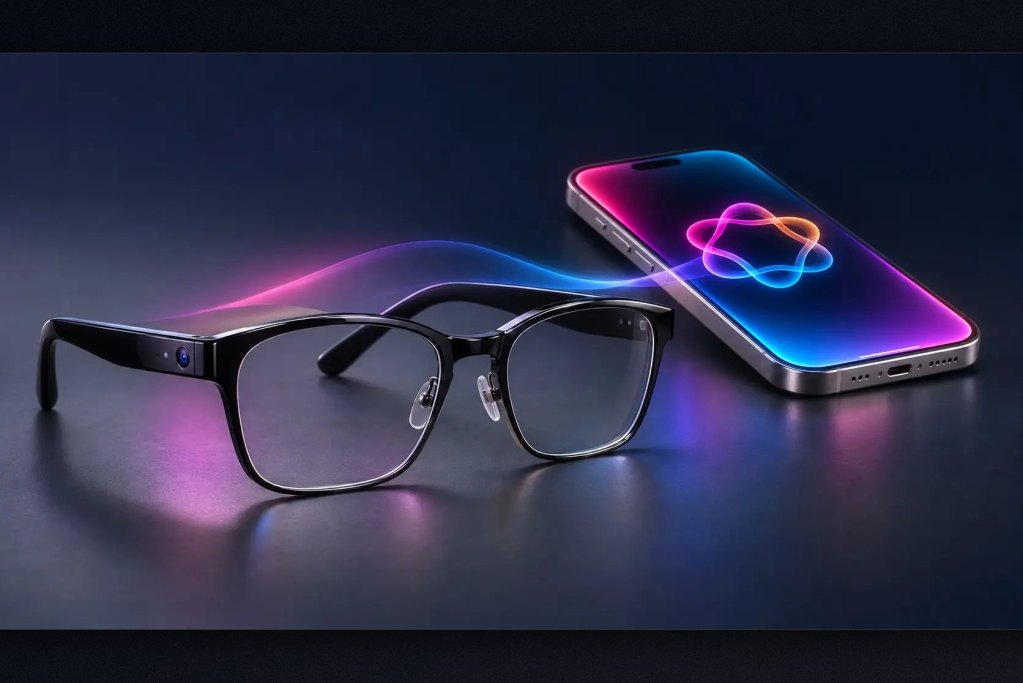
Apple's smart glasses with Siri AI are reportedly set to debut at the next WWDC and hit shelves late next year, with a design thinner than the Ray-Ban Meta and standout audio.
- According to Bloomberg's Mark Gurman, Apple's smart glasses are expected to debut at the next WWDC and go on sale late next year.
- Apple wants to use its app ecosystem to give Siri AI on the glasses an edge over rivals.
- The glasses don't run apps directly and rely on a nearby iPhone, so they act mainly as an accessory.
- Internal prototypes are slightly thinner than the second-generation Ray-Ban Meta, with cameras sitting flush with the frame.
- Audio quality is a major focus, described by engineers as "industry-leading".
Table of Contents
Launch plans and Siri's direction
Apple's long-awaited smart glasses may be getting close. According to Bloomberg's Mark Gurman, the product will be unveiled at the next WWDC and released before the end of next year. The approach is similar to the Ray-Ban Meta, but designed specifically for Siri AI and the Apple ecosystem.
Apple's first advantage is its deep app catalog. Meta currently leads in agentic AI assistants. Even so, its third-party app integration still isn't fully there. Starting with the iOS 27.3 beta, Apple has begun laying the groundwork for third-party app integration directly within Siri, rather than stopping at Siri Shortcuts. By the time the glasses launch late next year, the list of supported apps will likely be fairly rich.
iPhone dependence and design direction
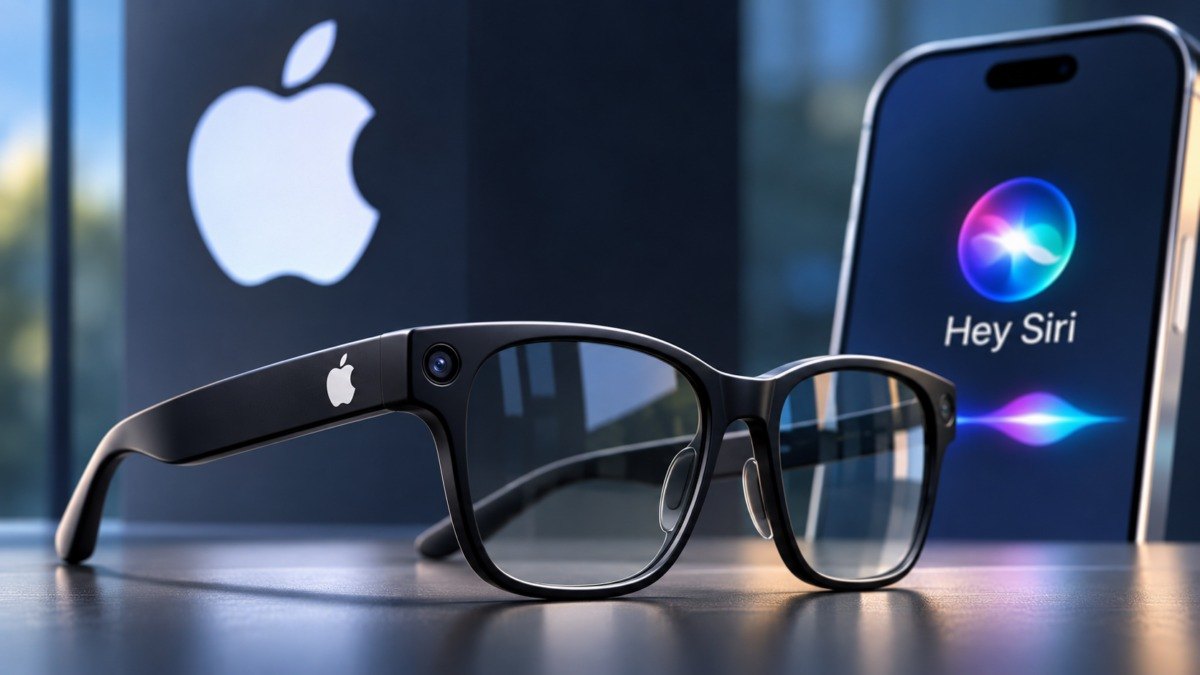
Even so, the glasses themselves won't run apps directly. According to Gurman, every task depends on a nearby iPhone. The glasses still have Wi-Fi so apps can work when the iPhone isn't close by, but the product remains largely an iPhone accessory.
On design, the internal prototype is reportedly slightly thinner than the second-generation Ray-Ban Meta. On at least some test units, the cameras sit in oval-shaped slots flush with the frame instead of protruding. The front also has an indicator light for when the glasses are in use or charging. Apple is also testing a few more front-facing features related to privacy.
Finally, audio quality is a major focus of the product. According to Bloomberg, engineers have described the glasses' audio quality as "industry-leading".
This is still information from Bloomberg's sources, and Apple hasn't officially confirmed it. What stands out is that Apple is choosing to make the glasses an iPhone accessory rather than a standalone device. This approach keeps the glasses lighter and more compact while tapping the phone's processing power. The trade-off is that users must stay within the iPhone ecosystem. The real-world appeal will depend heavily on how well Siri AI handles tasks through third-party apps.
Source: 9to5Mac
Reviewed by: Hero Association