
Anthropic's Claude Fable 5.2 paints with Python code, placing hundreds of thousands of virtual brushstrokes on a canvas instead of using a diffusion model like Midjourney.
- Anthropic's Claude Fable 5.2 creates images by placing individual brushstrokes on a virtual canvas through Python code, simulating both bristle fray and the way paint sticks to a surface.
- One parking garage painting was built from about 700,000 brushstrokes, while a bird painting was assembled from exactly 111 lines of coordinates, and the model can paint over mistakes afterward.
- On Anthropic's internal RoboDojo Sim benchmark, Fable 5.2 scored 64.9% versus 29.8% for OpenAI's GPT-6 Astra.
- In tests with a real robot arm, Fable 5.2 still lagged its rival in both speed and fine motor control.
Table of Contents
Painting with code instead of diffusion
Anthropic has just introduced the Claude Fable 5.2 language model with a rather unusual capability. It can produce complex, even near-photographic paintings by using code to place hundreds of thousands of individual brushstrokes on a virtual canvas.
Popular image generators like Midjourney typically rely on diffusion, which gradually refines a noisy image until a clear result emerges. Fable 5.2 takes a different approach. It simulates the physical painting process itself, from the fray of the bristles and the way paint is spread, to the mistakes the model has to paint over.
Developer Jake Eaton demonstrated the experiment on X. He works at Anthropic and often contributes to research on language model values, safety mechanisms, and AI agent behavior. Asked to make a painting as hard to tell apart from a photograph as possible, Fable 5.2 produced a scene of a shopping cart in a multilevel parking garage, made up of about 700,000 simulated brushstrokes.
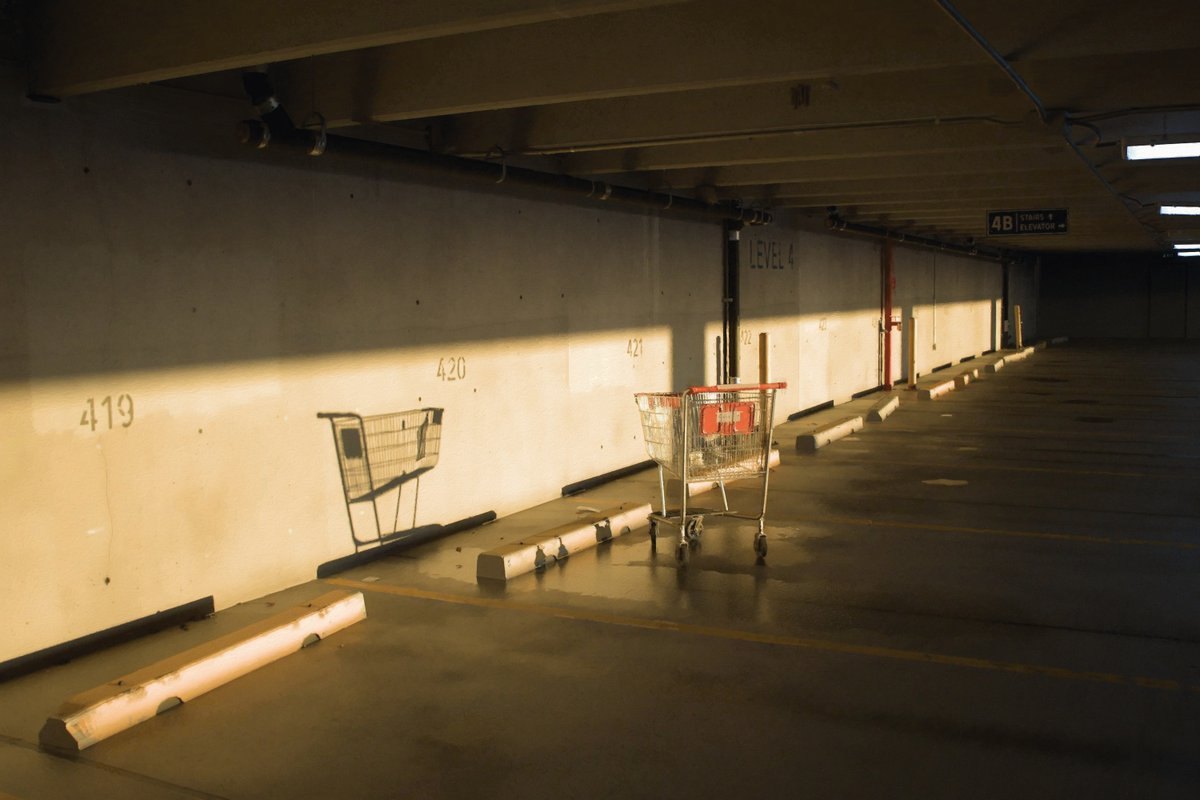
According to Eaton, Claude uses no external image model and relies on no prebuilt image or trace-over reference. Each work is a Python program of 1,000 to 2,000 lines that drives a simulated paint tool. The approach is close to agentic image editing, where the language model picks its own tools and then evaluates the results.
Earlier experiments with its sibling model Opus 5.5 were criticized as merely imitating existing art. Eaton responded by having Fable 5.2 build its own painter personas, complete with fictional biographies and consistent styles. Each painting takes a few thousand brushstrokes, and Eaton steers the model with feedback.
No undo button: every brushstroke counts
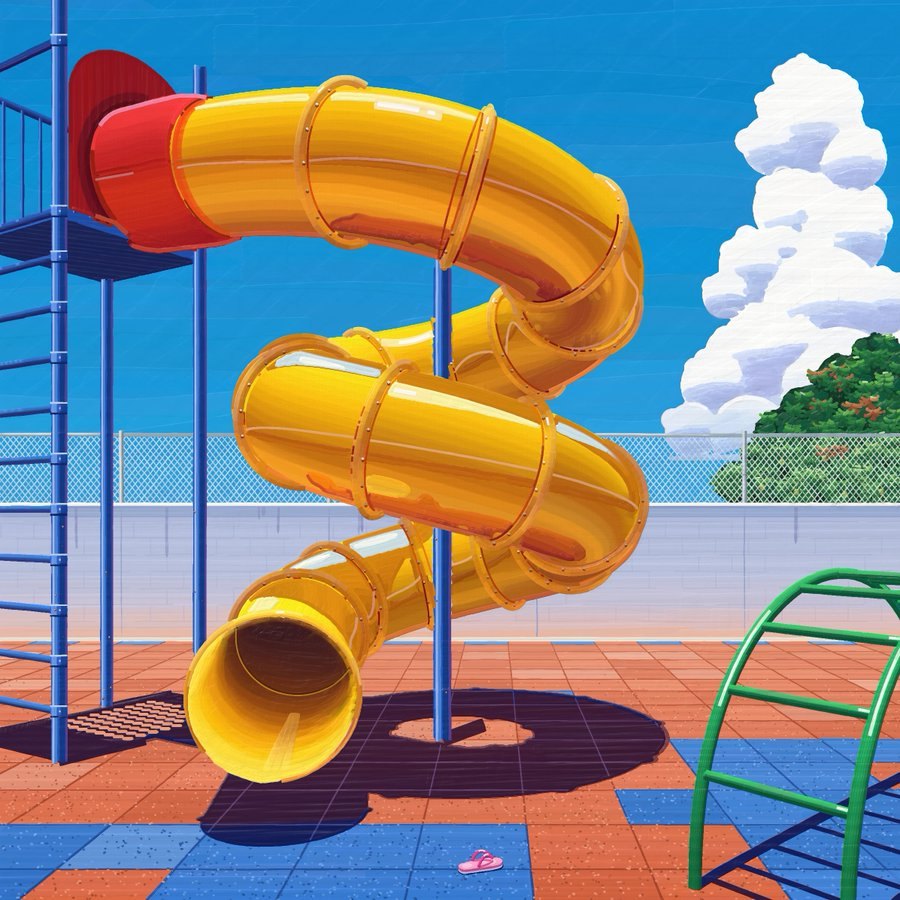
Anthropic engineer Michael Graczyk shared the chat log and video of one experiment in which he asked Fable 5.2 to paint a bird at dawn. The model was allowed to use code only to simulate the physics of bristles, wet paint, and canvas texture. Each brushstroke had to be output manually as its own line of coordinates and could not be undone once placed. That sets it apart from AI-generated video, where models like Flux 3 directly generate sequences of frames along with temporal consistency.
The resulting video runs 21 seconds, with a counter showing the painting taking shape from exactly 111 strokes on a blank canvas. For the first stroke, the model output the color code #30346a, a width of 90 px, and five slightly offset control points. Fable 5.2 explained that it deliberately added about 7 px of jitter, because a real human arm can't draw a perfectly straight line either.
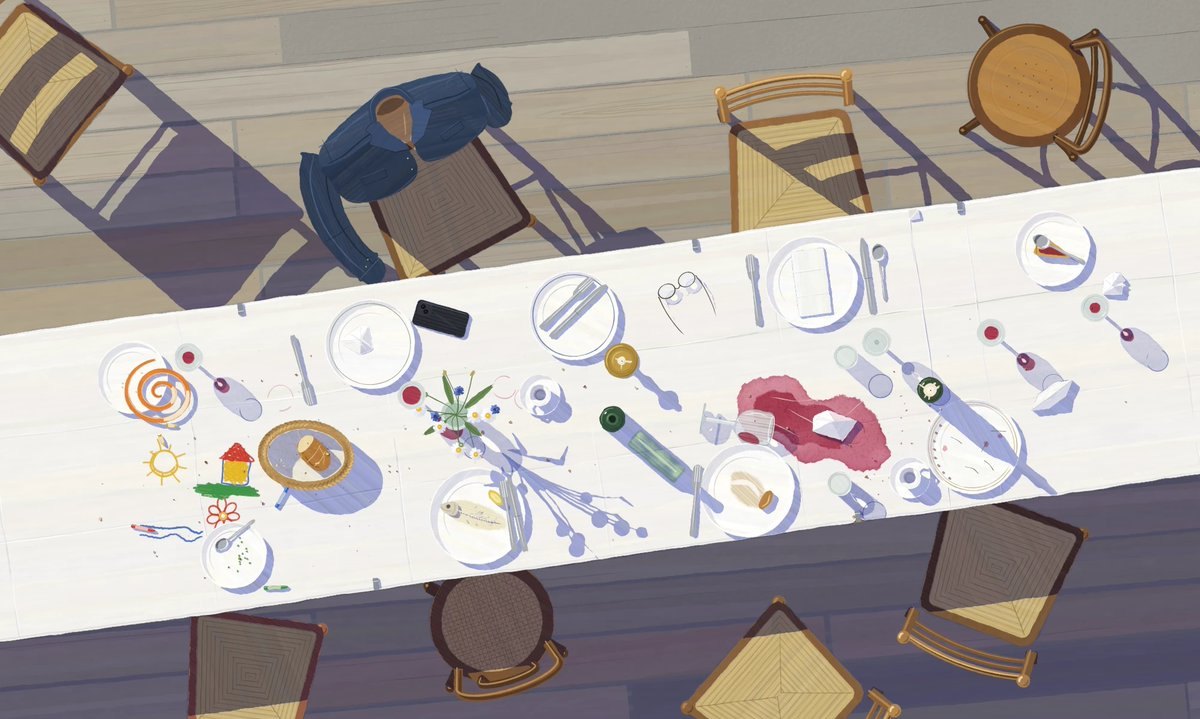
Between passes, the model looks back at the canvas and handles its own errors like a real painter. When the bird's back came out too thin and ragged, the AI laid a bolder stroke over it. Stray bristle marks at the edge now look like ruffled feathers. In a second piece of 280 strokes, depicting two people painting at sunset, a lighting effect added late smeared the paint tubes and the cup on the table. Claude repainted those objects afterward, and also had both figures hold their brushes in their outer hands so their inner shoulders touch, as requested.
This spatial reasoning could apply to real robots
The ability to plan step by step and self-correct under physical constraints doesn't stop at the virtual canvas. According to Anthropic, the model is built for very difficult, multistep, long-horizon engineering tasks. Mythos 5.2, a version for verified security and biology researchers, follows the same direction. In internal tests, Fable 5.2 solved two open problems in black hole physics and designed three working electronic devices together with the circuit board manufacturer Diode. The model also used more than 1,000 sub-agents to program its own laptop operating system over 8 days.
AI researcher Aris Zhu tested the model with a real robot arm. He pitted Fable 5.2 against OpenAI's GPT-6 Astra, with each controlling a robot arm to recreate Van Gogh's "The Starry Night." Anthropic reports a 64.9% score for Fable 5.2 on its internal RoboDojo Sim benchmark, while GPT-6 Astra scored 29.8%.
Still, Zhu's real-world comparison shows limits in fine motor control. Astra painted faster, and so far only OpenAI's model has managed to stand dominoes upright. It does this by slowly loosening its grip so gravity acts as a pivot point.
What stands out about Fable 5.2 isn't how good the paintings look but how the model works: every brushstroke is a decision that can't be taken back, forcing the AI to plan, observe, and correct mistakes like a human would. That is the kind of capability real-world robots need more than an image generator does. Some caution is warranted, though. The 64.9% score comes from Anthropic's own internal benchmark, and the real robot arm test showed Astra still ahead on speed and dexterity. Readers should wait for more independent evaluations before drawing conclusions.
Source: The Decoder (AI)
Reviewed by: Hero Association






