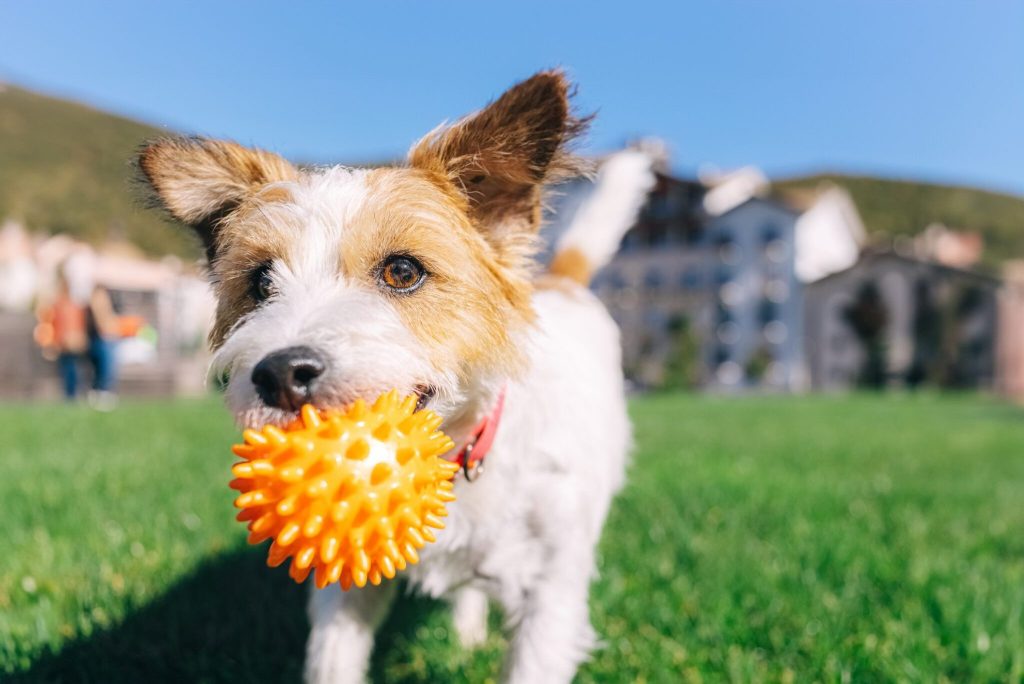
A solid "drop it" cue keeps a game of fetch going longer and works as a safety stop when your dog grabs something dangerous, as long as you train it so your dog doesn't learn that letting go means the fun is over.
- "Drop it" teaches your dog to release an item by showing that letting go brings something else, not the end of play
- Two main methods: scatter treats on the ground (scatter) or swap for another item (trade)
- Start with low-value items and save your dog's favorite things for later
- If the item is harmless, give it back to your dog now and then to keep their trust
- Dogs that guard objects aggressively need extra caution during training
Table of Contents
Why you should teach your dog to release items
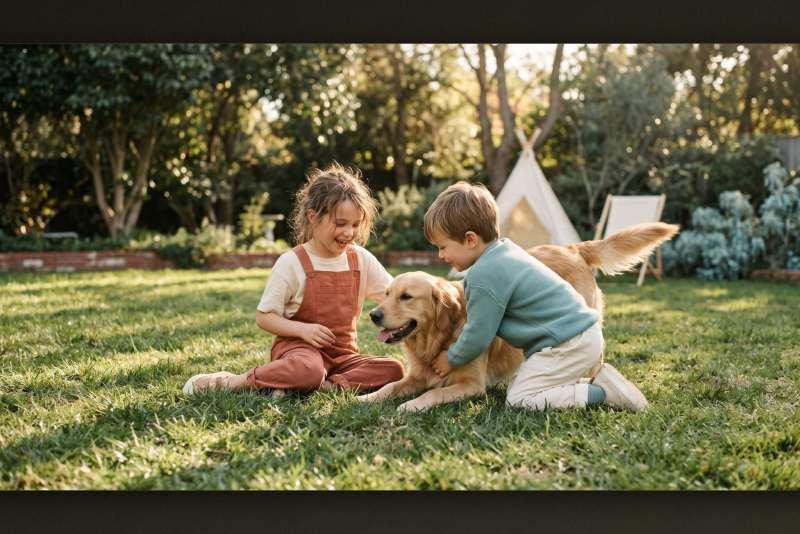
Plenty of dogs will chase a ball with enthusiasm but flatly refuse to give it back, a classic case of "take, never return." The usual reason is that the dog fears that letting go will end the game, so the key to a good drop it is showing your dog that releasing an item doesn't mean the fun is over. Once your dog gets that, fetch can continue after the first throw, and you also have a way to check what your dog is holding in its mouth or to take away dangerous items it shouldn't be playing with.
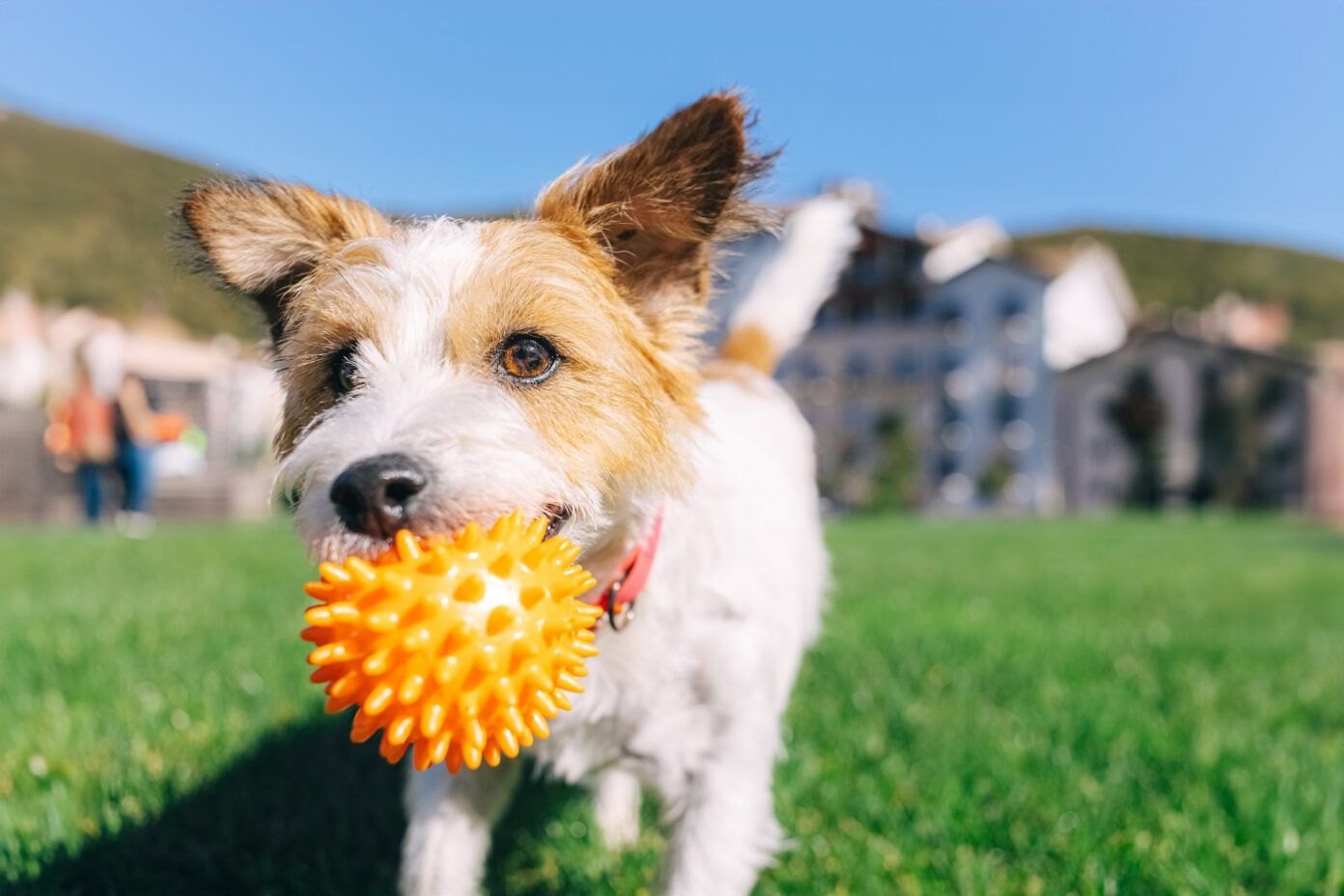
Teaching this cue isn't hard. You just need a bit of creativity and consistency every day. Prepare another toy or some treats your dog really likes, then practice getting your dog used to opening its mouth and releasing whatever it holds when it hears the cue. A dog can't hold a ball and chew a treat at the same time, so the reward itself helps your dog let go.
The treat scatter method
This method needs a handful of small treats your dog loves, and you can start before bringing in a ball. First, say "drop it" in a clear voice and scatter a few treats on the floor. Repeat several times until your dog hears the cue and immediately lowers its head to search for treats. In step two, bring in the ball and let your dog hold it. Just as your dog is about to refuse to hand it over, say "drop it" in the same voice and scatter the treats, pick up the ball while your dog eats, then give the ball back. In step three, say the cue and pause for a beat before scattering the treats. By now, most dogs have linked the cue with incoming treats and open their mouths to release the ball on their own. If you already use a treat-scatter signal for something else, you can use that signal in place of "drop it."
The trade method
This method teaches your dog that releasing what it holds can bring something even better, and you can trade with either treats or toys. Give your dog a toy it likes but isn't obsessed with, then say "drop it" and offer a treat or a toy your dog truly loves. When your dog releases the first item, it gets the reward, and you pick up the toy while your dog eats. Trading for treats is easier, because once your dog finishes eating you can hand the original item back. Trading for toys requires a series of equally appealing or increasingly appealing items, or you can limit it to one trade per session. Once your dog is used to the routine, say the cue and pause for a beat before presenting the trade item, and your dog will release the ball on cue by itself.
Deciding when to take and when to give back
Dogs that love food and enjoy picking things up often see keeping a "trophy" as the biggest reward, and you can use that to your advantage. Each time your dog releases an item on cue, reward it with a treat as often as you can (keep treats on you during practice), then look at what your dog just dropped. If it could hurt or sicken your dog, take it away. If it's merely a bit dirty but harmless, give it back or let your dog keep it, since an occasional exception is unlikely to cause harm. Being allowed to keep its "treasure" after releasing it on cue is a very valuable reward, and it also helps your dog trust that you won't take its things every time.
Training tips
Start with less appealing items. No dog will give up a piece of deli meat on day one, and if your dog gets worked up whenever it sees a particular ball, teach the drop it concept with a less prized item. Practice the cue many times during play sessions so your dog doesn't decide that drop it means playtime is over, and if you can, buy a few identical items so you can swap for the exact one your dog likes. Once your dog is used to trading items for treats, there will be a phase where it brings things to you on its own. At that point, reward with a less enticing treat so the habit fades. Never chase your dog or snatch an item out of its mouth, because your dog will learn a game of keep-away. Store forbidden items out of your dog's reach to cut down on stealing.
If your dog guards objects aggressively and may growl when a prized item is taken, toss trade treats or scatter treats a few steps away so your dog moves off the item before you approach to pick it up.
For dog owners in Vietnam, especially in townhouses and apartments where dogs easily pick up things dropped on the floor, drop it is a cue worth training earlier than any show-off tricks, because it may let you get a dangerous item out of your dog's mouth in time. Migovi finds the approach in this article sound because it relies on rewards and trust rather than a tug-of-war, so train step by step with low-value items first, then raise the difficulty gradually. Keep in mind that every dog learns at its own pace, and if your dog swallows a foreign object or shows signs of vomiting, loss of appetite, or difficulty breathing, take it to a veterinarian right away instead of treating it at home.
Source: Whole Dog Journal
Reviewed by: Hero Association