As rising memory costs drag the US smartphone market down 9%, Apple is the only major vendor that did not decline, and it lifted its share to 57%.
- Apple's share of US smartphone shipments rose from 50% to 57% in Q3, while the overall market fell 9%
- Samsung was the only major Android vendor to gain share, up 1 percentage point to 25%
- Higher memory costs hit budget Android hardest, and sales at the three big carriers fell 4%
- Counterpoint expects Q4 to stay weak even though it is usually the strongest quarter of the year
Table of Contents
Apple gains share in a shrinking market
Counterpoint Research has published its report on the US smartphone market for Q3, showing total shipments down 9% year over year. Against that downturn, Apple's share rose from 50% to 57%, meaning more than half of the smartphones that reached the US market during the quarter were iPhones.
Another Counterpoint report, published last Thursday, said Apple was the only major smartphone vendor whose shipments did not fall year over year this quarter. That result also lines up with Counterpoint's Latin America report released yesterday, where Apple recorded the smallest decline among the top five vendors, so its share edged up from 7% to 9%.

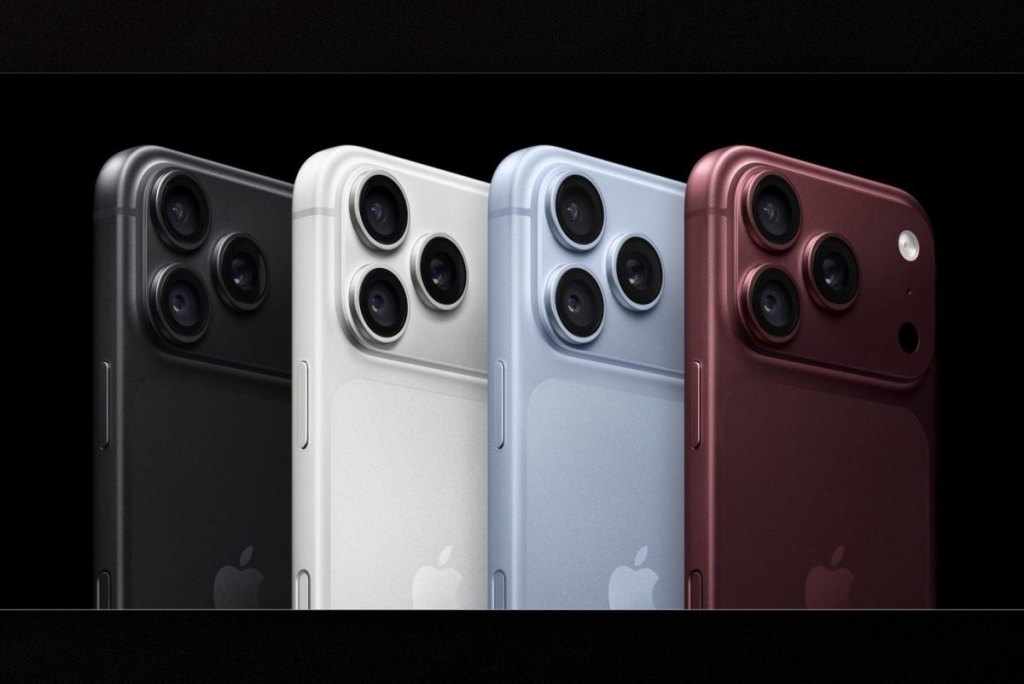
Multiple reports this year have pointed out that Apple has handled component shortages and rising costs considerably better than its rivals, several of which have raised phone prices more than once. Apple kept iPhone prices relatively stable for most of the year and only raised prices more broadly when it launched the iPhone 18 Pro lineup in September.
Budget Android feels the memory squeeze
According to Counterpoint, higher memory prices in Q3 hit the budget Android segment especially hard. Samsung was the only major Android vendor to gain share, adding 1 percentage point to reach 25%. Its lineup spans flagships to low-priced Galaxy A phones, so it is not dependent on a single segment.
Carriers were not spared from the slump either. Smartphone sales at the three largest US carriers fell a combined 4% year over year. That is milder than the 9% drop across the whole market, but it still shows that consumer demand has not recovered.
Q4 outlook
For Q4, Counterpoint expects memory costs to remain high and US carriers to be more selective with year-end promotions. Smartphone sales are therefore likely to stay weak, even though this is typically the strongest quarter of the year.
These figures show that a smartphone maker's health now depends more on how well it can absorb component costs than on how many new models it releases. Apple held prices for most of the year, so buyers kept choosing iPhones as Android prices climbed, while Samsung held on thanks to a mix of flagships and Galaxy A phones that balance each other out. For users in Vietnam, higher memory prices could also push up the prices of many mid-range and budget Android models in the coming months, so if you plan to upgrade, compare prices carefully rather than waiting for discounts. The price increase on the iPhone 18 Pro lineup shows that Apple cannot hold the line forever, so this advantage may not last into next year.
Source: 9to5Mac
Reviewed by: Hero Association