

Radeon RX 9060 XT - AMD's mid-range gamble and technology war
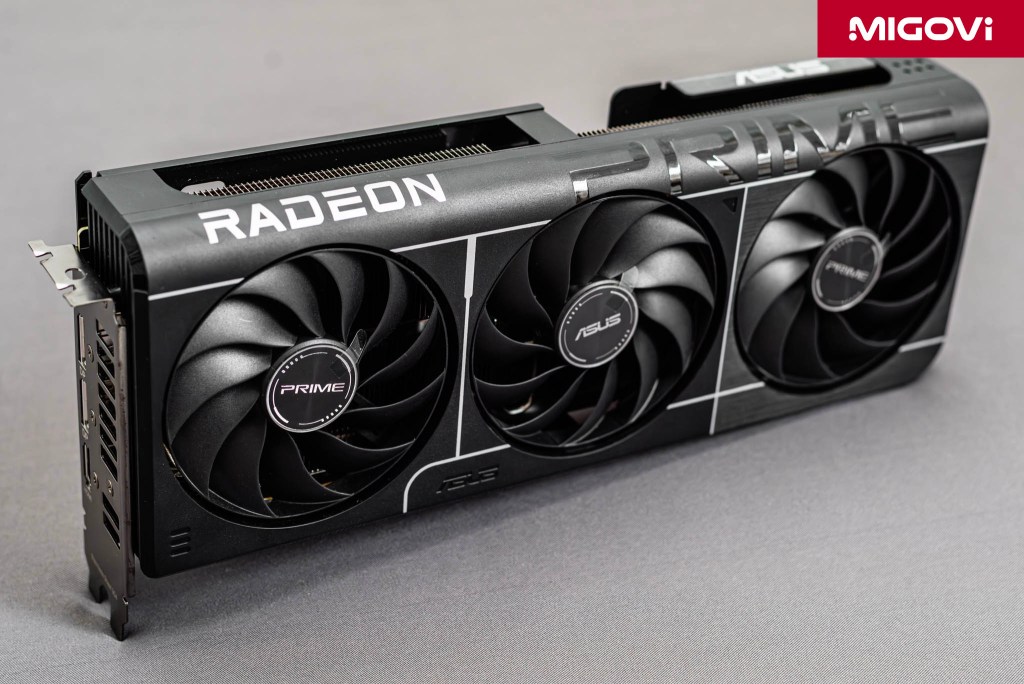
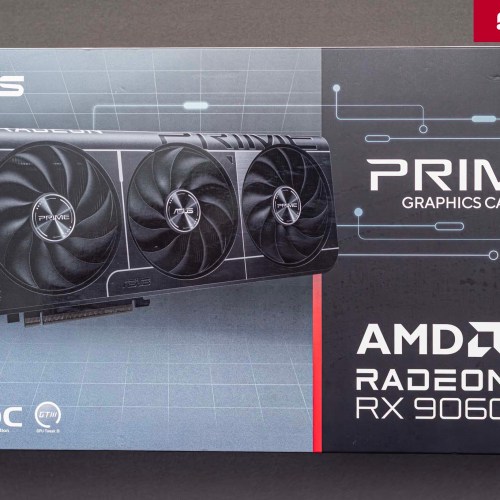
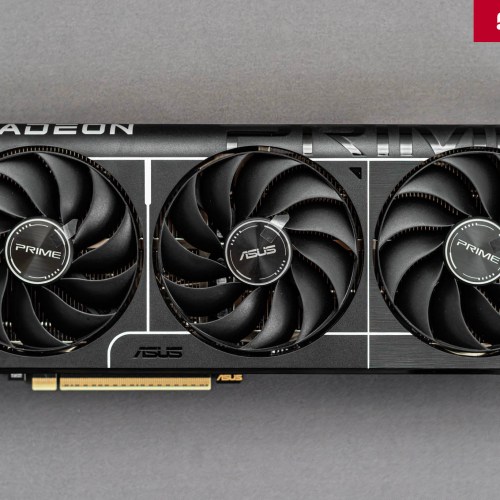
ASUS Prime Radeon RX 9060 XT 16 GB OC is a mainstream card, aimed at gamers who need a balance between value and performance.
On June 5, 2025, AMD shook up the mainstream graphics card market with the Radeon RX 9060 XT with the new generation RDNA 4 architecture. Launched with 2 VRAM options including 8 GB and 16 GB, the Radeon RX 9060 XT has a suggested price of 299 USD and 349 USD respectively. This graphics card is positioned as the direct successor to the Radeon RX 7600 XT, which appeared in January 2024. AMD's strategy has completely changed this year, instead of participating in a two-horse race in the high-end segment, AMD focuses its resources on the mid-range and mainstream segments.
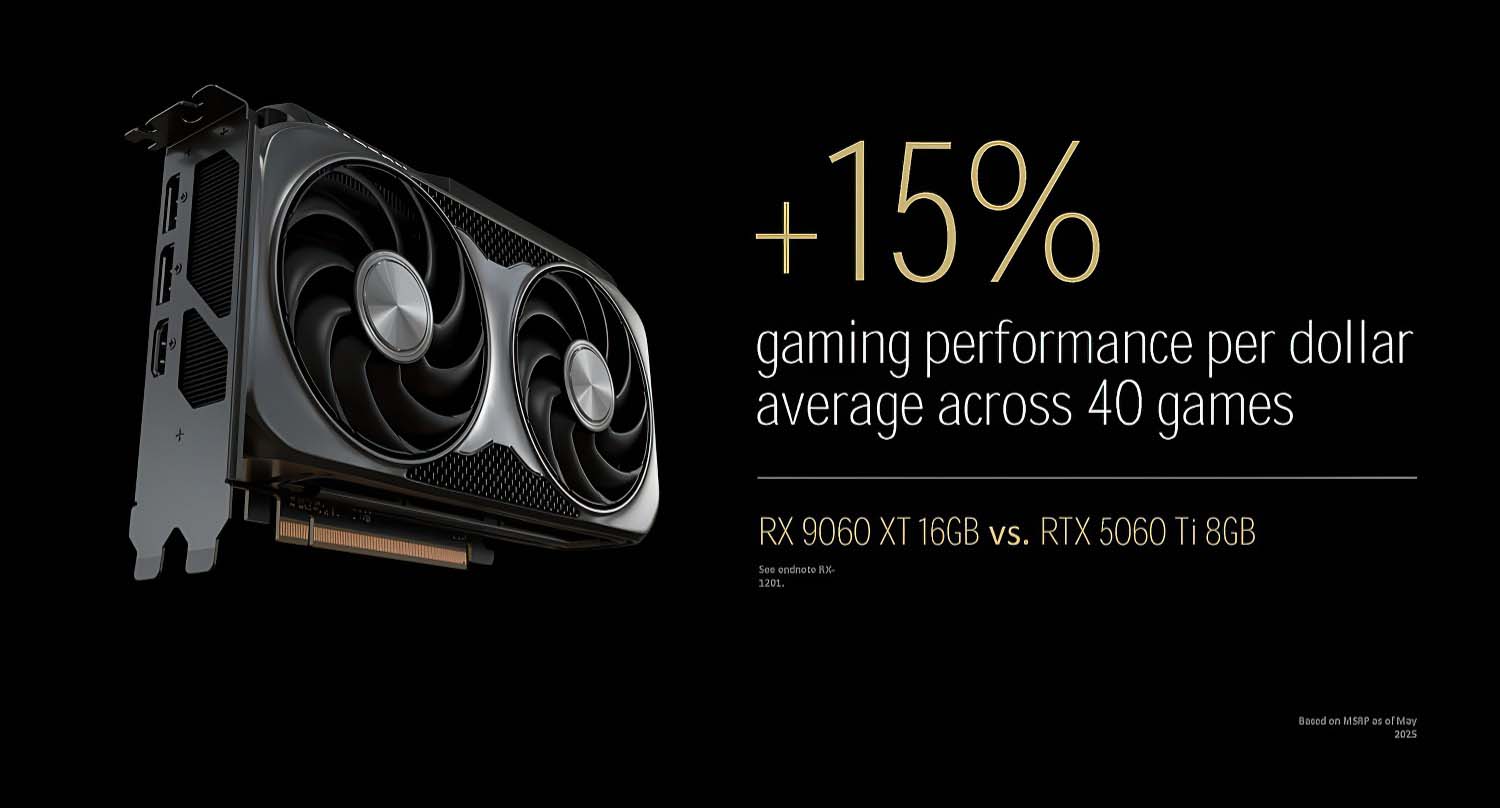
The AMD Radeon RX 9060 XT 16 GB is priced at just $349 (MSRP), significantly lower than its direct competitor from the green team – the RTX 5060 Ti 8 GB ($379) and especially the RTX 5060 Ti 16 GB ($429). With similar or even better performance claims, AMD shows that the new generation of graphics cards has a very good performance-to-price ratio. However, in the real market, while the price of the 8 GB version is not much different from the MSRP, the 16 GB version is quite rare and gamers often have to pay more to own it, around $389 to $439. This shows that gamers' actual demand for graphics cards with abundant VRAM is very high, but also reveals the challenges in AMD's supply chain.
Article content
AMD's "Guerrilla" and "Psychological Warfare" Strategy
AMD’s decision to launch the RX 9000 Series after its rivals and focus on the mid-range should not be seen as a sign of weakness. Instead, it represents a carefully calculated “guerrilla” strategy. By letting NVIDIA define the high-end playing field with top-tier prices and performance, AMD has time to observe the market’s reaction, identify weaknessesand then launch a decisive attack. The sub-$400 price segment is the target, where users are often very picky and hesitant about price and value when purchasing.
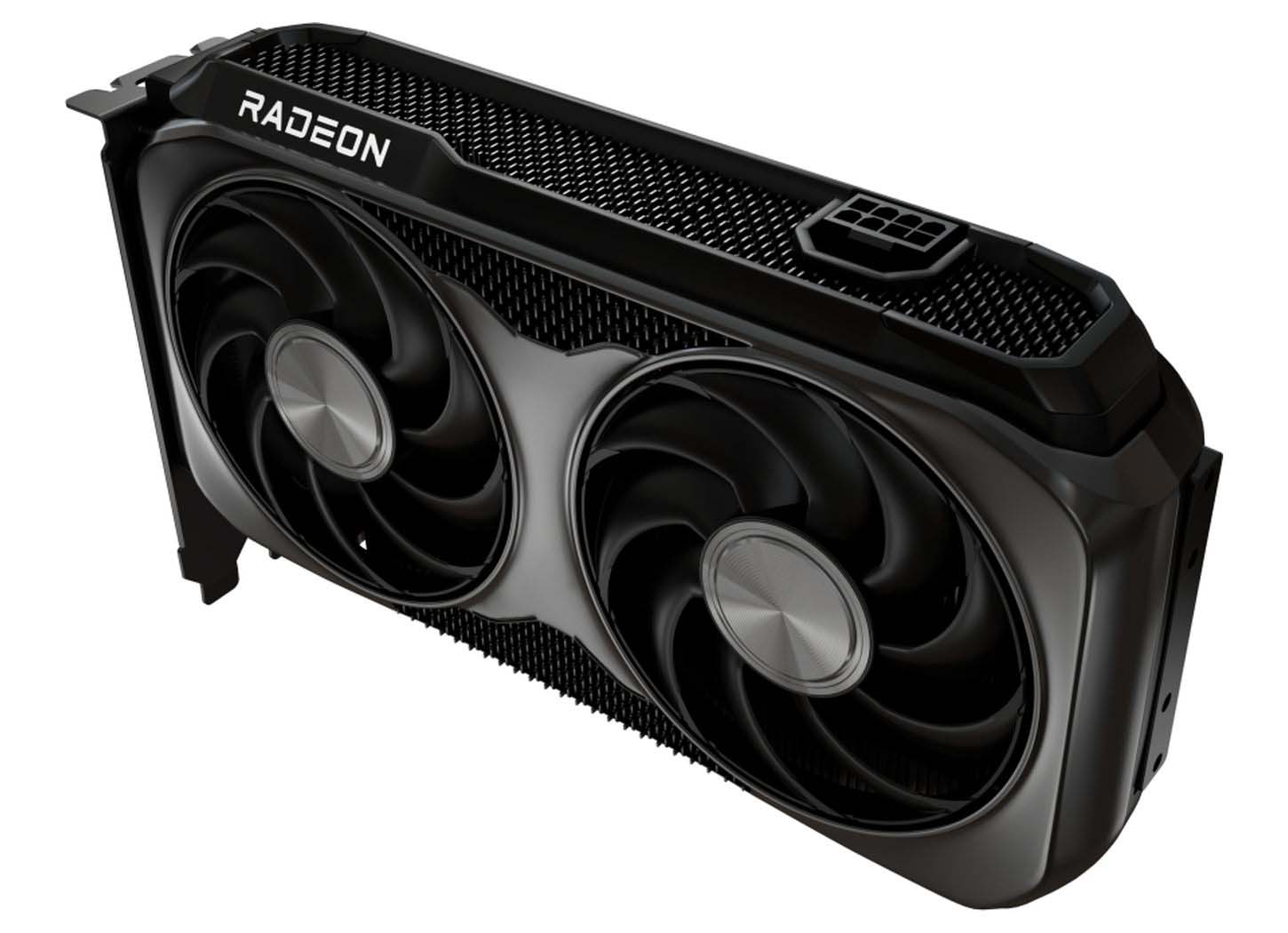
The whole picture looks like this: First, NVIDIA launches the RTX 50 Series, setting new standards for performance and price in the high-end segment. Next, AMD analyzes its competitors’ products and discovers a strategic flaw: NVIDIA continues to offer versions with limited VRAM capacity, such as the RTX 5060 Ti 8 GB, in the context of modern games that are increasingly demanding on graphics memory. Finally, AMD launches the RX 9060 XT in two versions, of which the 16 GB version is designed to directly exploit this weakness. The red team has created a powerful and extremely understandable marketing story: 1 product offers the same performance, double the VRAM, but at a lower price. This is a classic tactic, aimed directly at the psychology of users who are looking for maximum value for their money.
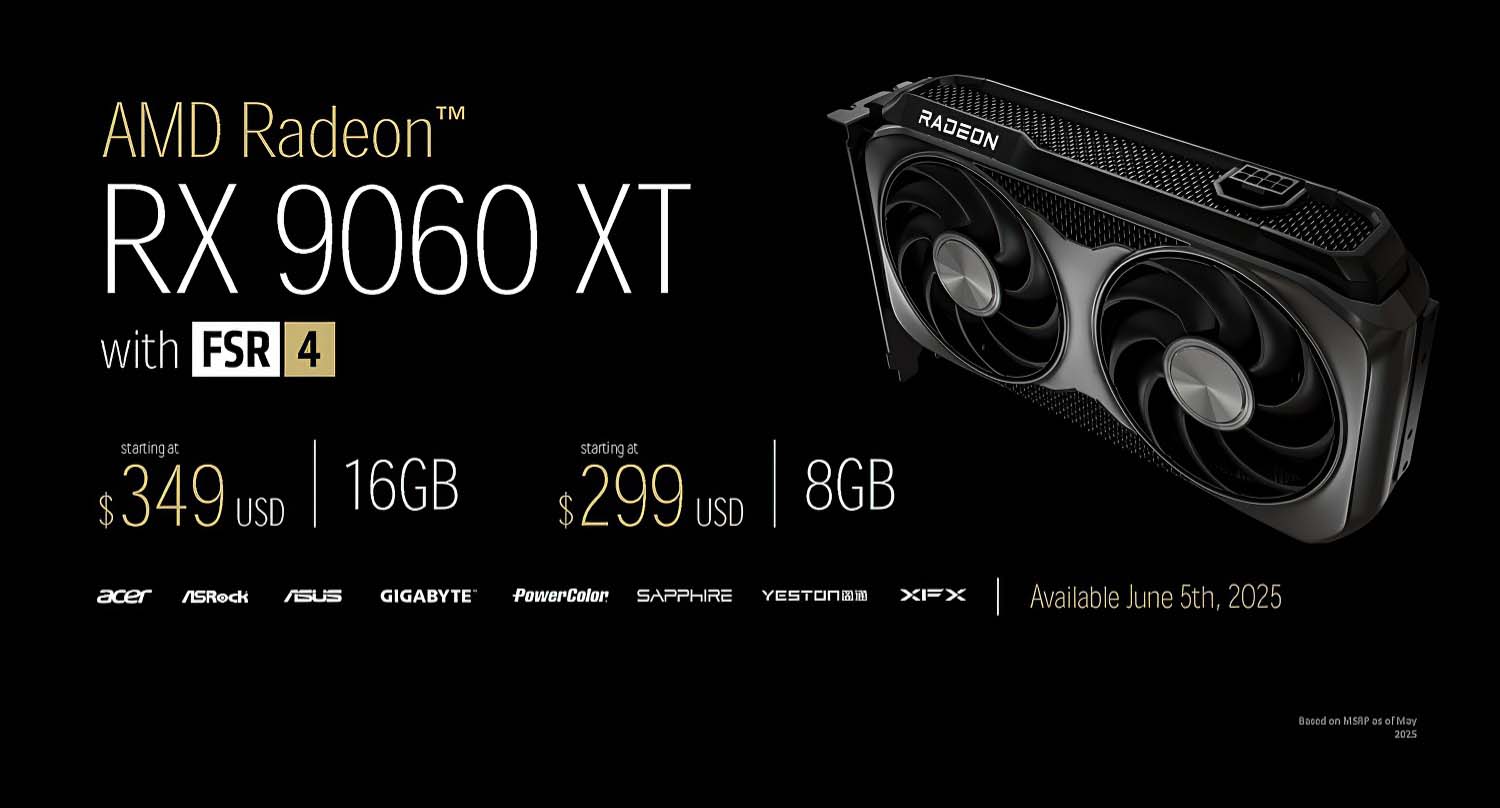
However, the large gap between the MSRP and the actual retail price of the 16GB version also exposed the inherent contradiction in AMD's strategy. On the one hand, AMD positioned the product at an extremely attractive price. On the other hand, the decision not to produce a reference card designed and distributed by AMD itself left almost all pricing power in the hands of its Add-in Board (AIB) partners and retailers. AIB partners such as ASUS, Gigabyteand XFX, which tend to price custom versions higher than MSRP to maximize profits. As market demand for the 16GB version skyrocketed and initial supply was limited, the price was inevitably pushed up. This inadvertently undermined AMD's original superior value message, leading to gamers paying prices close to those of their rival NVIDIA, reducing the competitive advantage that AMD had worked so hard to build.
RDNA 4 Architecture
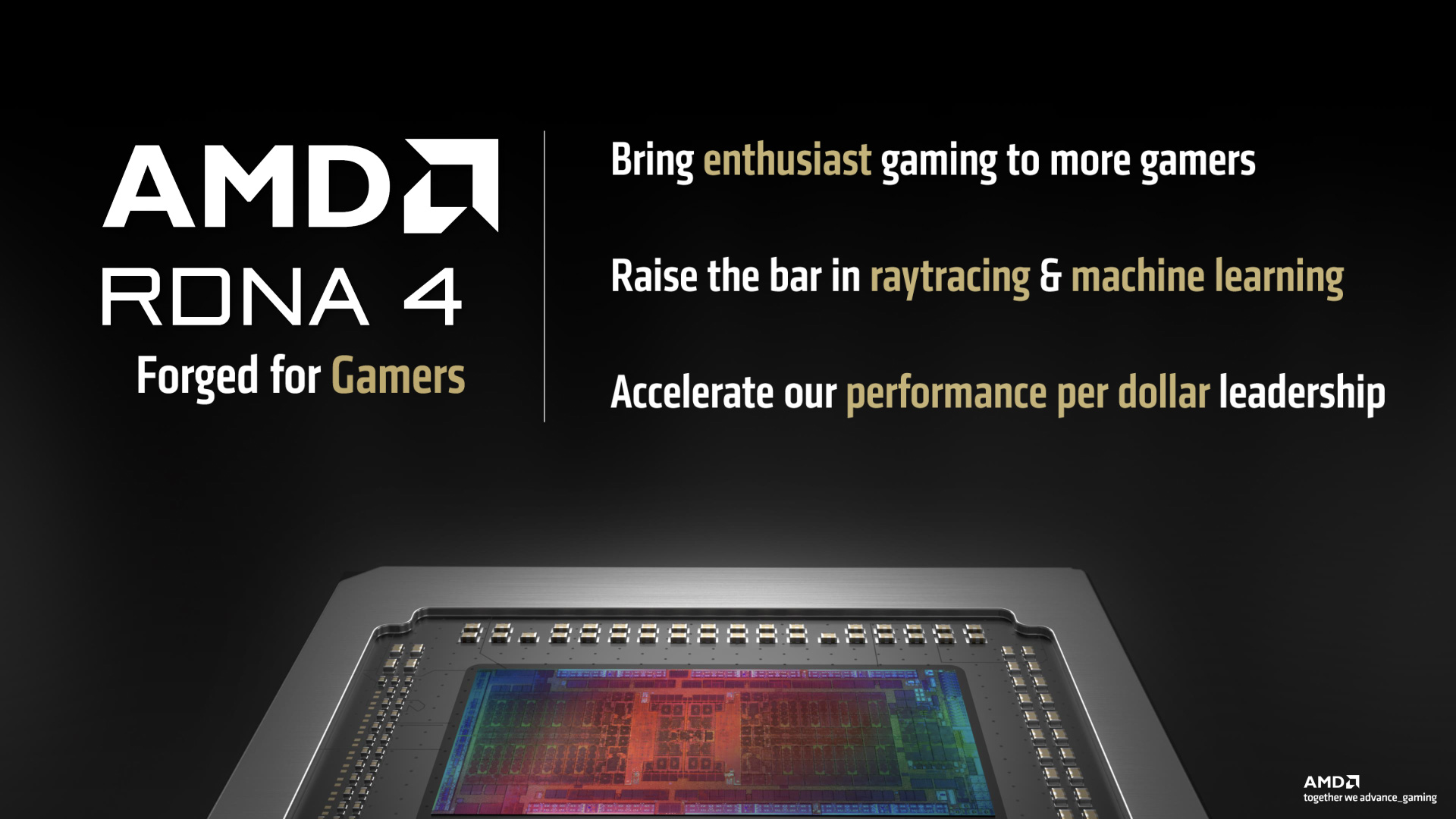
The RDNA 4 architecture that powers the Radeon RX 9000 Series was designed by AMD with only one goal in mind: maximizing performance per square millimeter of die area (performance/mm2). This is a pragmatic design philosophy that focuses on efficiency rather than the race for sheer scale.

While retaining the same basic architecture with 64 shaders per CU (Compute Unit), RDNA 4 has a huge leap in performance. According to AMD, performance per CU can increase by up to 40% compared to the previous RDNA 3 architecture. This improvement comes from two main factors: significantly higher operating frequencies and improvements deep inside the architecture. One of the most notable improvements is the integration of out-of-order queues for memory access requests. This mechanism allows one SIMD32 unit (half of the CU) to continue executing instructions while the other unit is waiting for data from memory, thereby minimizing downtime and increasing the efficiency of hardware resources in real-world scenarios.

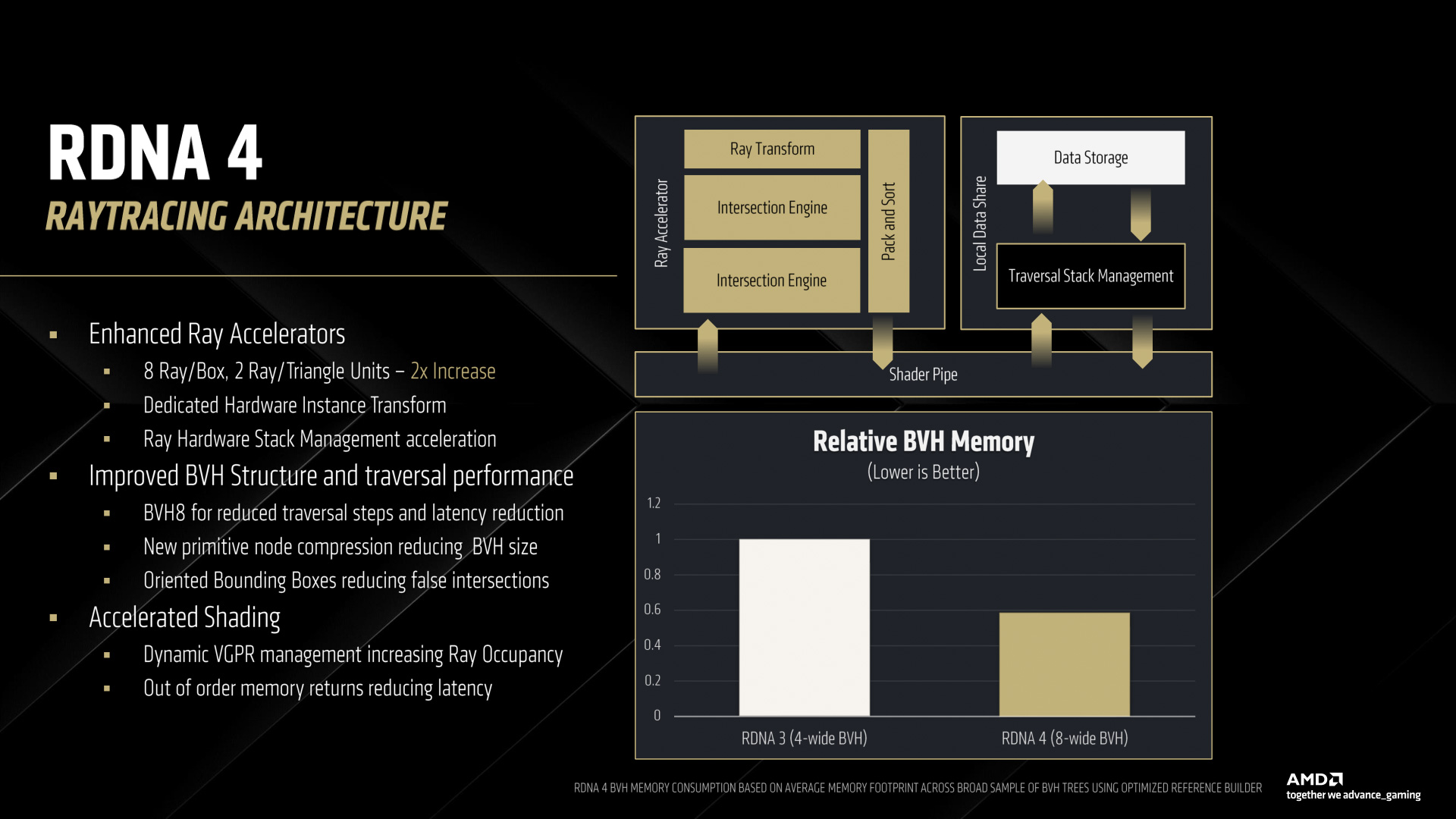
Ray tracing improvements are considered one of the most important and meaningful upgrades in RDNA 4. Recognizing the growing importance of ray tracing technology in AAA games, AMD has decided to invest heavily to close the gap with its competitors. According to AMD, ray tracing (RT) performance per CU has doubled compared to RDNA 3. Technically, this is achieved by doubling the ray intersection engine and BVH (Bounding Volume Hierarchy), allowing for 8 ray intersections/bounding boxes per cycle. At the same time, the new architecture also features advanced techniques such as Oriented Bounding Boxes (allowing bounding boxes to rotate with objects for more precise wrapping) and BVH data compression, which significantly reduces the memory required for complex RT tasks.
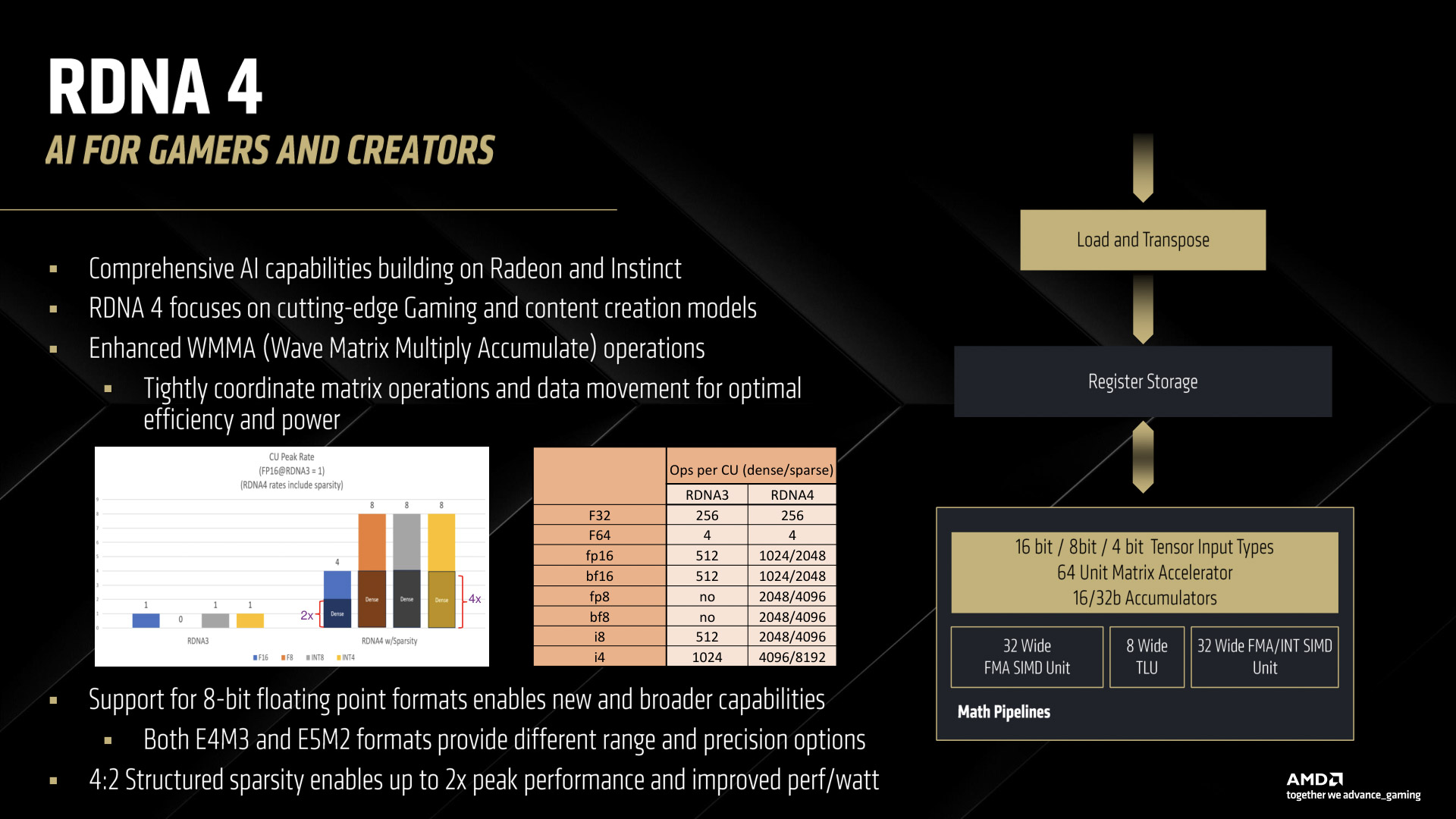
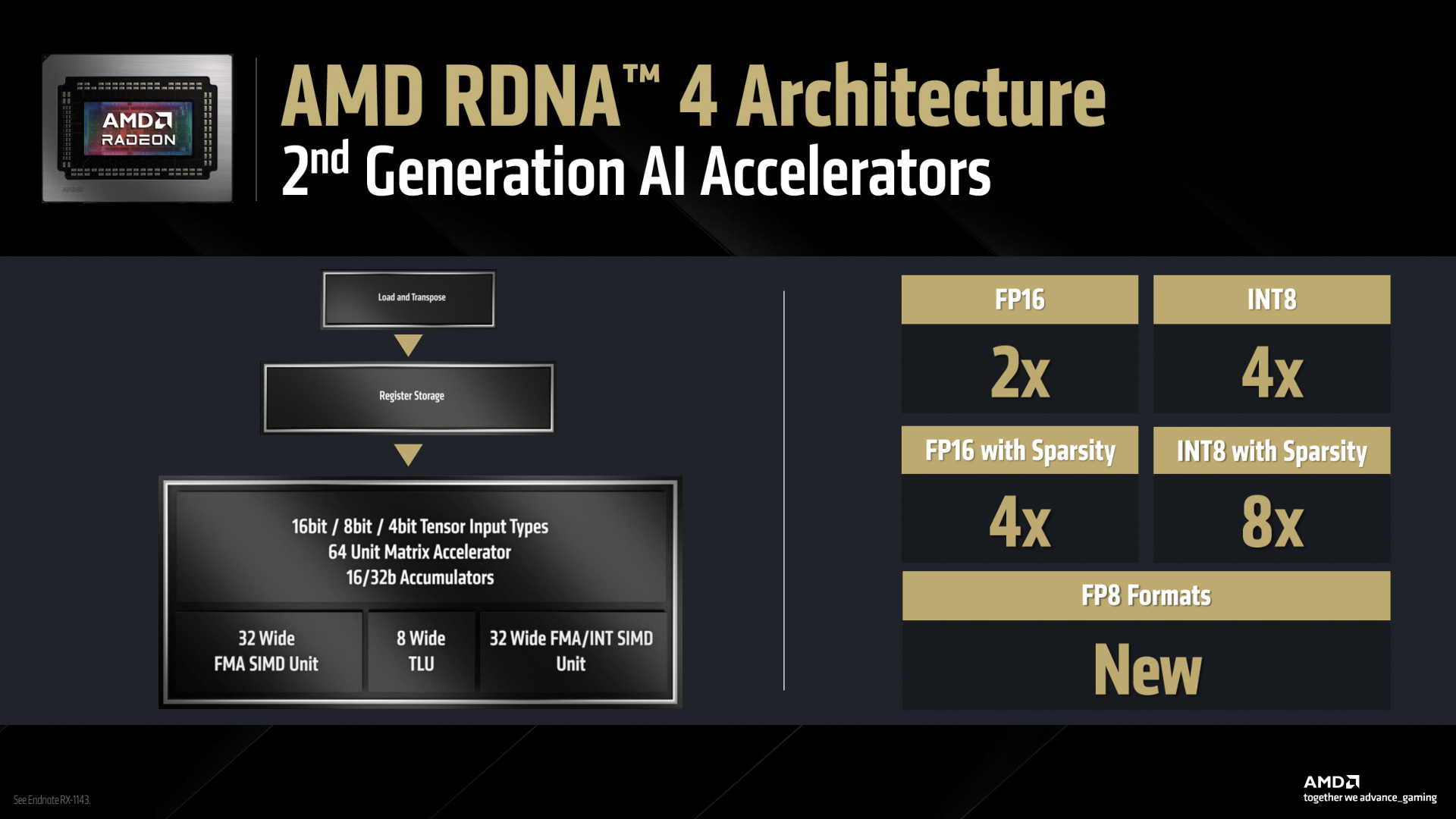
Along with RT, AI processing is also at the heart of RDNA 4. The second-generation AI Accelerators have been completely redesigned, delivering up to 8x higher INT8 throughput on sparse matrices per AI Accelerator than the previous generation. This breakthrough comes from the addition of dedicated math pipelines and native support for new data formats such as FP8 and structured sparsity. These improvements not only create a solid hardware foundation for machine learning-based FSR 4 image upscaling, but also prepare for Generative AI applications right on the PC.
Navi 44 GPU
The Navi 44 GPU, which is also the GPU used in the Radeon RX 9060 XT, is manufactured on TSMC's N4P process. This is an improved and more power-efficient version of the 4N process that NVIDIA is using for the Blackwell series, giving AMD a small theoretical advantage in terms of power efficiency. This GPU contains 29.7 billion transistors on a 199 mm2 die area. Compared to the previous generation Navi 33 GPU (RX 7600 XT), which only had 13.3 billion transistors on a 204 mm2 die area, this is a huge increase in semiconductor density.

Navi 44 has 32 compute units (CUs), equivalent to 2048 stream processors, 64 AI accelerators, 32 ray tracing accelerators, 128 texture mapping units (TMUs)and 64 raster output units (ROPs). Navi 44's reference boost clock can reach 3130 MHz - very high and is an important factor contributing to the performance increase, far exceeding the 2755 MHz of the RX 7600 XT. The RX 9060 XT is equipped with 128-bit GDDR6 graphics memory, operating at 20 Gbps, providing a theoretical bandwidth of 320 GBps. To compensate for the relatively narrow memory bus, AMD continues to equip 32 MB of the new generation Infinity Cache, which acts as an effective bandwidth amplifier.
AMD’s decision to keep the memory bus at 128-bit while increasing clock speeds and architecture is a deliberate engineering trade-off. A wider memory bus, such as 192-bit or 256-bit, would require more pins on the GPU die, increasing size, complexityand ultimately manufacturing cost. By maintaining a 128-bit bus, AMD can keep the Navi 44 die small and cost-effective, allowing it to price its products more competitively. Instead, AMD figures that the combination of higher clock speeds, improved performance per CUand a new 32MB Infinity Cache will be enough to make up for the limited physical bandwidth. These decisions demonstrate how cost-effective design takes a potential “bottleneck” and addresses it with other solutions like smart architecture, rather than expensive hardware solutions.
On the other hand, the improvements in ray tracing and AI performance show a change in AMD’s thinking. They have acknowledged that RT and AI are no longer “nice to have” features but have become core elements that define the modern gaming experience and are the standard of the entertainment industry. In previous generations, AMD’s RT performance has always been a weakness when compared to NVIDIA. With RDNA 4, the Radeon RX 9060 XT has almost caught up with the RTX 5060 Ti in RT tasks, only losing by a very small margin. At the same time, investing in AI cores to create ML-based FSR 4 is a direct answer to NVIDIA’s DLSS technology. AMD is trying to eliminate NVIDIA’s main selling point in the mid-range segment (buy NVIDIA for better RT and DLSS). As features become more comparable, the competition will be forced to return to the factors where AMD has an advantage: pure rasterization performance and price.
FidelityFX Super Resolution 4
FidelityFX Super Resolution 4 (FSR 4) marks the fundamental architectural change and turning point that AMD brings to RDNA 4. Completely different from FSR versions 1, 2 and 3 which are based on spatial and temporal algorithms, FSR 4 switches to using Machine Learning (ML) models to reproduce images - an approach similar to NVIDIA's DLSS technology.
This change comes with a pretty strict requirement: FSR 4 requires dedicated AI acceleration hardware, which are the second-generation AI Accelerators found on the RDNA 4 architecture. As a result, FSR 4 is exclusive to the Radeon RX 9000 Series graphics cards and is not backward compatible with older generations like RDNA 2 or RDNA 3. In terms of operating mechanism, AMD has built data centers using Instinct GPUs to train separate AI models for each game. These models are then deployed on the AI Accelerators of the RX 9000 cards, allowing the GPU to reconstruct high-resolution images from frames rendered at lower resolutions with high quality and accuracy.

FSR 4 is a leap forward from FSR 3, fixing most of the inherent problems of the previous generation such as ghosting when objects move or shimmering in small details. The image quality of FSR 4 is almost equaland in some cases even better than the old DLSS version (based on the CNN model). Of course, FSR 4 cannot be compared with NVIDIA DLSS 4 based on the advanced Transformer model. The frame generation technology of FSR 4 still inherits the frame interpolation mechanism from FSR 3 and has not made any major breakthroughs.
ASUS Prime Radeon RX 9060 XT 16GB OC

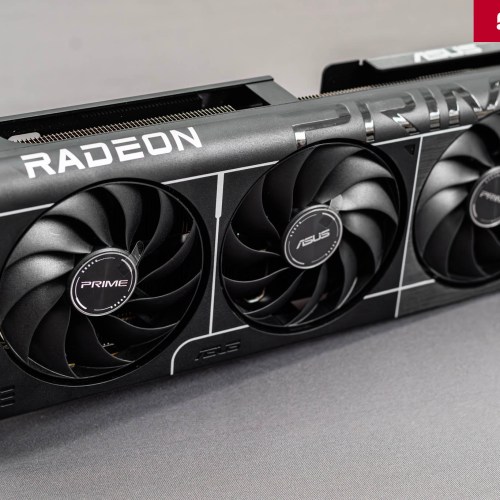
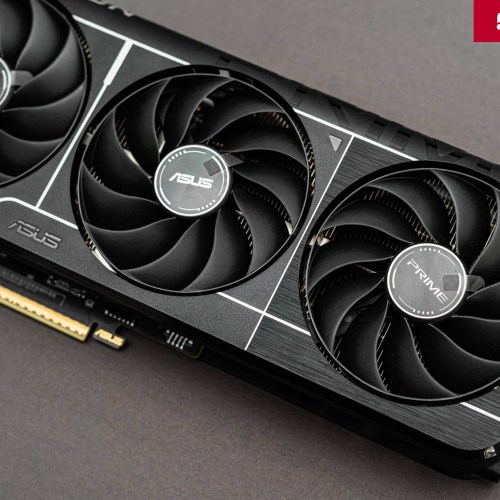
In ASUS’s product hierarchy, the Prime series has always been positioned as the choice that focuses on value, reliabilityand performance, rather than aesthetic elements like RGB lighting or bold design. The ASUS Prime RX 9060 XT 16 GB OC Edition card has a neutral color scheme, mostly black with silver accents. The product uses a “no-frills” design (no color) that easily blends into most computer systems without being too prominent.
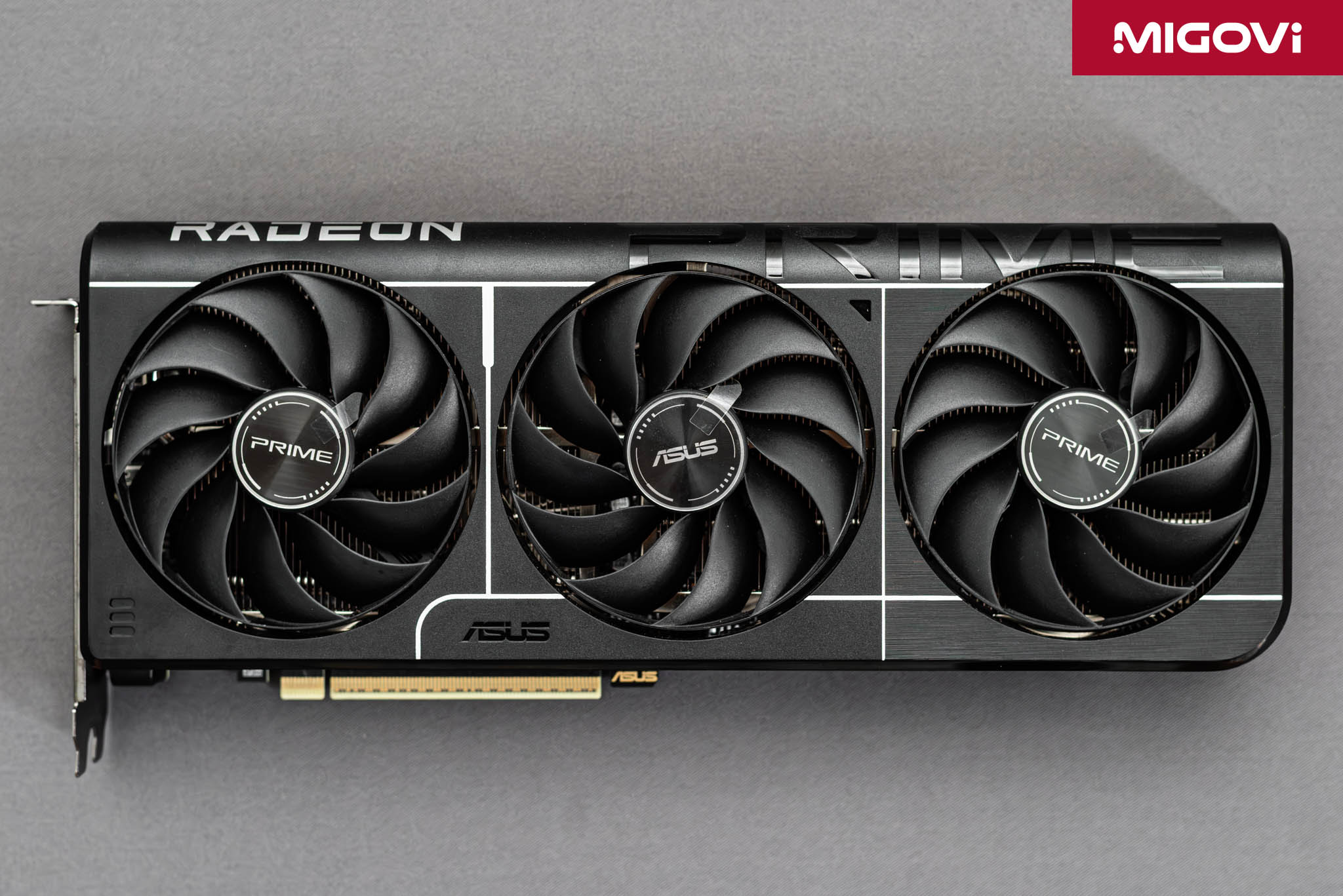
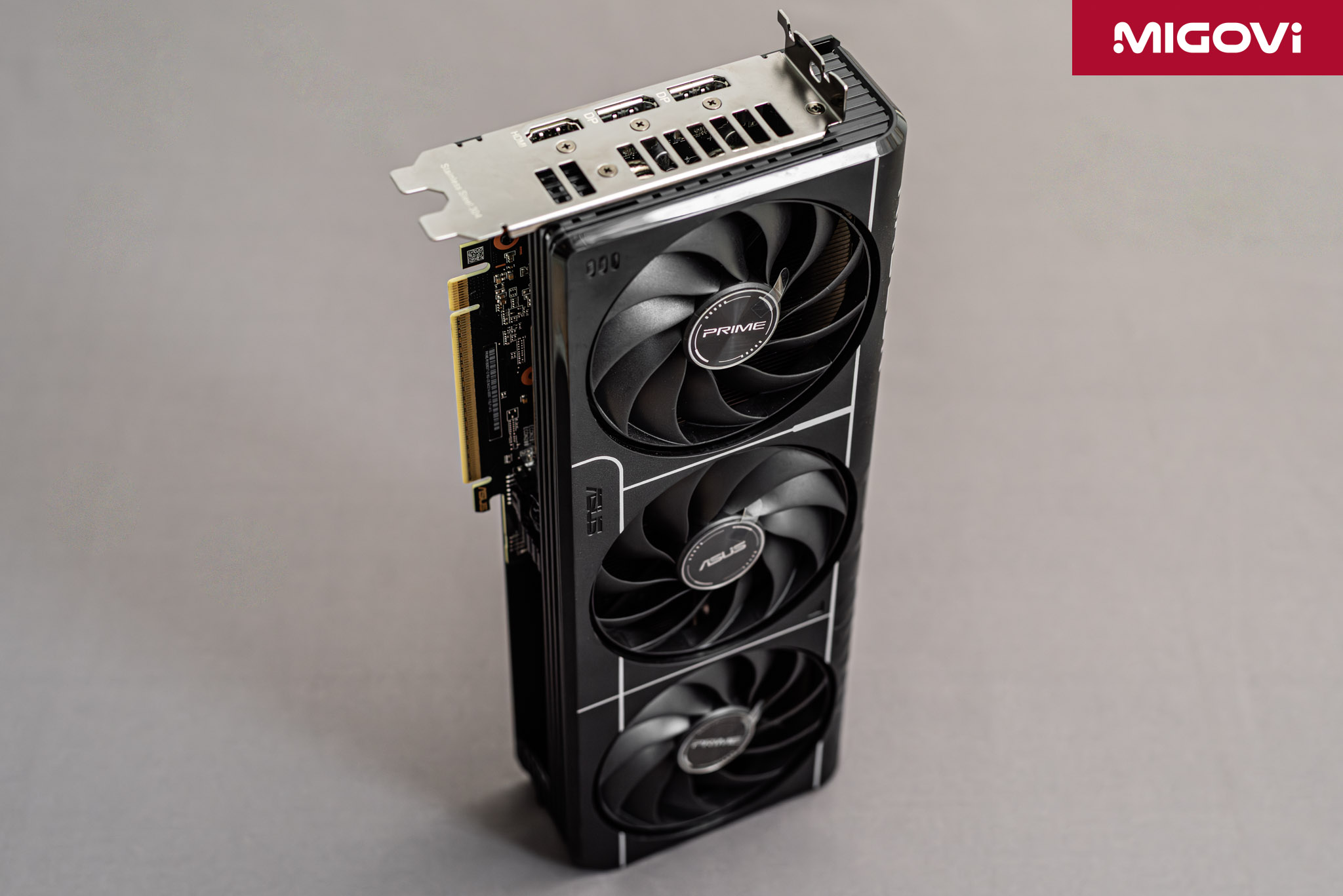
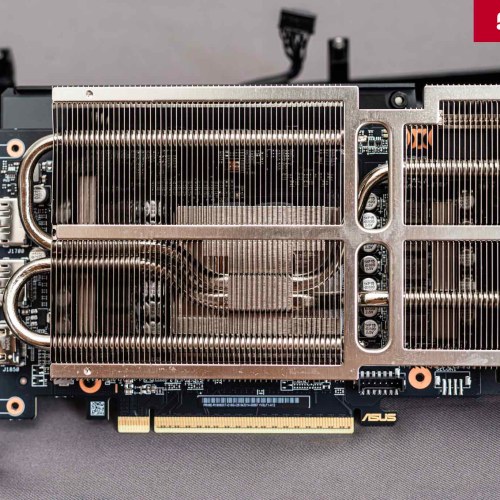
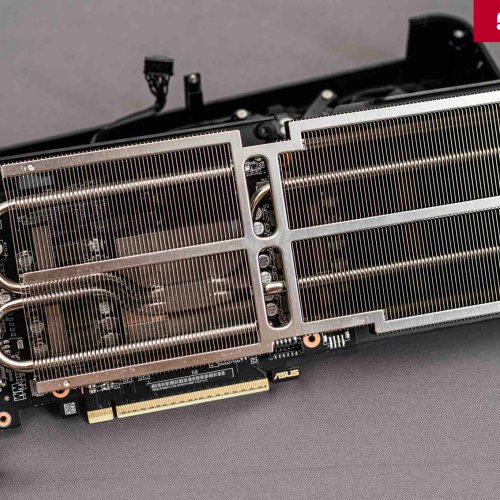
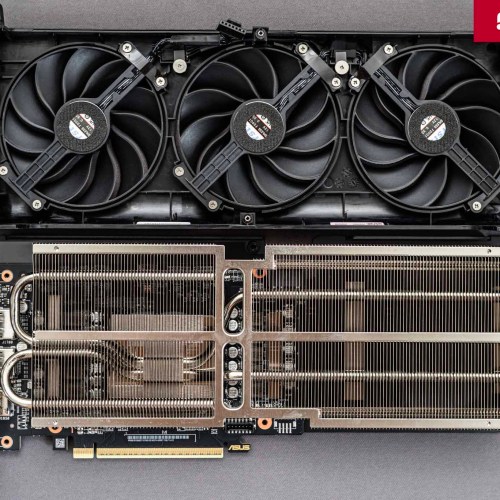
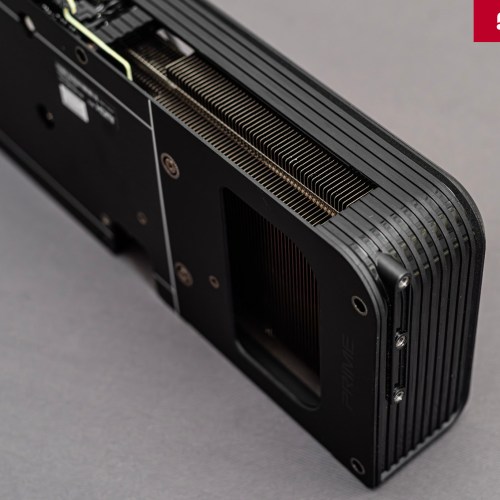
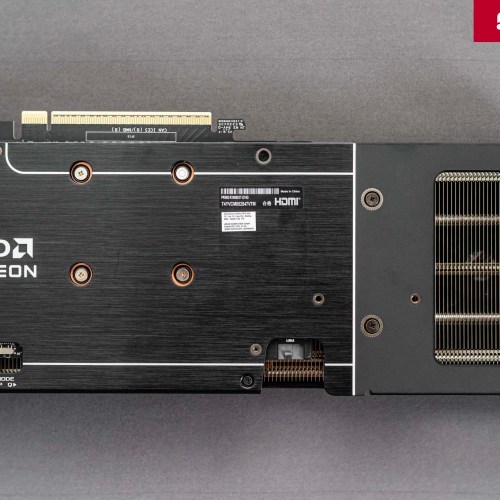
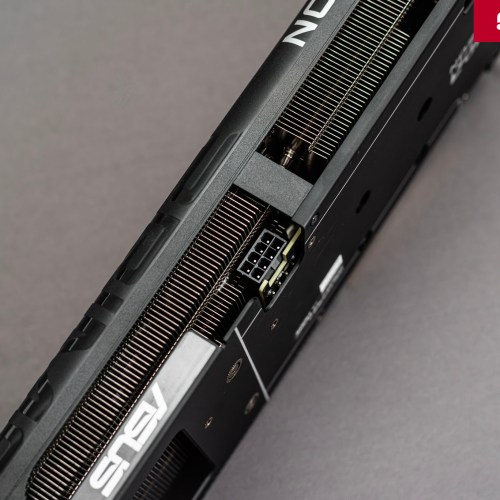
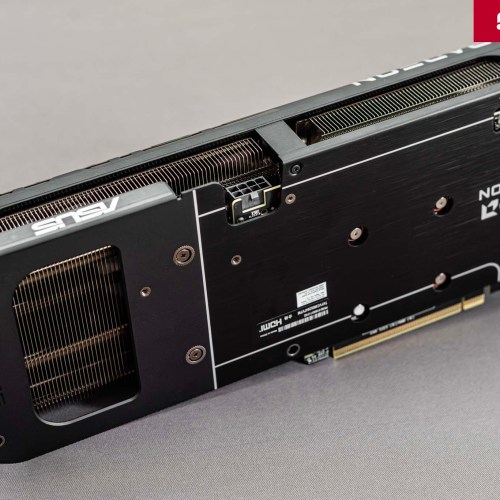
Physically, the ASUS Prime Radeon RX 9060 XT 16 GB OC occupies 2.5 PCIe slots (50 mm thick) and is 304 mm long. The entire card is cooled by a massive heatsink with three Axial-Tech fans. The internal PCB is actually significantly shorter than the overall length of the card. This allowed ASUS to create a space at the bottom of the card where the third fan can blow air through the heatsink fins and out through the large cutout in the backplate. This design significantly improves airflow and reduces the build-up of heat inside the case.
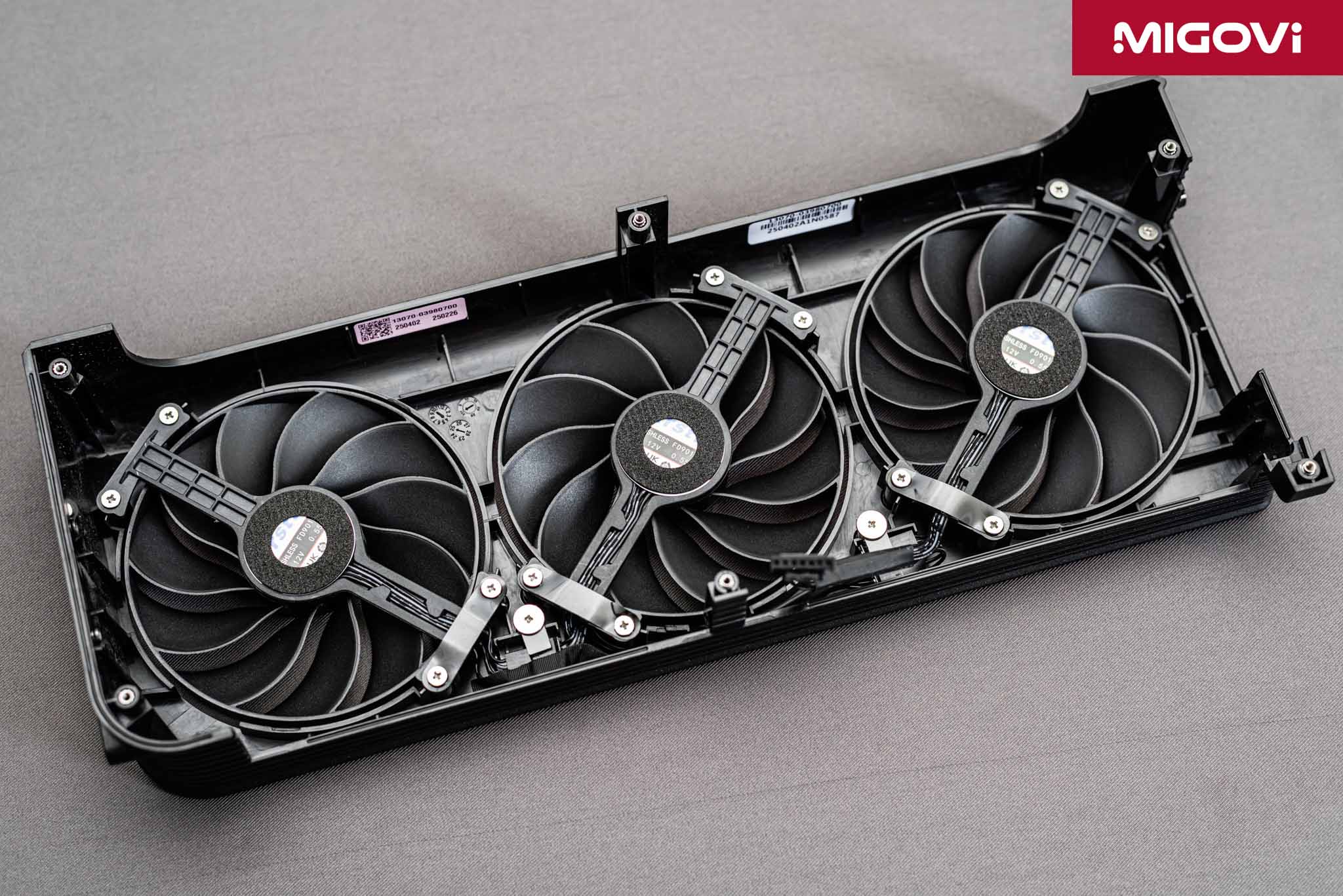
The Axial-Tech triple fan system features dual-ball bearings, which provide twice the lifespan of conventional ball-bearing fans. The fans rotate in opposite directions, minimizing airflow turbulence, allowing for smoother, more focused airflow through the heatsink. A 0dB mode is also included, which stops all three fans completely when the GPU temperature drops below 55°C, providing a quiet workspace.
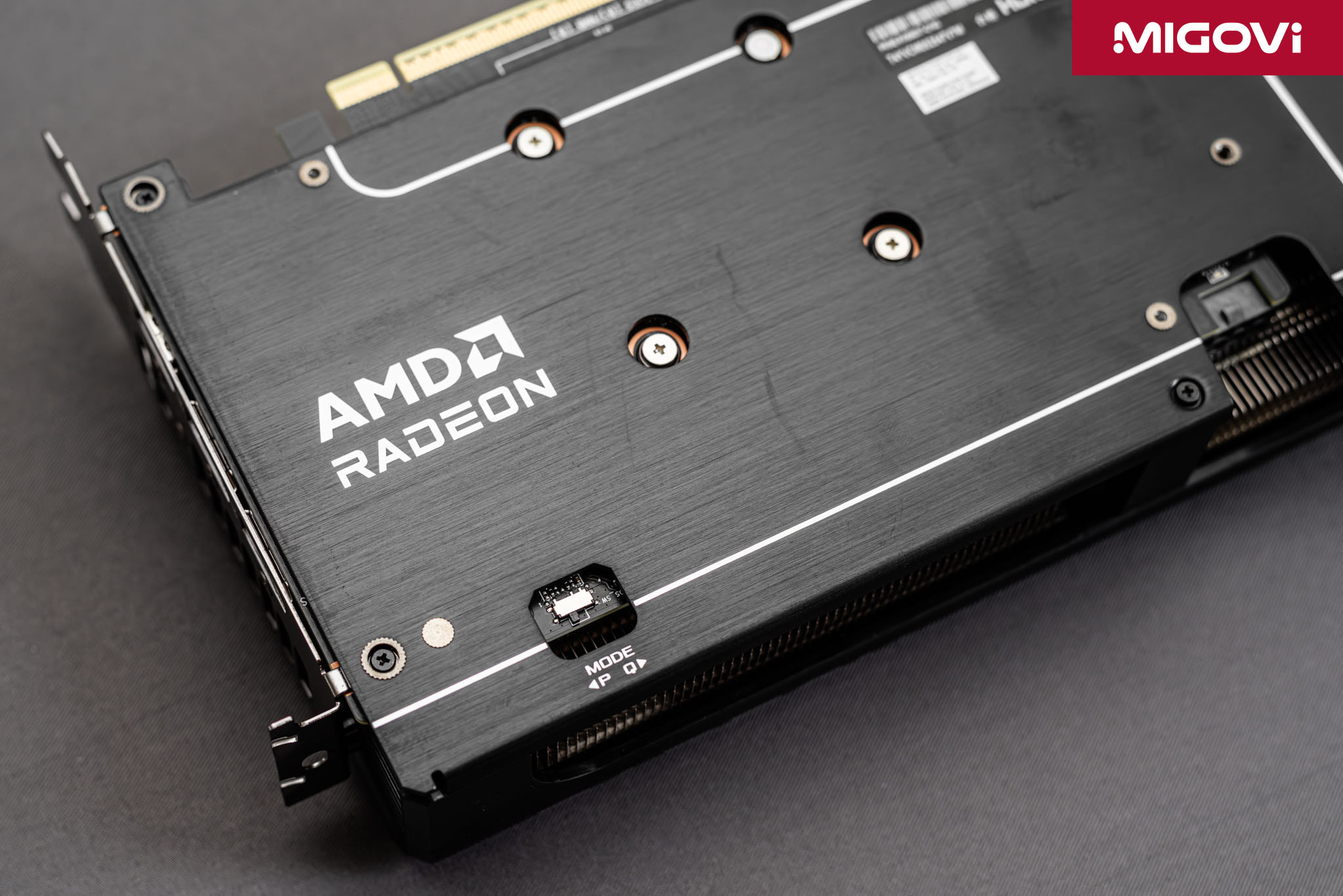
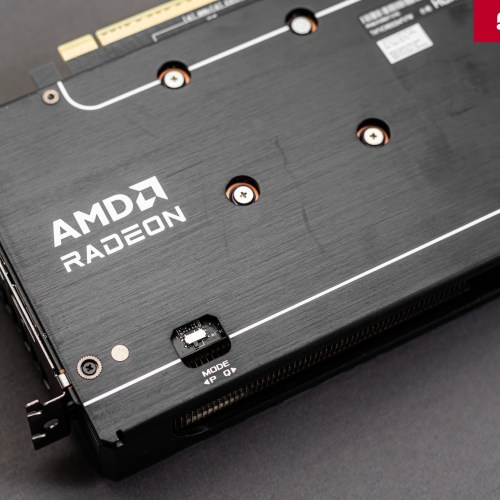
ASUS integrates a mode switch between Performance and Quiet. By default, the card will be in performance mode, optimized for the best cooling. In this mode, the noise of the card when operating at full capacity is only 30 dBA. Conversely, in quiet mode, the cooling fan will be adjusted. At that time, the fan noise is reduced to 23 dBA, while the temperature is still well controlled.
Despite being a Prime series, the product is also equipped with physical protection for the GPU. GPU Guard is essentially a sturdy metal frame placed around the GPU die, combined with adhesive fixed at the 4 corners. This reinforced frame helps increase the rigidity of the most sensitive area of the card, minimizing the risk of damage during transportation or installation.
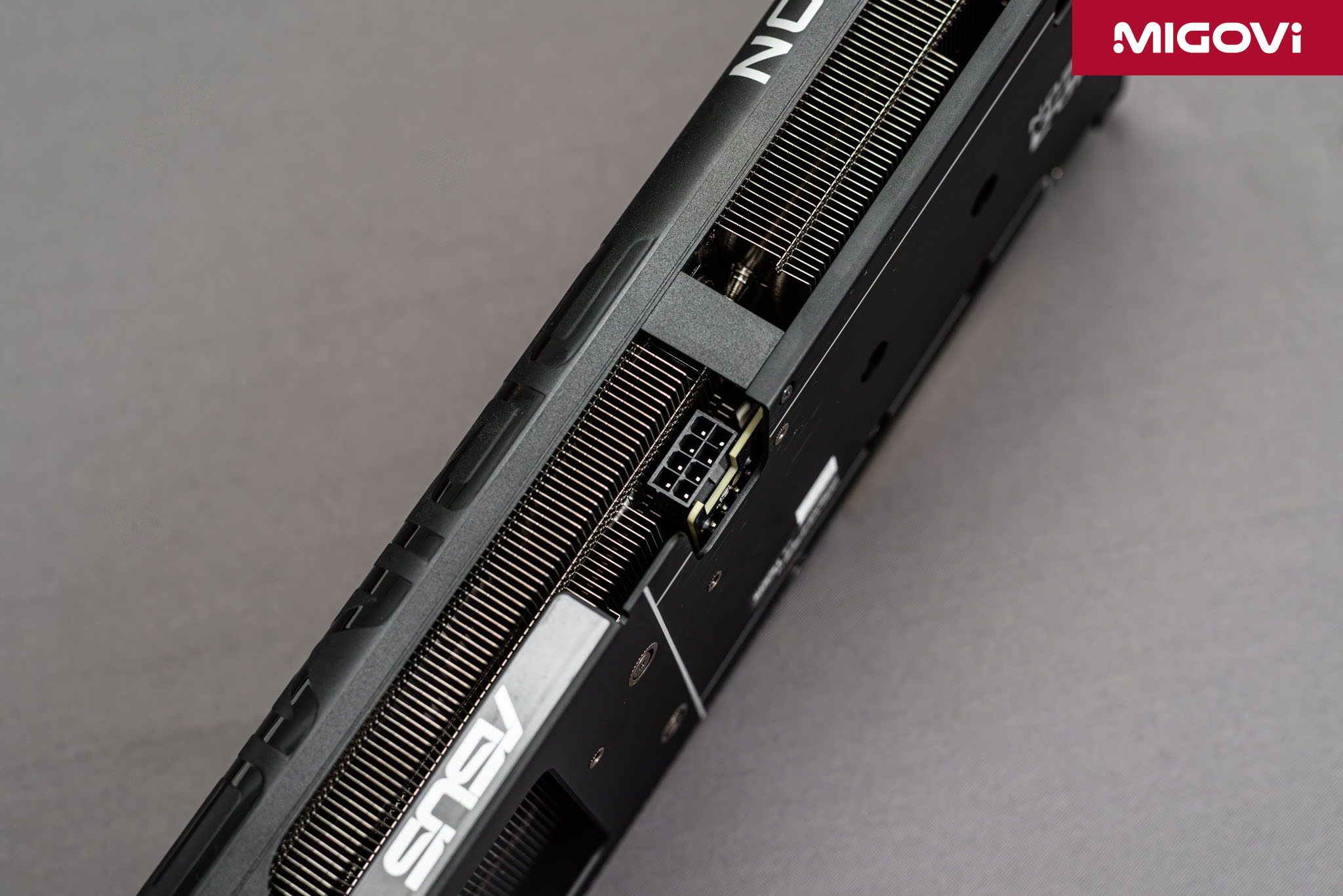
The card only needs a single 6+2-pin PCIe power connector. The power consumption (TBP) of the 16GB reference version is 160W, while the ASUS Prime OC version in real-world tests only consumed about 177W - an efficient number and lower than many other custom cards on the market. For the ASUS Prime Radeon RX 9060 XT 16GB OC to operate stably, the manufacturer recommends using a power supply with a capacity of 550W or higher.
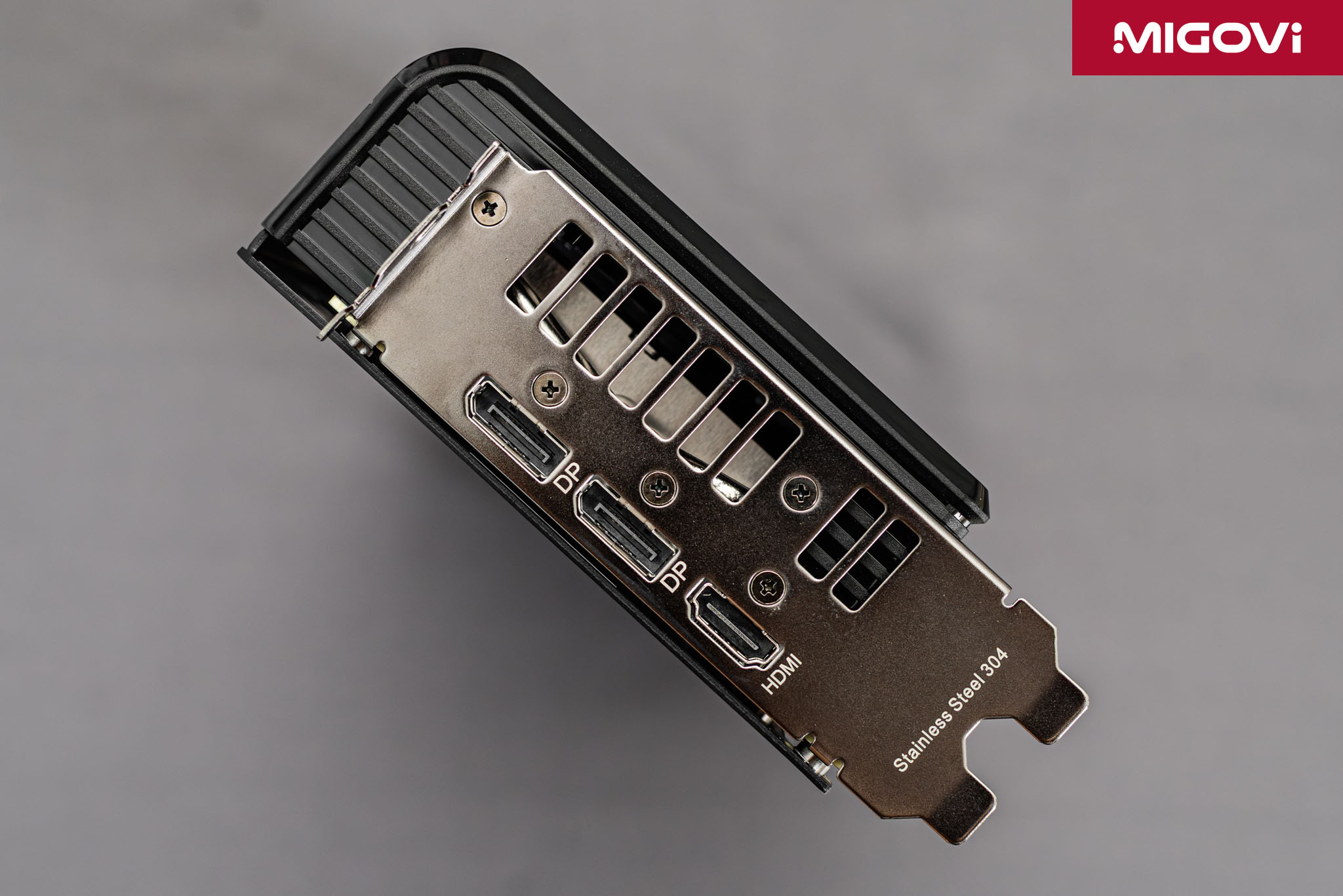
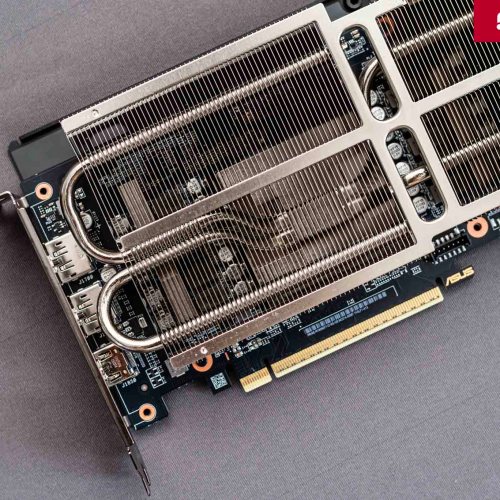
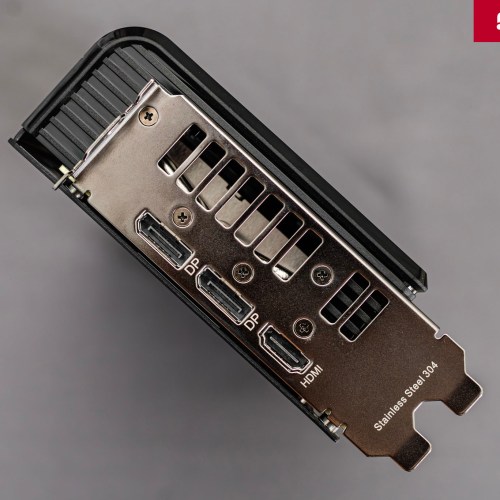
The connection ports on the card have 1 HDMI 2.1b port and 2 DisplayPort 2.1a ports.
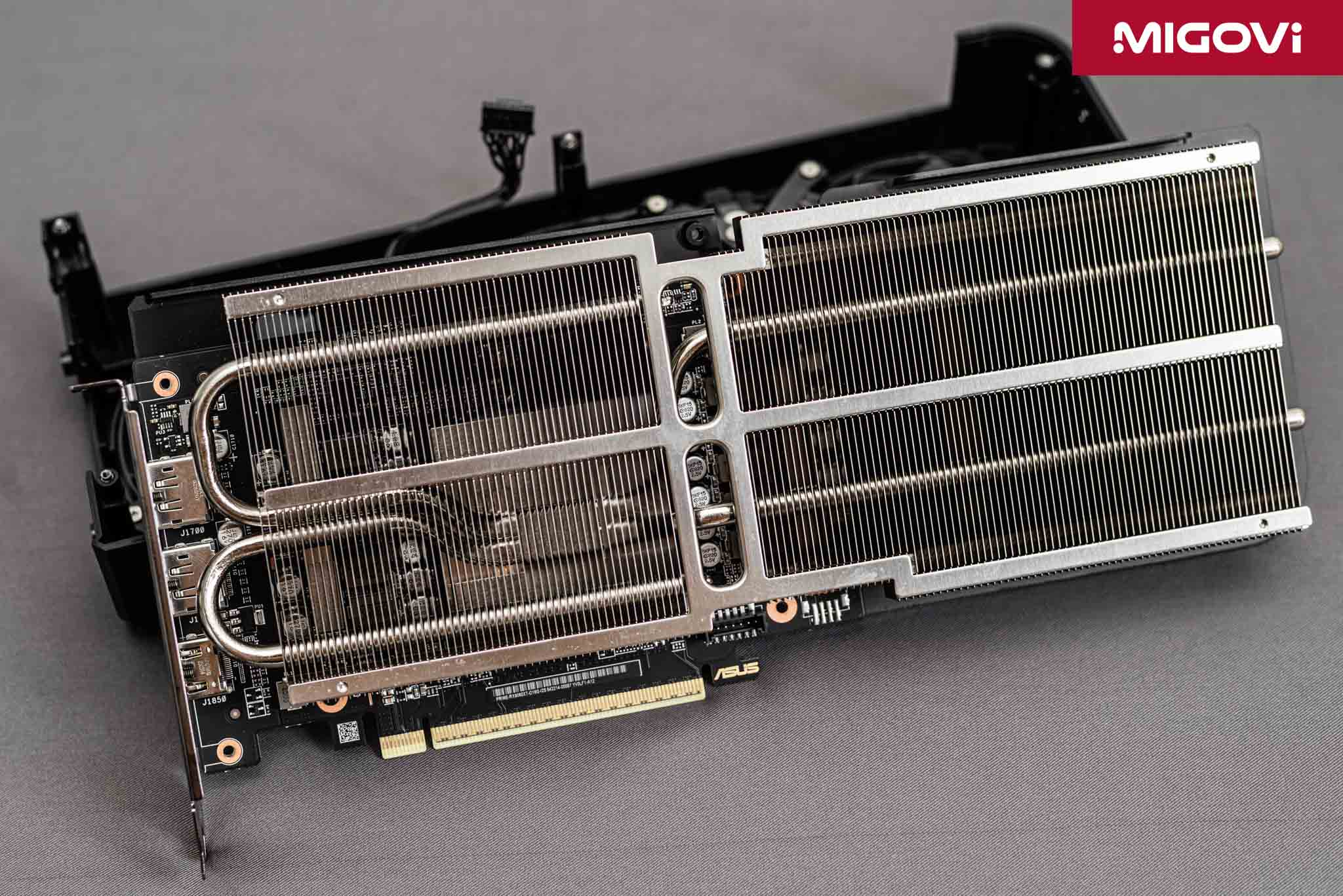
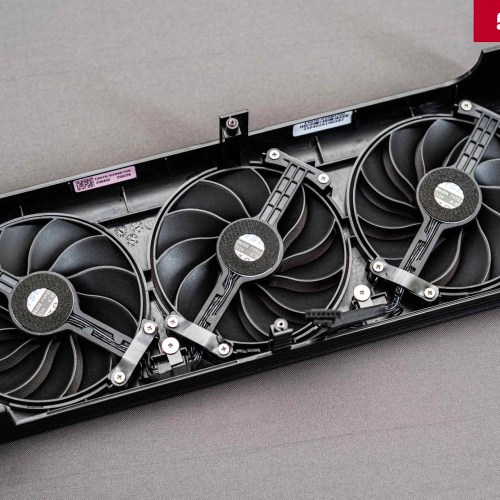
The heatsink of ASUS Prime Radeon RX 9060 XT 16 GB OC has aluminum fins combined with 2 heatpipes. The thickness of the aluminum fins is not large, but the card still occupies 2.5 PCIe slots due to the cooling fan. All 3 fans are fixed on the plastic frame and mounted on the card body, supplying power from a common plug. Replacing or cleaning the cooling fan of Prime Radeon RX 9060 XT 16 GB OC is very easy, completely possible to do at home.
Test configuration
- CPU: Intel Core i7-14700K
- Mainboard: ASUS ROG MAXIMUS Z790 DARK HERO
- RAM: CORSAIR DOMINATOR TITANIUM DDR5-6000 32 GB x 2
- Cooler: Cooler Master MasterLiquid 360 ATMOS
- SSD: Kingston FURY Renegade G5 2 TB
- VGA: ASUS Prime Radeon RX 9060 XT 16 GB OC Edition
- PSU: CORSAIR RM1200x SHIFT
- Case: Lian Li O11 DYNAMIC EVO XL Black
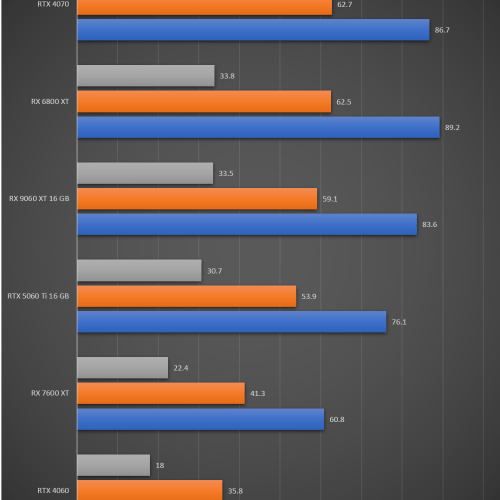
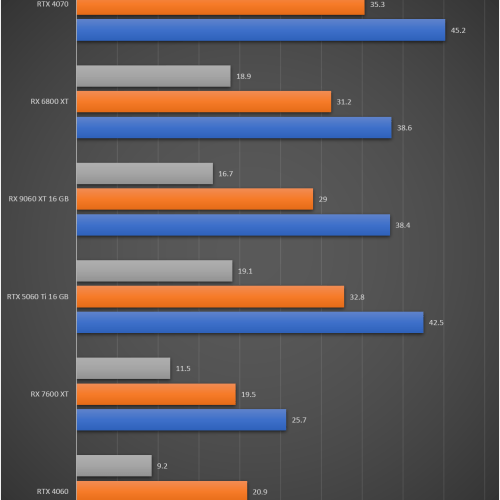
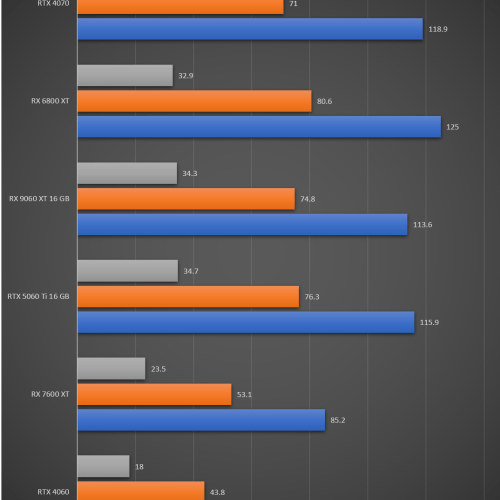
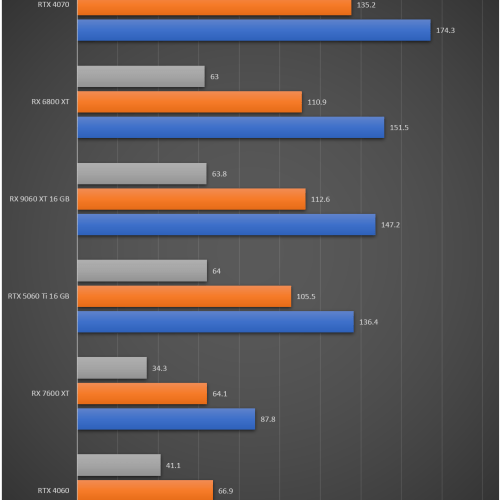
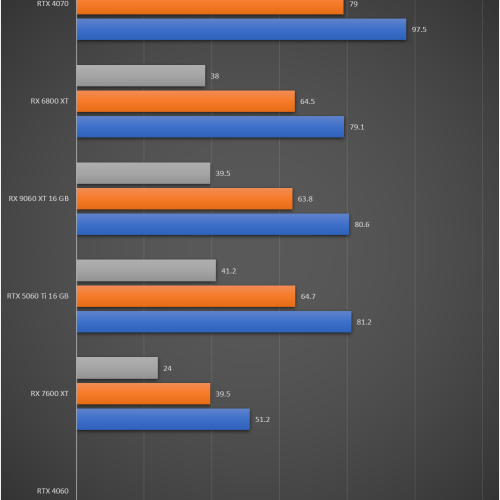
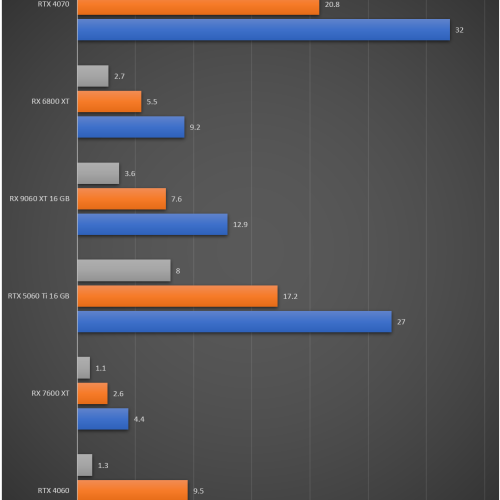
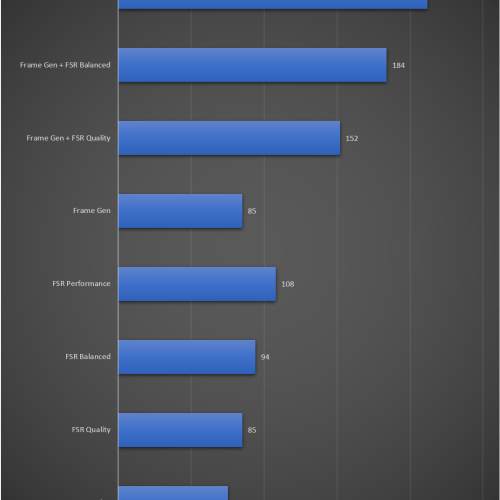
ASUS Prime Radeon RX 9060 XT OC Edition Performance

Conclude
In games, especially traditional rasterization and ray tracing at 1080p and 1440p, the AMD Radeon RX 9060 XT 16 GB delivers competitive performance for the price, on par with more expensive options. Equipped with 16 GB of GDDR6 VRAM, the product fully meets the requirements of modern games, in addition to being an anti-obsolescence option, helping gamers not to worry about running out of graphics memory for the next few years. The ASUS Prime Radeon RX 9060 XT 16 GB OC card, although belonging to the basic product line, is equipped with a 3-fan cooling system, dual BIOS for quiet and cool operation. FSR 4 resolution upscaling technology when switching to machine learning platform has significantly improved image quality, narrowing the gap with NVIDIA DLSS.
The AMD Radeon RX 9060 XT still has room for improvement when it comes to content creation. For applications like the Adobe suite or CUDA-based software, the RX 9060 XT's performance is still significantly behind its green-team rival.






Migovi review


1 thought on “Radeon RX 9060 XT - AMD's mid-range gamble and technology war”