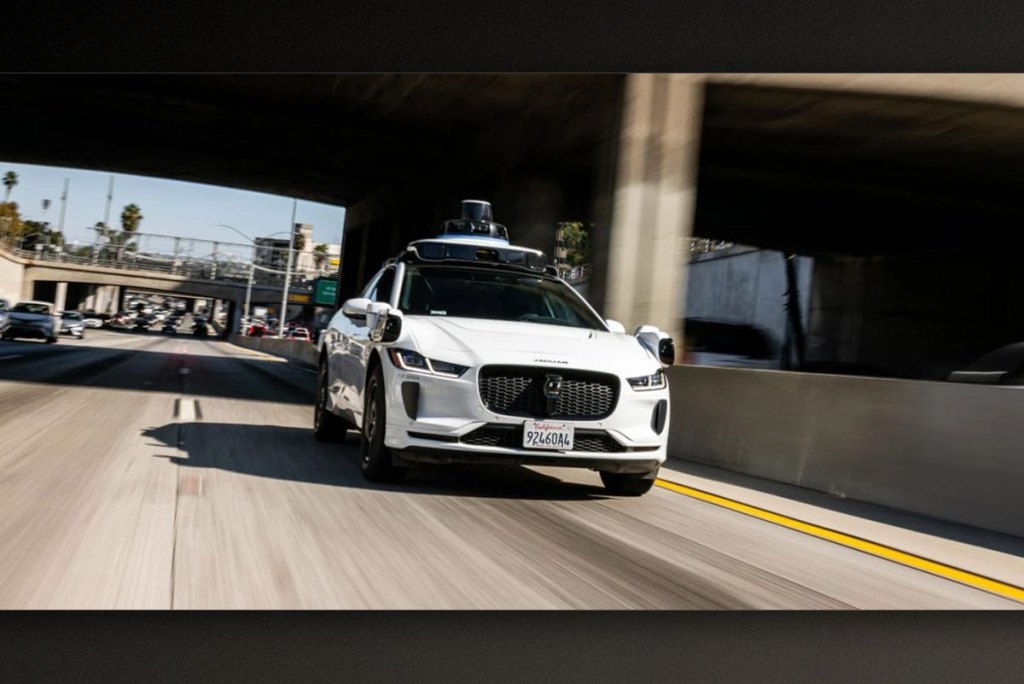
A video of a Waymo trying to pass two police cars on I-280 has led to a pause order, though the company says the incidents caused no injuries or collisions.
- Waymo has pulled all its vehicles off highways in every state after California's DMV ordered a pause on November 11
- The cause: a video of a Waymo trying to pass two police cars on I-280, along with several cases of vehicles entering construction zones
- The order ends only when Waymo shows its fixes are effective, and the company has not said when it will resume
- The company says the incidents involved no injuries or collisions
Table of Contents
Why Waymo had to stop highway driving
Waymo, Google's self-driving car company, has pulled all its vehicles off highways across the US after California's Department of Motor Vehicles (DMV) told it to pause highway driving in the state. The order was issued on November 11 but was only reported today, and it traces back to a viral video showing a Waymo trying to get past a police roadblock. Although the DMV order applies only to California highways, Waymo also chose to stop in other states.
The video was filmed on I-280 in Northern California, one of the main arteries through Silicon Valley, where opening up highway service has noticeably cut riders' travel times. In the footage, two police cars with their lights on spread across the road behind a work vehicle to slow traffic, then the scene cuts to a Waymo traveling fast in the far-left lane. An officer accelerates and swerves in front of it, and only then does the Waymo swerve and slow down. One source claims the poster sped up the video, so keep that in mind when watching.
Where Waymo operates and how it drives
Waymo currently operates in 15 areas, and last month alone it added about 250 square miles. Riders hail a car through the company's app, and the vehicles drive with no one in the driver's seat and run 24/7 within their coverage areas. Because the cars can operate at any time but only inside predefined zones (geofences), the service is classified as Level 4, unlike the Level 2 found on most personal cars today. The company has been operating autonomously on public roads since 2017.
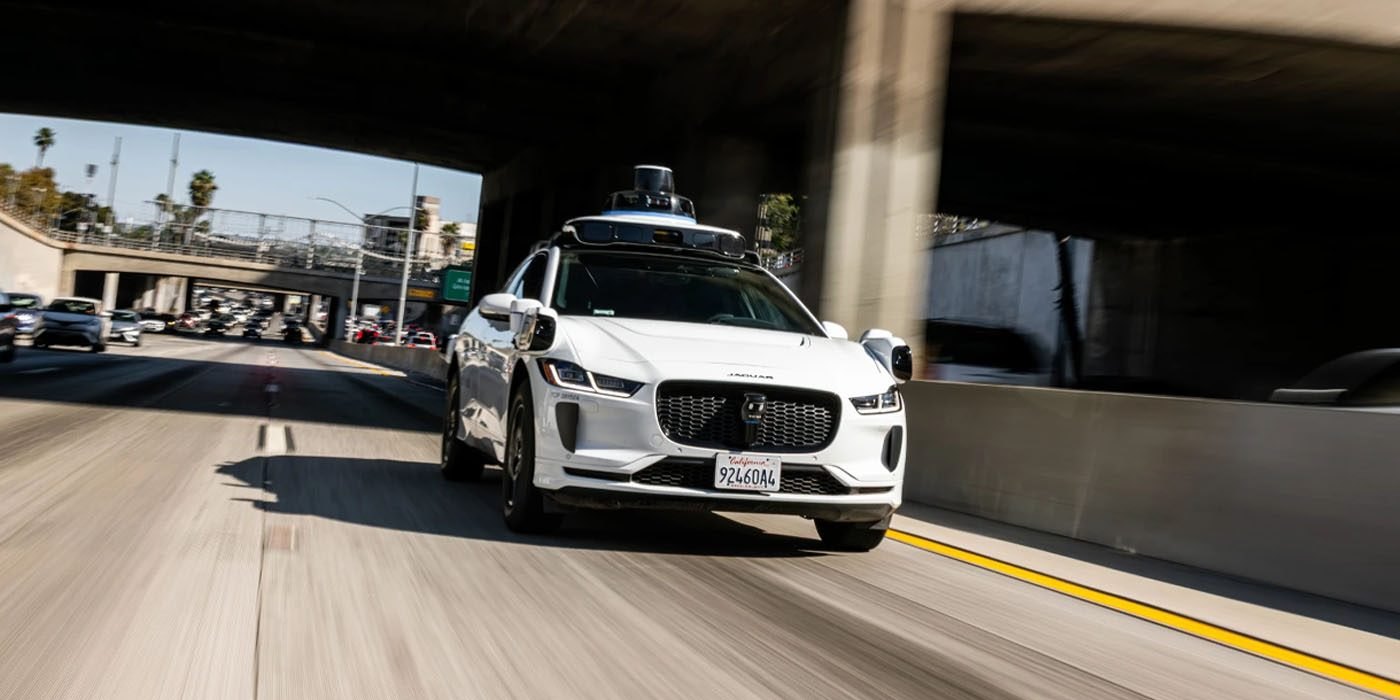
Until recently, Waymo ran only on city streets, which are more complex but lower speed, so crashes tend to be more frequent in town while highway collisions are more likely to be severe because of the higher speeds. Most driver-assistance systems roll out on highways first because the environment is simpler, whereas Waymo has gone the opposite way. The company began carrying passengers on highways late last year in a limited number of markets, after years of testing that was mostly done with a safety driver on board and no passengers.
What it takes to resume
The DMV said it was not just the video: there have been multiple cases of Waymo vehicles entering construction zones. According to the agency, the earlier incidents were all logged and the company applied fixes, but the incidents continued. The pause will therefore last until Waymo proves those fixes actually work.
Waymo says the incidents caused no injuries or collisions, and that it will work with the DMV and other states in hopes of resuming highway service once the issue is resolved. Before this setback, things were going fairly well: the company said its driverless cars had helped avoid 841 injuries over 271 million miles of operation, while Tesla's robotaxi effort is still far behind.
Waymo stopped nationwide even though the order applies only to California, a fairly cautious approach, apparently because the company does not want the construction-zone problem to spread elsewhere. The 841 avoided injuries show the company's platform still has real value, but highways are where mistakes cost far more, so the DMV has reason to demand concrete evidence before allowing service to resume. For users in Vietnam, this has no direct impact yet, but it shows that Level 4 self-driving cars still have to pass scrutiny each time they expand into a new environment. If you want to keep following the story, wait to see which fixes Waymo announces and whether the DMV accepts them.
Source: Electrek (electric vehicles)
Reviewed by: Hero Association