
TP-Link UA430D review - Compact, reads 2 cards simultaneously, 200 MBps
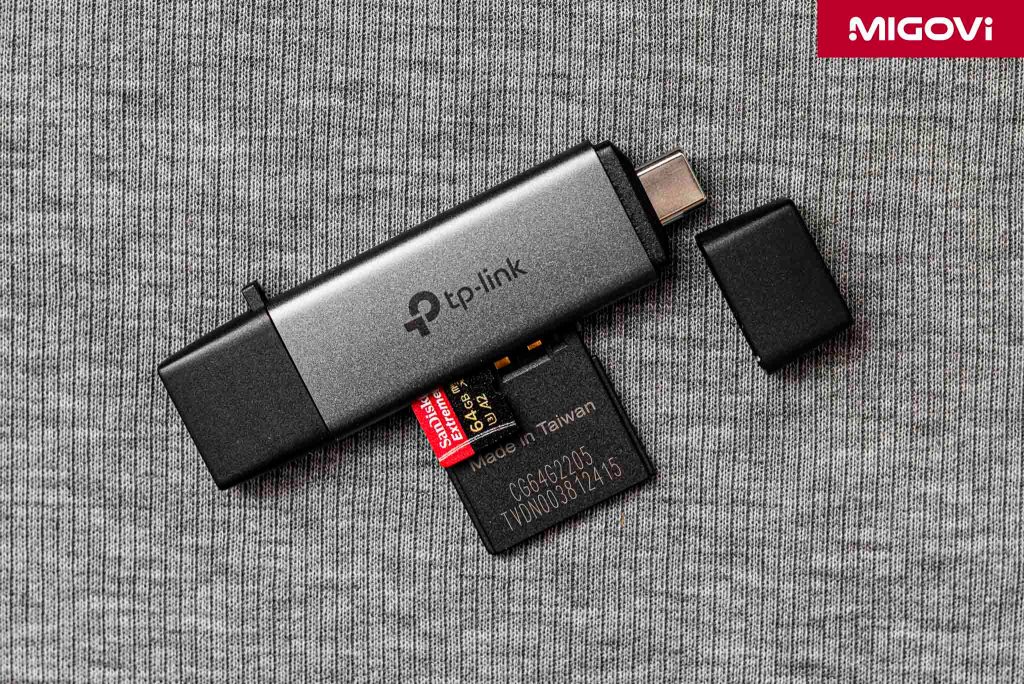
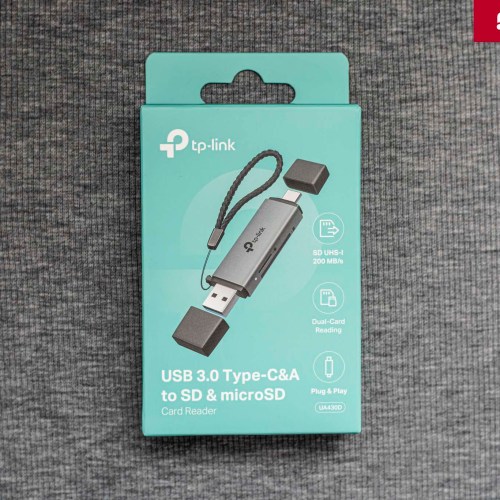
TP-Link UA430D has a compact design, USB-A and USB-C ports, reads SD - microSD cards simultaneously at speeds up to 200 MBps.
While the world is moving towards a wireless future, the existence and development of physical peripherals such as memory card readers creates a remarkable paradox. On modern cameras, wireless connections such as Wi-Fi and Bluetooth provide convenience for instant sharing needs, but when considered from a professional working perspective requiring high performance, they reveal inherent weaknesses. The fundamental difference lies in the purpose of use: wireless connections prioritize convenience, while physical connections prioritize efficiency and reliability.

Not a stopgap accessory, the TP-Link UA430D is a high-performance "bridge" that solves the bottleneck in data ingestion and large-volume data transfer. The professional market prioritizes reliability and raw data transfer speeds over convenience. You can quickly share a few photos wirelessly between your camera and smartphone to post on social media; however, when you have to transfer hundreds of RAW shots or 4K video for post-production, devices like the TP-Link UA430D are essential.
Article content
TP-Link UA430D
Design and materials
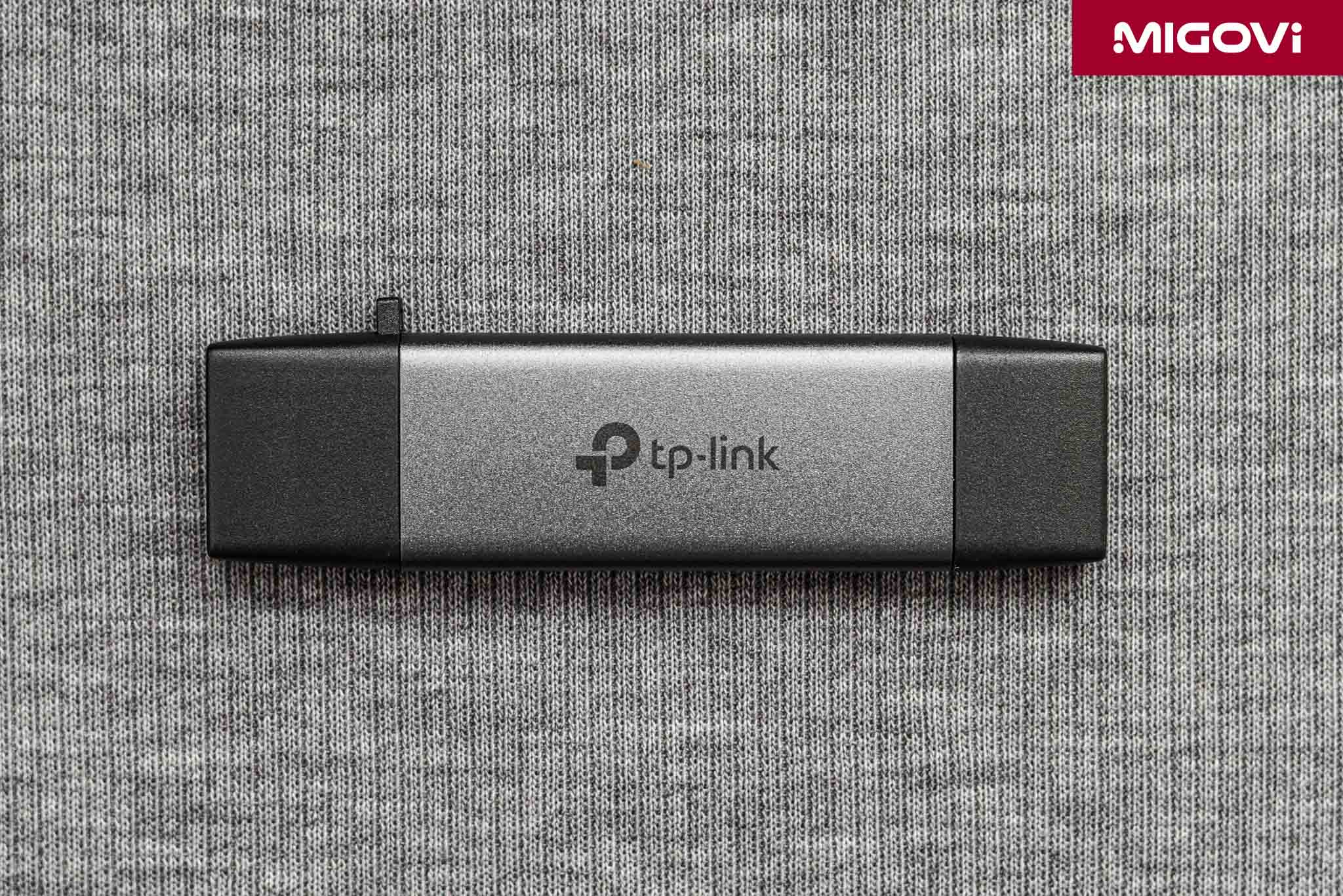
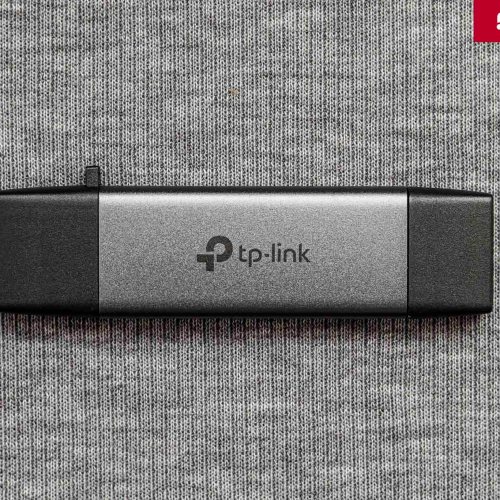
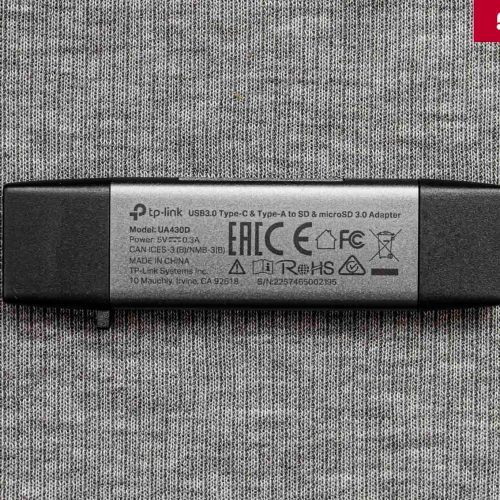
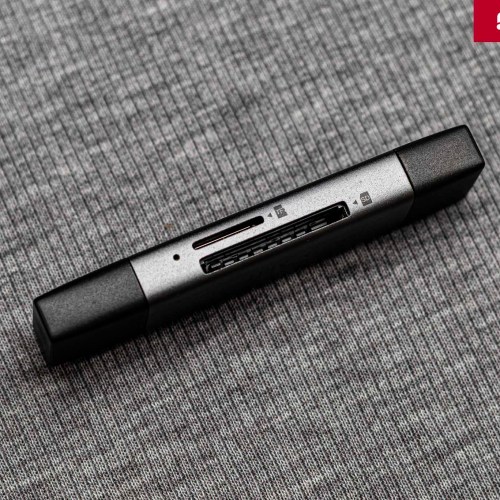
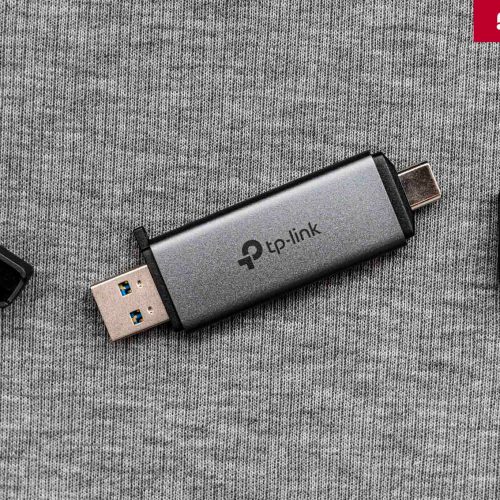
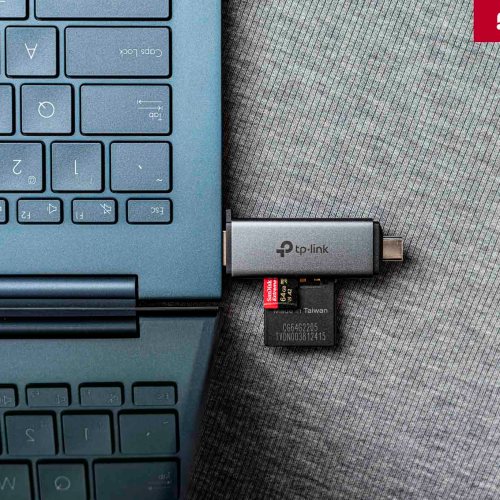
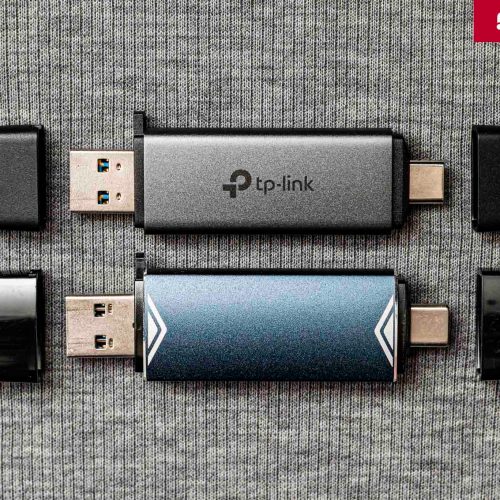
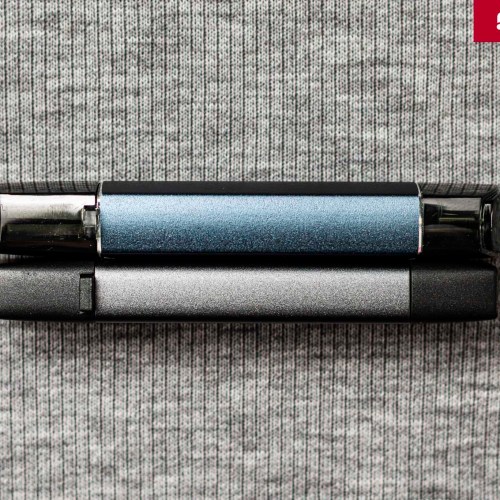
The overall design of the TP-Link UA430D focuses on durability and portability with the case material being aluminum alloy. Mechanically, aluminum alloy provides superior durability compared to plastic cases, enhancing impact resistance during mobile use. The overall design of the TP-Link UA430D is very compact, equivalent to a normal USB flash drive for data storage. The product's accessories, in addition to the user manual, also include a key chain, making it easy to carry.
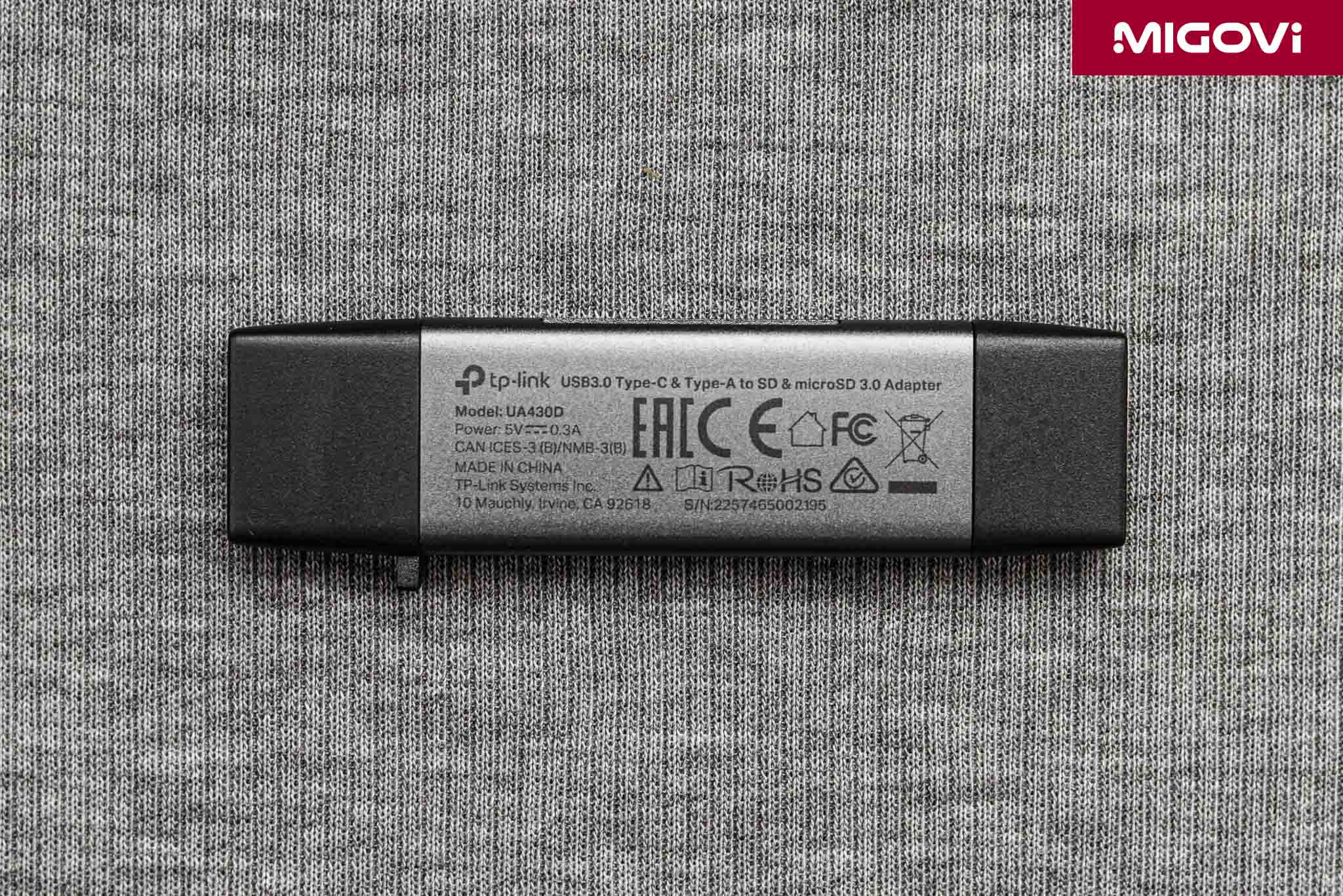
In addition to being sturdy, the aluminum alloy shell also has another important function: passive heat dissipation. TP-Link UA430D is designed to support simultaneous reading/writing of 2 memory cards at high speed. The data transmission process will generate a significant amount of heat on the controller chip inside the device. For cheap card readers using plastic shells, this heat will be trapped, leading to a reduction in performance (thermal throttling) similar to the processor to protect the chip. In contrast, the aluminum shell of TP-Link UA430D supports passive heat dissipation to the environment, helping the controller chip maintain stable transmission capacity, even when processing 2 memory cards at the same time.
USB 3.0 Type-A and Type-C

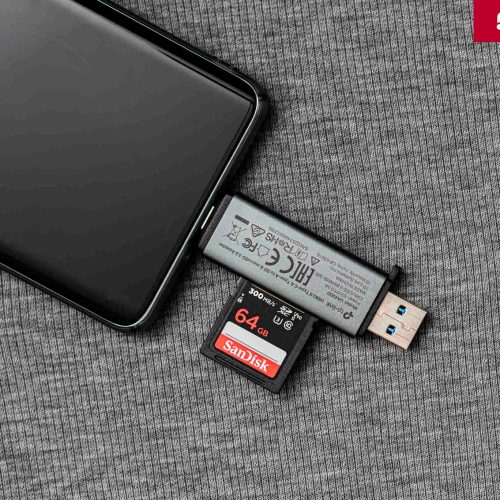
The strength of TP-Link UA430D is that it supports 2 popular connection interfaces: USB Type-A and USB Type-C, USB 3.0 protocol has a theoretical bandwidth of 5 Gbps, equivalent to about 625 MBps. Both communication and protocol are compatible with almost all current devices. You can use TP-Link UA430D with old desktop computers via USB-A 2.0 port, with laptops via USB-C 3.1 or USB-C on smartphones.
The 5 Gbps bandwidth of USB 3.0 is the road prepared for 2 lanes of SD and microSD when TP-Link UA430D is operating. This road is very spacious with a theoretical transfer speed of 625 MBps, the remaining problem lies in the UHS-I memory card itself. TP-Link UA430D supports 2 cards at the same time, in the most optimal case, when the SD and microSD cards are both running at maximum speed (200 MBps and 104 MBps), the total required bandwidth is still only 304 MBps. This number is completely within the limit of 625 MBps provided by the USB 3.0 protocol. Therefore, if you use UA430D with USB 2.0 (theoretically 480 MBps equivalent to 60 MBps), the speed will be greatly limited.
Speeds up to 200 MBps
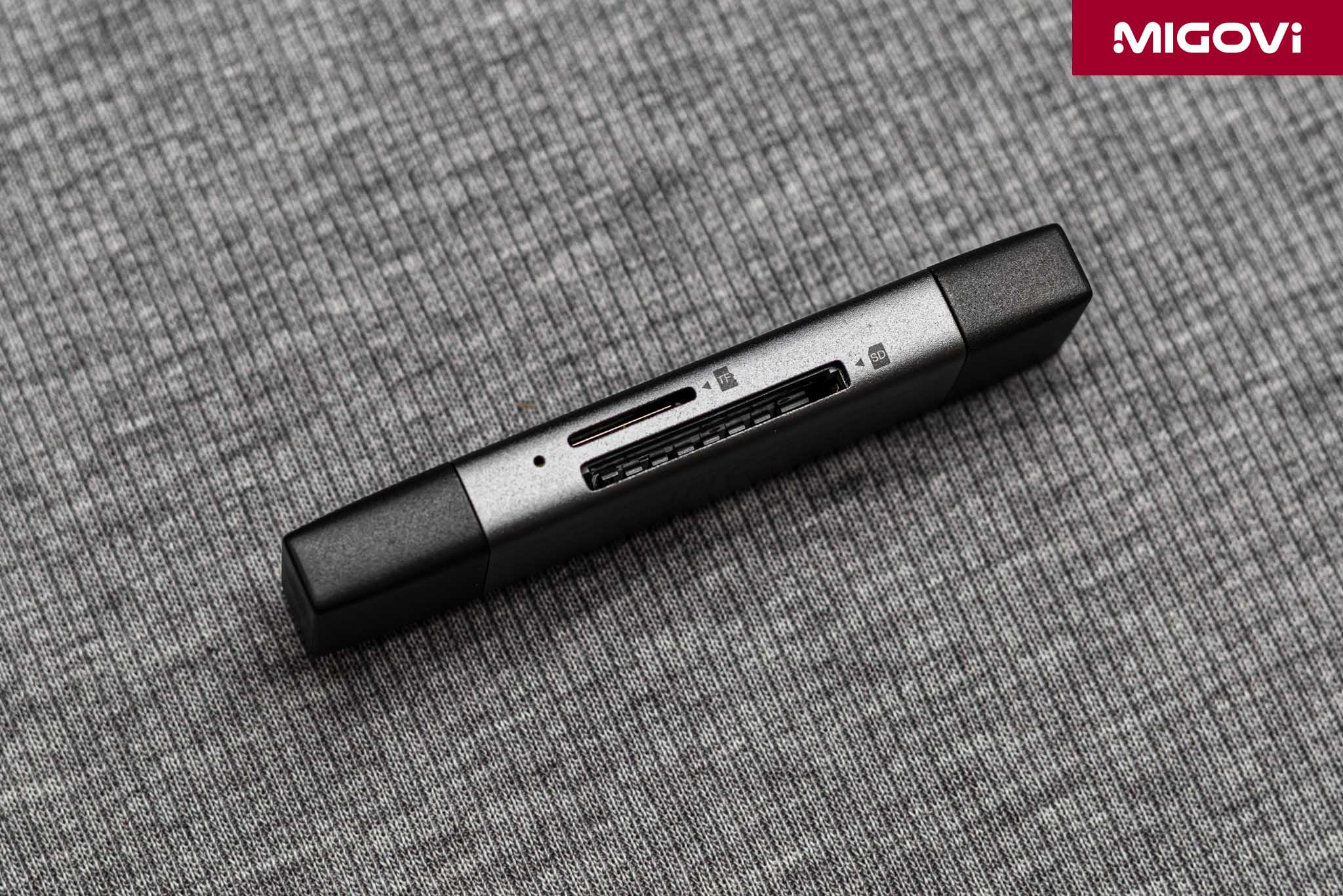
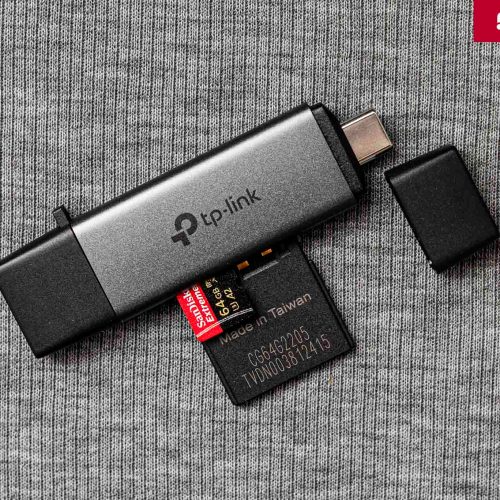
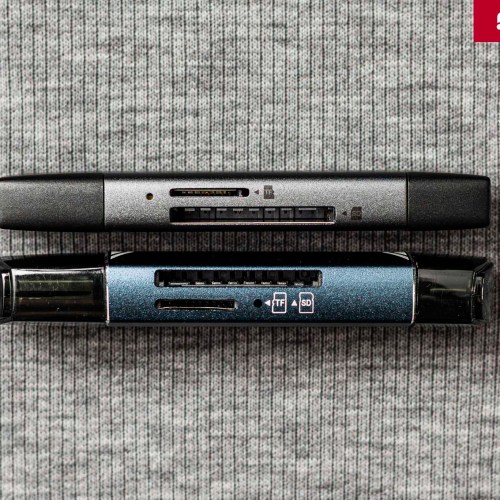
On the body of the UA430D are 2 physical card slots, including 1 slot for SD card and 1 slot for microSD card, compatible with popular types such as SD, SDHC, SDXC, microSD, microSDHC and microSDXC. The maximum capacity of the memory card supported is 2 TB, while the communication standard is UHS-I. But the standard UHS-I (SDR104 mode) only has a maximum speed of 104 MBps, so how can the TP-Link UA430D support 200 MBps memory cards?
According to the technical documentation, the TP-Link UA430D achieves 200 MBps through advanced technology, surpassing the 104 MBps UHS-I standard and that requires compatible devices capable of achieving such speeds. This information shows that the UA430D contains a controller that supports UHS-I overclocking or proprietary modes (DDR200/DDR208), similar to the proprietary technology used by SanDisk (Extreme PRO series cards), to overcome the limits of the standard. So, you will achieve speeds of approximately 200 MBps when using the TP-Link UA430D with a memory card that also supports 200 MBps. Conversely, if the memory card is just a regular UHS-I type, the speed will be limited to 104 MBps.
Read/write 2 cards simultaneously

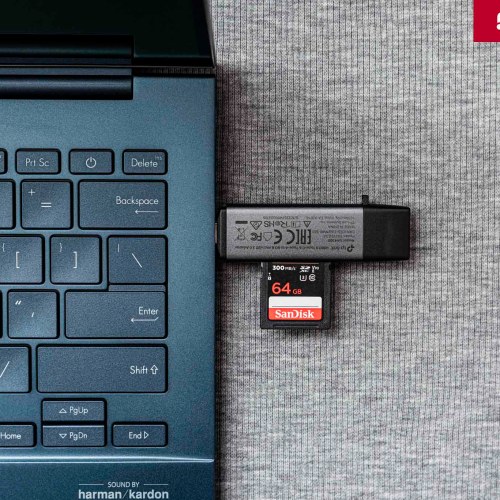
The UA430D is capable of transferring data from SD and microSD cards simultaneously, or from one card to the other. Technically, this means that the UA430D controller presents two separate logical unit numbers (LUNs) to the operating system. This is also an advantage of the UA430D compared to cheap card readers, which usually only allow one card to be active at a time.
The ability to read/write simultaneously on 2 cards is a factor that brings high value to the UA430D when used for on-site backup. For example, when you are filming with a drone with a microSD card, or taking photos with a camera with an SD card. Instead of having to wait until you get home to backup or transfer data, you can use the TP-Link UA430D to read 2 cards at the same time and backup via mobile devices (smartphone, tablet if you don't have a laptop) easily, or backup via a spare memory card. This will significantly increase data security before post-production in the studio.
Plug-and-Play and OTG
TP-Link UA430D has very good compatibility, supporting Plug-and-Play mode without driver installation. You can use UA430D with devices running operating systems from macOS, iPadOS, iOS, Android, Linux or ChromeOS and Windows.

In addition, the UA430D also supports USB OTG (On-The-Go), especially with operating systems like iOS and iPadOS. This turns the UA430D from a PC peripheral into a mobile data hub. You can shoot 4K video with a mirrorless camera, then transfer the data to your iPad for post-production with Final Cut Pro. Or in another case, you shoot RAW photos with DSLRs like the Nikon D810 (without wireless connection), then transfer the RAW photos to a tablet or smartphone for editing with Lightroom Mobile. This type of workflow will not require a laptop as much and also does not depend on slower Wi-Fi applications, which often do not support RAW file transfer.
TP-Link UA430D and Shopee card reader

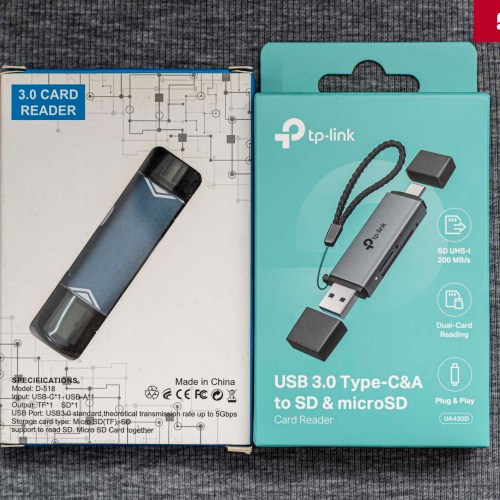
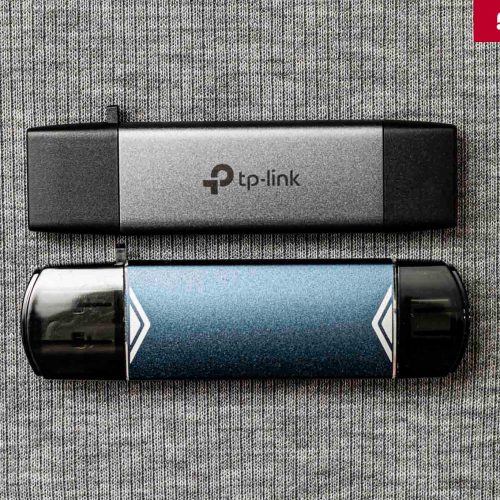
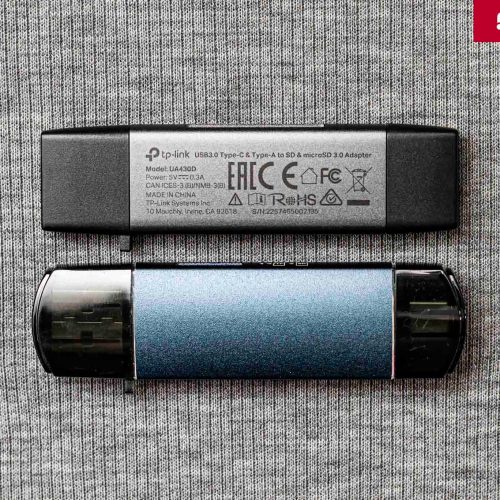
Previously, Migovi bought a memory card reader with the same design and function as TP-Link UA430D on the Shopee e-commerce platform. The price at that time was about 120,000 VND. The product also has USB-A and USB-C ports, supports 2 SD and microSD cards at the same time and is also the USB 3.0 5 Gbps protocol. TP-Link UA430D is priced at 199,000 VND on the company's website and on Shopee, there are places selling it for only 150,000 VND. So why should you choose UA430D over a similar but cheaper device, a Chinese OEM product?
TP-Link brand value

TP-Link is a global networking equipment manufacturer, founded in 1996, headquartered in China and is the world's leading WLAN equipment supplier. It is an established brand, not an OEM (Original Equipment Manufacturer) or white-label product sold on e-commerce platforms.
The guarantee from the TP-Link brand gives users the basis to trust that the components and specifications are up to standard, instead of it being a bait-and-switch. The most important point is that the UA430D enjoys TP-Link's genuine warranty policy in Vietnam for a period of 24 months. In addition, the price of the UA430D is higher but not significantly, if considered in terms of warranty, it is really cheap.

As for the unbranded product that Migovi bought, the store that sold the device was banned by Shopee. This means that all warranty claims are void. Even if there is a warranty in theory, it is still very difficult and troublesome to deal with a foreign seller. OEM or no-name products often have poor finishing, unstable speed or worse, electrical safety. In some cases, accessories of unknown origin cause short circuits leading to complete damage to the memory card or USB port of the computer or phone.
Actual comparison
Migovi ran tests to see if the TP-Link UA430D performs as advertised. The test was performed with two memory cards from SanDisk, including the SanDisk Extreme PRO SDXC UHS-II 64 GB and the SanDisk Extreme PRO microSDXC UHS-I 64 GB. According to SanDisk, the respective read and write speeds of the Extreme PRO SDXC UHS-II are 300 MBps and 260 MBps, while the Extreme PRO microSDXC UHS-I is 200 MBps and 90 MBps. Both cards were installed simultaneously on the TP-Link UA430D and connected to a desktop computer, USB 3.2 Gen2 Type-C port (10 Gbps).
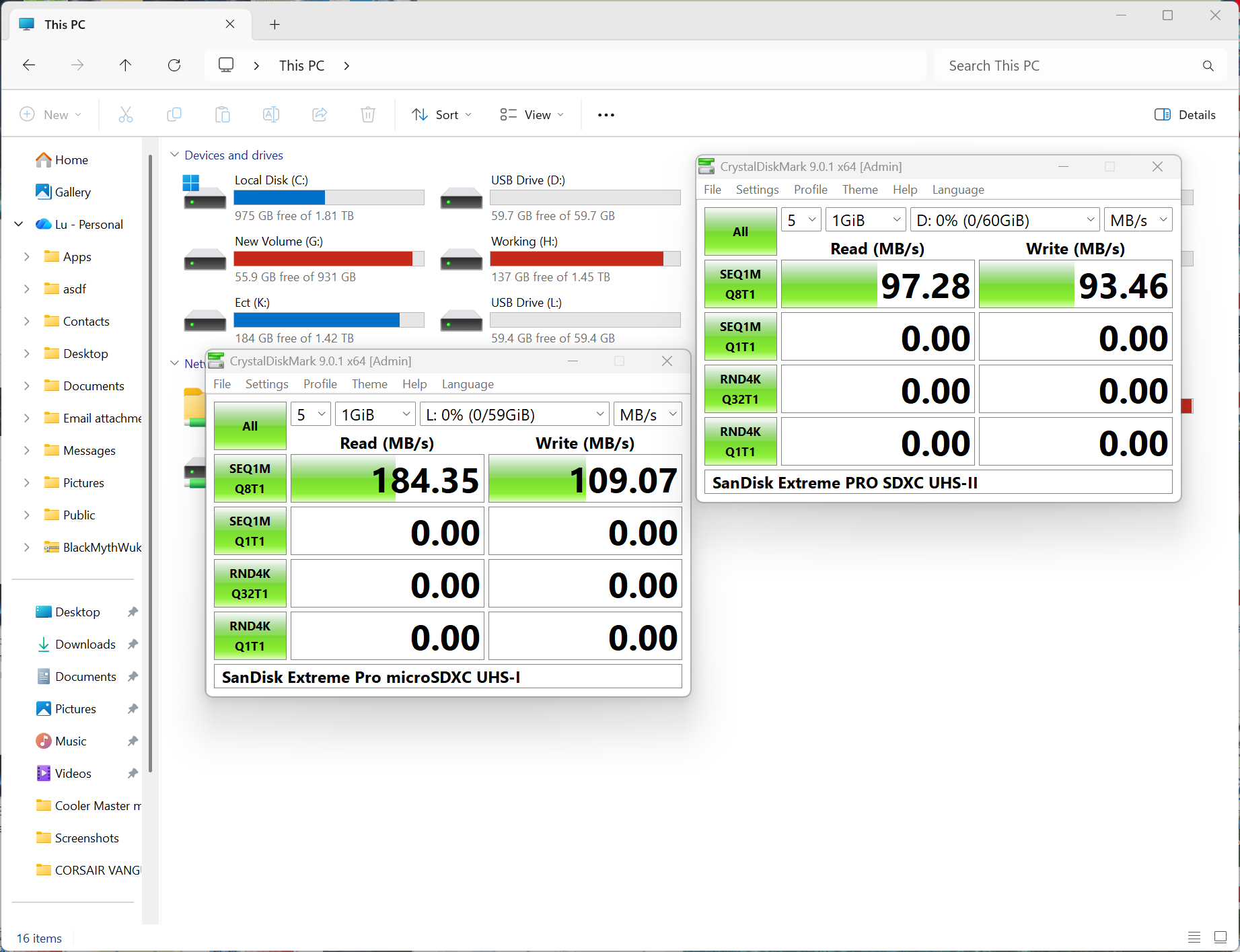
First of all, TP-Link UA430D completely recognizes 2 memory cards at the same time. Migovi tested with CrystalDiskMark 9 software, the speed of Extreme PRO SDXC UHS-II card is 97.28 MBps read, 93.46 MBps write. In the second slot, Extreme PRO microSDXC UHS-I card has a read speed of 184.35 MBps and a write speed of 109.07 MBps. What's wrong with a 300 MBps memory card?
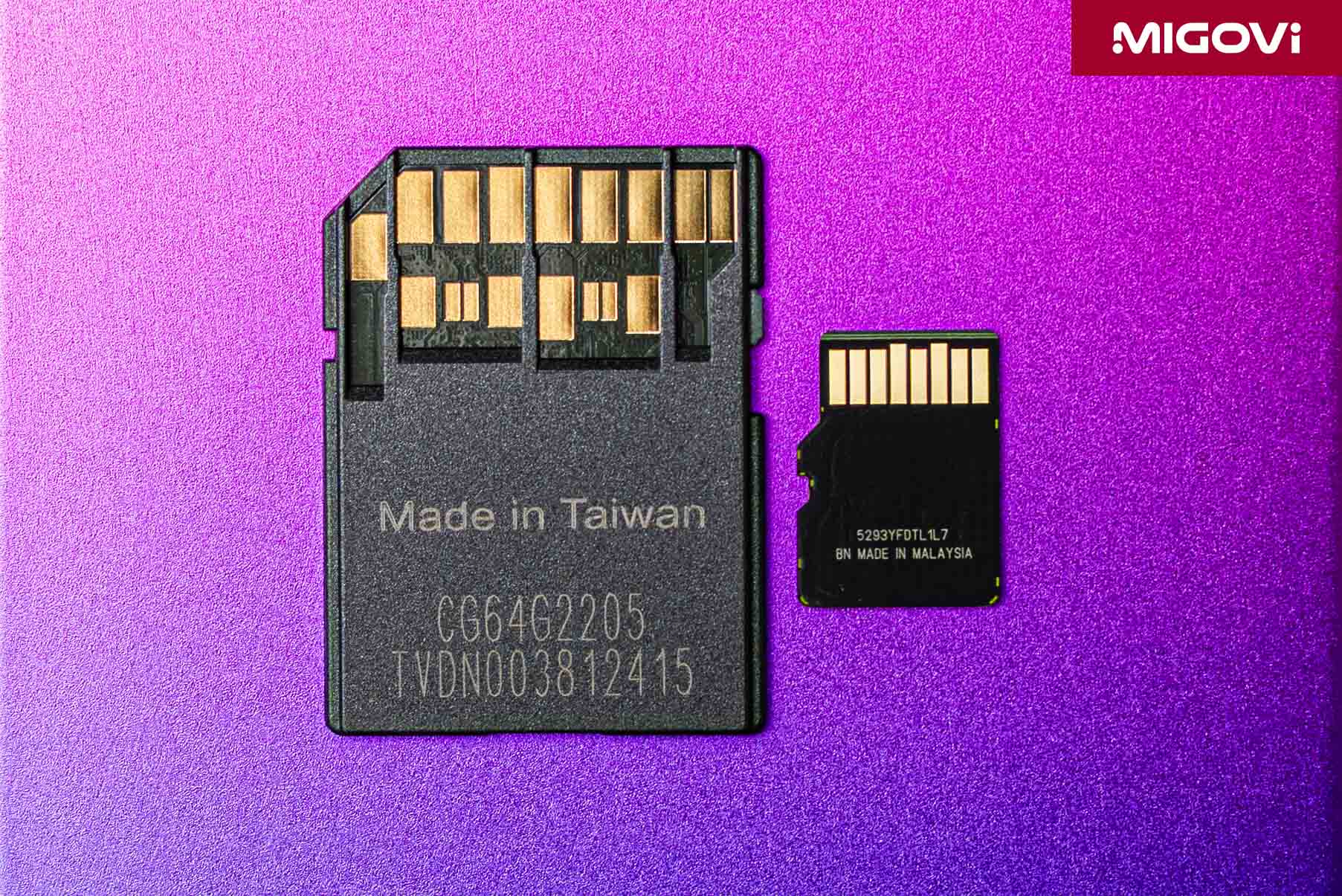
Let's take a look at the TP-Link UA430D's specs. It supports UHS-I SD cards with speeds up to 200 MBps. The key is UHS-I and the UA430D probably uses DDR200/DDR208 expansion technology to reach 200 MBps. UHS-II cards, when plugged into a UHS-I reader, automatically switch to the standard backward compatibility mode, which is SDR104 (104 MBps), not the 200 MBps expansion mode. UHS-II cards have two rows of contacts, while UHS-I readers only have one. The UA430D physically cannot see or communicate with the second row of pins on the card, so the memory card is forced to turn off UHS-II mode and switch to standard UHS-I.
As for the SanDisk Extreme PRO microSDXC UHS-I card, the speeds are close to the manufacturer's claims. This shows that TP-Link's advertising for the UA430D is reasonable. You'll enjoy high transfer speeds with UHS-I SD and microSD cards.

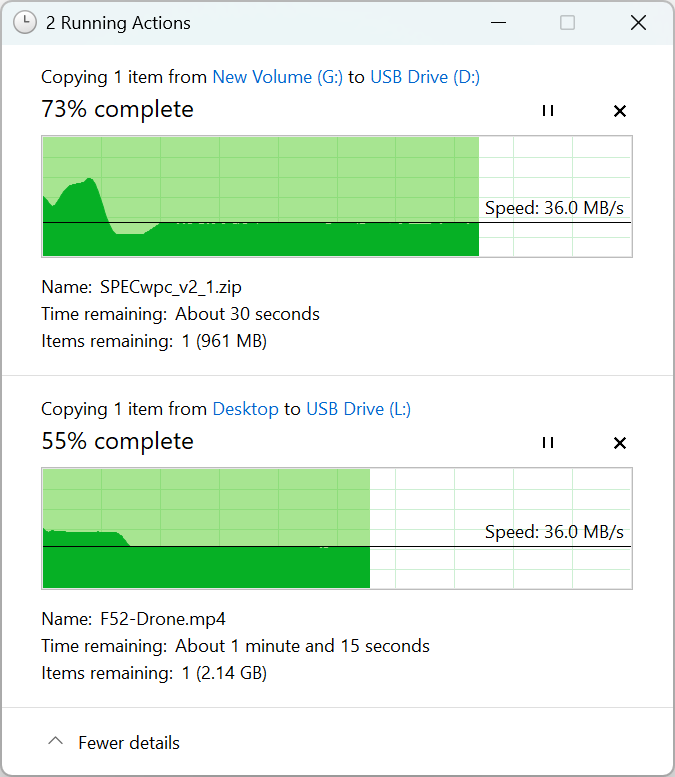
In real-world data transfer testing, the TP-Link UA430D card reader performs similarly to the CrystalDiskMark 9 results. The average write speed to the Extreme PRO microSDXC UHS-I card is around 105 MBps and the Extreme PRO SDXC UHS-II card is similar. If you write files from your computer to both cards at the same time, the write speed on each card drops to around 36 MBps.

The average copy speed from microSDXC to SDXC card is about 106 MBps. In theory, if you use UA430D with 2 high-speed UHS-I memory cards, you will take full advantage of the memory card performance.
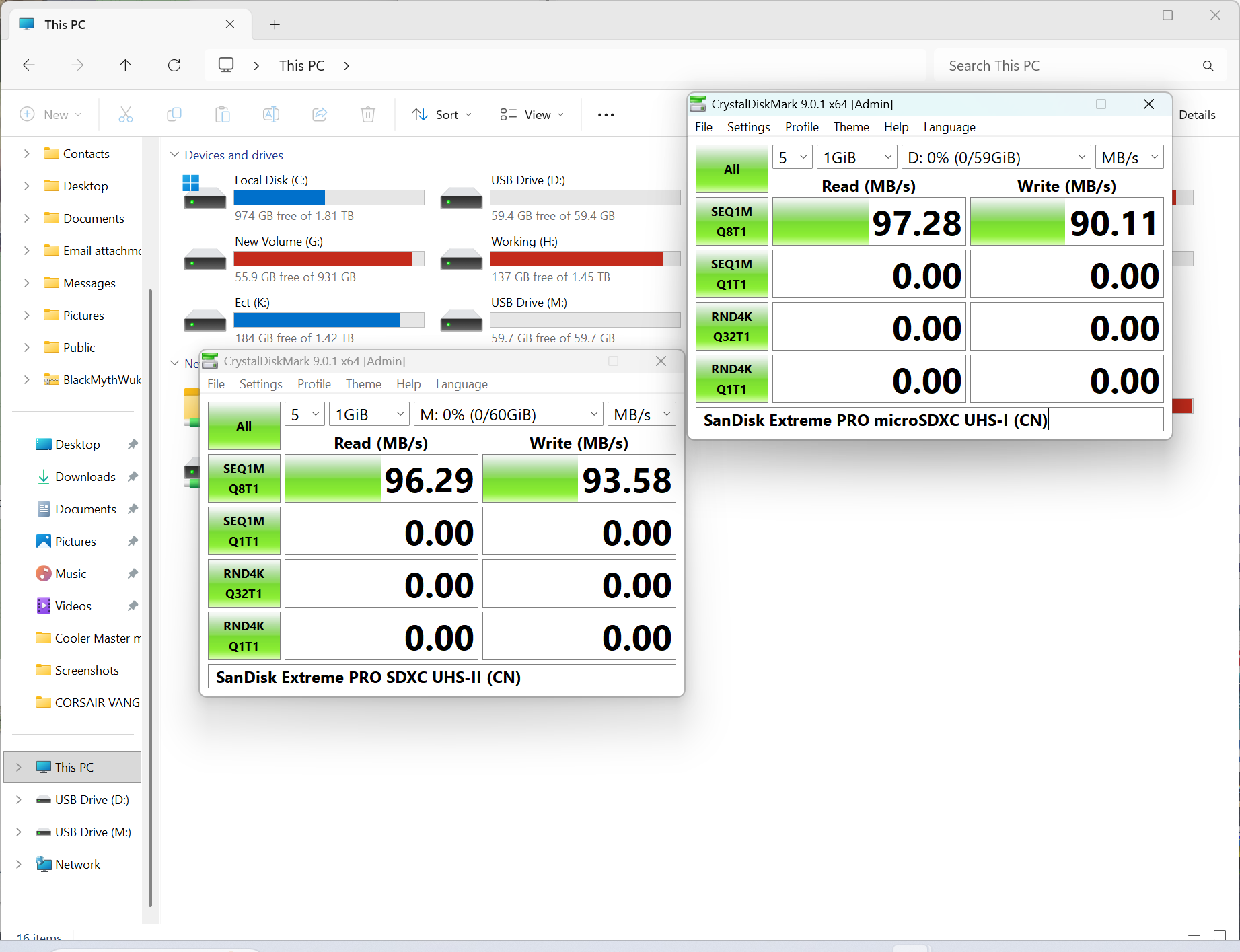
For the no-name memory card reader model that Migovi mentioned above, although it can still support reading and writing 2 memory cards at the same time, the speed is limited to SDR104 mode of UHS-I standard. This white-label card reader cannot take advantage of the 200 MBps speed of Extreme PRO microSDXC UHS-I card. Besides the factors of design perfection and warranty, actual performance is also an issue for no-name products.
Conclude

TP-Link UA430D provides a comprehensive solution that combines the best of both worlds: it has the price of a cheap product, but has good build quality and advanced technology with a speed of 200 MBps. UA430D is also guaranteed in quality and after-sales service from a global brand, with a clear warranty policy in Vietnam. If you need a convenient, compact, high-performance and reliable card reader, TP-Link UA430D is a worthy choice. With a price of about 200,000 VND, a 2-year warranty, there is no reason to buy no-name products on Shopee anymore.