
Synopsys - Ansys deal and the future of technology design (1)
Synopsys' $35 billion acquisition of Ansys is the largest transaction ever in the history of the engineering software industry.
On July 17, 2025, the global technology industry witnessed the completion of the iconic mergers and acquisitions (M&A) between Synopsys and Ansys. Accordingly, with a total enterprise value of up to 35 billion USD, the Electronic Design Automation (EDA) giant Synopsys officially acquired the leading expert in engineering simulation software Ansys. Not only is this the largest transaction in the history of the engineering software industry, but it also reshapes the entire landscape of the semiconductor and system design industry. Synopsys - Ansys will be a force capable of providing a comprehensive solution platform from the silicon level to the entire physical system (system).
Article content
Historic Synopsys - Ansys deal
Synopsys' acquisition of Ansys was not a spontaneous decision, but rather a strategic and carefully calculated process.
Parties involved
There are three parties involved in the $35 billion Synopsys-Ansys deal. First is the buyer, Sunnyvale, California-based Synopsys, Inc. , an indispensable pillar of the global semiconductor industry. Synopsys is a global leader in Electronic Design Automation (EDA), providing a suite of software and hardware tools used to design and verify the most complex integrated circuits (ICs). In addition, Synopsys owns the industry’s largest portfolio of silicon-proven semiconductor intellectual property (IP), helping chip designers dramatically accelerate their product development. Most of the world’s most advanced chips are designed with the help of Synopsys tools.
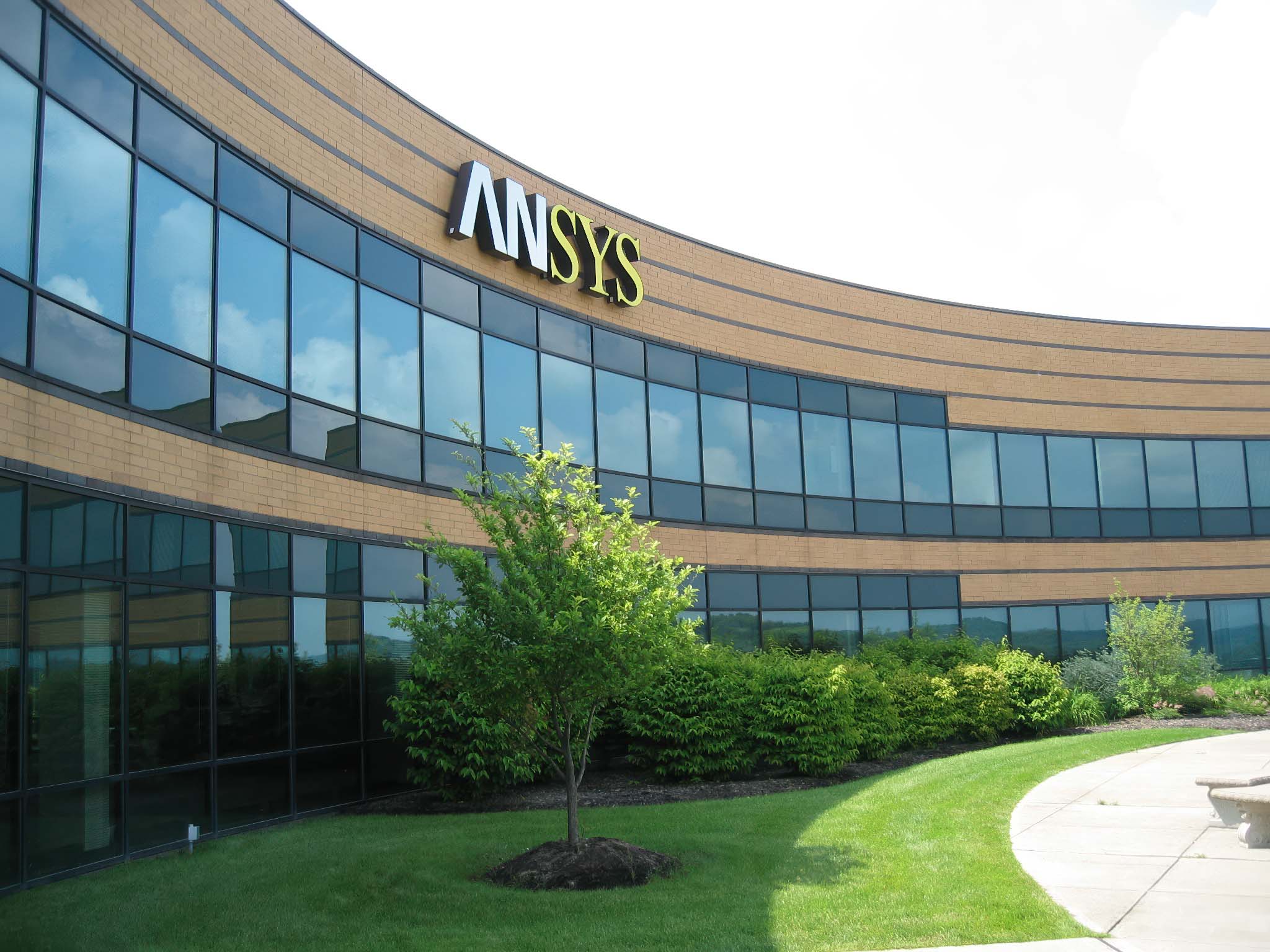
Next up is the acquisition - Ansys, Inc. , headquartered in Canonsburg, Pennsylvania, is a pioneer and global market leader in multiphysics engineering simulation software. With over 50 years of experience, Ansys solutions enable engineers and designers to create “digital twins” of products and simulate their performance under real-world operating conditions. Ansys’ toolset covers a wide range of physics, including mechanics, fluid dynamics, thermal, electromagnetics, optics and is widely used in industries that require the highest precision and safety, such as automotive, aerospace, defense, energy and healthcare.

Finally, the third party involved was Keysight Technologies, Inc., a leader in electronic design, test and measurement solutions, which was instrumental in getting the deal approved. To address antitrust concerns from regulators, Synopsys and Ansys were forced to divest several overlapping businesses. Keysight became the acquirer of these assets, which not only helped get the deal approved but also solidified its position in key niche markets.
Key milestones
January 16, 2024 : Official announcement. After much speculation, Synopsys and Ansys officially announced a definitive merger agreement. The announcement comes after seven years of building a strategic partnership between the two companies. Accordingly, Ansys technologies have been deeply integrated into Synopsys' workflow, especially in advanced chip design solutions. This move was called the next logical step by both CEOs, showing a shared vision that had long been formed.
January 2024 - July 2025 : Regulatory journey. Immediately after the announcement, the deal faced a challenging 18-month regulatory review by antitrust regulators across the globe. Given its scale and far-reaching impact on the technology supply chain, the deal has come under intense scrutiny in key markets including the US (Federal Trade Commission - FTC), the UK (Competition and Markets Authority - CMA), the European Union (European Commission - EC) and, in particular, China (State Administration for Market Supervision - SAMR). This process has raised serious concerns about the concentration of market power as well as the potential impact on competition and innovation.

January 2025 - May 2025 : Overcoming barriers in the West. To address competitive concerns, particularly in overlapping market segments, Synopsys and Ansys have taken proactive steps, including divesting certain key assets. Regulators in the EU, UK and US have approved the deal after these commitments were made, paving the way for the final phase.
July 14, 2025 : China gives the green light. The final and most challenging regulatory hurdle is cleared when China’s SAMR issues a conditional approval. The approval from SAMR, although accompanied by strict behavioral constraints, ends months of uncertainty caused by geopolitical and trade tensions between the US and China.
July 17, 2025 : Transaction Completed. With all necessary approvals secured, Synopsys and Ansys have completed the transaction, formally merging into a single entity, poised to reshape the future of engineering design.
Agreement details, financial structure
The $35 billion deal is structured as a combination of cash and stock, a common approach in large M&A transactions. This balances providing immediate cash value and the opportunity for shareholders of the acquired company to benefit from future growth potential. The total enterprise value of the deal was estimated at approximately $35 billion at the time of the announcement, based on the closing price of Synopsys stock on December 21, 2023.
Under the terms of the agreement, each Ansys share will be converted into $197.00 in cash and 0.3450 shares of Synopsys common stock. At the time of the announcement, this price was equivalent to approximately $390.19 per Ansys share, representing a significant premium of approximately 29% to the closing price of Ansys stock on December 21, 2023 and 35% to the volume-weighted average price over the prior 60 days.
To finance the approximately $19 billion cash consideration, Synopsys plans to use its available cash resources, combined with a significant debt financing. Synopsys has secured commitments for up to $16 billion in debt financing from financial institutions. Upon completion of the transaction, Ansys shareholders are expected to own approximately 16.5% of the combined company. This reflects the significant scale and value that Ansys brings, positioning this as a merger between two major players rather than a simple acquisition.
All of the above careful preparation helps to significantly reduce integration risks and cultural conflicts, which are the causes of failure of many other large-scale M&A deals.
The “Silicon-to-Systems” Vision and the AI Era
The $35 billion acquisition of Synopsys and Ansys is more than just a financial transaction. It is driven by a strategic vision to solve the most complex technical challenges of the modern technology era. At the core of this vision is the concept of “Silicon-to-Systems” - a change shaped by technology trends such as artificial intelligence (AI), multi-chiplet systems and the electrification of traditional industries.
Silicon-to-Systems
More than just a marketing slogan, “Silicon-to-Systems” represents a fundamental recognition that in the world of smart products, chip performance cannot be evaluated in isolation. Instead, chips must be analyzed and optimized in the context of the entire system in which they operate. This strategy aims to break down the traditional barriers between the world of microchip design (Synopsys’ domain) and the world of physical simulation (Ansys’ domain), creating a seamless and comprehensive workflow.

In the past, the design process was often sequential. Initially, electrical engineers (EE) designed the chip, then handed it off to mechanical and electrical engineers (ME) to integrate it into a larger system, analyzing factors such as temperature or mechanical strength. If problems arose, the design was returned, creating costly iterations and increasing time to market.
Today, this approach is no longer sufficient. A chip’s performance is affected by how it is packaged, how it interacts thermally and electrically with other chips in a multi-die system and how it operates under harsh real-world conditions (high temperatures in a car’s engine bay, electromagnetic interference in a mobile device environment, or vibrations on an airplane wing). A decision at the logical design level can cause a disaster at the physical level and vice versa. Therefore, having a platform that allows for co-optimization of these elements from the earliest stages of the design process is an urgent requirement.
The combination of Synopsys and Ansys creates exactly that foundation. It allows engineers to simulate and analyze the complex interactions between different physical domains—mechanical, thermal, electrical, optical, fluid—right during the design of circuits and systems, leading to smarter trade-offs and reduced risk of failure.
Addressing challenges from new technology trends
Disruptive technology trends create new challenges that can be addressed with a Silicon-to-Systems vision. First, AI processors and high-performance data centers are extremely complex systems. They require massive amounts of computing power and consume large amounts of power, creating serious thermal management and power integrity challenges. Optimizing the logic of an AI chip is not enough; designers must accurately simulate how heat is generated and dissipated throughout the entire system, from chip to server rack. Combining Ansys’ multiphysics simulation capabilities with Synopsys’ AI-powered design platform (Synopsys.ai) enables smarter design processes that can automatically optimize multiple factors such as Power, Performance, Area and Testability (PPA/T) simultaneously.

As Moore’s Law slows, the industry has turned to chiplet architectures - the integration of many smaller chip dies onto a single package - as the primary solution to further increase performance. However, stacking chips in a compact 3D space creates thermal “hotspots” and complex issues with signal and power interactions between the dies. The combination of Synopsys’ leading 3D-IC design tool (3DIC Compiler) and Ansys’ “gold standard” electrothermal analysis tool (RedHawk-SC Electrothermal) provides a straightforward and powerful solution to this problem, enabling analysis and optimization very early in the design cycle.
Ansys has a strong presence in industries such as automotive, aerospace and manufacturing, where physics simulation is critical. At the same time, companies in these industries are increasingly designing custom silicon to optimize their products. For example, automakers are developing complex SoCs for autonomous and electric vehicles. This acquisition allows Synopsys to “leapfrog” and expand beyond the traditional semiconductor space, directly into a new and potentially lucrative class of system-on-a-chip customers. They can provide an integrated solution that allows a car company to design a chip and simultaneously simulate how that chip will work inside an entire car.
Expand total addressable market
From a financial and strategic perspective, one of the most important drivers of the deal is the significant expansion of the target market. Synopsys estimates that the merger will increase its Total Addressable Market (TAM) by 1.5 times, from approximately $18 billion to approximately $28 billion. Furthermore, the combined market is forecast to grow at a compound annual growth rate (CAGR) of approximately 11%. This figure not only represents a large revenue growth opportunity, but also demonstrates Synopsys’ confidence in the potential of combining EDA and simulation to solve problems in many industries beyond its core semiconductor business.
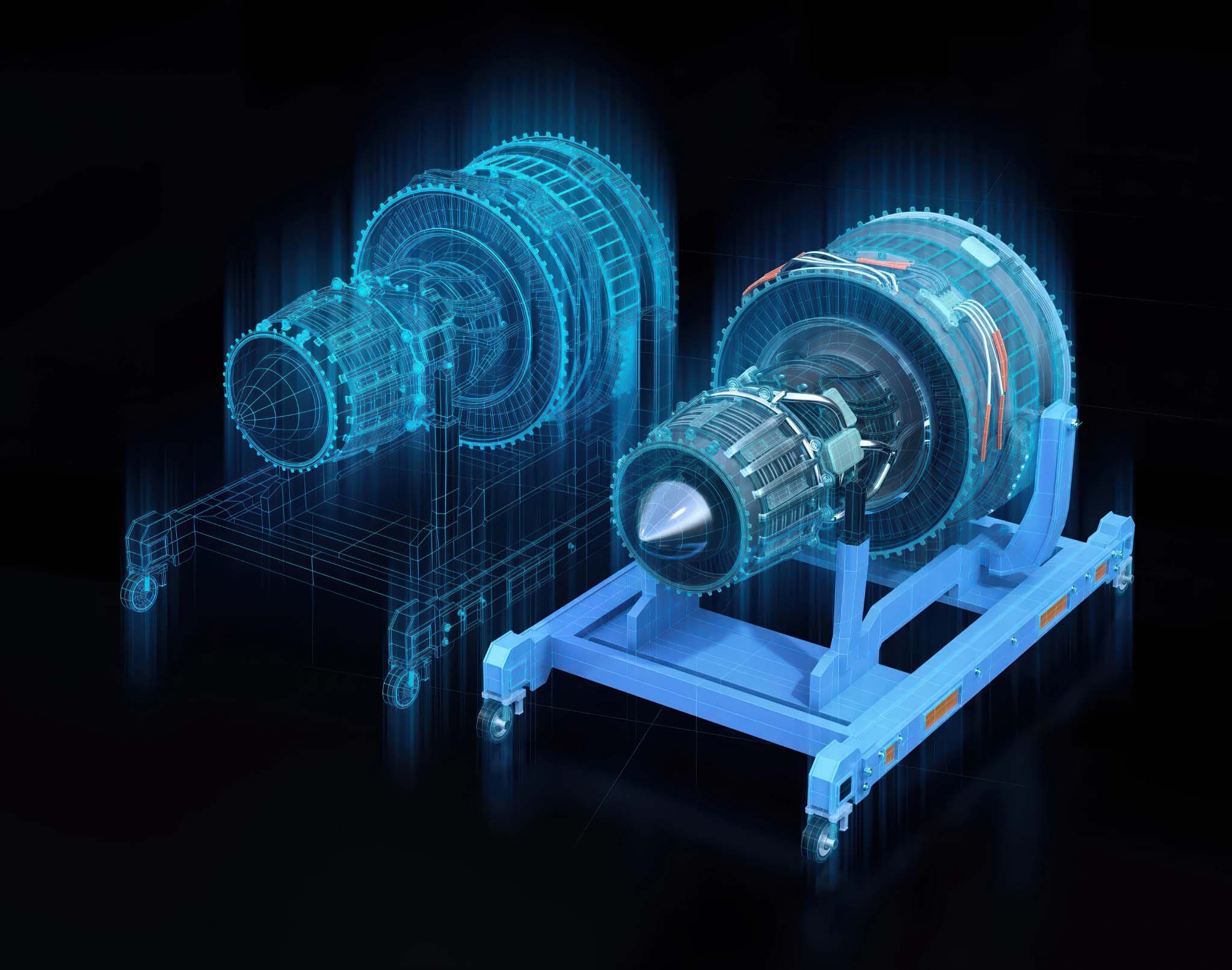
The Synopsys-Ansys deal is a bet on the future of digital twins for complex systems, allowing Synopsys to compete directly with industrial software giants like Siemens. Ansys specializes in creating digital twins of physical products, while Synopsys specializes in creating digital twins of electronic circuits. Combining these two capabilities allows for a comprehensive digital twin that can simulate the entirety of a complex product. This means simulating everything from how each transistor on a chip behaves, to how the chip interacts thermally with the printed circuit board and then how the entire electronic system functions inside a car on the road. This is a strategic move to position Synopsys as a leader in the next-generation product design market, where software, electronics and mechanics are co-designed and verified in a single virtual environment. It allows Synopsys to compete head-on with a vision that Siemens has long pursued, through the acquisition of Mentor Graphics and integration into its massive PLM portfolio.
Unified EDA and Simulation Product Portfolio
The real power of the Synopsys-Ansys deal lies in the combination and integration of two already powerful but perfectly complementary product portfolios. Synopsys is a master of the abstract world of IC logic design, while Ansys is an expert in the physical laws of the real world. The union of these two worlds promises to create a breakthrough workflow that can solve the most complex design challenges.
When the Synopsys-Ansys product portfolios are placed side by side, the strategic complementarity becomes clear. If Synopsys answers the question “How do I design a chip?”, Ansys answers the question “How will the chip and its system perform in the real world?” This combination creates a valuable feedback loop. Instead of two separate processes, they can now be one co-designed process. This allows Ansys’s deep physics analysis to directly influence design decisions in the Synopsys environment earlier, breaking down the barriers between the two domains.
Synopsys Product Catalog
Synopsys offers a comprehensive Electronic Design Automation toolchain that covers every phase of the IC design process. These products can be grouped into the following key areas:
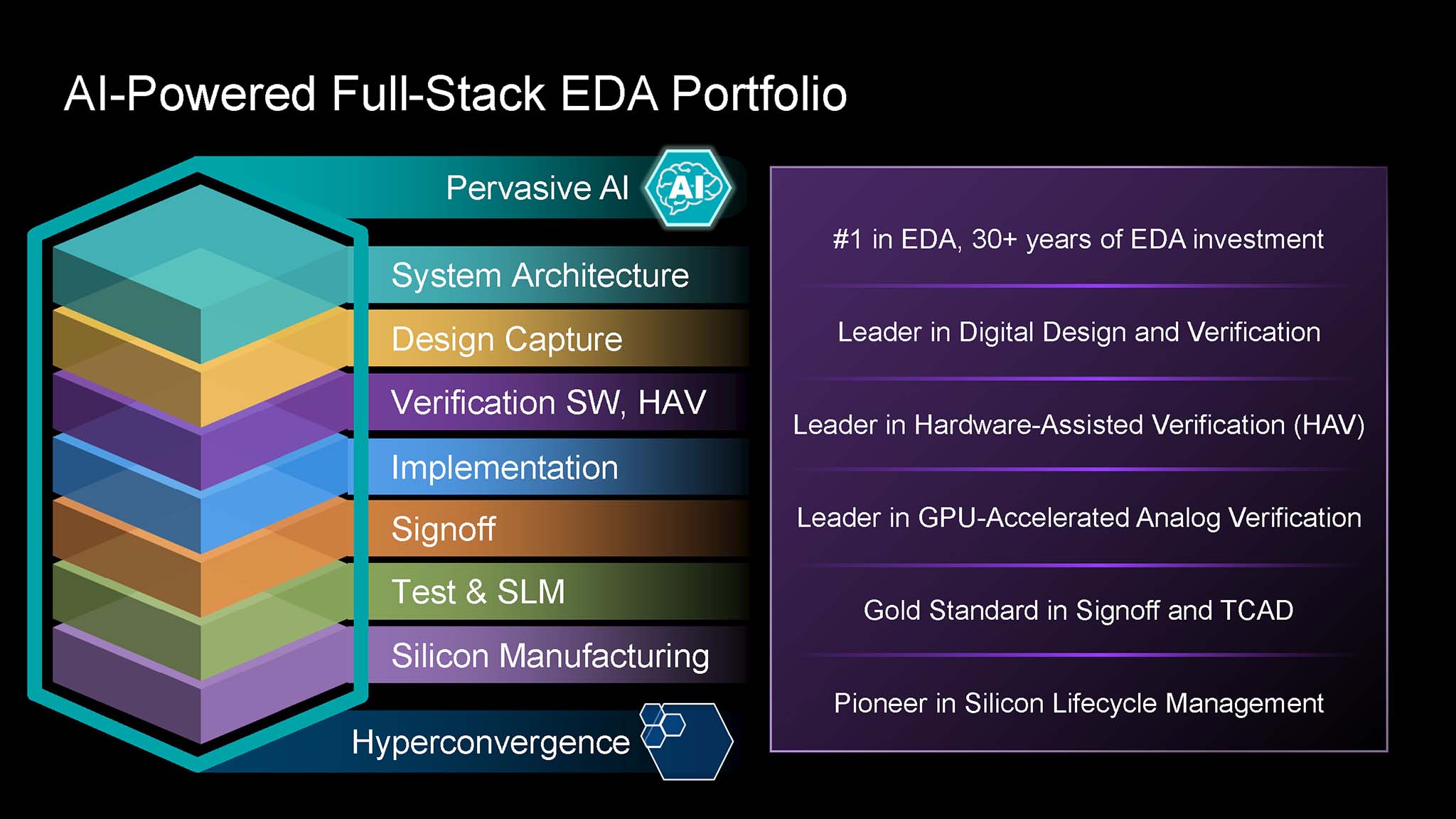
- Silicon Design and Implementation : The Fusion Design Platform, with its core tools Fusion Compiler and IC Compiler II, is at the heart of physical implementation, transforming logic designs into manufacturable physical layouts. Design Compiler is the industry-leading synthesis tool that converts RTL code into logic gates. The Custom Design Platform caters to the design of analog and custom circuits.
- Verification : The Verification Continuum platform includes simulation tools like VCS, debugging tools like Verdi and static testing tools like VC SpyGlass, which help ensure designs work as intended before going into production.
- Signoff : Tools like PrimeTime (static timing analysis) and IC Validator (physical validation) are the industry “gold” standards for ensuring a design meets all timing and manufacturing rules requirements.
- Semiconductor Intellectual Property (IP) : Synopsys owns the world's largest IP portfolio, including proven function blocks such as interface IP (USB, PCIe, DDR), platform IP (logic libraries, embedded memory) and processor IP (ARC family).
- AI in EDA : The Synopsys.ai platform, with tools like DSO.ai (Design Space Optimization) and VSO.ai (Verification Space Optimization), uses artificial intelligence to automate design space exploration and optimize the validation process, helping to achieve better PPA results in less time.
Ansys Product Catalog
Ansys is the world's leading provider of multiphysics simulation software that helps predict how products will perform in the real world. Ansys products are widely used in many industries and can be classified as follows:
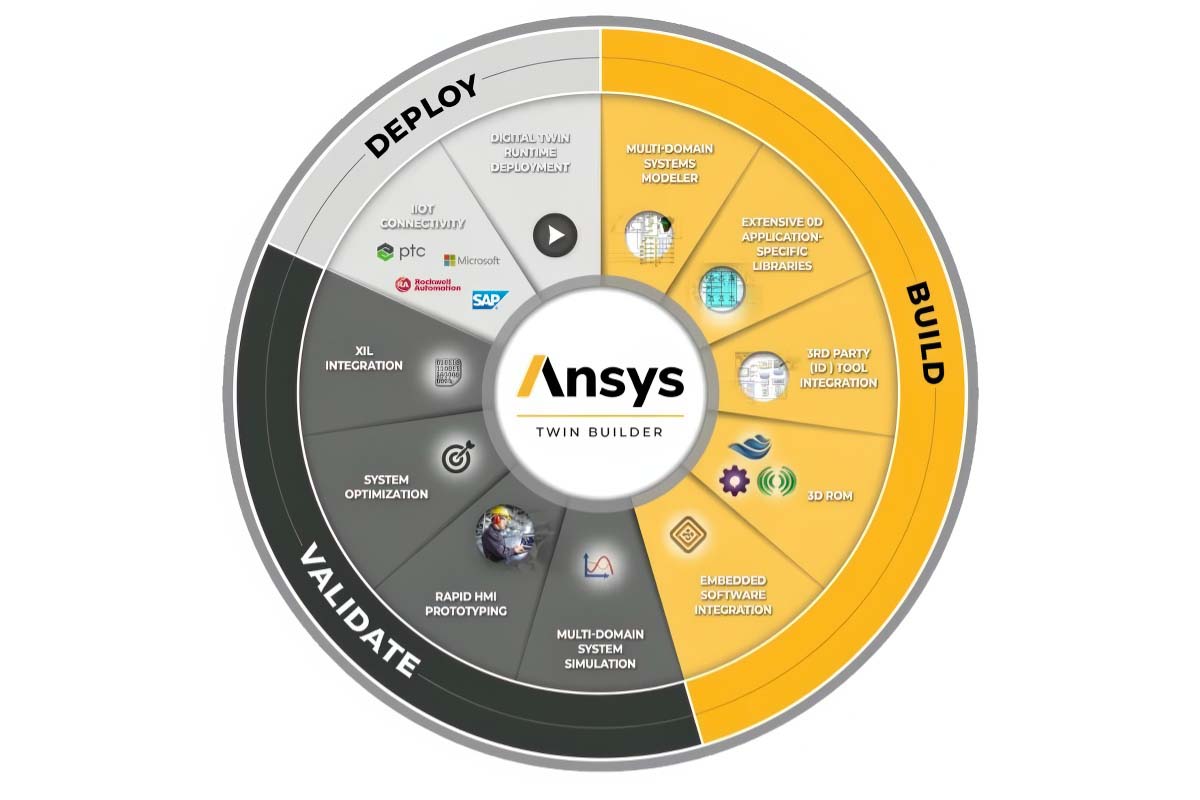
- Multiphysics simulation : Core products include Ansys Mechanical (structural analysis), Ansys Fluent and Ansys CFX (computational fluid dynamics - CFD), which enable simulation of complex physical phenomena.
- Electronics & Semiconductors : This is the area where Synopsys has the most direct overlap. Tools such as Ansys HFSS (high-frequency electromagnetic simulation), Ansys RedHawk-SC and Ansys Totem (power integrity and electrical-thermal reliability analysis) are considered the “golden signoff” in the semiconductor industry. Ansys PowerArtist is the leading tool for power analysis at the Register-Transfer Level (RTL).
- Optics & Photonics : With the acquisition of leading companies such as Zemax and Lumerical, Ansys owns a powerful toolkit for integrated optical and photonic system design and simulation.
- Systems & Safety : Tools like Ansys SCADE and medini analyze support embedded software development and functional safety analysis, which is especially important in industries like automotive and aerospace.
Product integration roadmap and unified workflow
The integration will not start from scratch, but rather build on and deepen the collaboration that has been in place since 2017, while also opening up entirely new possibilities. The immediate focus is on increasing integration between connected products. The most prominent example is the combination of Ansys RedHawk-SC (electrical-thermal analysis) and Synopsys platforms such as Fusion Compiler (physics implementation) and 3DIC Compiler (3D-IC design). Deeper integration will enable engineers to perform smarter PPA (Power, Performance, Area) optimizations that take into account physical factors such as thermal effects (thermal-aware) and voltage drop (IR-aware) early in the design process, rather than waiting until the end.
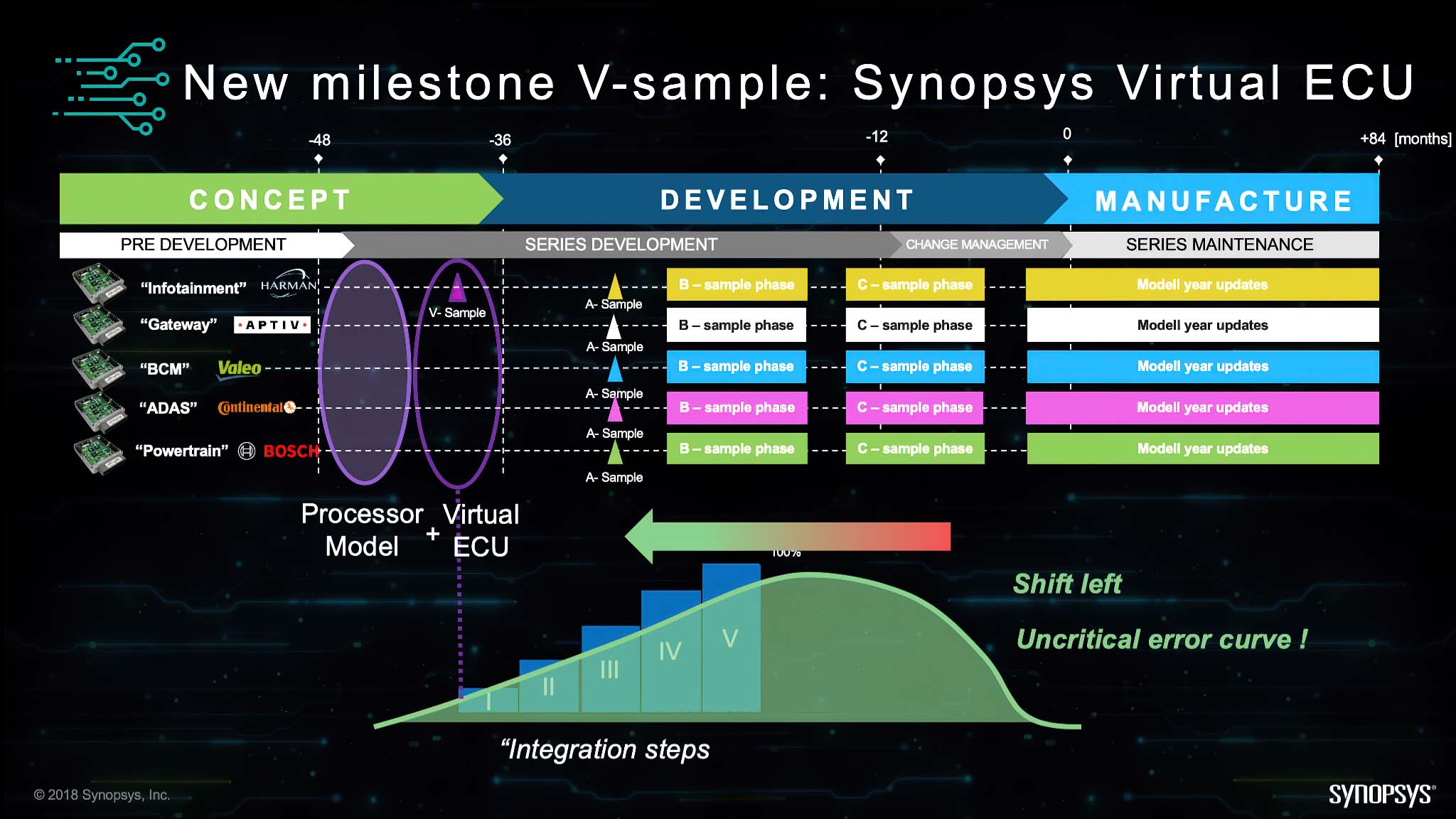
“Shift-left” is a key concept in software and hardware development, meaning moving testing and validation activities earlier in the development cycle to detect errors early, when the cost of fixing them is low. The Synopsys-Ansys integration takes this to a new level. For example, instead of waiting until final signoff to run RedHawk to detect critical IR drop or electromigration issues, engineers can now run these analyses in-design inside Fusion Compiler. They can immediately see the impact of moving a logic block or changing the power distribution, allowing immediate fixes. This dramatically reduces design iterations, saving weeks, even months and reducing overall development costs. Or, as another example, when a validation engineer uses PrimeTime for Static Timing Analysis (STA), they can run an “IR-aware STA” analysis. This analysis uses accurate voltage drop data from RedHawk to calculate more realistic logic gate delays. This eliminates the need to add large safety margins, avoiding over-design and achieving better performance.
The ultimate goal is to create a single platform where data is shared seamlessly between design and simulation tools. An automotive design engineer can use a single environment to design an SoC, simulate its thermal performance when placed in an electronic control unit (ECU) and then simulate the performance of the entire vehicle. This is the “Silicon-to-Systems” vision realized.
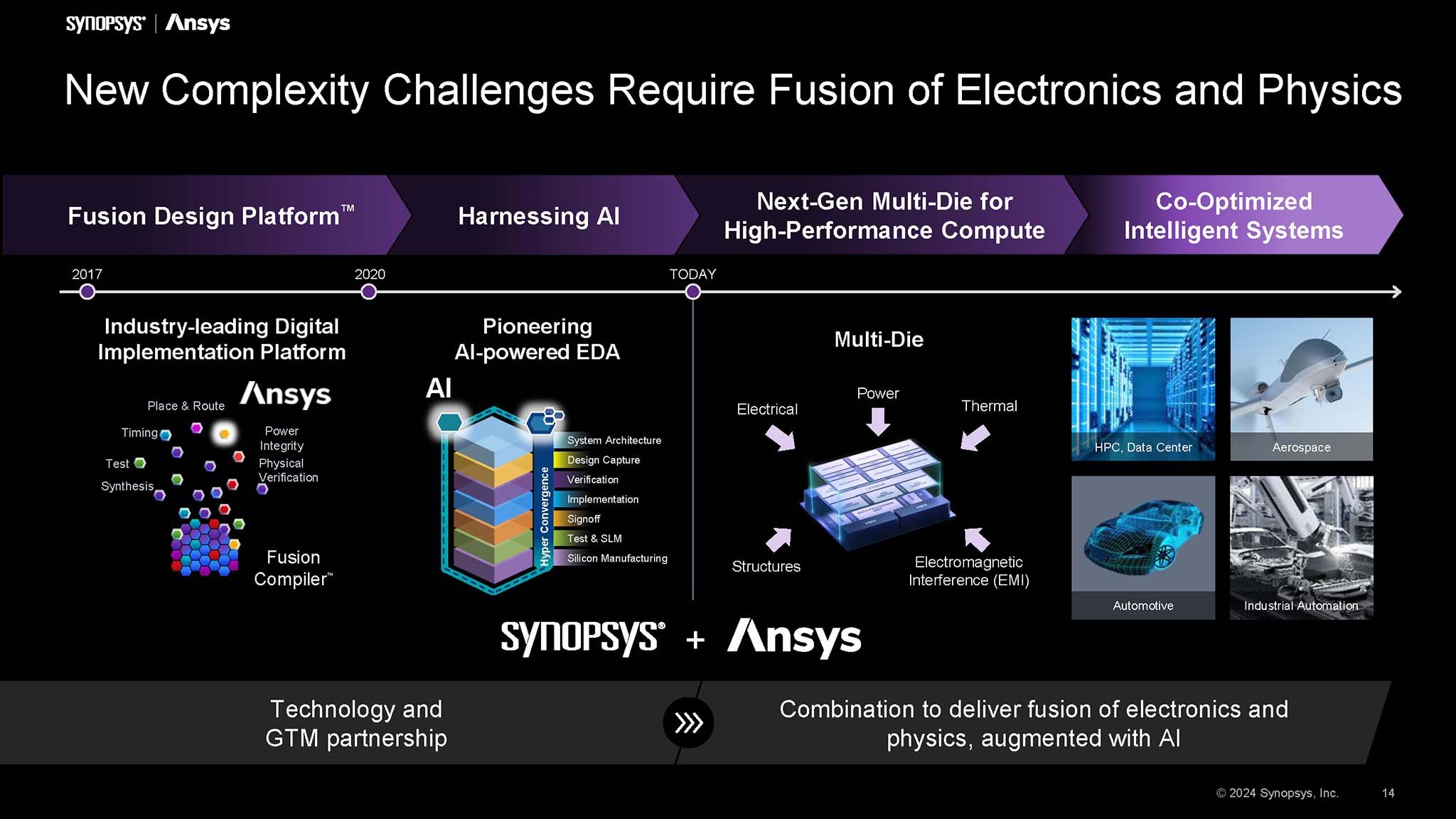
While the technical integration of tools is a solvable challenge, the real challenge—and the biggest opportunity—lies in changing the workflow and culture of engineering teams that often operate in silos. In customer organizations, chip design engineers (Synopsys’s traditional customer) and system simulation engineers (Ansys’s traditional customer) are often in different departments, using different languages, methodologies and priorities. The success of the deal is not just about creating a “Run Ansys” button in the Synopsys interface. It’s about creating a common platform where electrical and mechanical engineering teams can collaborate effectively, share data seamlessly and make optimal trade-offs for the entire product. As a result, Synopsys-Ansys will need to “sell” not only the integrated toolset, but also the new concurrent design methodology. If it succeeds in changing the way customer organizations structure their engineering teams, the combined company will create a new high-level habit, cementing its position not just as a tool provider, but also as an indispensable strategic partner in innovation.