
“King of mobile telephoto” vivo X300 Series launched, price from 23,990,000 VND
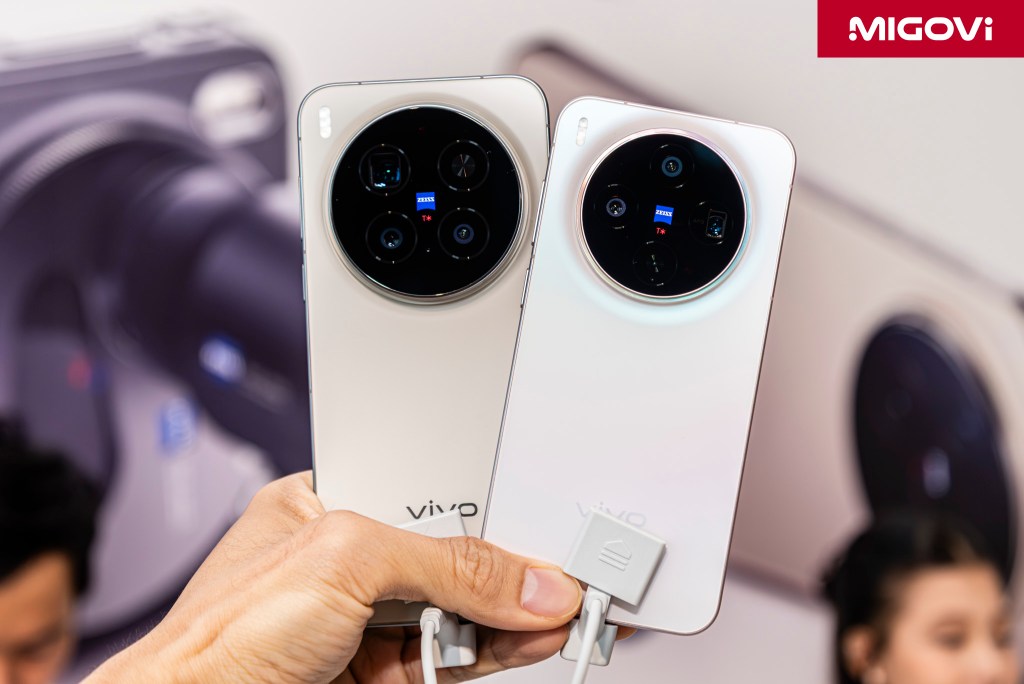
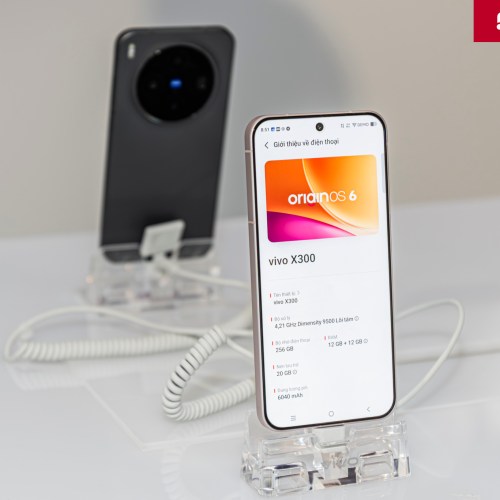
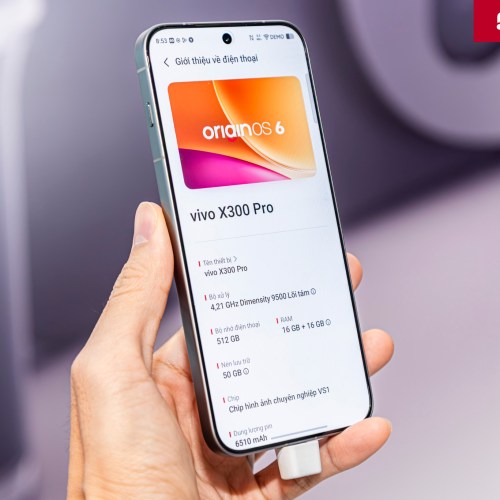
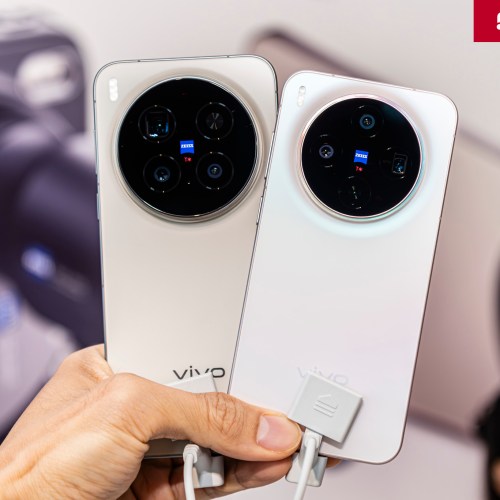
vivo X300 Series launched in Vietnam, including 2 versions X300 and X300 Pro, with prices starting from 23,990,000 VND.
A notable highlight of the launch event was that vivo used the X300 Series devices to conduct the entire livestreaming process of the event, which lasted more than 2 hours. This was also a practical test of the ability to handle temperature, sensor stability and anti-shake algorithms in complex stage lighting conditions, instead of just relying on theoretical parameters.
Article content
Camera in collaboration with ZEISS
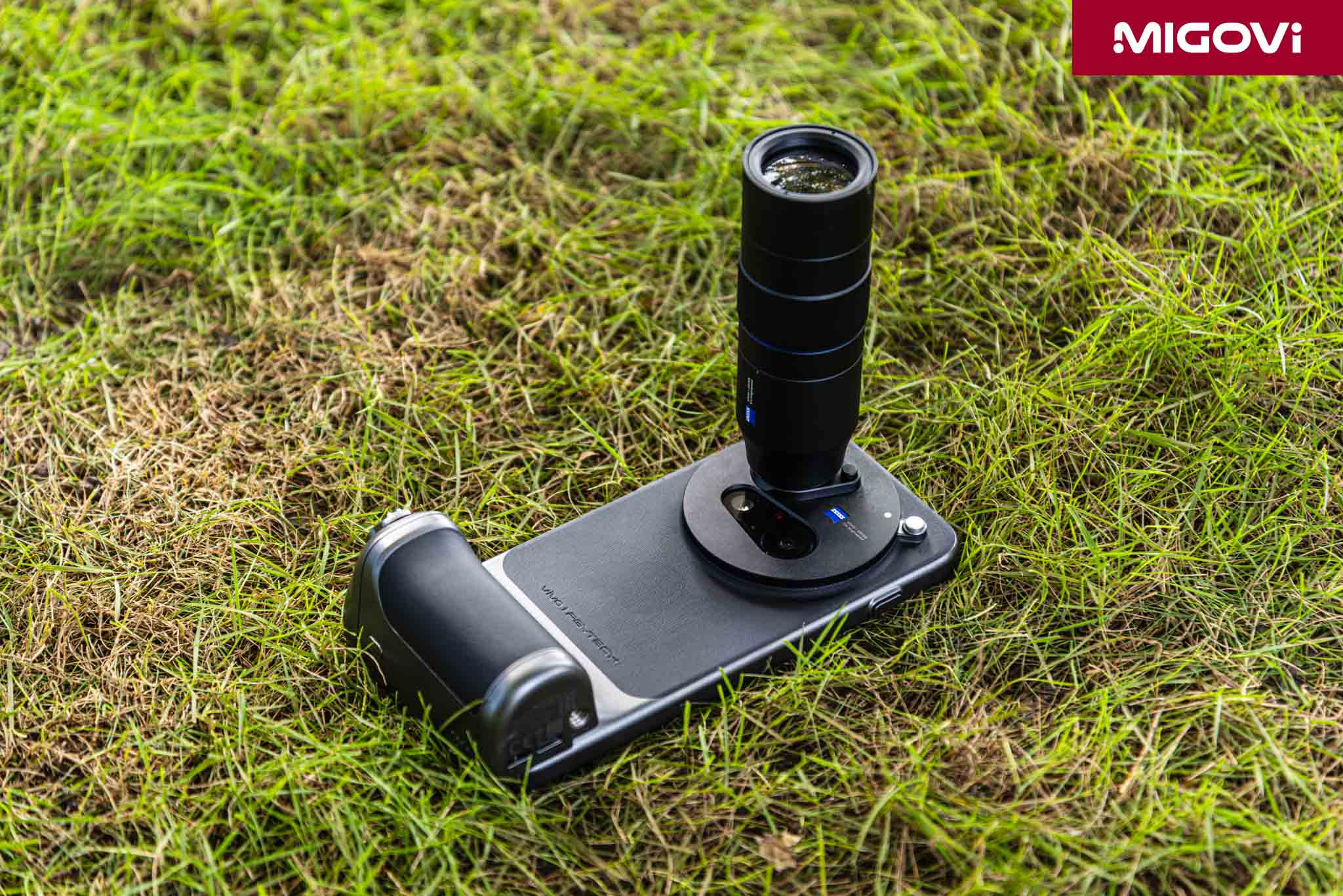
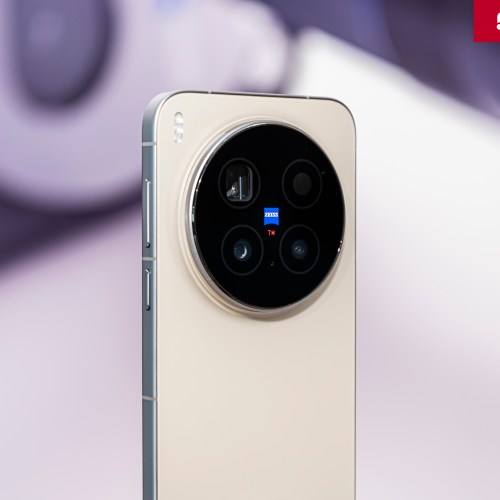
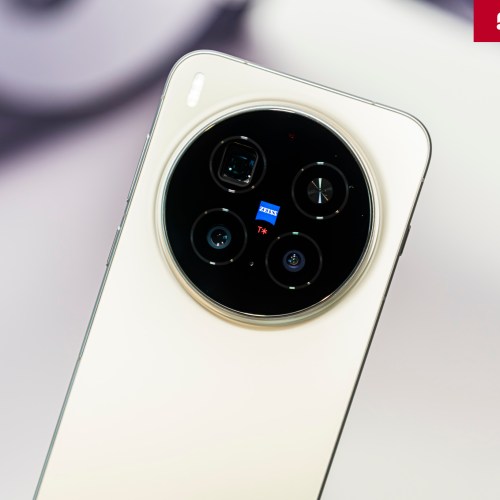
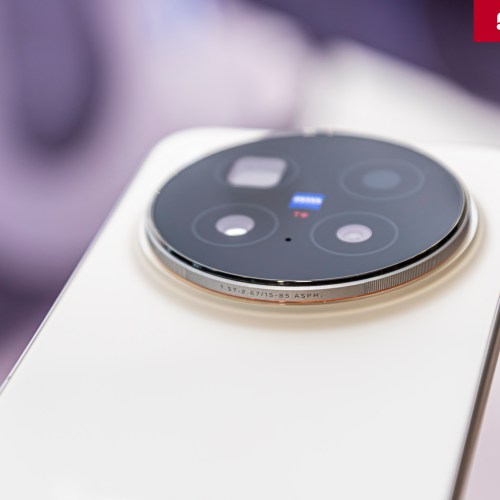
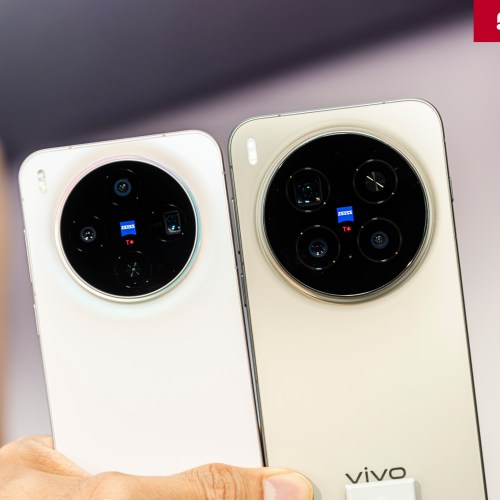
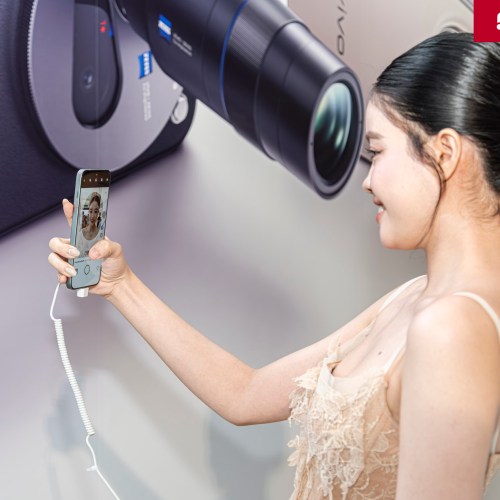
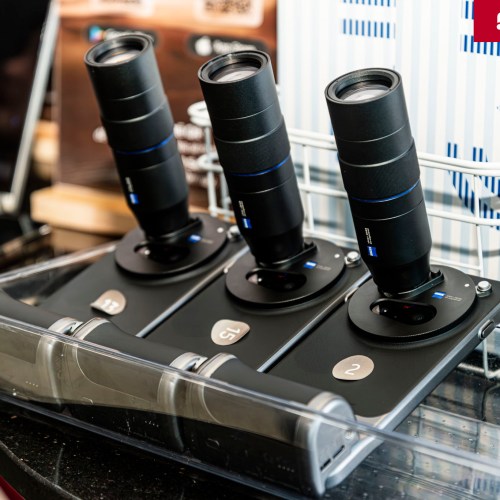
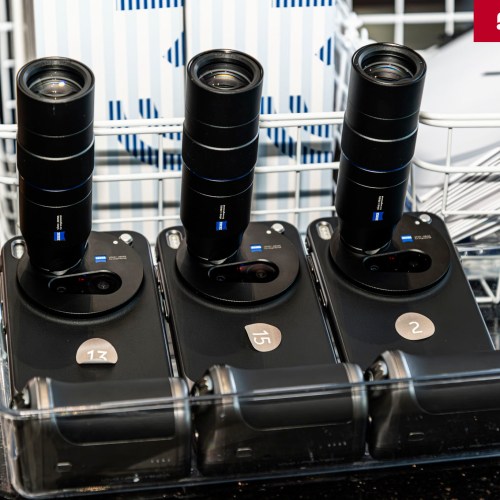
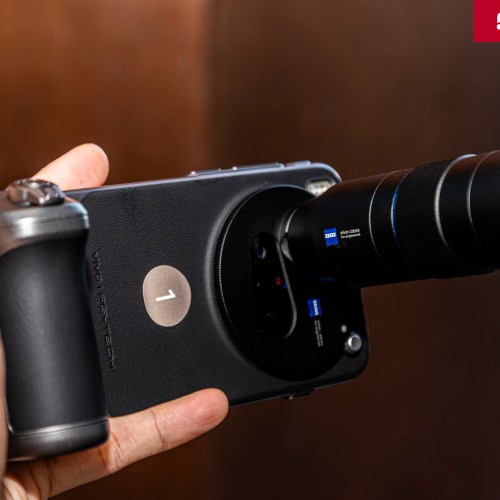
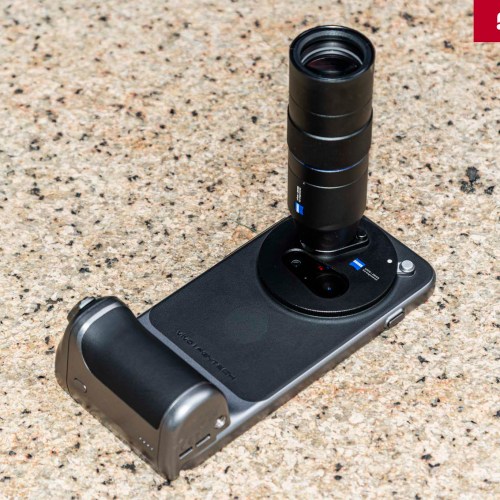
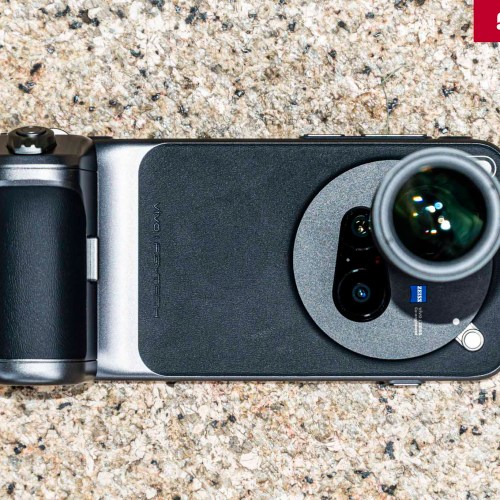
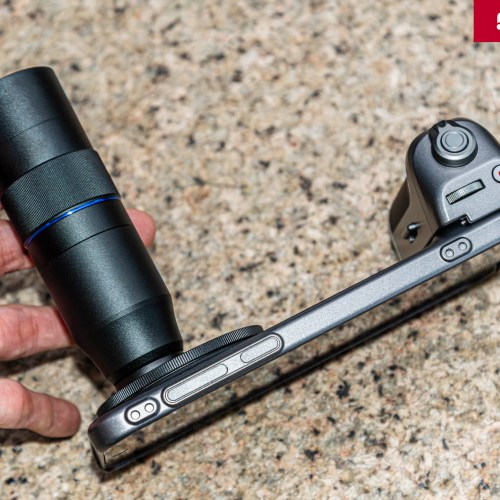
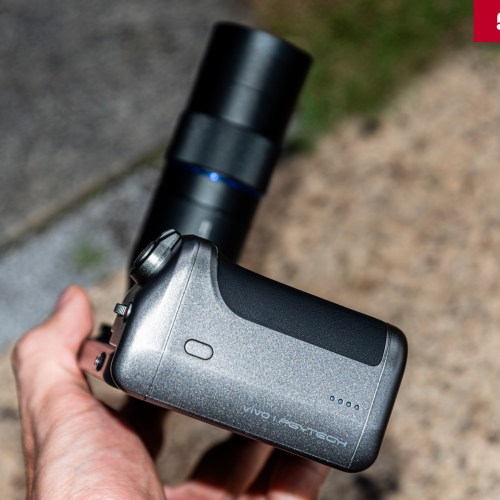
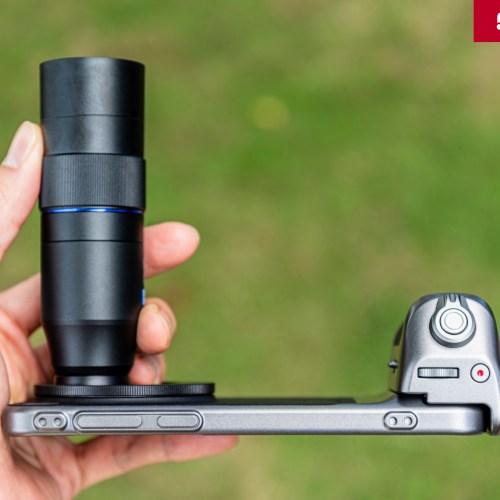
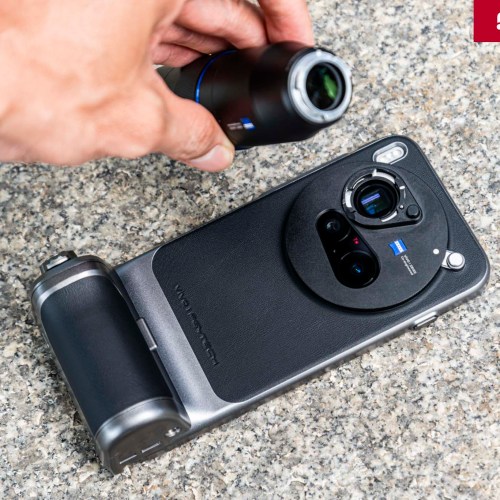
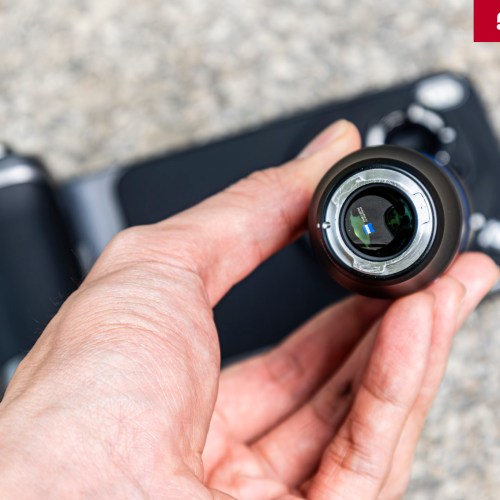
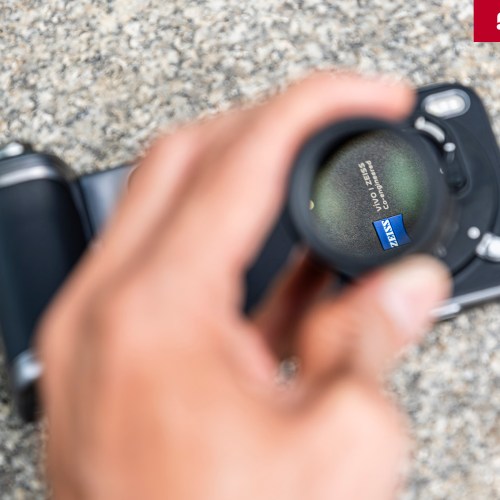
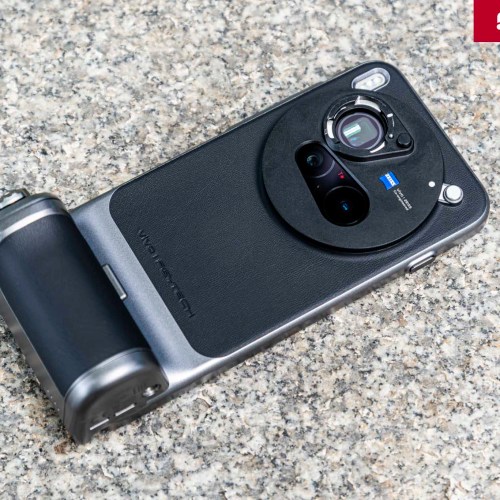
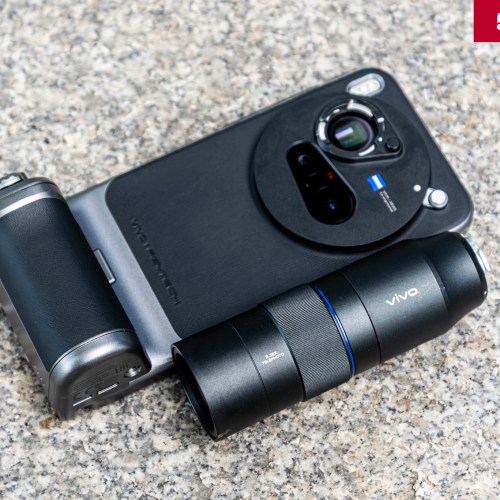
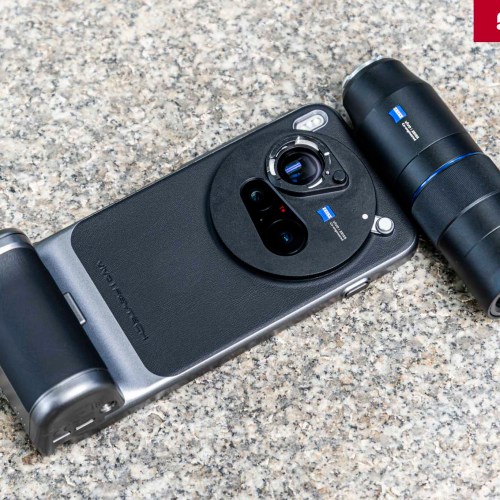
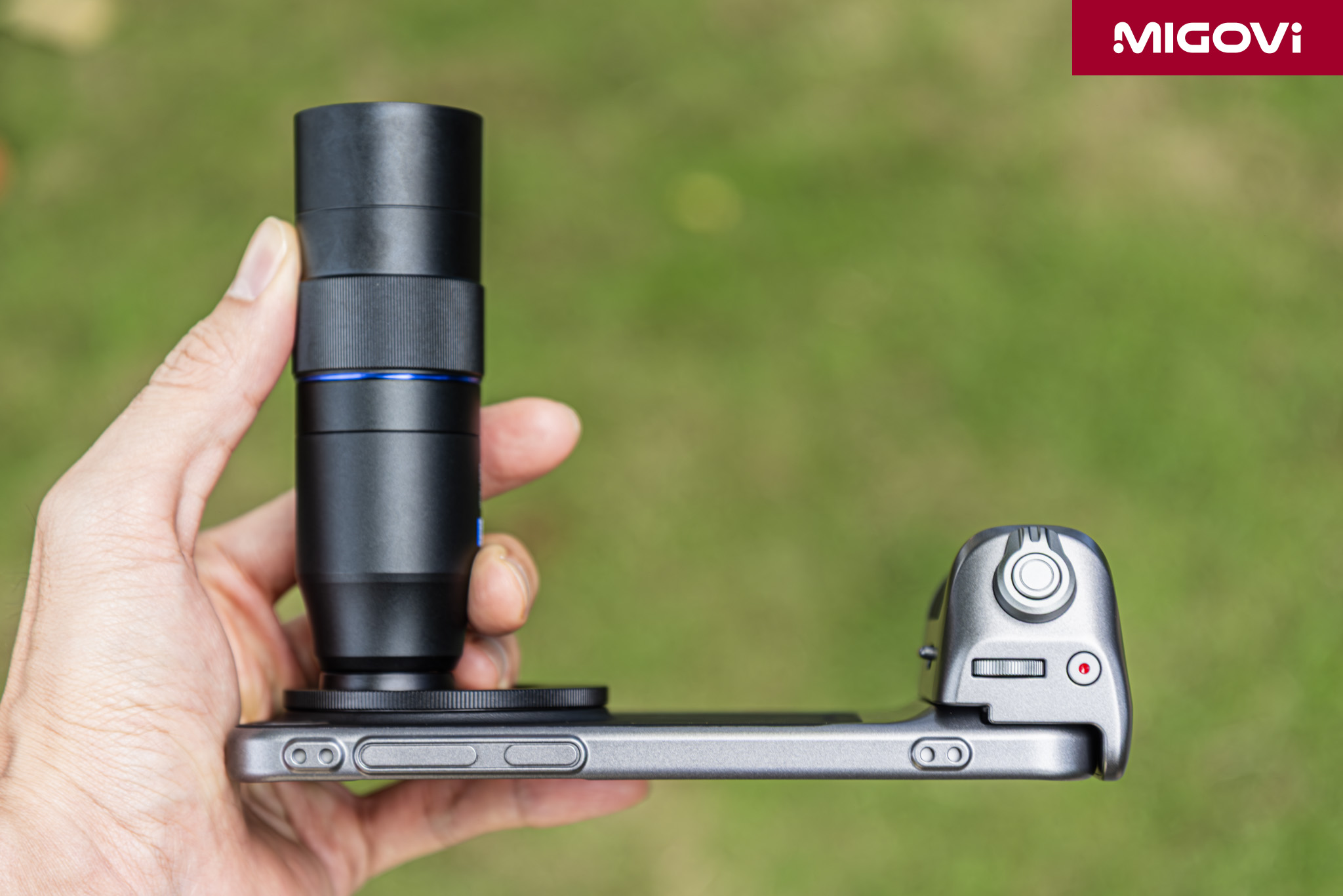
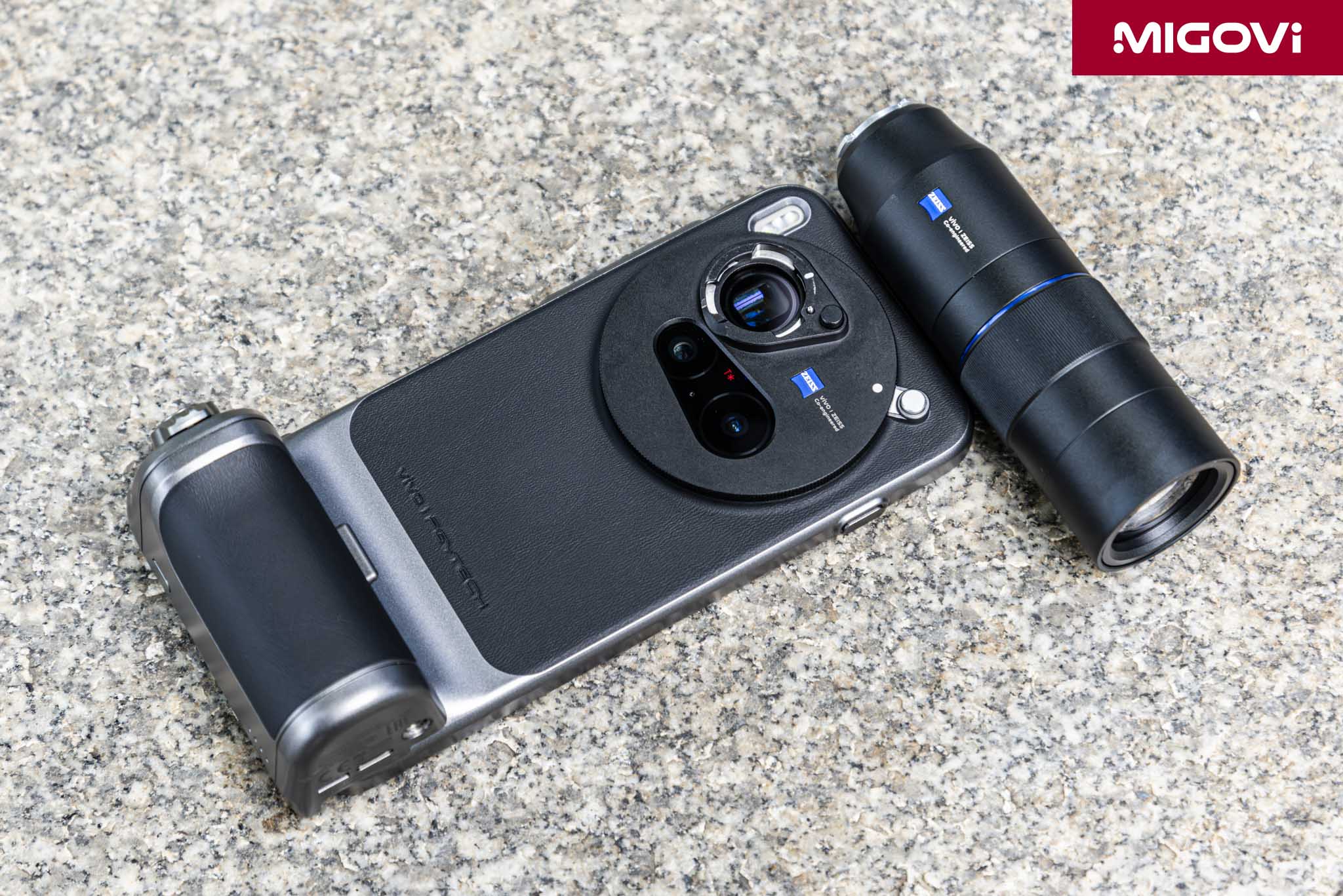
The most advanced version - vivo X300 Pro - continues to maintain its partnership with ZEISS, focusing heavily on zoom capabilities. The device is equipped with a 200 MP telephoto camera, using a large 1/1.4 inch HPB sensor with an f/2.67 aperture. Putting a large sensor in a periscope lens helps solve the problem of low light when shooting long-range zoom - an inherent weakness on current smartphones. In addition, the lens system also has a ZEISS T* coating to minimize flare and ghosting, along with anti-shake capabilities that meet CIPA 5.5 standards.
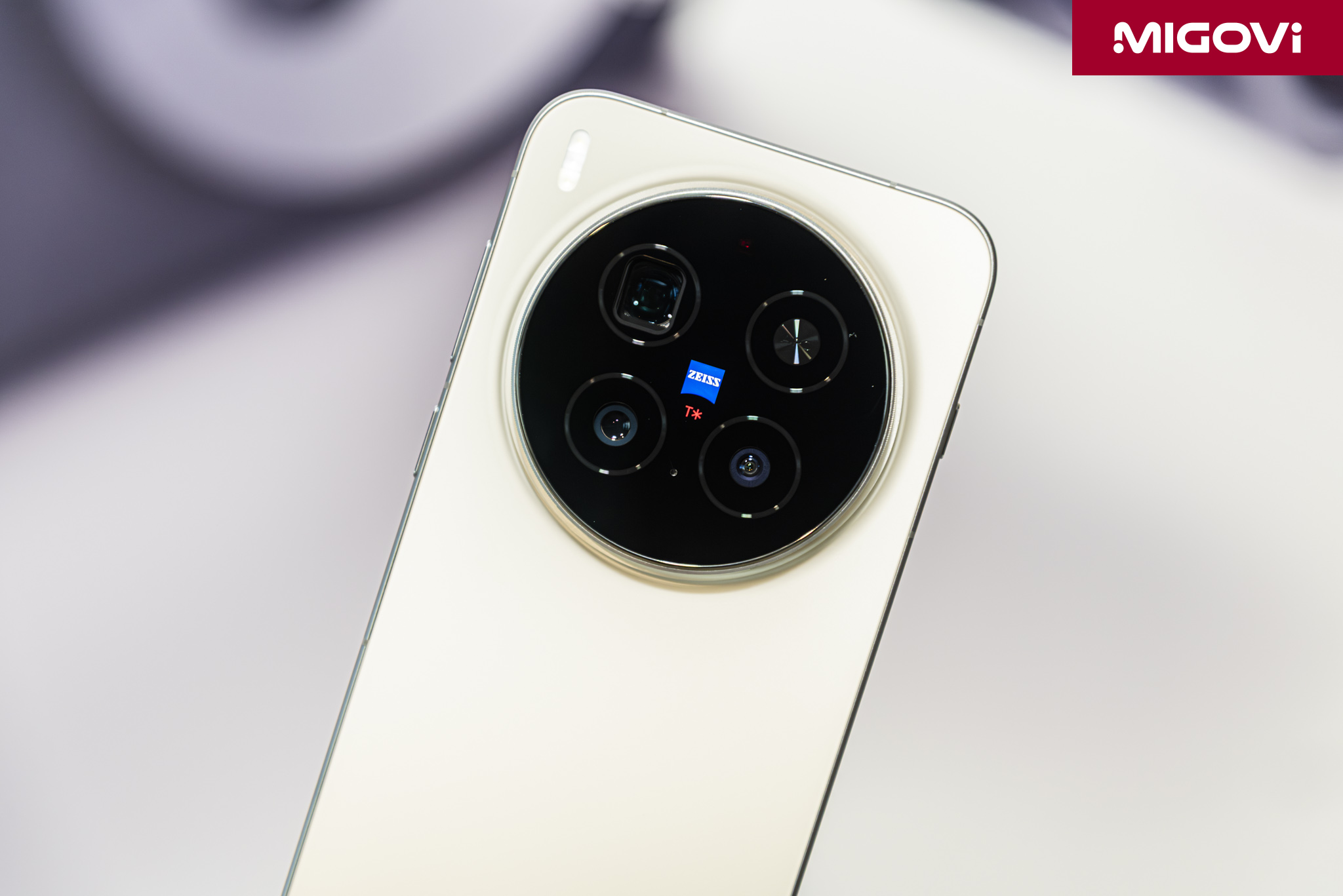
For the main camera, vivo X300 Pro uses a 1/1.28 inch Sony LYT-828 sensor. This is a sensor from Sony's new Lytia generation, optimized with VCS 3.0 spectrum technology to reproduce colors closest to the human eye. Meanwhile, the standard version of vivo X300 also has a 200 MP main camera and a telephoto camera using a Sony LYT-602 sensor, meeting CIPA 4.5 anti-shake standards. It can be seen that in terms of high resolution, the parameters are extremely synchronized between the lenses, showing the trend of "equalizing" image quality at all focal lengths that vivo is pursuing.
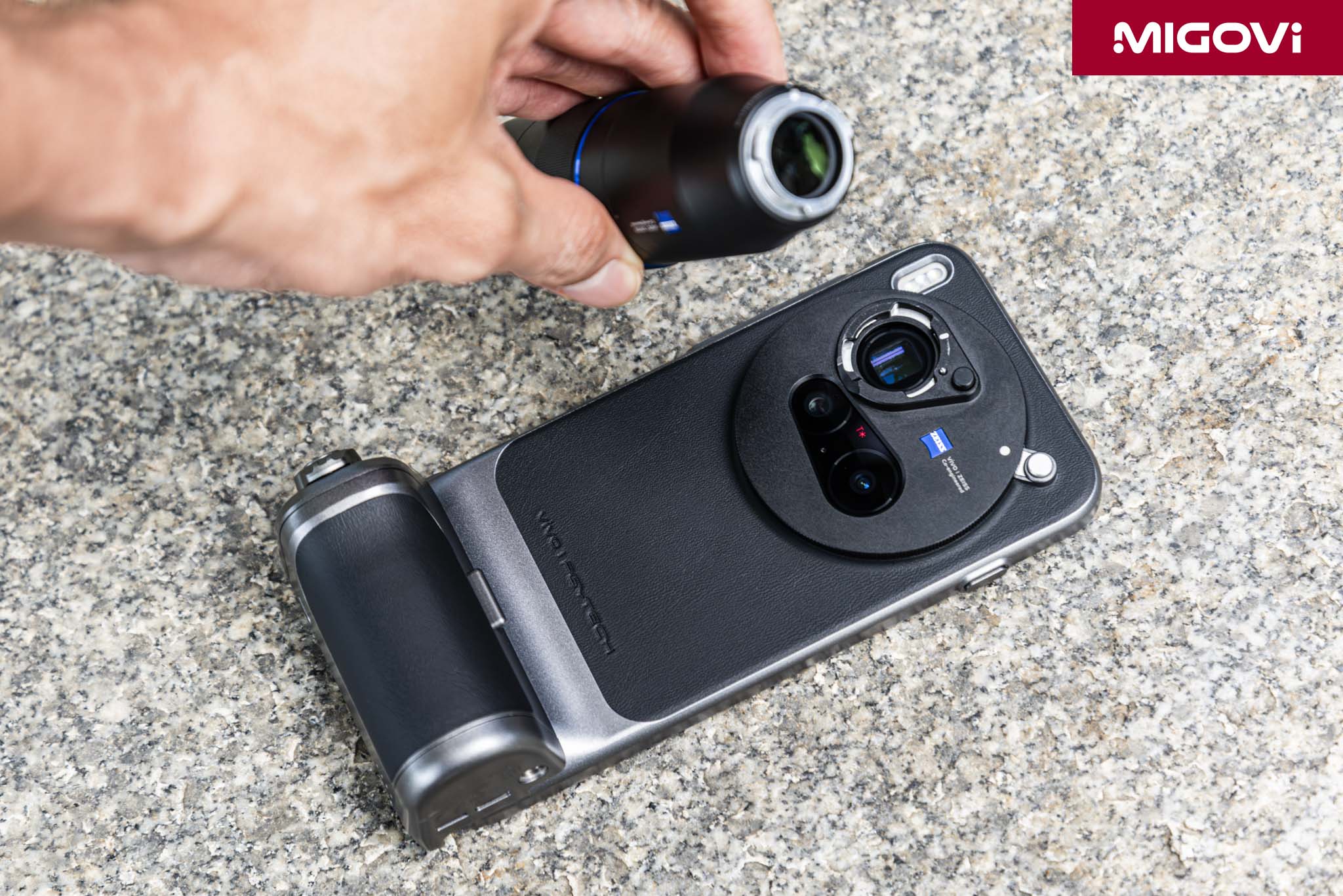
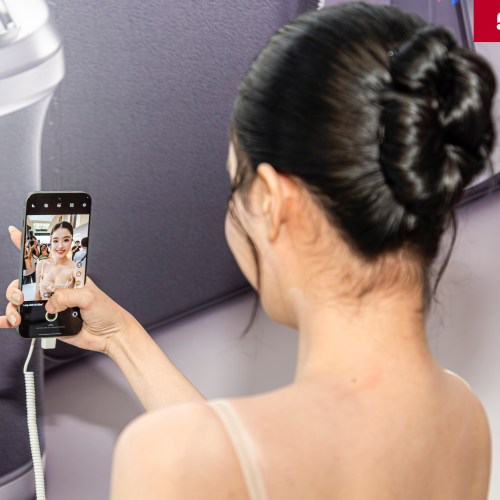
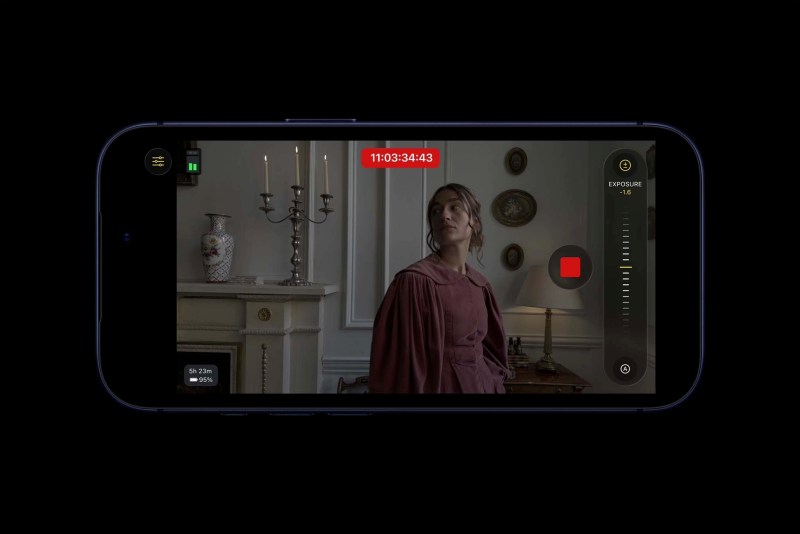
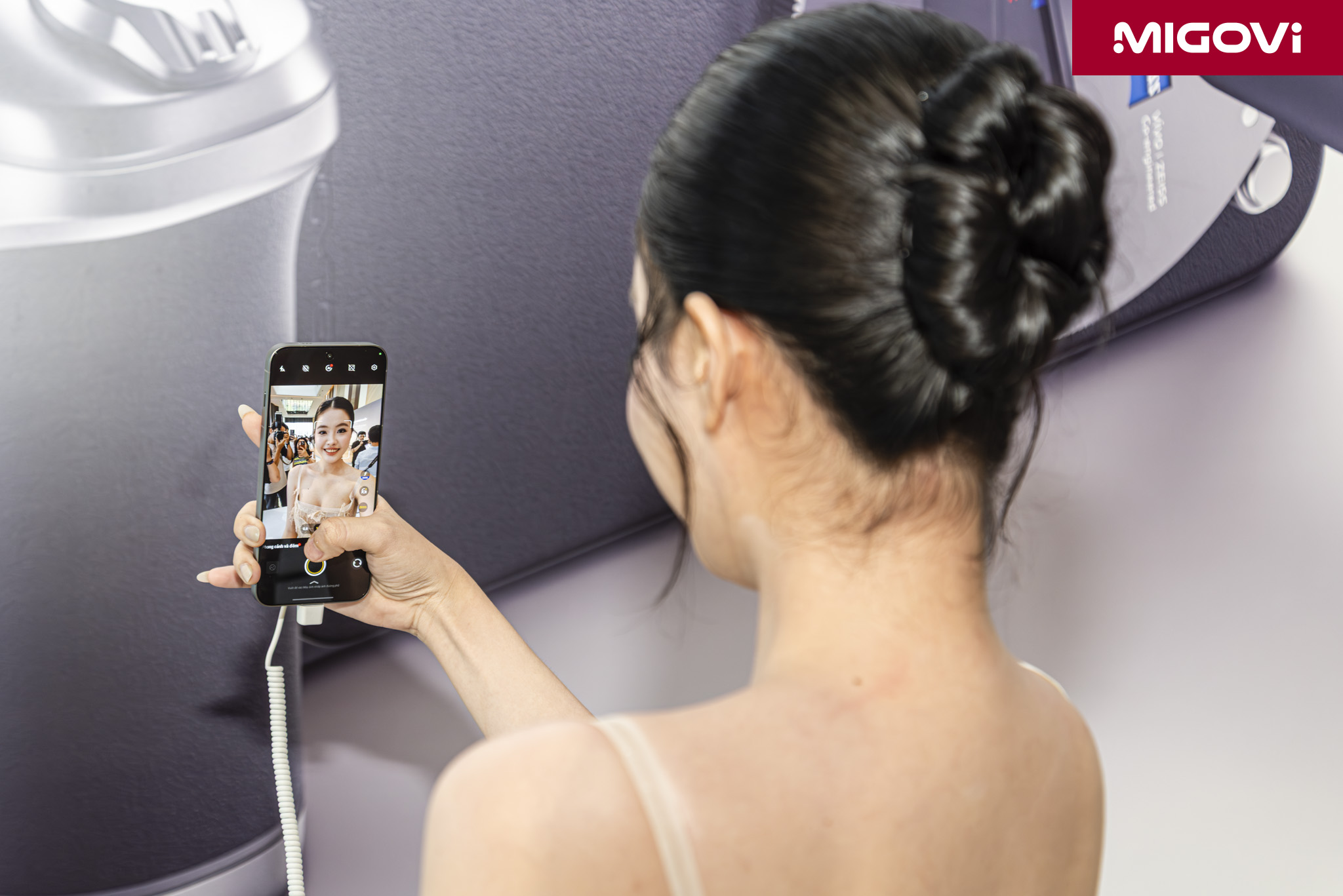
Aimed at users who frequently attend music events and concerts, vivo has developed a set of specialized shooting features. The “Stage 2.0” mode and 4K 120 fps video recording with 10-bit Log format allow for expanded dynamic range, better support for post-production (color grading). The X300 Series also has a Dual-View feature, which activates both the front and rear cameras, or the main and telephoto cameras, simultaneously. This feature is very useful for creating vlog content or live reporting.
Performance and OriginOS 6
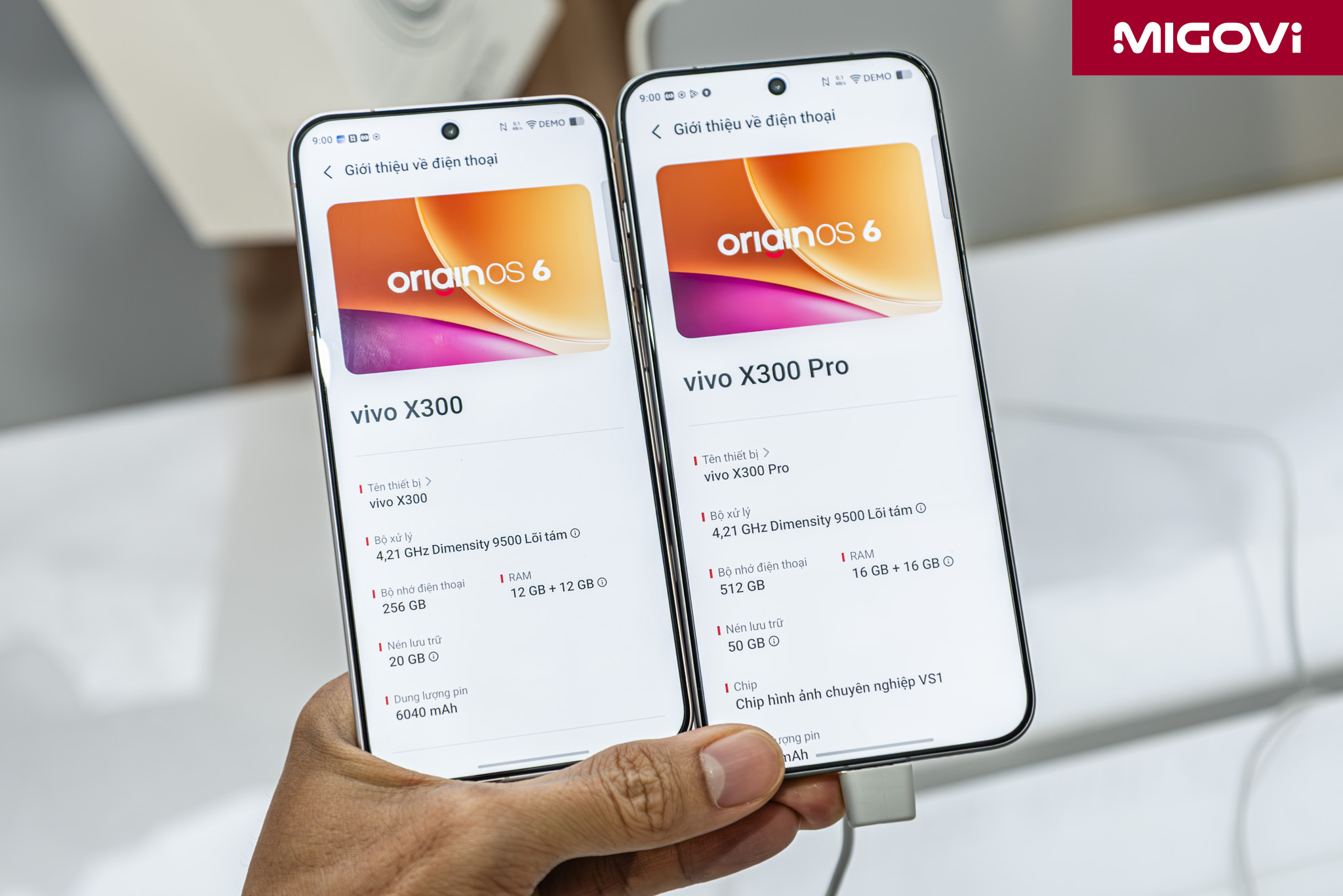
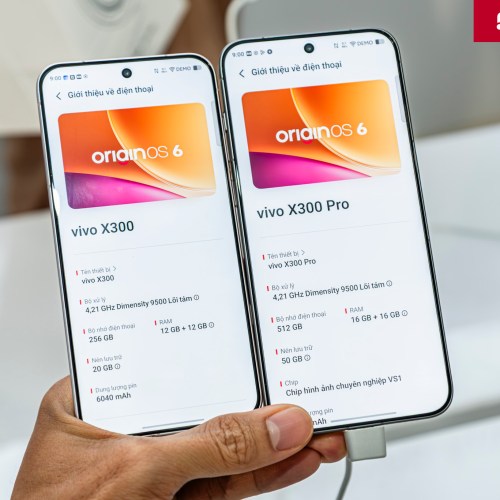
The processing power of vivo X300 Series comes from the MediaTek Dimensity 9500 CPU. This chip is manufactured on TSMC's advanced N3P process, the result of research collaboration between vivo and MediaTek's joint lab. Dimensity 9500 owns the 3rd generation large-core CPU architecture and 12-core G1-Ultra GPU. The key improvement lies in the new NPU, which optimizes energy for Generative AI tasks right on the device.
To support the main chipset, vivo has added a V3+ independent image processing chip. This dual model helps reduce the load on the main SoC, especially when performing heavy tasks such as shooting 4K portrait videos with blurred background or processing real-time photography algorithms. This combination not only improves shooting speed, but also helps manage the device's temperature better when shooting high-resolution videos for a long time.
In terms of software, the vivo X300 Series comes pre-installed with the OriginOS 6 operating system . The new version focuses on cross-platform connectivity through the vivo Office toolkit, allowing data synchronization and control between the phone and PC (including Windows and macOS ecosystems). AI features are also deeply integrated, from translation, text summarization to photo editing tools such as "AI Landscape Expert", or the ability to remove redundant objects in real time.
Battery technology, durability and design

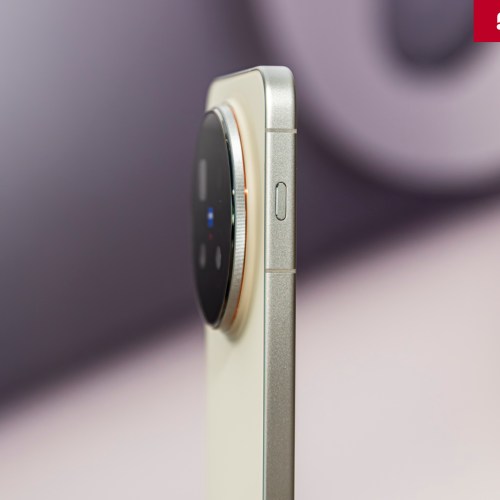
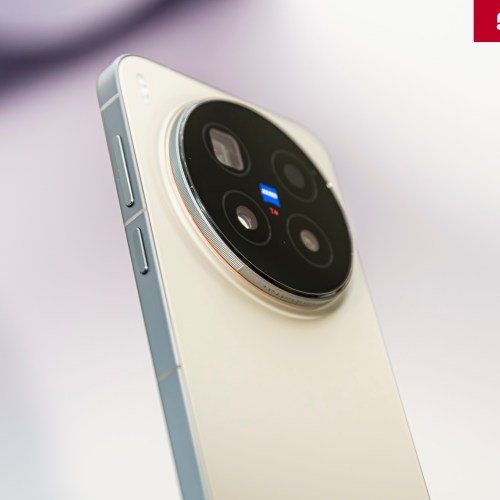
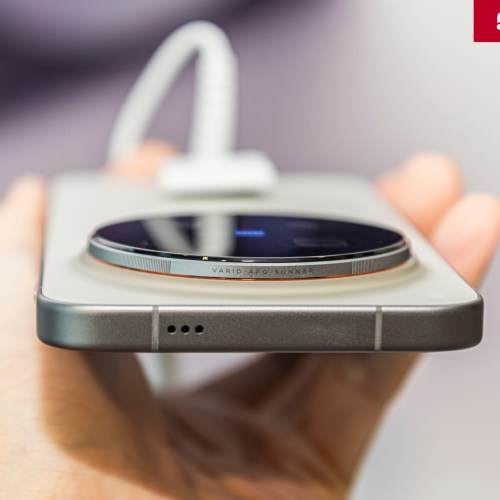
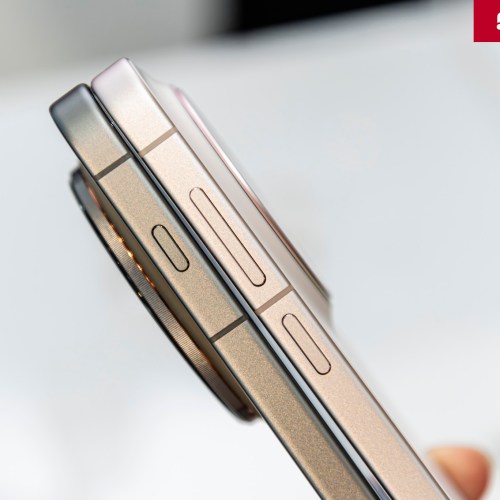
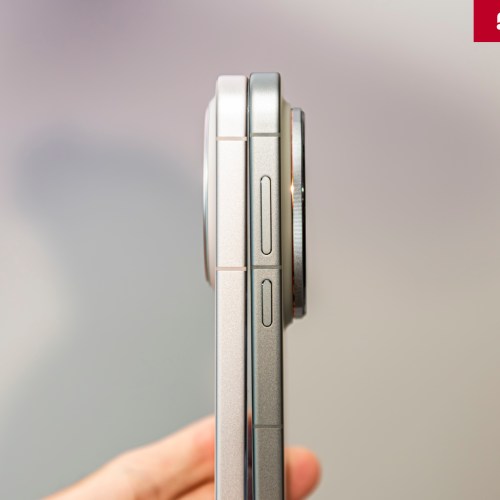
Solving the issue of battery life on thin and light flagship devices, vivo X300 Series is equipped with 4th generation BlueVolt battery technology with Semi-Solid Silicon Anode. This technology allows for increased energy density, bringing a capacity of 6510 mAh on the X300 Pro, which has a thin body of 7.99 mm. Meanwhile, vivo X300 has a battery capacity of 6040 mAh with a body thickness of only 7.95 mm. vivo X300 Series supports 90W wired fast charging and 40W wireless charging, integrating an intelligent current management system to extend battery life.
Durability has also been significantly upgraded with dust and water resistance standards reaching IP68 and IP69. The IP69 standard is especially important, showing that the X300 Series is able to withstand high-pressure water jets and high temperatures, surpassing the usual IP68 standard on most smartphones today. Armor tempered glass (on the Pro version) and 3D ultrasonic fingerprint sensor 2.0 (allowing unlocking when wet hands) are valuable additions to the daily use experience.
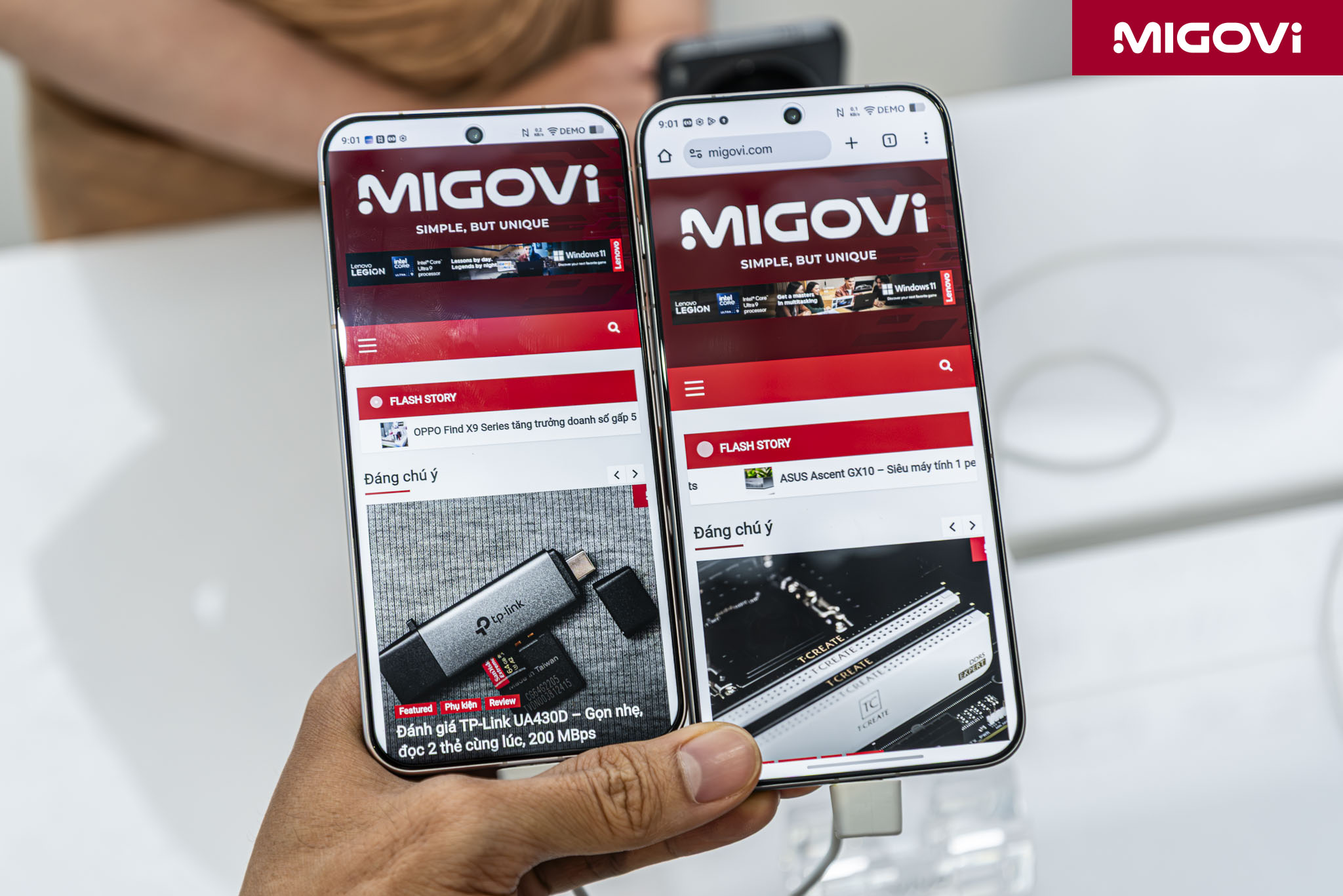
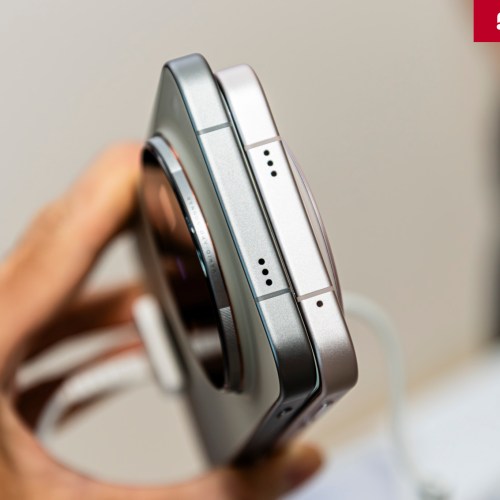
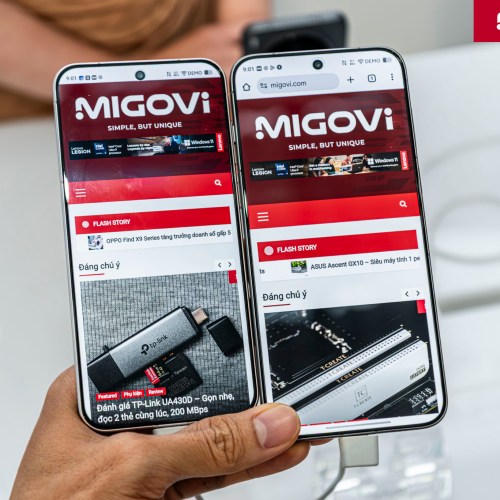
In terms of display, the vivo X300 Series uses an 8T LTPO panel with a maximum brightness of up to 2000 nits. The 2160 Hz PWM high-frequency brightness adjustment technology helps reduce flicker at low brightness, helping to protect the user's eyesight. The vivo X300 Series has a 4-edge curved screen design (on the Pro version) and a flat screen (on the regular version), along with a frosted glass back that helps reduce sweat and fingerprints.
vivo X300 Series Price
In the Vietnamese market, vivo X300 Series is exclusively distributed through the Mobile World retail system. The listed price for the vivo X300 version (12 GB / 256 GB) is 23,990,000 VND; the high-end version vivo X300 Pro (16 GB / 512 GB) is 34,990,000 VND. This is a price positioned directly in the high-end segment, competing with major rivals from Samsung and Apple.
During the sale period from November 19 to November 30, customers who buy vivo X300 Series will have many special incentives, including direct discounts of up to 5 million VND, support for old-for-new exchange (up to 2 million VND) and 24-month extended warranty packages and 12-month screen breakage insurance. After applying the incentives, the actual price to own the product can be reduced to 19,990,000 VND for the regular version and 29,990,000 VND for the Pro version, making vivo X300 Series more accessible to users who need to upgrade their devices at the end of the year.