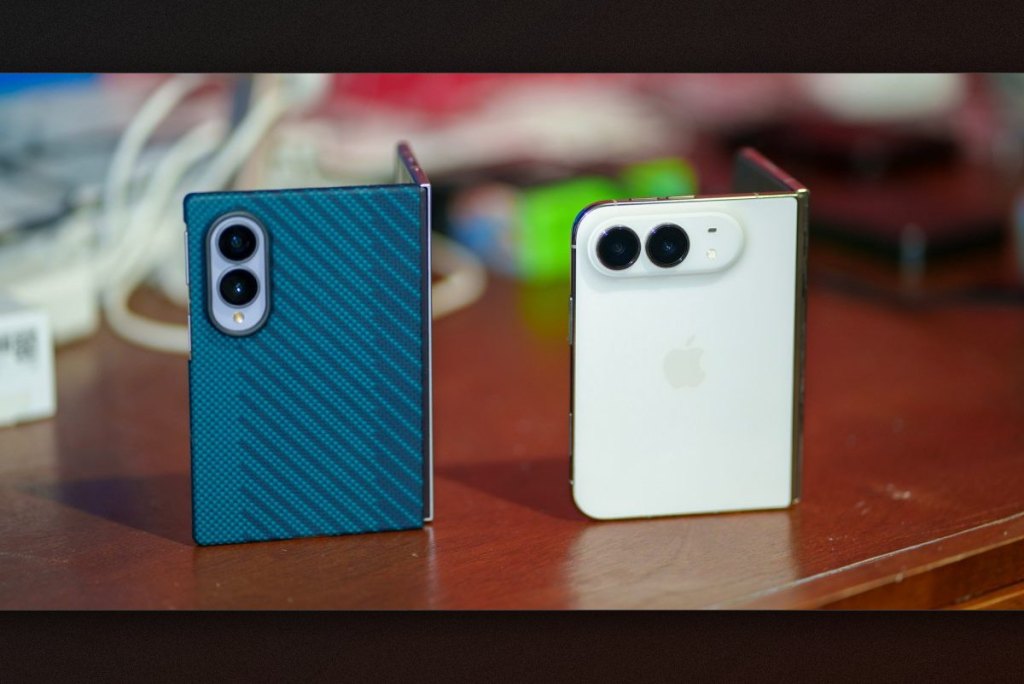
After using both the iPhone Duo and the Galaxy Z Fold8, one tech writer still leans toward Samsung's phone if both ran iOS, for a fairly simple reason.
- The Galaxy Z Fold8 weighs 201 grams, the iPhone Duo weighs 254 grams, and the iPhone 18 Pro weighs 211 grams
- The iPhone Duo earns praise for its rounded corners, horizontal rear camera bar, and selfie camera hidden under the inner display
- The crease on both phones is mostly visible only at an angle, so Apple's nano-texture layer may not be strictly necessary
- If both phones ran iOS, the author would pick the Galaxy Z Fold8 because it is lighter and thinner
- The operating system is still a bigger deciding factor than the hardware differences
Table of Contents
Weight and screen aspect ratio
The author has used the iPhone Duo for more than a month since it launched and genuinely likes it, though he admits it isn't perfect. During the same period, he also got to spend time with the Galaxy Z Fold8, and even though he doesn't care for One UI, he found that Samsung's phone does quite a few things well.
The first thing you notice about the Galaxy Z Fold8 is how much lighter it is: just 201 grams, compared with 254 grams for the iPhone Duo and 211 grams for the iPhone 18 Pro. In other words, a foldable now weighs about the same as a regular phone, which makes a clear difference in daily handling. The iPhone Duo's weight isn't especially bothersome, and the author is glad Apple has returned to titanium, since with the aluminum iPhone 17 Pro he was always worried about dents, particularly where the aluminum extends into the camera plateau. Still, he believes the Z Fold8's aluminum frame contributes significantly to its lighter weight.
As for aspect ratio, the iPhone Duo's width feels great in the hand, but from day one the author felt it should be a bit taller so it could show more content without the keyboard covering it. The Z Fold8 comes close to what he hopes to see in a future iPhone Duo: you can still reach the top of the screen easily without shifting your grip, and in theory you see more content above the keyboard. In practice the difference is small, because One UI uses an opaque navigation bar while iOS keeps it transparent, so the amount of readable content ends up about the same on both phones, even after disabling the extra keyboard toolbar and shrinking the default font size in One UI.
Where the iPhone Duo still shines
On the iPhone Duo side, the first thing the author appreciates is the rounded corners. They sometimes leave extra bezel and waste a bit of screen area, and they make the screen harder to reach for left-handed users, but holding a phone without sharp corners digging into your palm is still far more comfortable. Of course, left-handed users will still feel the sharp corners on the outer display.
A smaller but real advantage is the iPhone Duo's horizontal rear camera bar, which lets your finger rest comfortably right below it. On the Z Fold8, the author found the phone harder to hold because the cameras always sit in the way of your finger.
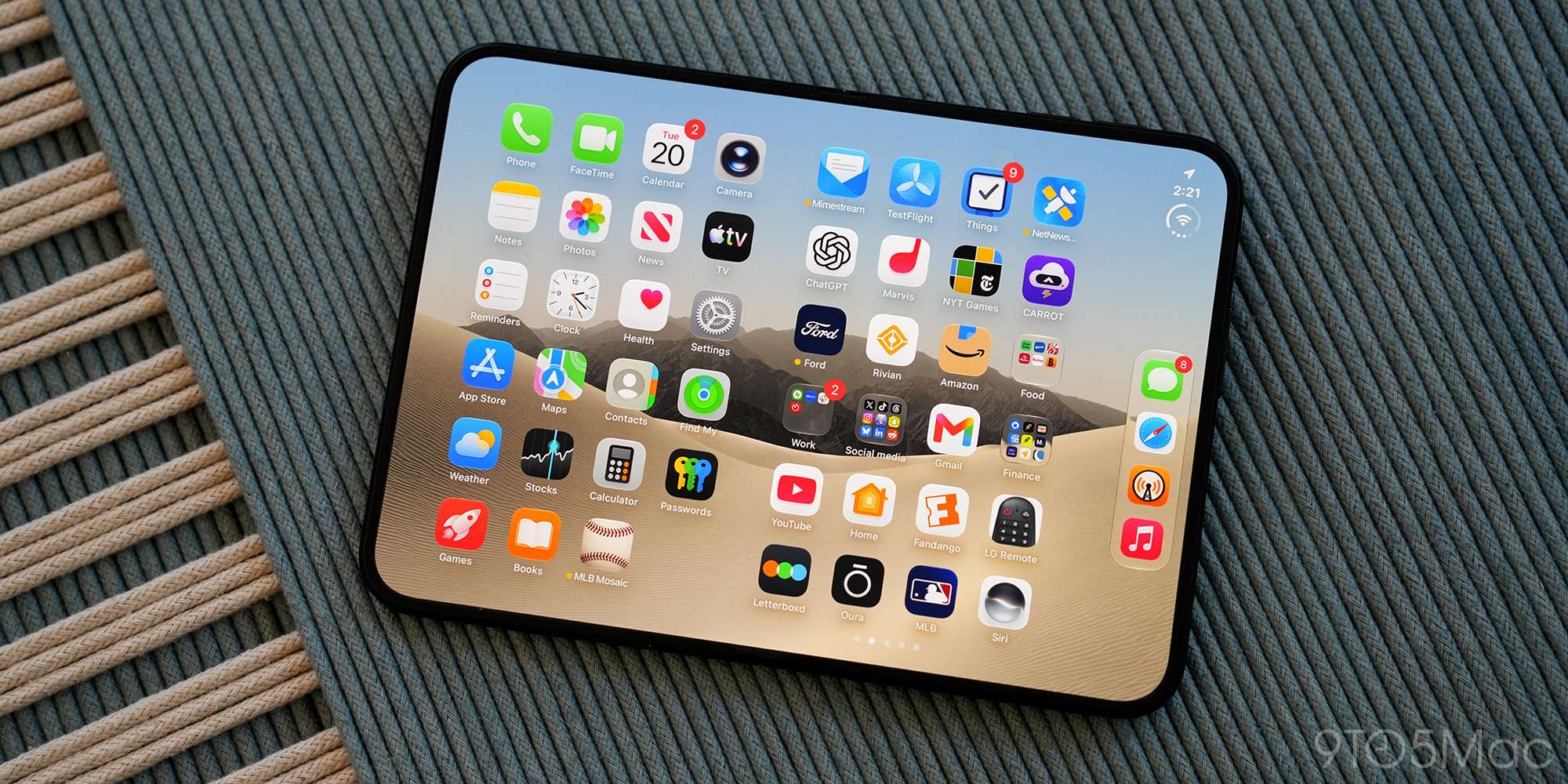
Apple also chose to place the selfie camera under the inner display, and the author thinks that decision pays off. It's true that the inner camera performs poorly in low light, but if you really want to take photos, the iPhone Duo offers two much better ways to shoot selfies, so he doesn't consider it a major issue. In return, content isn't interrupted by a camera cutout, something he didn't expect to notice at first but came to appreciate. The trade-off is that the iPhone Duo has no Face Unlock on the inner display because of the low camera quality, and the author hopes future hardware generations will improve this.
The crease and the final choice
On the crease, Apple fitted the iPhone Duo with a nano-texture layer meant to make the crease less visible, but after a month of use the author isn't sure it's truly necessary. On the Samsung phone, he barely notices the crease when looking straight at the screen, and the same goes for the iPhone Duo; on both phones, the crease only shows when viewed at an angle. Of course, no one knows how the iPhone Duo would look without the nano-texture layer (and he advises against trying to peel it off), but looking at the crease on Samsung's glossy display, he thinks Apple could drop the layer in future generations.
All in all, both phones are excellent feats of engineering from their makers. Samsung has been making foldables for nearly 8 years, while the iPhone Duo is Apple's first foldable, so future generations will likely be lighter and possibly a bit taller. Few people are actually torn between the two, so the author doesn't offer a definitive verdict, since the operating system matters more than most hardware differences. His ideal phone would combine the best of both: as thin and light as the Galaxy Z Fold8, a bit taller, and with the iPhone Duo's rounded corners.
If he had to choose between a Galaxy Z Fold8 running iOS and the iPhone Duo, he would most likely pick the Z Fold8. He would miss the rounded corners, the inner display experience without a camera cutout, and a hinge that holds the phone at any angle. But a lighter phone to carry around is a clear advantage, and the thinness makes a noticeable difference every time you hold the phone folded.
Migovi thinks the most notable takeaway from this comparison is that the differences users feel every day, such as weight and thickness when folded, are things that don't show up on a spec sheet. So don't judge lighter versus heavier by the numbers alone: if you're considering a foldable, try both in hand before deciding, because the gap between 201 grams and 254 grams sounds small but becomes obvious over time. On the other hand, details like the crease or the aspect ratio don't matter all that much, so there's no need to worry too much about them. The operating system, as the author himself stresses, should come first: if you're already used to iOS or One UI, the choice is almost made from the start.
Source: 9to5Mac
Reviewed by: Hero Association