
Intel Arc B580 and XeSS 2 gaming performance review
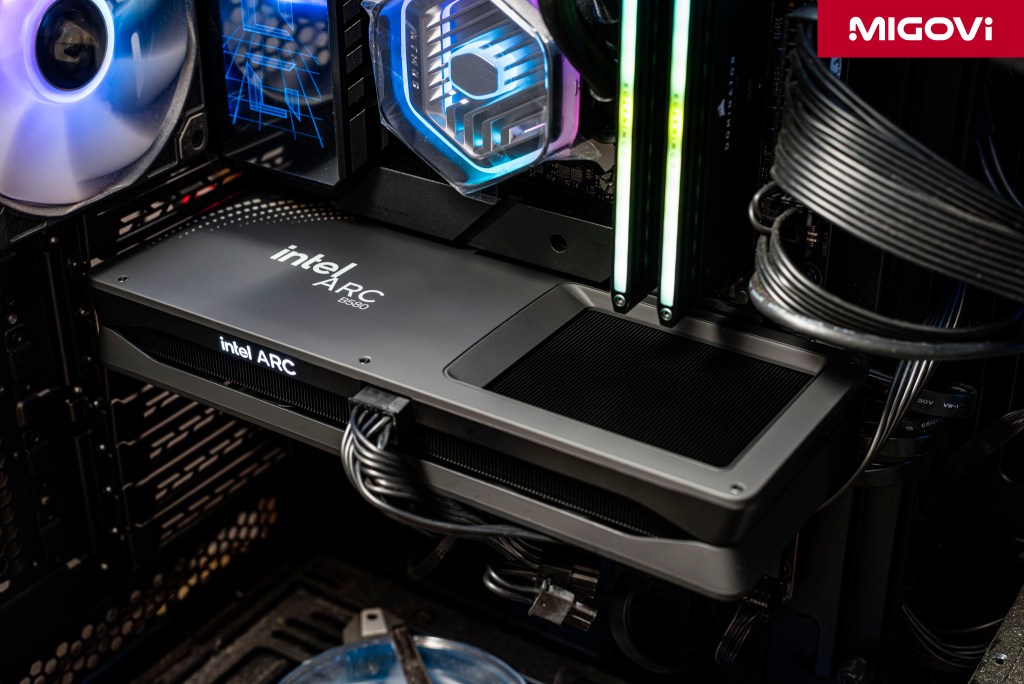
Testing Intel Arc B580 and Intel XeSS 2 with games Lost Soul Aside, Hell is Us, Clair Obscur: Expedition 33.
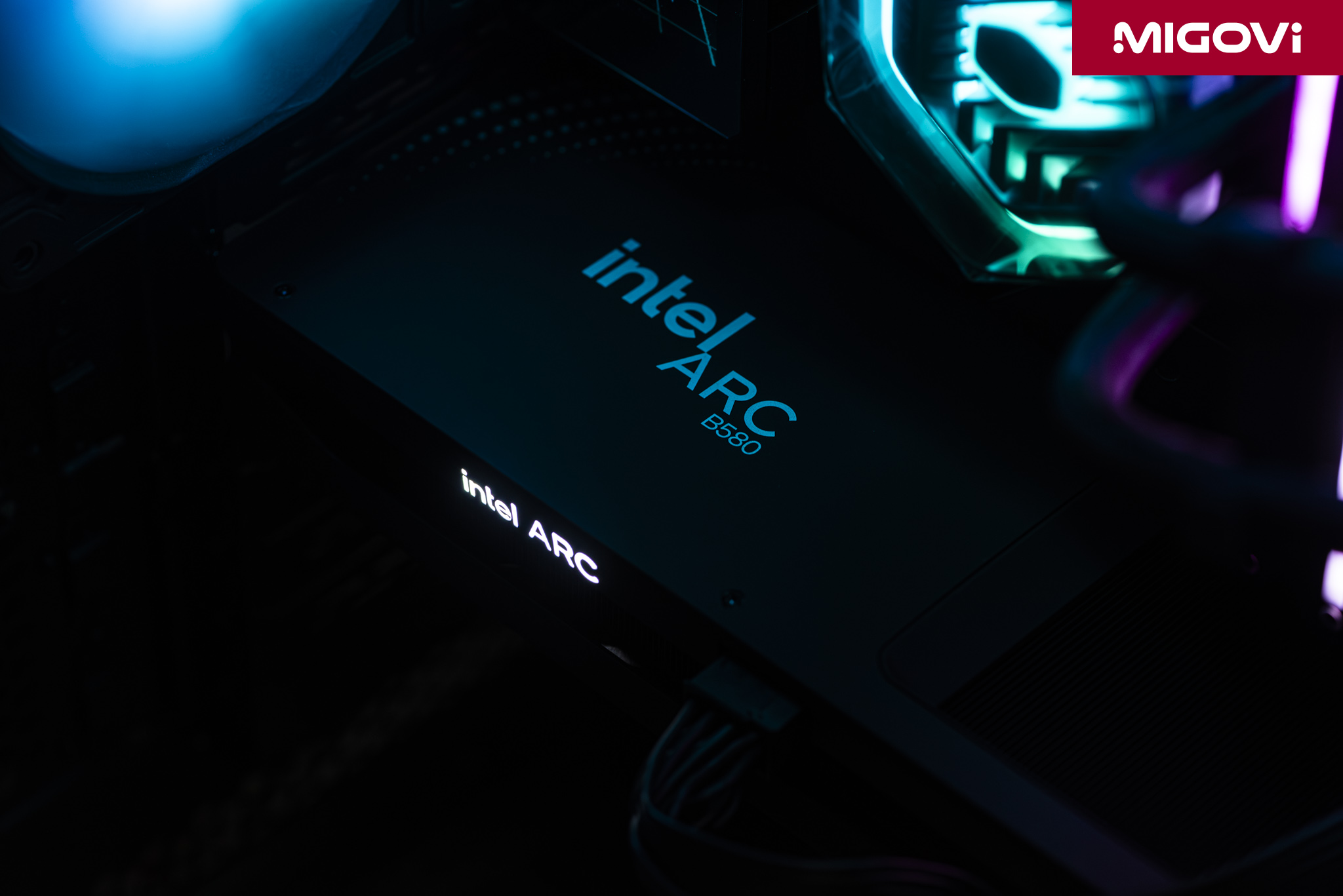
Launched on December 13, 2024 with a suggested price (MSRP) of $249, the Intel Arc B580 Limited Edition targets the mainstream segment, competing with rivals such as the NVIDIA GeForce RTX 4060 (MSRP $299) and AMD Radeon RX 7600 (MSRP $269). The goal of the Intel Arc B580 is to be an attractive, high-performance alternative for 1080p and 1440p gaming with plenty of VRAM. In 2025, when new games are released on the Unreal Engine platform, will the Intel Arc B580 still be able to meet the demand? Let's follow Migovi's test of the Intel Arc B580 Limited Edition with 3 new games: Lost Soul Aside, Hell Is Us and Clair Obscur: Expedition 33, which take advantage of Intel XeSS 2 technology.
Article content
Battlemage Overview
BMG-G21 GPU and TSMC N5 process

The Intel Arc B580 is based on the BMG-G21 graphics processing unit (GPU). This is a monolithic semiconductor die manufactured on TSMC's 5 nm (N5 EUV) process technology. Thanks to the TSMC N5 order, Intel's Battlemage is on par with its contemporary competitors such as NVIDIA's "Ada Lovelace" architecture and AMD's "RDNA 3". This also helps Battlemage compete in terms of energy efficiency and semiconductor density. The BMG-G21 die has an area of 272 mm² and contains 19.6 billion transistors.
In terms of structure, the GPU is scientifically organized with a global dispatch processor, responsible for distributing the workload to 5 main processing units called “Render Slices”. These Render Slices communicate with each other through an internal interconnect network (fabric) and an 18 MB L2 cache. In addition to the computing units, the BMG-G21 also integrates other specialized functional blocks such as the Media Engine with 2 multi-format encoders/decoders (MFX), a GDDR6 memory controller and a Display Engine supporting 4 display outputs.
Xe²-HPG Microarchitecture
At the heart of Battlemage is the Xe²-HPG microarchitecture, which offers a number of significant improvements over the Xe-HPG found in Alchemist. Intel claims a 70% increase in performance per Xe Core, while performance per watt is up to 50%. To achieve these improvements, Xe²-HPG has undergone a number of hardware-level changes.

- Gen 2 Xe Core: Significantly increased instructions per cycle (IPC). The arithmetic logic units (ALUs) inside Xe Core now natively support SIMD16 instructions, allowing for twice the amount of data to be processed in the same clock cycle compared to SIMD8 on Alchemist. Each Xe² Core contains eight 512-bit Vector Engines, enabling powerful parallel computing.
- 2nd Generation Ray Tracing Unit: Ray tracing performance is comprehensively upgraded. Intel adds 1 Traversal Pipeline, bringing the total number to 3 units, increasing box intersection performance by 50%. In addition, there is an additional triangle intersection processing unit, doubling the number and performance for this task. Along with that, the Bounding Volume Hierarchy (BVH) buffer capacity - an important component for accelerating ray tracing - is also doubled to 16 KB.
- The Xe² architecture also gets a boost in other areas. The Geometry Engine is up to 300% faster, significantly accelerating vertex-fetch and mesh-shading tasks. The size of the dedicated HiZ, Z and stencil buffers has also increased by 50%, along with improved pixel backend performance.
Intel Arc B580
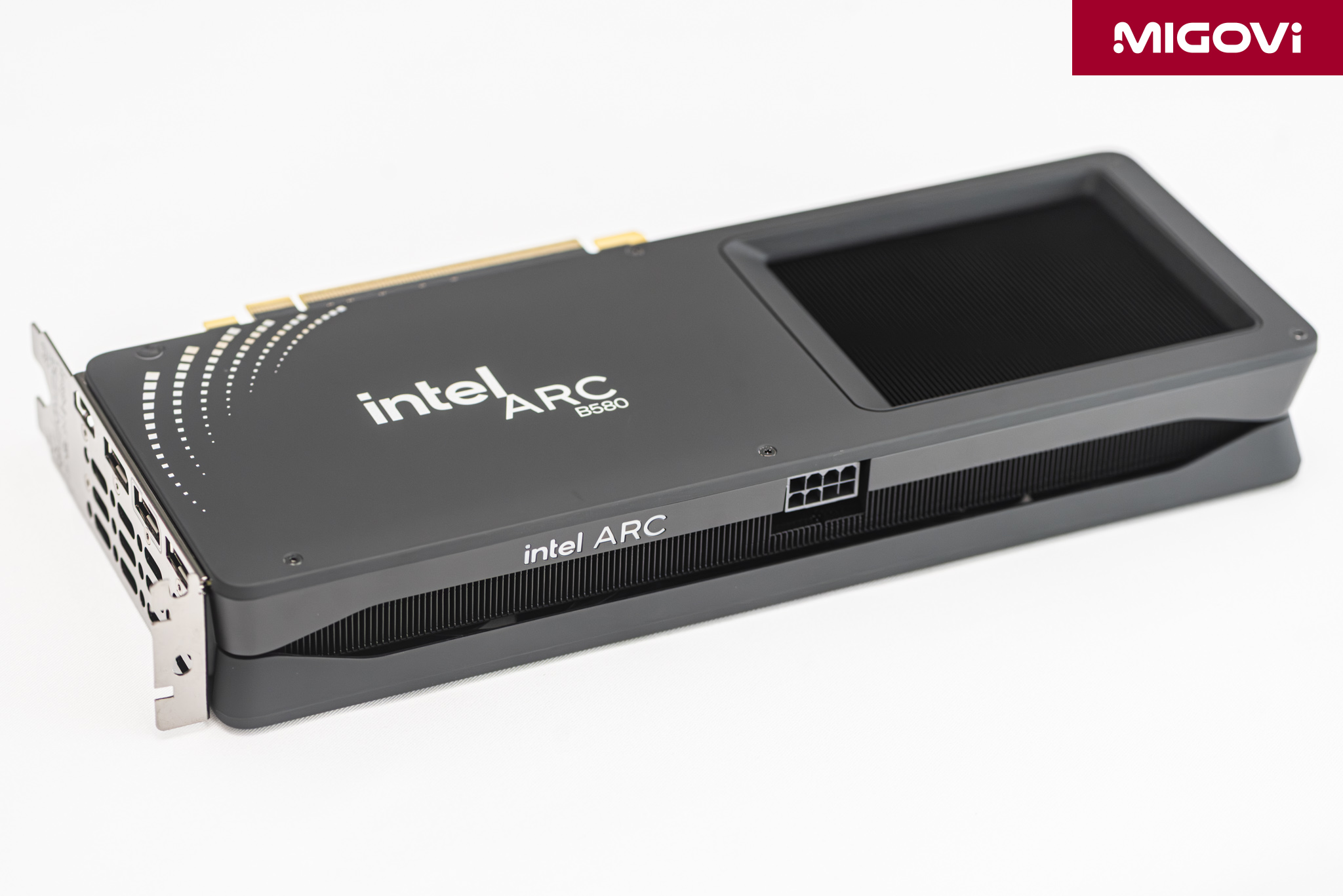
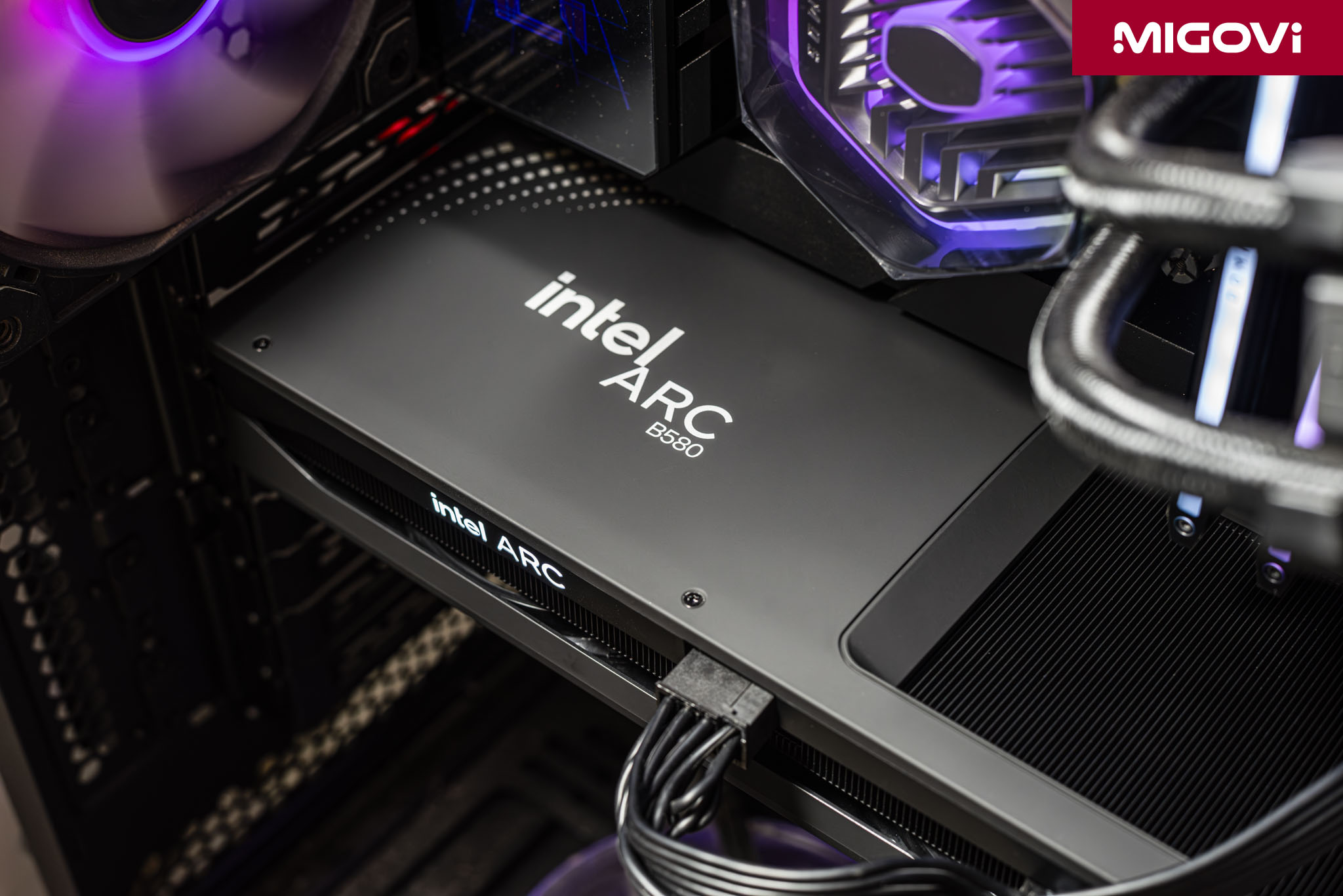
The BMG-G21 GPU on the B580 is configured with 20 Xe Cores, which corresponds to 20 Ray Tracing Units. Inside are 160 Vector Engines and 160 XMX AI Engines dedicated to AI tasks. This configuration is equivalent to 2560 shading units, 160 surface mapping units (TMUs) and 80 raster processing units (ROPs).
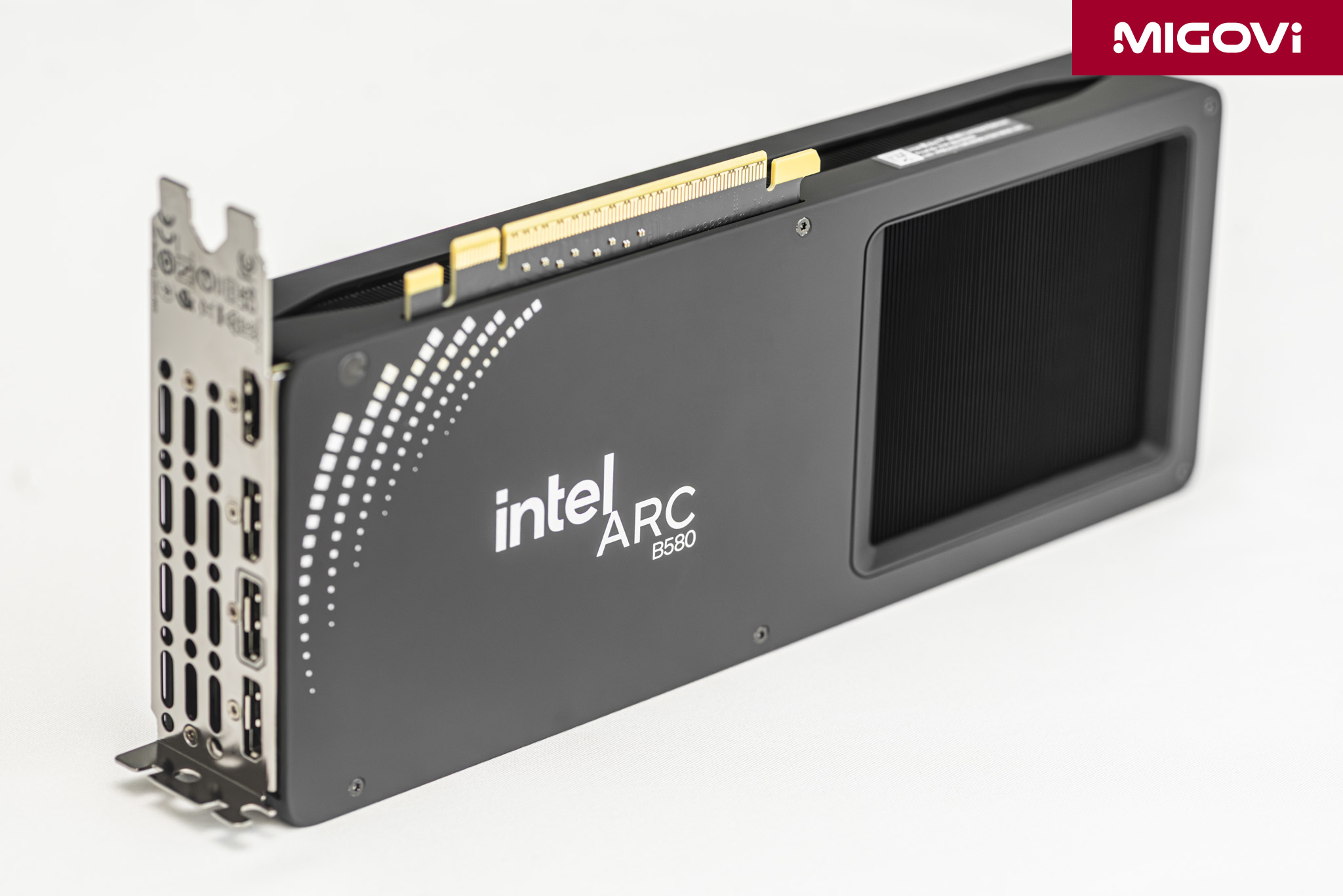
One of the biggest highlights of the Arc B580 is the inclusion of 12 GB of GDDR6 VRAM. This graphics memory operates on a 192-bit wide bus interface and a speed of 19 Gbps, providing a total memory bandwidth of up to 456 GB/s. The game clock of the reference version is 2670 MHz, while overclocked versions from partners (AIBs) can reach 2850 MHz. The card has a total board power (TBP) of 190 W and only requires a single 6+2 pin PCIe power connector.

The Intel Arc B580 Limited Edition uses a PCIe 4.0 x8 connection interface, similar to its competitors in the same segment. In terms of display output, the card is equipped with the latest connection standards, including 3 DisplayPort 2.1 ports and 1 HDMI 2.1a port, ready for high-resolution and high-refresh-rate monitors in the future.

Compared to the previous Intel Arc A750 Limited Edition, the Intel Arc B580 Limited Edition has fewer Xe Cores (20 vs. 28) and shader units (2560 vs. 3584), a smaller die area (272 mm² vs. 406 mm²) and fewer transistors (19.6 billion vs. 21.7 billion). However, the actual gaming performance of the Arc B580 is on average 25% – 30% better than the Arc A750. This is due to improvements at the hardware and architectural levels. Technical maturity allows Intel to create more competitive cards, lower manufacturing costs but better performance and energy efficiency. In addition, the Arc B580 has up to 12 GB of VRAM, 50% more than its competitors in the same segment. This large VRAM capacity will be an advantage when you need to increase the resolution in the game, for example from 1080p to 1440p, as well as meet the needs of games that are heavy on textures.
Intel XeSS 2
Along with the hardware improvements, Intel also made a big step forward in software with XeSS 2. Intel XeSS 2 is a set of three technologies designed to work together, supporting each other: XeSS Super Resolution (XeSS-SR), XeSS Frame Generation (XeSS-FG) and Xe Low Latency (XeLL). Each component has a separate role but is tightly linked together, taking advantage of dedicated hardware units on the B580 GPU to maximize performance and user experience.
XeSS Super Resolution (XeSS-SR)
XeSS 2 officially names the original XeSS technology XeSS Super Resolution (XeSS-SR). This is an AI-based upscaling technology that is responsible for reproducing a high-quality image from a lower-resolution input. It works by using data from neighboring pixels and previous frames that have been motion-compensated. On Arc GPUs like the B580, XeSS-SR is accelerated by dedicated XMX AI Engines, allowing it to use a more advanced and complex AI model to achieve high image quality. The technology also has a fallback mode, using DP4a instructions for compatibility with other GPUs that do not have dedicated AI hardware.
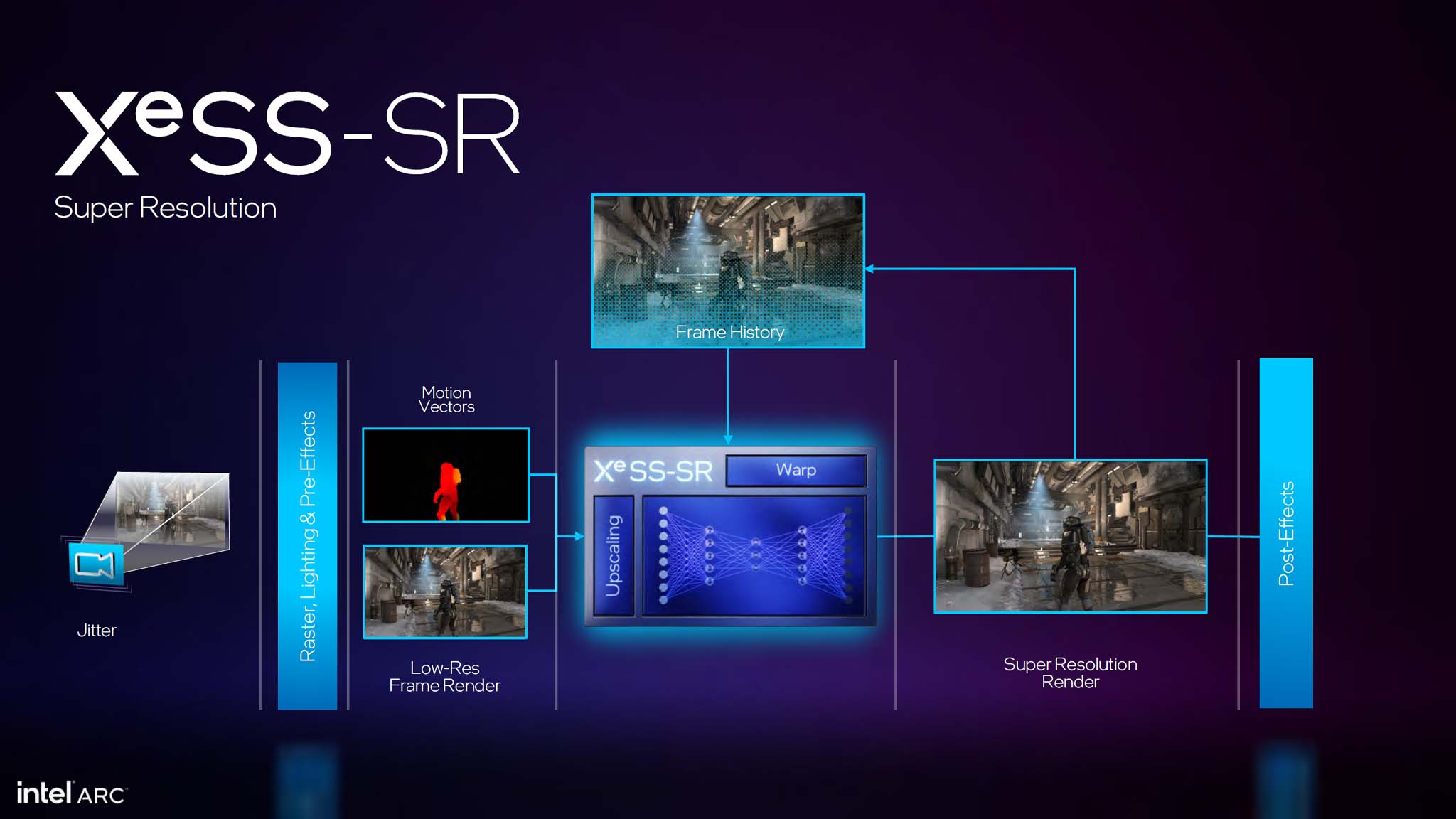
The main goal of XESS-SR is to increase the basic frame rate by reducing the number of pixels that need to be rendered. This reduces the burden on the GPU, leaving it available for more graphically intensive effects like Ray Tracing or for the next step in the pipeline, Frame Generation. Using AI models accelerated by the XMX AI Engine allows for better temporal reconstruction than simple spatial algorithms. The benefit is that it reduces artifacts like shimmering or ghosting. XeSS-SR is essentially the first step: it generates a high-quality, high-speed basic frame stream, which XeSS-FG can use to further improve the smoothness of the image. XeSS-SR provides users with multiple operating modes, from Ultra Quality (low upscale factor, giving near-original image quality) to Ultra Performance (high upscale factor, maximizing performance), allowing users to customize the balance between image quality and frame rate as desired.
XeSS Frame Generation (XeSS-FG)
XeSS Frame Generation (XeSS-FG) is the newest and most groundbreaking technology in the XeSS 2 suite. It is capable of nearly doubling the frame rate by creating and inserting interpolated frames between traditionally rendered frames. This process is quite complex, requiring a variety of input data: motion vectors from the game engine, depth data, data from previous frames and optical flow reprojection. All of this computationally intensive process is accelerated by the XMX AI Engine on the Arc GPU.

XeSS-FG represents the most important workload for the XMX AI Engine in the Battlemage architecture. XESS-FG is implemented using both game engine data (motion vector) and pixel-based analysis (optical flow), aiming to maximize the quality of the interpolated frame. Creating a convincing “in-between” frame is extremely computationally expensive. The AI model needs to understand how objects and the camera are moving (via motion vector and depth), as well as how non-geometric elements like lighting, shadows and effects are changing (via optical flow). This workload is perfectly suited to the matrix computing capabilities of the XMX AI Engine. Without dedicated AI accelerators, performing this task in real-time on standard shader ALUs would be very slow, which is why XESS-FG requires Arc hardware with XMX for maximum efficiency. The quality of the generated frames depends directly on the quality of the input data and the complexity of the AI model. Therefore, the upgraded XMX AI Engine in Battlemage is a very important hardware element, enabling the XESS-FG feature to work.

Like other frame generation technologies, XeSS-FG is not perfect and can produce artifacts, especially around user interface (UI) elements or in scenes with very fast motion. Intel is aware of this issue and has implemented a smart solution: UI elements are rendered and applied to the frame at their original resolution after the frame generation is complete, minimizing blurring or UI distortion.
Low Latency Vehicle (XeLL)
Creating a “virtual” frame increases input latency, as the GPU has to wait for two real frames to generate the middle frame. To address this issue, Intel developed Xe Low Latency (XeLL). XeLL is a technology that must be enabled in conjunction with XeSS-FG. It works by intelligently optimizing and “compressing” the rendering queue. This reduces the time between when a user performs an action (such as a mouse or keyboard click) and when that action is reflected on the screen, effectively compensating for the latency introduced by XESS-FG. XeLL is automatically enabled whenever XESS-FG is enabled. XeLL is also required to counteract the latency increase inherent in frame interpolation. XeLL can also be used as a standalone feature to reduce latency in general gaming scenarios.
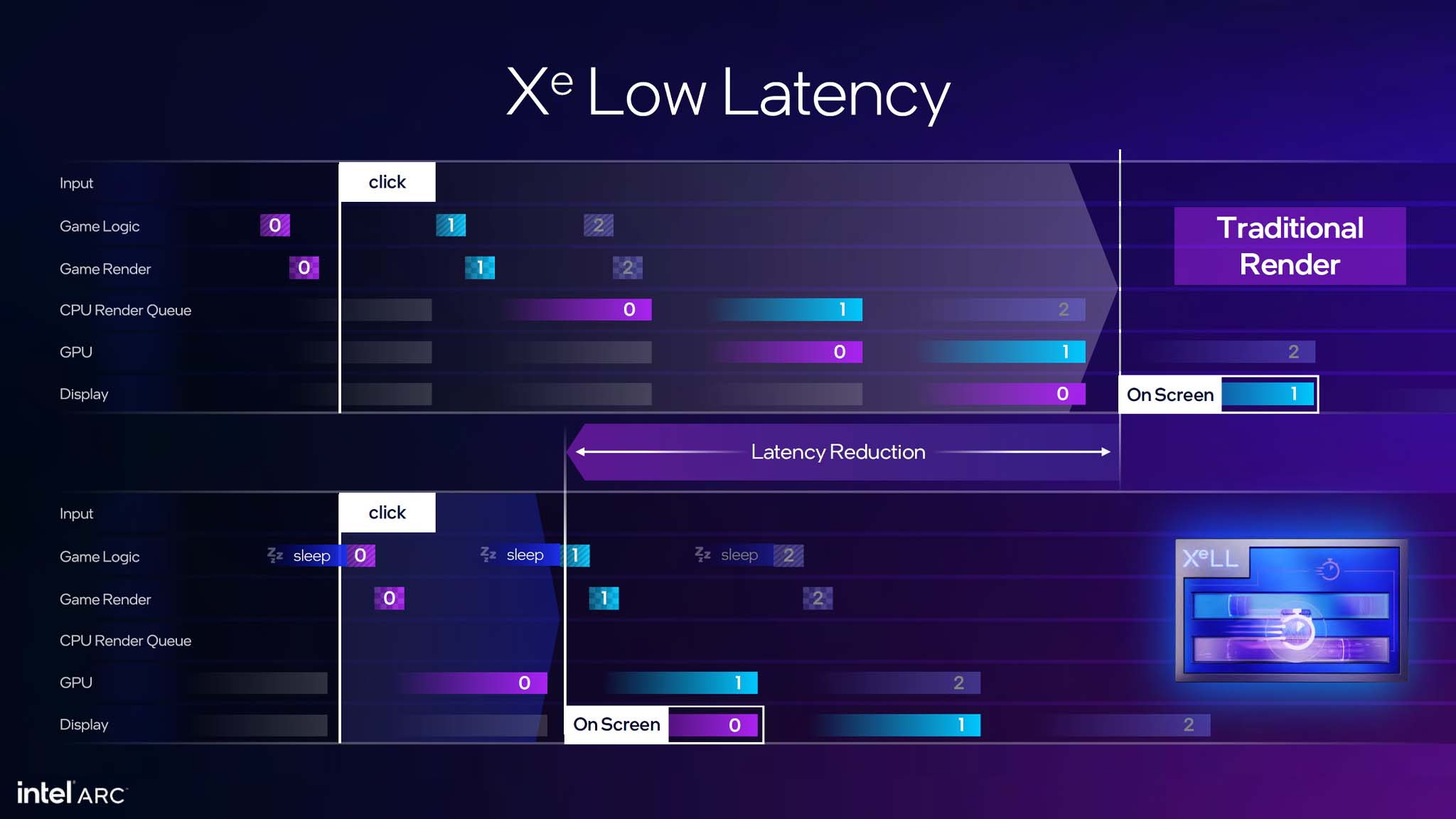
XeLL is the third key piece of the XeSS 2 stack, making Frame Generation viable for real-world gaming by reducing its main drawback – input latency. All frame generation techniques add latency because they have to wait for two “real” frames to be rendered before they can generate and display the interpolated frame in between. A typical rendering pipeline has a queue of frames waiting for the GPU to process. This queue helps ensure a consistent frame rate, but it also increases latency. XeLL essentially tries to empty the rendering queue, synchronizing the CPU and GPU to work on a single frame in a more “just-in-time” fashion. This reduces the time between sampling the input (on the CPU) and displaying the frame. With XeSS-FG enabled, the latency reduction from XeLL directly offsets the latency introduced by interpolation.
Test configuration

- CPU: Intel Core i7-14700K
- Mainboard: ASUS ROG MAXIMUS Z790 DARK HERO
- RAM: CORSAIR DOMINATOR TITANIUM DDR5-6000 32 GB x 2
- Cooler: Cooler Master MasterLiquid 360 ATMOS
- SSD: Kingston FURY Renegade G5 2 TB
- VGA: Intel Arc B580 Limited Edition
- PSU: CORSAIR RM1200x SHIFT
- Case: Lian Li O11 DYNAMIC EVO XL Black
- OS: Windows 11 24H2
Intel Arc B580, XeSS 2 and gaming
Lost Soul Aside

Lost Soul Aside is a fast-paced action role-playing game (ARPG) developed by Ultizero Games, using Unreal Engine 4. Lost Soul Aside was released on August 29, 2025 by Sony Interactive Entertainment, players will play as Kazer - a boy who accidentally merged with a mysterious creature named Arena. Kazer's goal is to find and rescue the soul of his sister Louisa, as well as all of humanity from the dark force Voidrax. Lost Soul Aside is inspired by famous games such as Final Fantasy and Devil May Cry, bringing eye-catching combat and an engaging storyline.
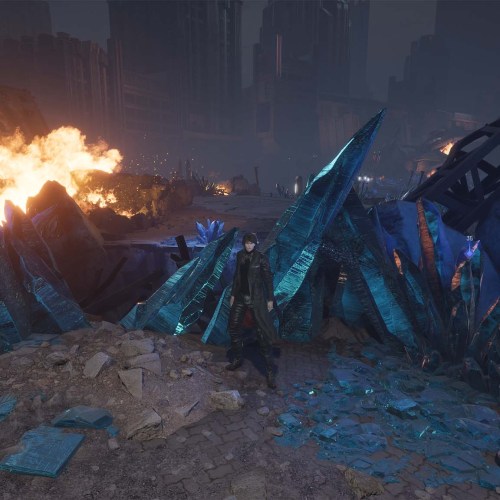
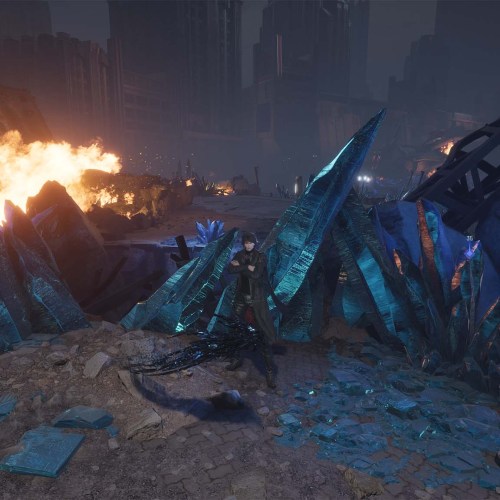
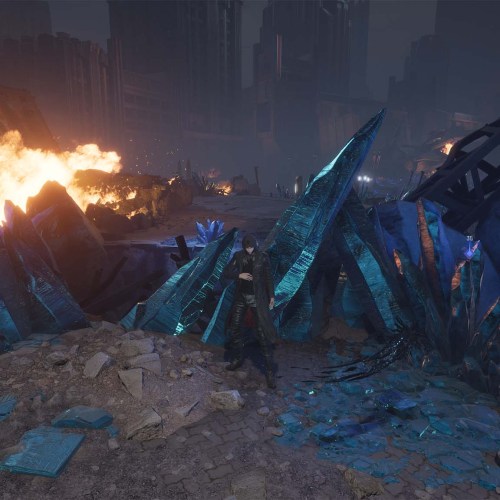
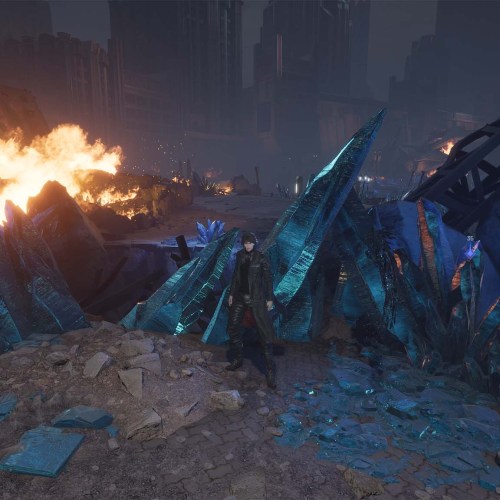
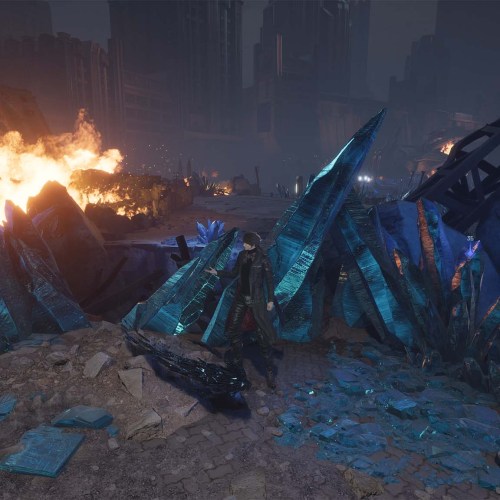
Lost Soul Aside runs quite well with an Intel Arc B580 at 4K UHD (3840 x 2160) Borderless resolution, Epic quality settings, Intel XeSS (Balanced) and Frame Generation enabled but Ray Tracing disabled. With these options, Lost Soul Aside runs at 70 fps to 100 fps, even in detailed scenes or combat. At the time of testing when the game was just released and had no patches, it seemed that the Performance option of Intel XeSS was buggy, causing it to run at a lower frame rate than the Balanced option.

Frame Generation or XeSS-FG is a feature that Migovi recommends enabling if you want a smoother gaming experience. Gone are the days when Frame Generation was active and input lag could potentially affect the gaming experience, now with XeLL, the lag will be equal and sometimes even lower. Frame Generation increases the frame rate by about 30% - 45%, the image quality is almost indistinguishable to the naked eye.
Hell Is Us

Hell is Us is a third-person action-adventure game developed by Rogue Factor on Unreal Engine 5, which was just released on September 4, 2025 by Nacon. Hell is Us is set in a country devastated by civil war and a mysterious disaster that spawned supernatural creatures. Players will play as Rémi - a soldier who begins a journey to explore his past and learn about the origins of these creatures. The special feature of the game is that there is no map, compass or mission markers, forcing players to rely on instinct and observe the environment to explore the semi-open world full of enemies.
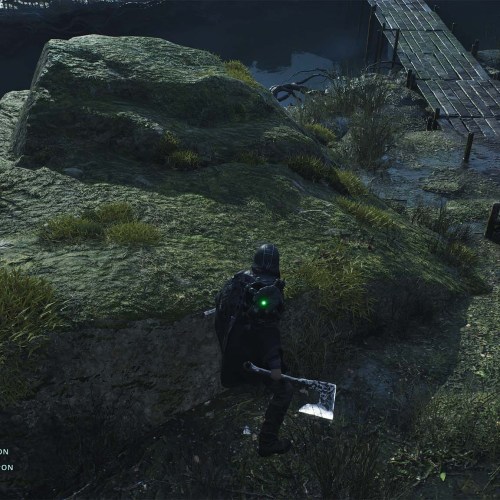
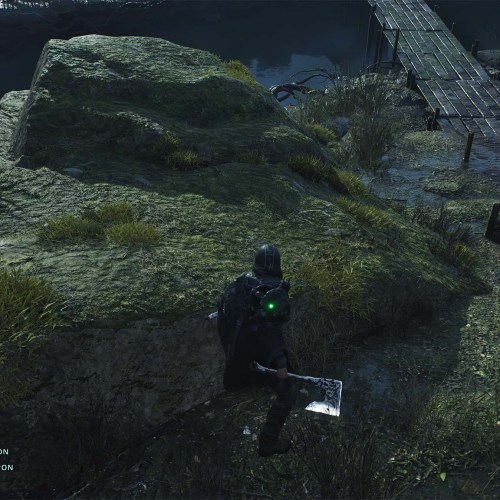
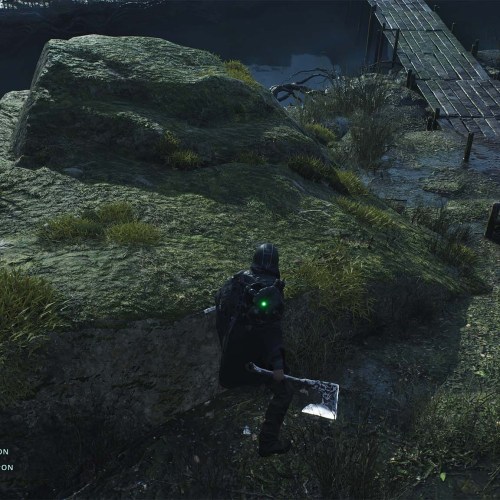
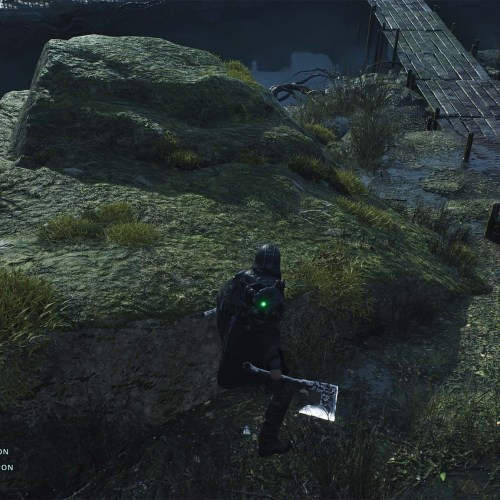
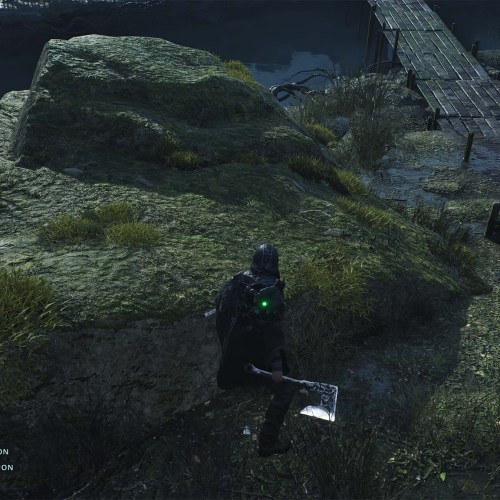
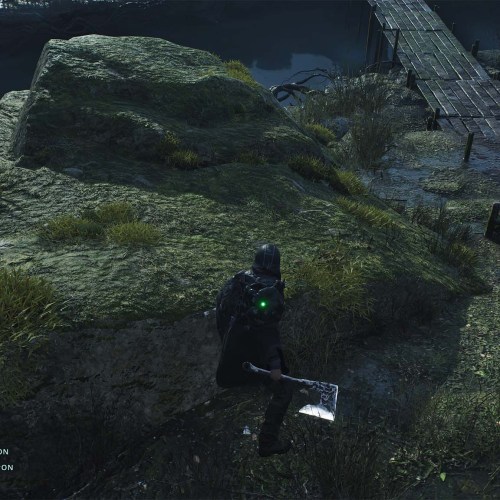
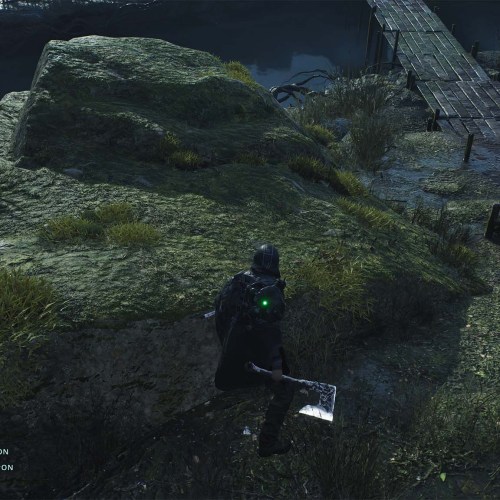
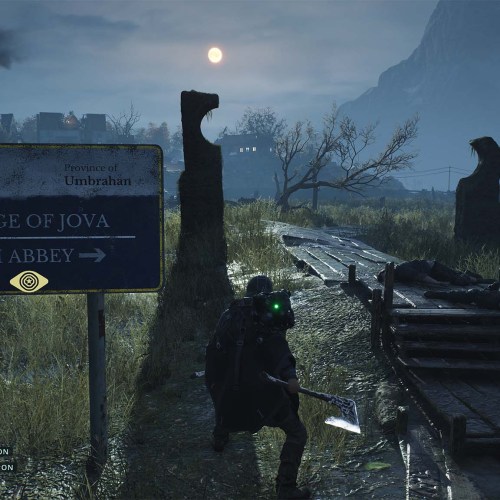
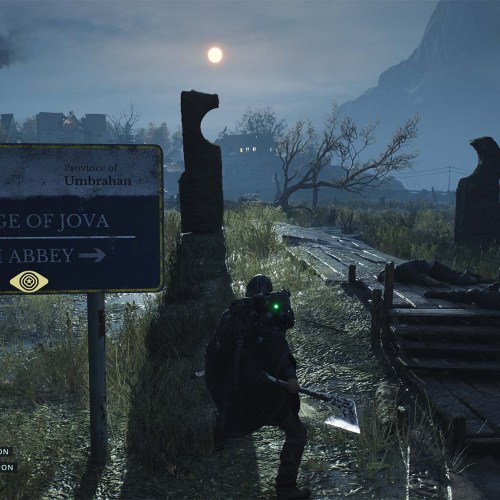

In Hell is Us, set the image quality to High, 4K UHD resolution (3840 x 2160) Borderless, if you enable Intel XeSS in the Native Anti-Aliasing option, the game gives a frame rate of about 31 fps. Switch to Ultra Quality Plus for 44 fps, Ultra Quality for 52 fps, Quality for 59 fps, Balanced for 69 fps, Performance for 76 fps and Ultra Performance for 88 fps. The image quality and environment at High is acceptable, enough for you to feel the hostile space and be careful with every step. Note that Hell is Us is designed to run well and smoothly at 30 fps, so you can completely increase the image quality to Very High, combined with Intel XeSS quality Balanced, Performance or Ultra Performance to enjoy. Hell is Us does not support Intel XeSS Frame Generation.
Clair Obscur: Expedition 33
Clair Obscur: Expedition 33 is a turn-based RPG with real-time elements, developed on Unreal Engine 5 by Sandfall Interactive. The game was officially released on April 24, 2025 by Kepler Interactive. Clair Obscur: Expedition 33 is set in a fantasy world where a mysterious entity called “Paintress” wakes up every year and draws a number on the Monolith. After the Gommage event, all people of that age and above will disappear. Players will lead Expedition 33 - a group of explorers on a final mission to stop Paintress before she draws the number “33”. The game has a unique graphic style, inspired by the French Belle Époque period.
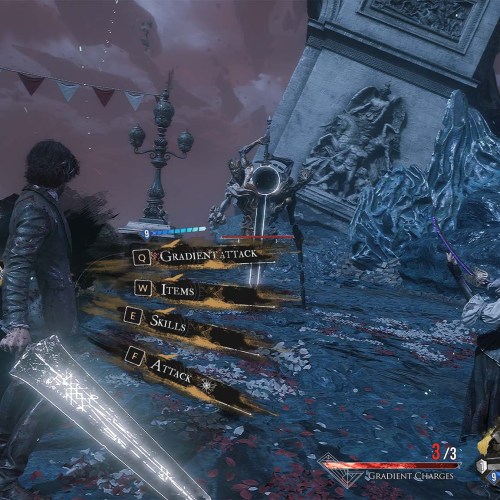
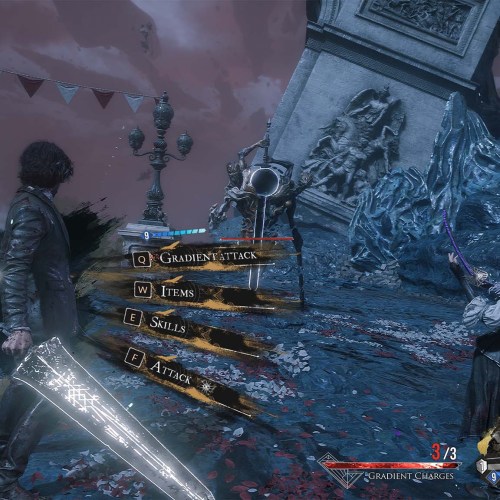
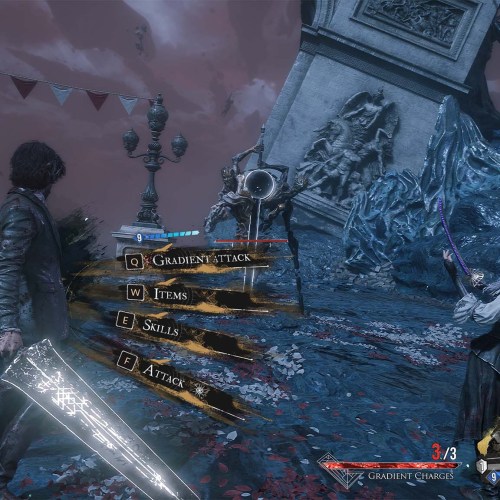

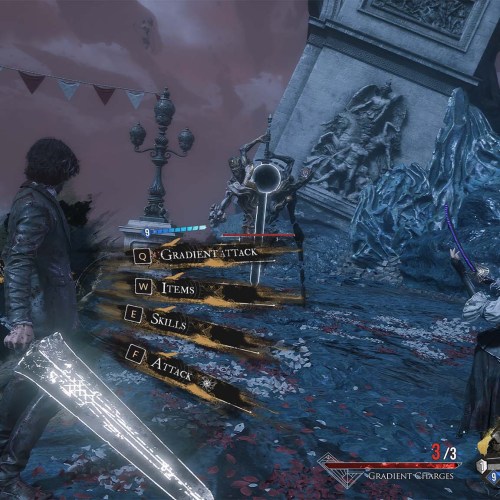

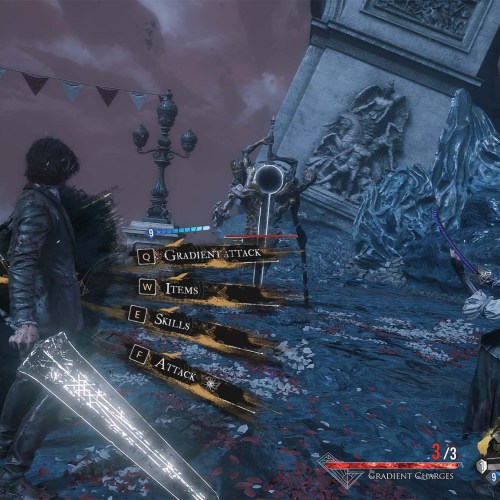

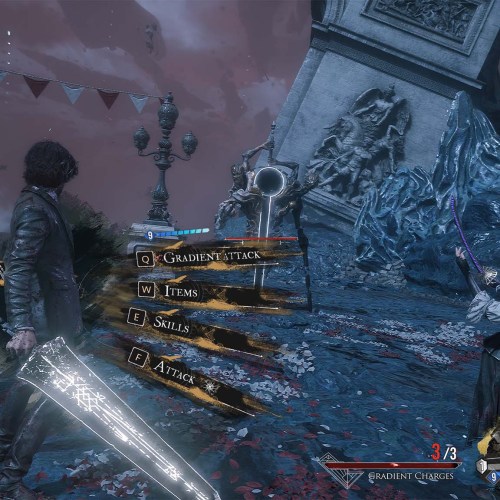
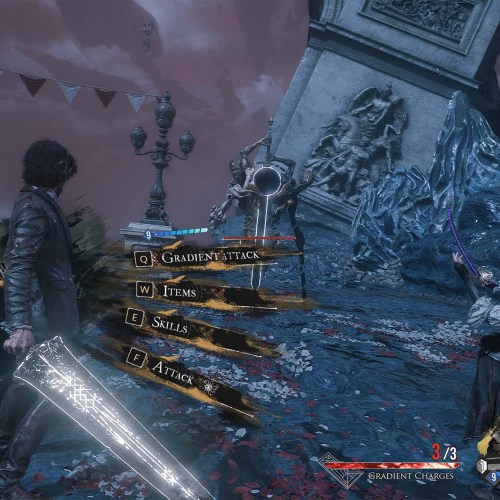
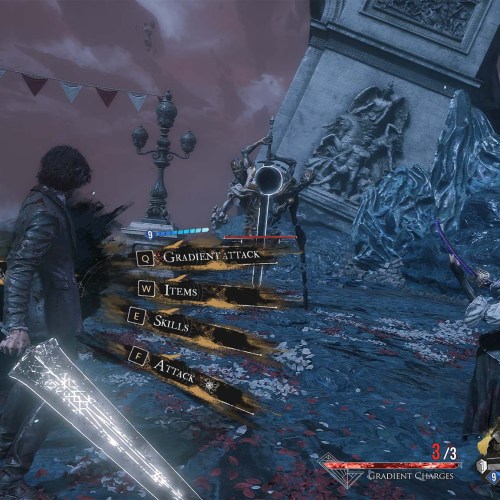

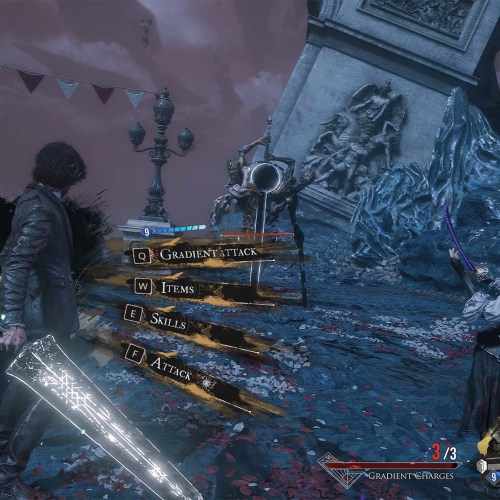
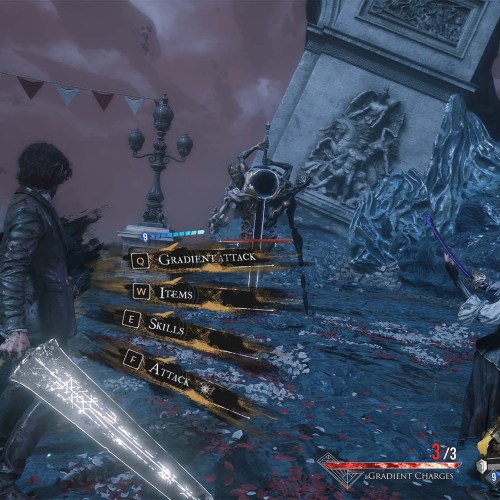
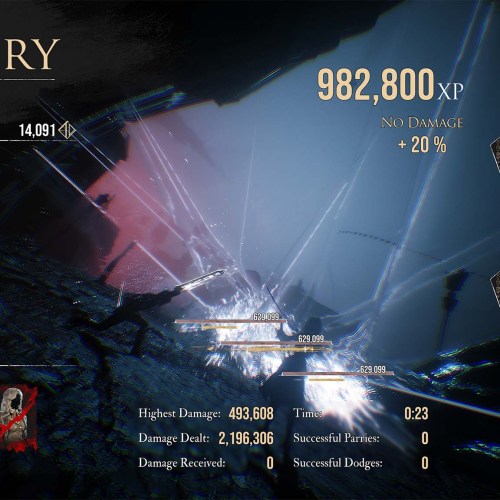
Setting the Medium preset for Clair Obscur: Expedition 33, 4K UHD (3840 x 2160) Borderless Windowed, Intel XeSS enabled in Anti-Aliasing mode, the game runs at 25 fps. Switching to Ultra Quality Plus, the frame rate is 34 fps, corresponding to Ultra Quality is 38 fps, Quality is 43 fps, Balanced is 47 fps, Performance is 50 fps and Ultra Performance is 55 fps. The above frame rate numbers are not enough to hit the 60 fps mark to fully enjoy Clair Obscur: Expedition 33. Now is the right time for XeSS-FG to shine.
With XeSS Frame Generation and Xe Low Latency engaged, the respective frame rate results were as follows: Anti-Aliasing was 44 fps (76% improvement), Ultra Quality Plus was 58 fps (71% improvement), Ultra Quality was 65 fps (71% improvement), Quality was 71 fps (65% improvement), Balanced was 78 fps (66% improvement), Performance was 83 fps (66% improvement) and Ultra Performance was 90 fps (64% improvement). To get the most out of your card at the highest settings, you can choose Epic, Intel XeSS at Balanced, Performance, or Ultra Performance for frame rates ranging from 65 fps to over 80 fps.
Conclude
In addition to the hardware platform, one of the factors that determines the long-term success of Intel Arc is software. From Alchemist to Battlemage, Intel has shown remarkable progress in terms of drivers, becoming more stable and competitive right from the launch. In addition to stabilizing performance on modern APIs (DirectX 12), Intel has also been very active in improving performance on older APIs such as DirectX 9 and DirectX 11, supporting a huge number of games that have existed since then. The Intel Arc B580 offers excellent 1440p gaming performance at a price of $249. The success of Battlemage lies in a balanced ecosystem where hardware and software complement each other. The more efficient Xe² architecture delivers strong raw performance, then the XeSS 2 technology stack further multiplies to achieve frame rates that are simply unattainable with hardware alone at this price point.

With the Arc B580, Intel has proven that it is not just playing around in the dGPU market. Intel has created a truly competitive product that will force NVIDIA and AMD to reconsider their pricing and configuration strategies. If Intel can continue to address the issues with software, drivers, power optimization and continue to provide high-value products, it is fully capable of becoming a fair “third force” in the GPU market. When this becomes a reality, the discrete graphics market will have the necessary competition, from which users will have more choices of GPUs that are better and more valuable.
NVIDIA has a stronghold with its CUDA ecosystem, DLSS technology suite and relationships with most major game studios. AMD’s advantage lies in the console market, from which many games are optimized for the RDNA architecture. Facing two major GPU rivals, Intel is working hard to build its own ecosystem such as XeSS, AV1 encoding and the Intel AI Playground platform. The future of Arc will be decided by whether Intel can turn XeSS into an open standard that can compete with FSR. Besides, can Intel convince developers to optimize for the Xe architecture from the beginning, instead of just treating it as a secondary “port” job? Intel’s real battle is not only in the labs and semiconductor designs, but also in game studios around the world.