
AMD FSR Redstone - Ray Regeneration review with Call of Duty: Black Ops 7
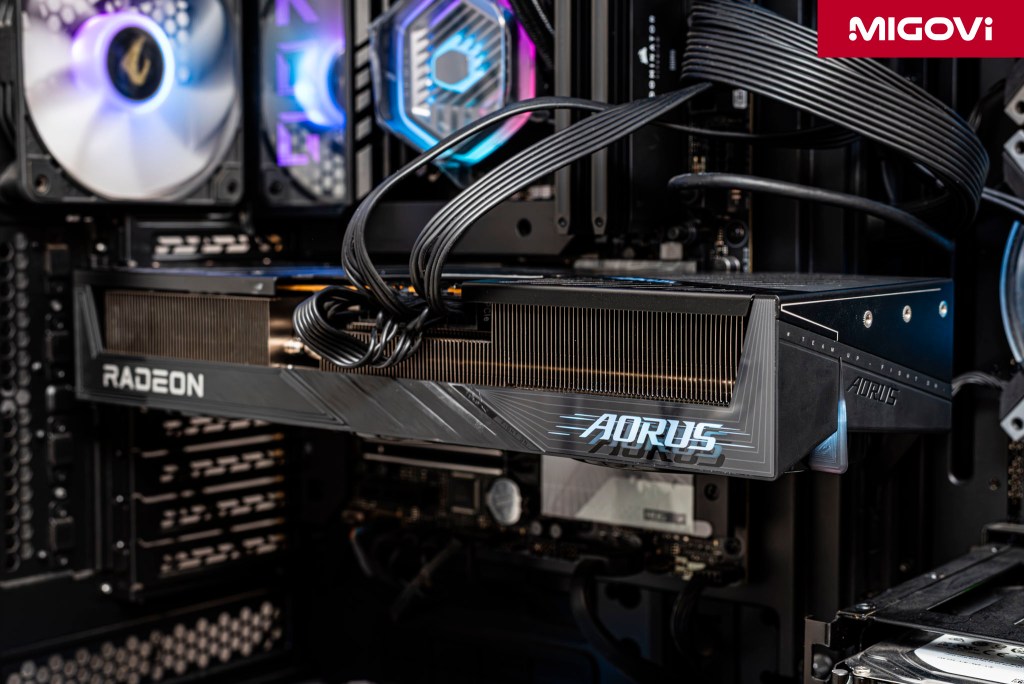
Call of Duty: Black Ops 7 is out, pioneering the Ray Regeneration feature of the AMD FSR Redstone set.
AMD's FSR Redstone toolkit, especially the Ray Regeneration feature, is an effort to redefine the graphics rendering process, moving from traditional denoising algorithms to artificial neural network models. This article will analyze the Ray Regeneration feature with the newly released game Call of Duty: Black Ops 7, test the performance with the GIGABYTE AORUS Radeon RX 9070 XT ELITE 16G graphics card and finally comment on the future of AMD FSR Redstone.
Article content
Call of Duty: Black Ops 7

Activision's Call of Duty (CoD) series has gone from a shooter to a cultural phenomenon. The development path has not been smooth and has encountered many fluctuations in recent years, typically Modern Warfare 3 (2023) and Black Ops 6 (2024), making the launch of Black Ops 7 a huge pressure, weighing heavily on Treyarch. From a 3-year rotation model between studios including Infinity Ward, Treyarch and Sledgehammer, CoD switched to releasing major updates continuously every year. This created saturation in the gaming community as well as fatigue from the development team itself.
Just 1 year after its predecessor, Black Ops 7 broke the tradition of long-term development. CoD BO7 plays a role in keeping gamers in the ever-expanding Warzone ecosystem. Besides, BO7 also has to have enough innovation to convince players to open their wallets at the price of 70 USD.
As one of the biggest entertainment brands in the world, Call of Duty has always been an important showcase for new technologies. Black Ops 7's choice to integrate AMD FSR Redstone right from its launch, instead of relying solely on DLSS like many other titles, shows the close strategic partnership between Activision and AMD. From a graphics technical perspective, BO7 will be the first real "laboratory" to test the effectiveness of Ray Regeneration in a very harsh Multiplayer environment.
Campaign switched to Open Combat

If you are a loyal gamer of the Black Ops Series or studio Treyarch, you will surely remember the emotions when you first faced the classic "plot twists" in BO1 and BO2. However, in BO7, Treyarch seems to have lost itself, no longer able to tell complex stories or "unexpected" plot twists. Instead of maintaining the typical cinematic linear structure of the Black Ops Series, BO7 switched to Warzone-izing the single-player, shown by putting players in open maps (Open Combat Mission) in Avalon.
Perhaps from Treyarch's perspective, the open map would bring tactical freedom, allowing gamers to experience BO7 in a new way. However, in reality, the Open Combat Missions feel disjointed, lacking tight artistic direction. The open map gameplay is like a simple shooting range, losing the fast pace and the drama of the plot is overwhelmed by too much freedom.

The script of Black Ops 7 has a rather poor handling of legacy characters and climaxes. Characters like Woods, Mason or Adler lack the ability to develop, seemingly just to please fans. Boss fights lack authenticity and are fictionalized to the point of absurdity. For example, when confronting Raul Menedez's illusion, gamers have to face giant machetes falling from the sky. This kind of fictional exaggeration should not appear in a game series like Black Ops.
Multiplayer is the highlight
While the Campaign was largely a failure, the Multiplayer mode was the highlight of Call of Duty: Black Ops 7. Here, Treyarch took a bold step to change the core movement mechanics, creating a completely new gameplay and control experience.
Omnimovement mechanism

This year’s BO7 gameplay design carries the key word Omnimovement. Previously, movement in first-person shooters (FPS) was usually limited to the vertical axis: players could only sprint forward. With Omnimovement, Treyarch allows players to sprint, slide and dive in any direction – sideways, backward, or diagonally. This mechanic completely changes the way players approach corners and fights. It creates more unpredictable movement trajectories, raising the game’s skill ceiling.

Black Ops 7 adds the Wall Bounce mechanic. This mechanic allows players to take advantage of the environment to create unexpected moves, while still not completely breaking the strategy of the game. Characters also have the ability to instantly change direction, creating cheesy moving situations. Taking advantage of this will make it harder for opponents to track targets (tracking).
Map design, weapon balance
The map system in BO7 is quite good, returning to Treyarch's traditional 3-lane design, but tweaked to take full advantage of Omnimovement. The open areas are reduced, replaced by edges and surfaces that allow for Wall Bounce.

In terms of weapon balance, Treyarch has done a great job balancing, with hardly any useless guns (except you). When weapon balance is done too well, two things go hand in hand. First, good balance solves the problem of playing in a meta where only 1-2 guns dominate. Second, when every gun is good, the incentive for players to grind to unlock new weapons is reduced, because the feeling of rewards is no longer clearly different.
Skill-Based Matchmaking (SBMM)

The Call of Duty series' skill-based matchmaking system has been a source of criticism for many years. SBMM is too strict, making it quite frustrating for players who just want to have fun and every match is extremely tense. For Black Ops 7, Treyarch loosened SBMM, allowing options in some modes. This is probably the best solution to balance the hardcore and casual players.
AMD FSR Redstone
From Rasterization to Neural Rendering
The computer graphics industry is undergoing an unprecedented revolution. If the last decade focused on increasing the number of transistors to boost geometry calculations and shading, the period 2024-2026 is the period of domination by artificial intelligence (AI) algorithms. The concept of “Native Resolution” is gradually becoming obsolete, giving way to intelligent image reconstruction techniques. NVIDIA pioneered with DLSS, now AMD responds with the Redstone ecosystem. The shift from rasterization to neural rendering is not just about increasing frames per second (fps), but about redefining how a frame is created: from mathematically precise calculation to statistical prediction based on learned data.
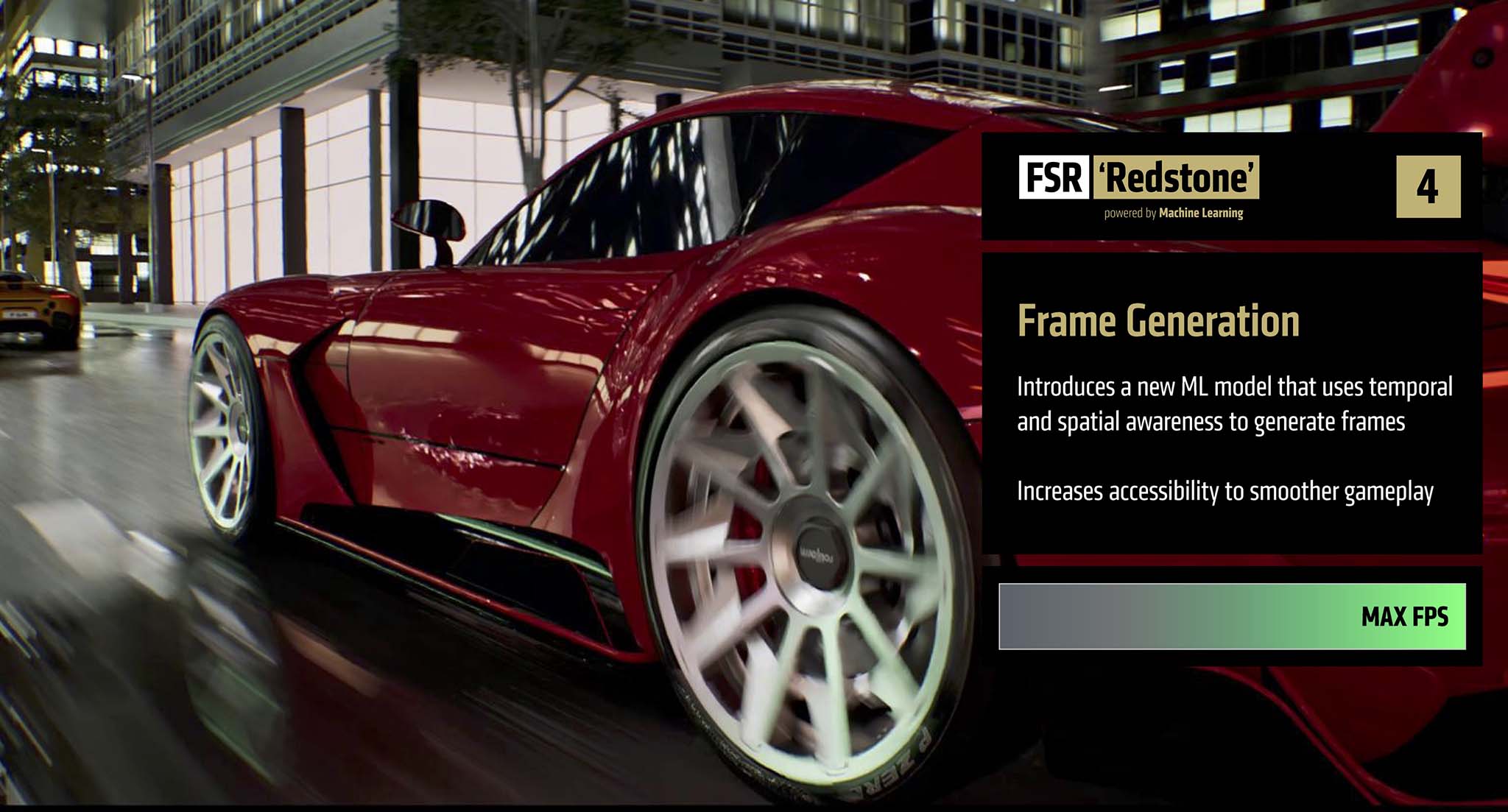
AMD FSR Redstone is not a single feature but a platform, consisting of four main components, designed to harness the power of AI cores in the RDNA 4 architecture:
- FSR Upscaling (FSR 4): Upgrading image resolution based on ML (Convolutional Neural Network), replacing the old Lanczos/FSR 2 algorithm.
- FSR Frame Generation : Creates simulated frames using AI (replacing the old Optical Flow algorithm). By using AI to interpolate frames, FSR Frame Generation helps reduce artifacts in user interface (UI) details and fast motion.
- FSR Ray Regeneration : Ray Tracing Denoising using Neural Network.
- FSR Radiance Caching : AI-based Global Illumination Prediction, this is the most groundbreaking technology. Instead of recalculating indirect lighting for each frame, Radiance Caching uses AI to “remember” and predict how light interacts in the 3D scene. This significantly reduces the number of rays that need to be fired, increasing Path Tracing performance many times over.
Ray Regeneration
Ray Regeneration, which debuted early in Call of Duty: Black Ops 7, is a significant contributor to the undersampling problem of real-time ray tracing. In real-time ray tracing, the GPU can’t fire millions of rays for each pixel (as in offline movie rendering) due to performance limitations. Instead, the GPU fires a very small number (like 1 ray per pixel or less). The result is a noisy image. Traditional denoisers use temporal accumulation and spatial blur to fill in the gaps. The downside is that this method loses high-frequency details, causing blur and ghosting when objects move.
AMD’s neural solution is Ray Regeneration, which uses a Deep Neural Network. Instead of simply blurring neighboring pixels, the neural network is trained on millions of pairs of images (noisy images and high-quality original images) to “learn” how light interacts with objects (offline rendering with a huge number of rays). When faced with insufficient ray tracing data, the neural network infers the missing details (from raw ray data, motion vectors, depth information (Z-buffer) and normal maps), recreating a sharper and more stable image. The neural network doesn’t just “blur” noise, it “understands” the structure of objects and light. It reconstructs the missing details, distinguishing between random grainy noise and real texture.
In Black Ops 7, Ray Regeneration operates independently from the Upscaling engine. This is different from NVIDIA’s Ray Reconstruction solution (which is integrated into the DLSS pipeline). This separation allows Ray Regeneration to work with any input resolution and any upscaler (even native rendering), but also introduces some image quality limitations.
Deployment in Black Ops 7

In Black Ops 7, the implementation of Ray Regeneration shows that AMD FSR Redstone is not yet fully finished. Only Ray Regeneration is unlocked, while the full FSR Redstone engine will not be available until later this year. Ray Regeneration only works in Multiplayer and Zombies, not in the Campaign. This decision is quite strange and goes against common logic, as the Campaign is usually where the best graphics are shown.
In practice, Ray Regeneration has little impact on the overall performance of the game (little frame rate drop). This shows that the efficiency of the AI cores in the RDNA 4 architecture is very high, or the workload of Ray Regeneration is currently quite light. The reason is that in BO7, Ray Regeneration is currently only applied to reflections.
COD BO7 and Ray Regeneration
Image quality
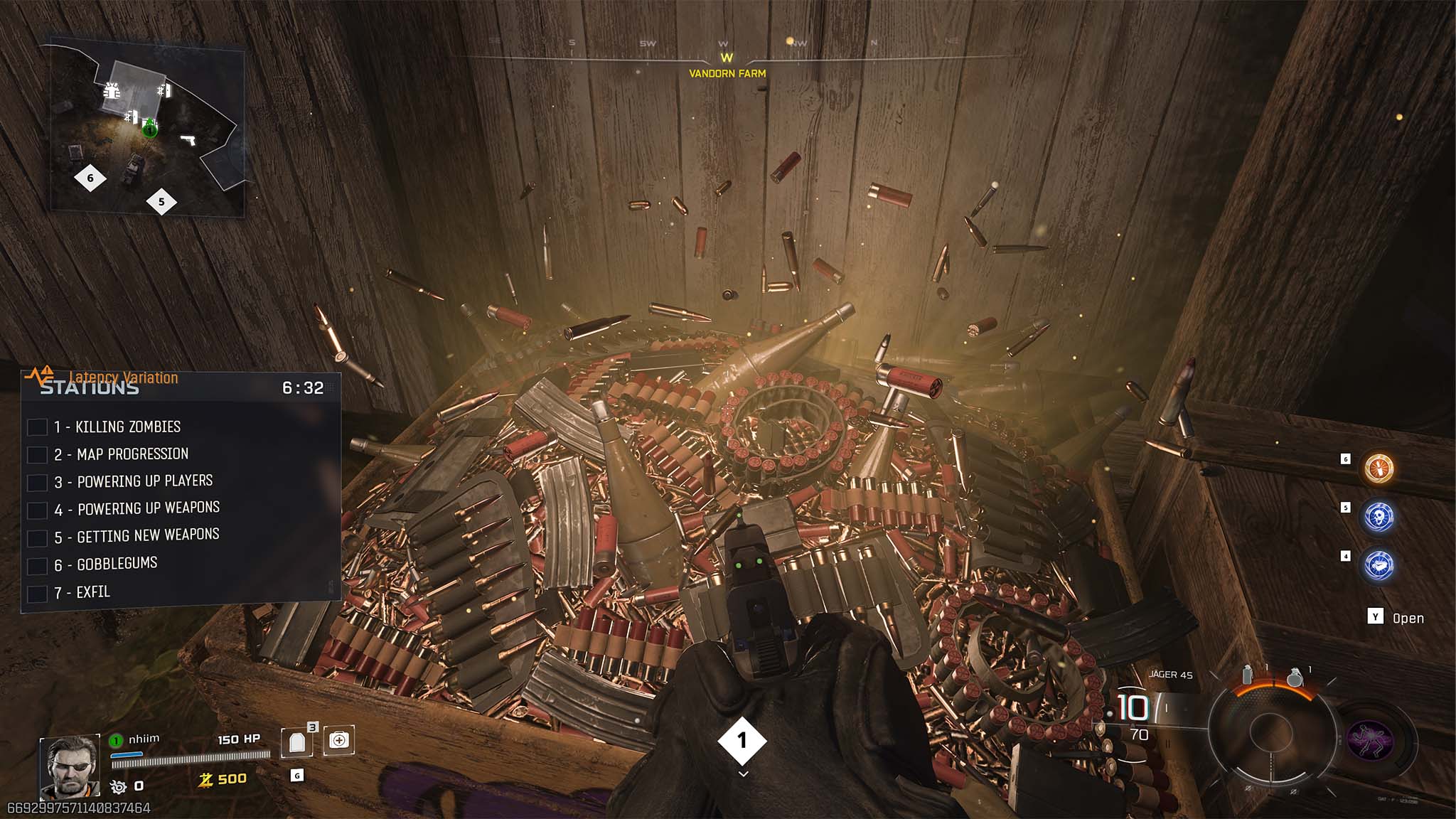
Call of Duty: Black Ops 7 is the first test for FSR Redstone in a real-world environment, especially the Multiplayer mode, which is more difficult than the regular Campaign. For reflections, Ray Regeneration shows excellent motion handling. When the character moves quickly or there are moving objects in the mirror, AMD's technology is less prone to ghosting than NVIDIA's solution. This shows that AMD's neural network has very high temporal awareness. However, the resolution of the reflection image is significantly lower than the Native level (Sub-native resolution). Due to not being deeply integrated with the Upscaling process, the reflection image looks quite jagged and lacks sharpness.
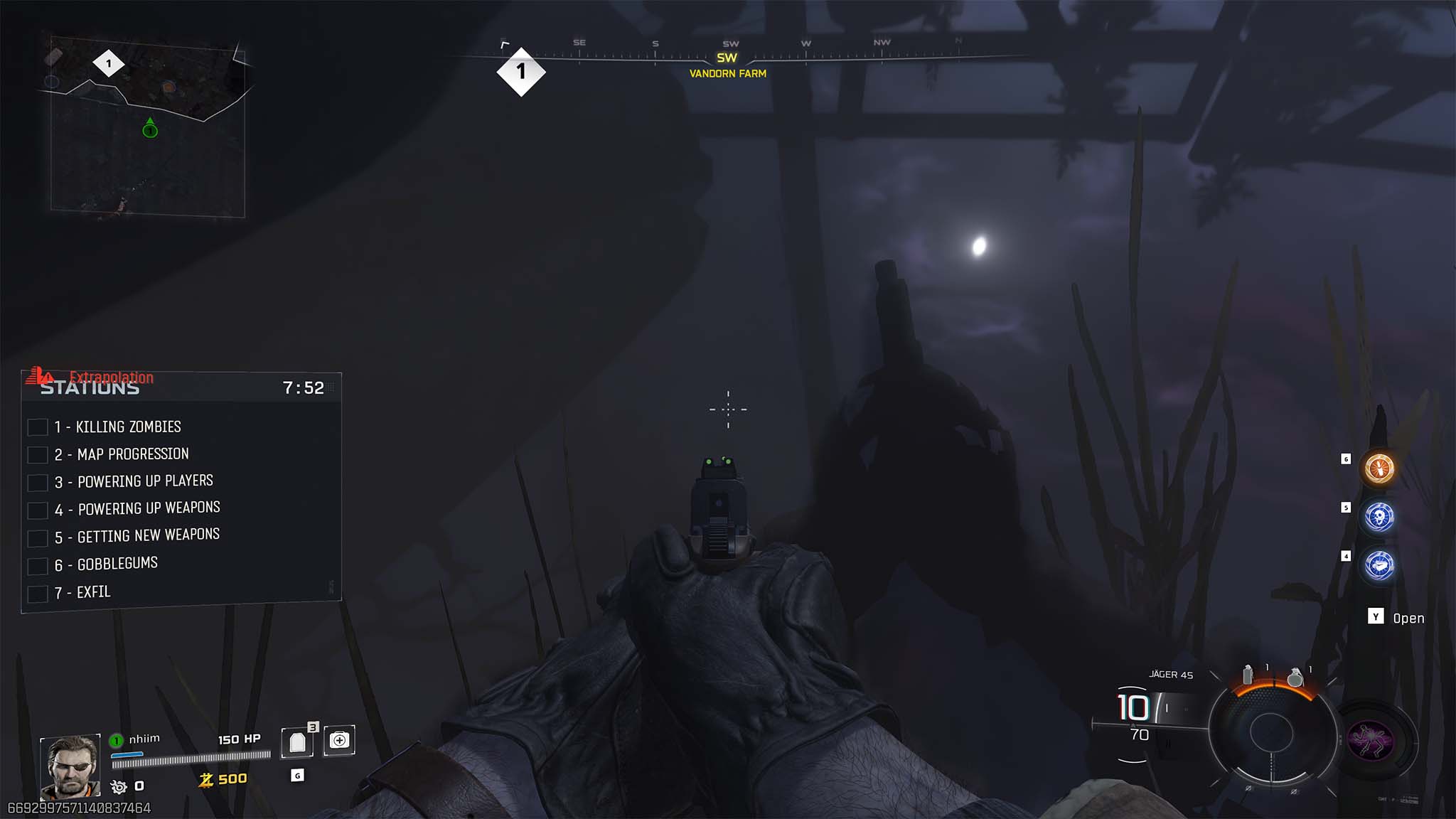
In optical physics, a reflection is sharp at the point of contact and fades away as it moves away. Current Ray Regeneration does not replicate this effect well, applying the same blur across the entire reflective surface, reducing the 3D realism of the game scene. Additionally, when an object that obscures the reflection moves away, Ray Regeneration sometimes retains the old image for a few frames longer, creating a slight delay in updating the new light information.
Performance with RX 9070 XT
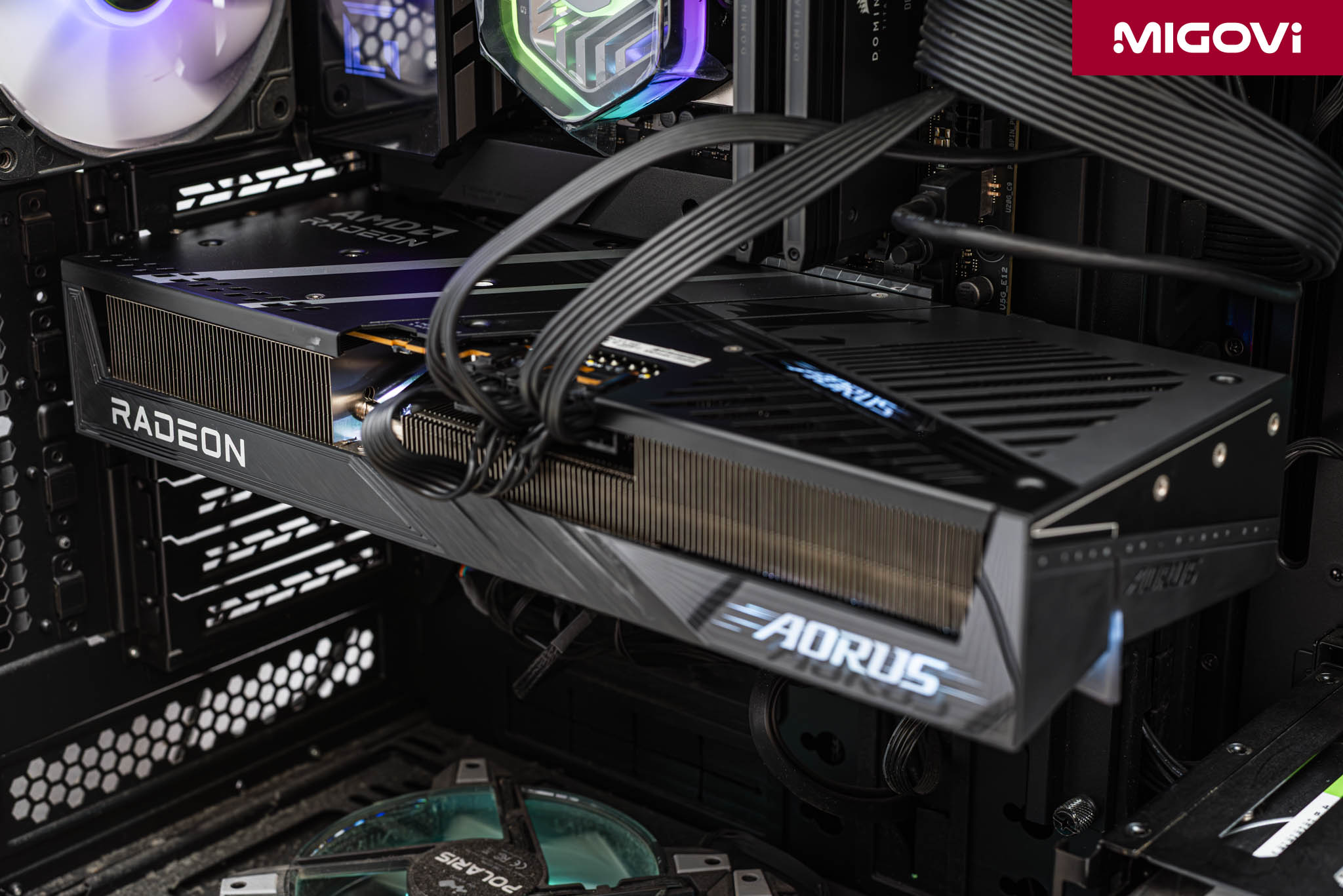
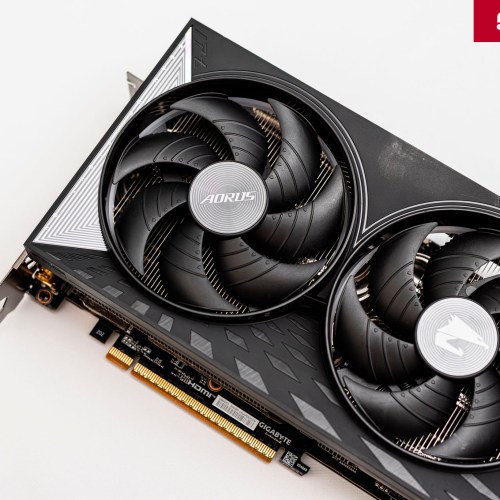
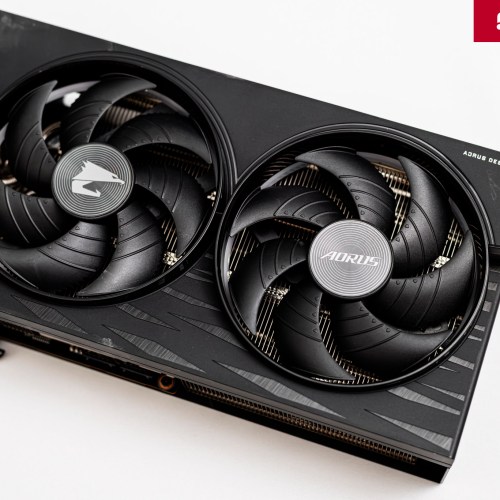
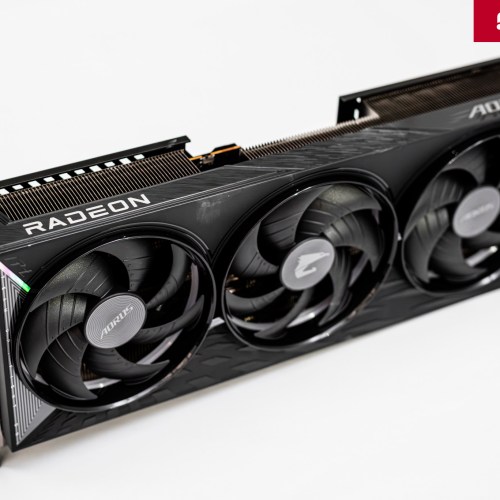
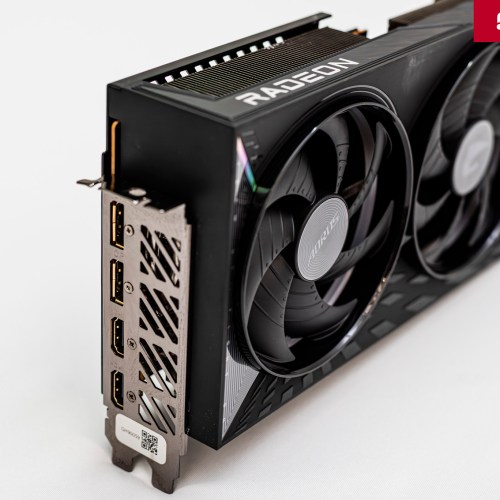
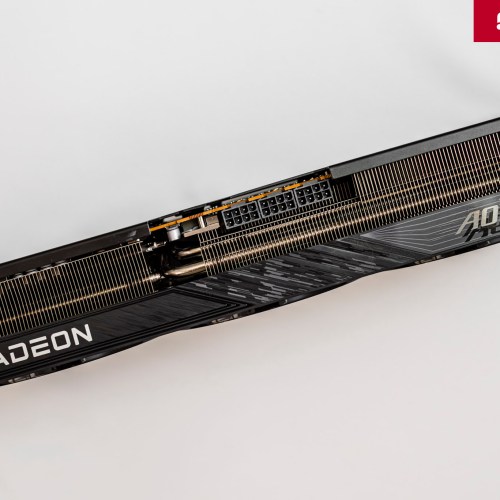
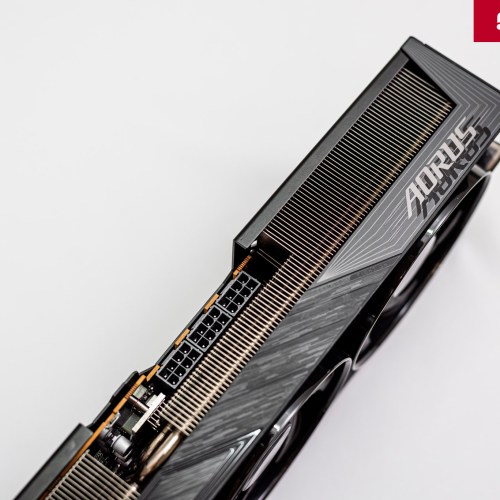
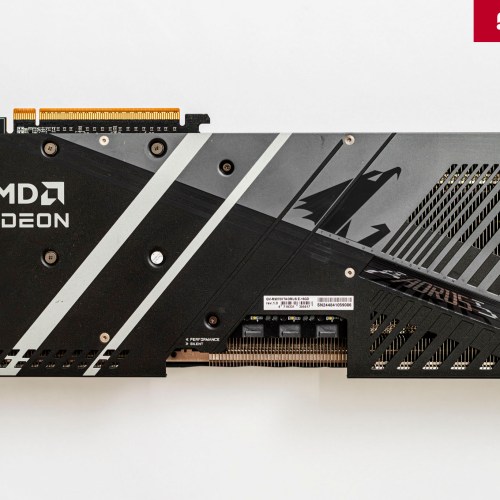
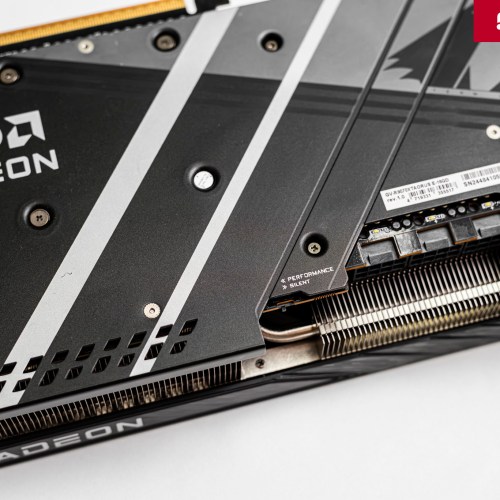
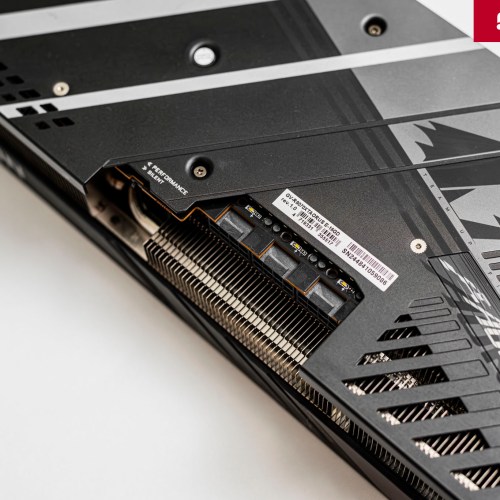
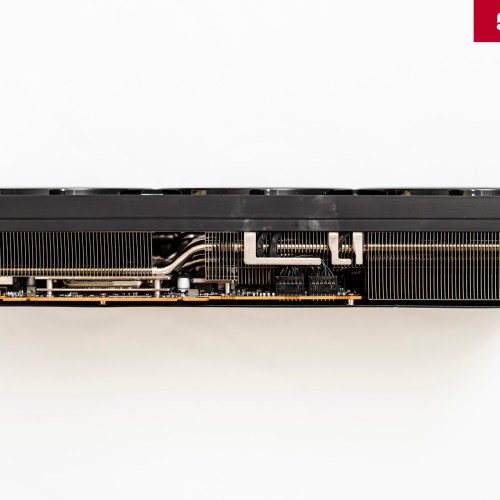
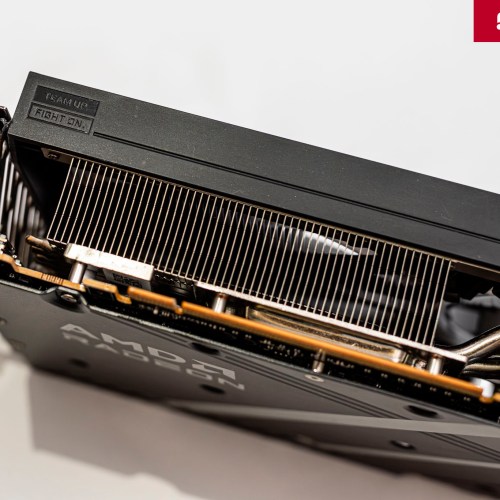
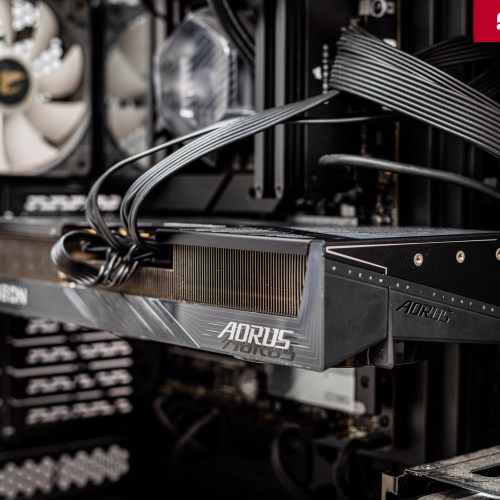
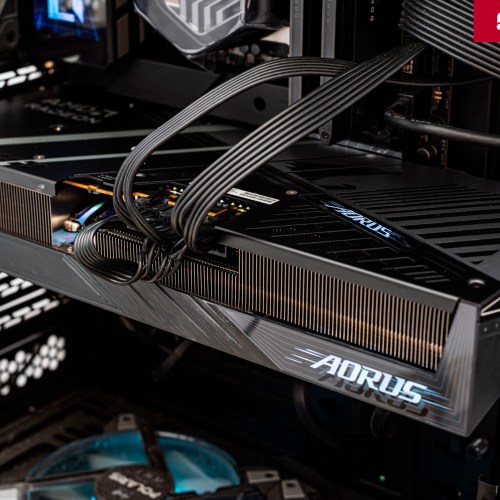
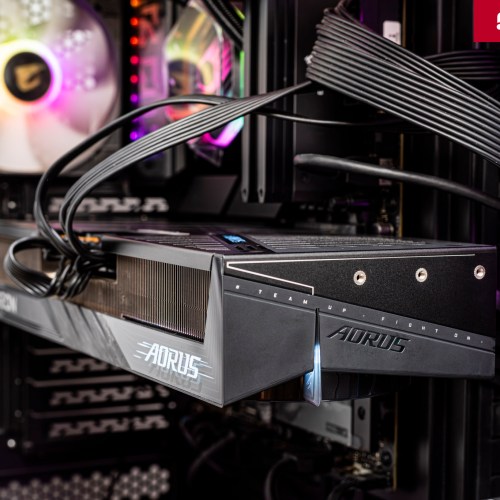
The configuration that Migovi used to test Ray Regeneration in Call of Duty: Black Ops 7 includes the AORUS Radeon RX 9070 XT ELITE 16G graphics card. This is also the highest-end RX 9070 XT option from GIGABYTE, with a sturdy, rugged design, 3 large fans with a bio-inspired “Hawk” fan blade design, increasing static pressure and reducing noise due to air turbulence. The fans rotate in opposite directions to increase cooling efficiency. Below the fan is a heatsink block, with a large vapor chamber, in direct contact with the GPU and VRAM. This vapor chamber quickly transfers heat to copper composite heat pipes, evenly dispersing them to high-density heatsink fins. Between the GPU surface and the vapor chamber is a server-grade thermal paste, ensuring stability and heat conduction over a long period of time.

Note that to enable the Ray Regeneration feature, you must be equipped with an AMD RDNA 4 architecture graphics card (Radeon RX 9000 Series) and update the latest driver version. As mentioned, Ray Regeneration will be hidden by default, you need to go to the settings of the Black Ops 7 game, Multiplayer or Zombies, turn on Ray Tracing Reflections (Settings - Graphics - Quality) at Low or High. Next, click on Show More right below and select Ray Tracing Denoiser as FSR Ray Regeneration. Finally, Apply and experience.
Migovi set Call of Duty: Black Ops 7 to 4K resolution (3840 x 2160), Extreme image quality, tested each case with Frame Generation on/off, Ray Regeneration on/off along with FSR 4 Upscaling quality options.
Turn off Frame Generation


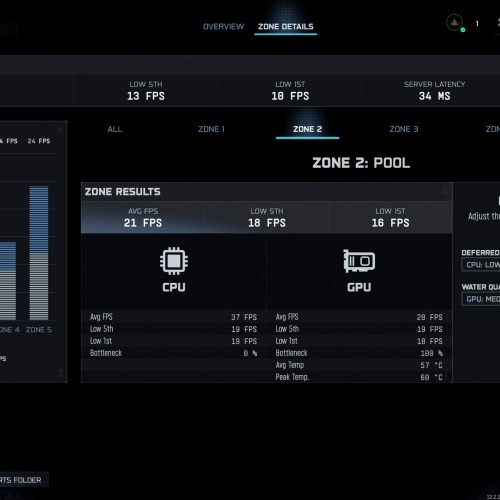

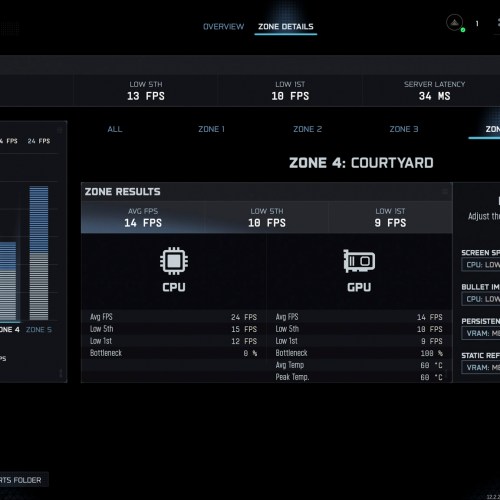
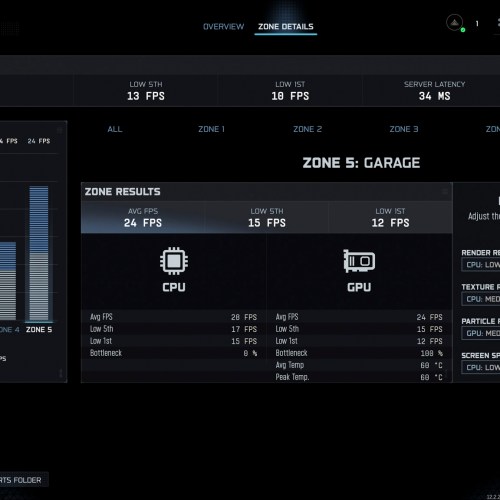
When Ray Tracing Reflection is enabled at High with Ray Regeneration, 4K native results in an average frame rate of 21 fps, 5% Low at 13 fps and 1% Low at 10 fps. The game consumes 9.53 GB of VRAM.
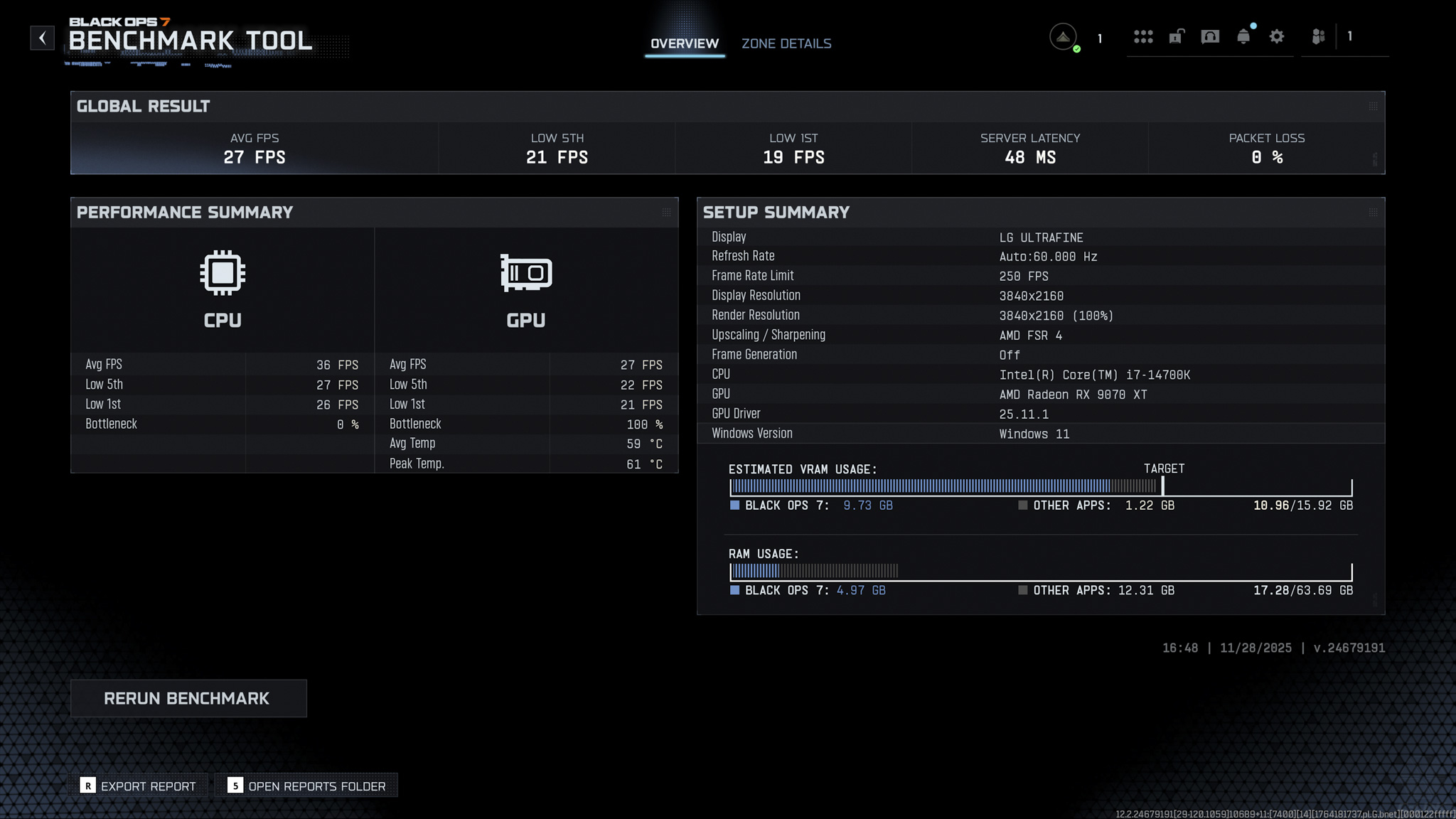
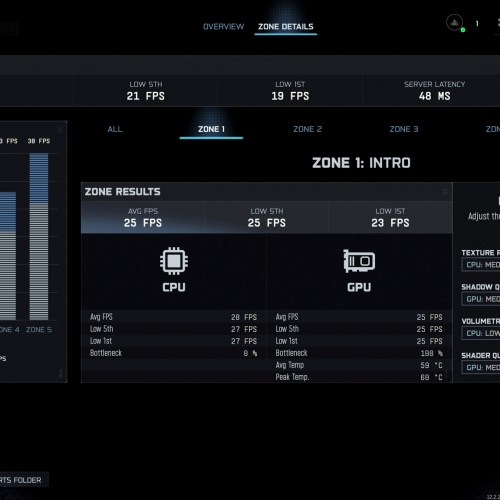
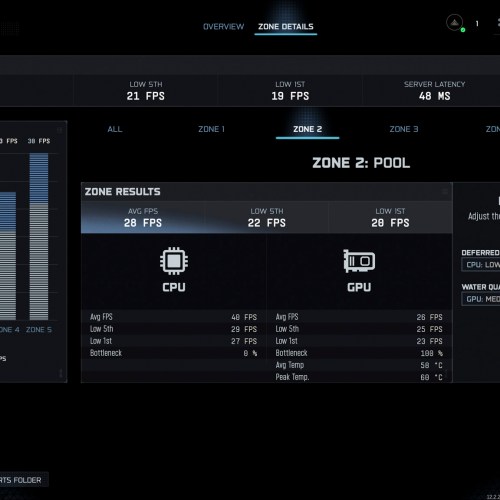

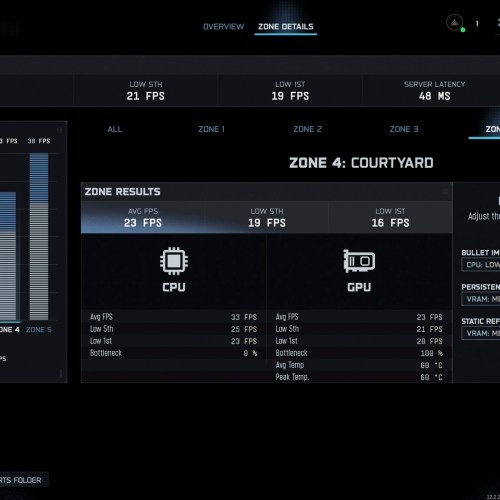

When Ray Tracing Reflection is enabled at Low with Ray Regeneration, 4K native results in an average frame rate of 27 fps, 5% Low at 21 fps and 1% Low at 19 fps. The game consumes 9.73 GB of VRAM.


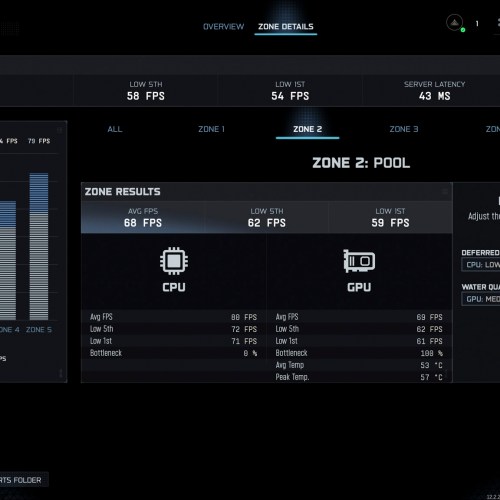
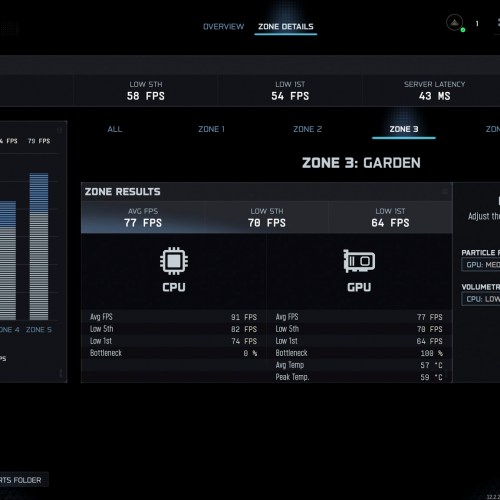
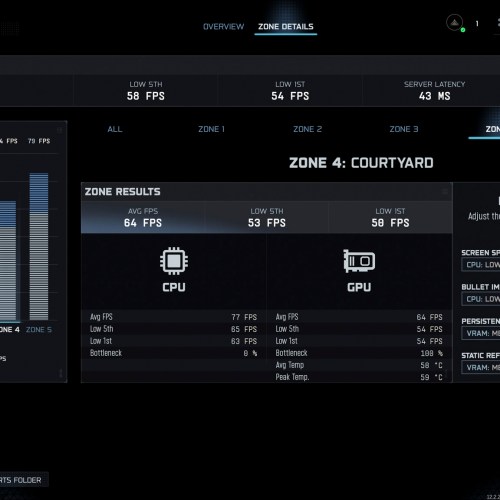
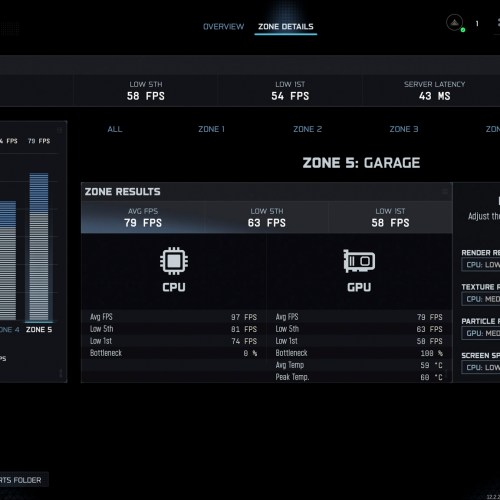
With Ray Tracing Reflection off, 4K native results in an average frame rate of 72 fps, 5% Low is 58 fps and 1% Low is 54 fps. The game consumes 9.4 GB of VRAM.
Enable Frame Generation

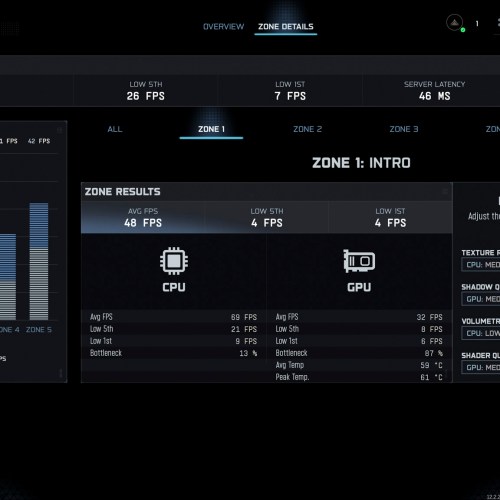
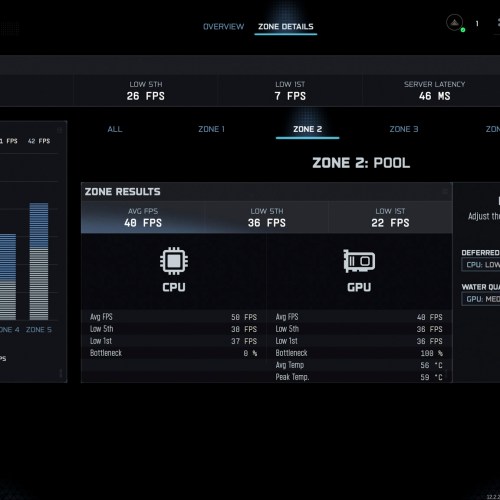
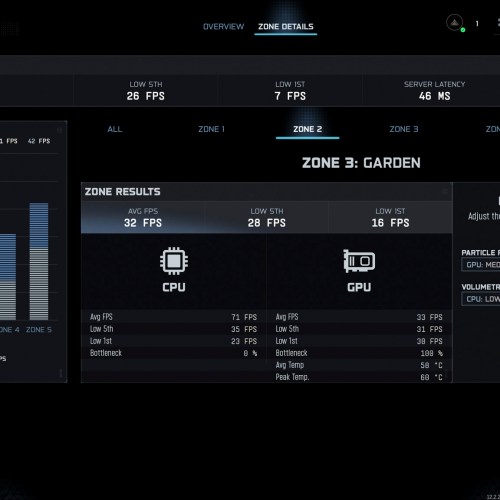
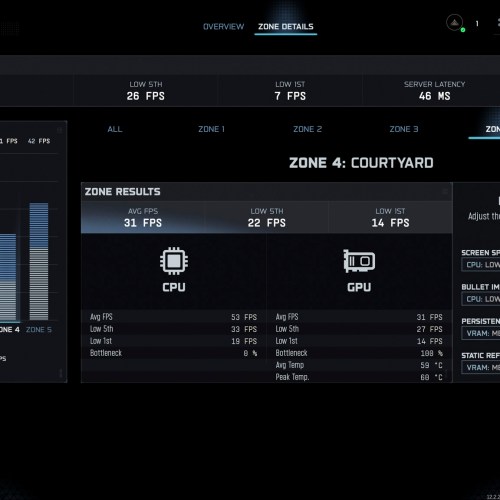
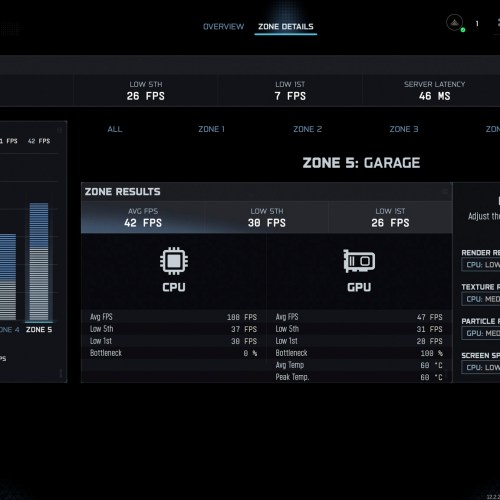
When Ray Tracing Reflection is enabled at High with Ray Regeneration, 4K native, the average frame rate is 39 fps, 5% Low is 26 fps and 1% Low is 7 fps. The game consumes 9.37 GB of VRAM. This benchmark run has some problems loading the game (Zone 1) so 1% Low does not reflect reality.
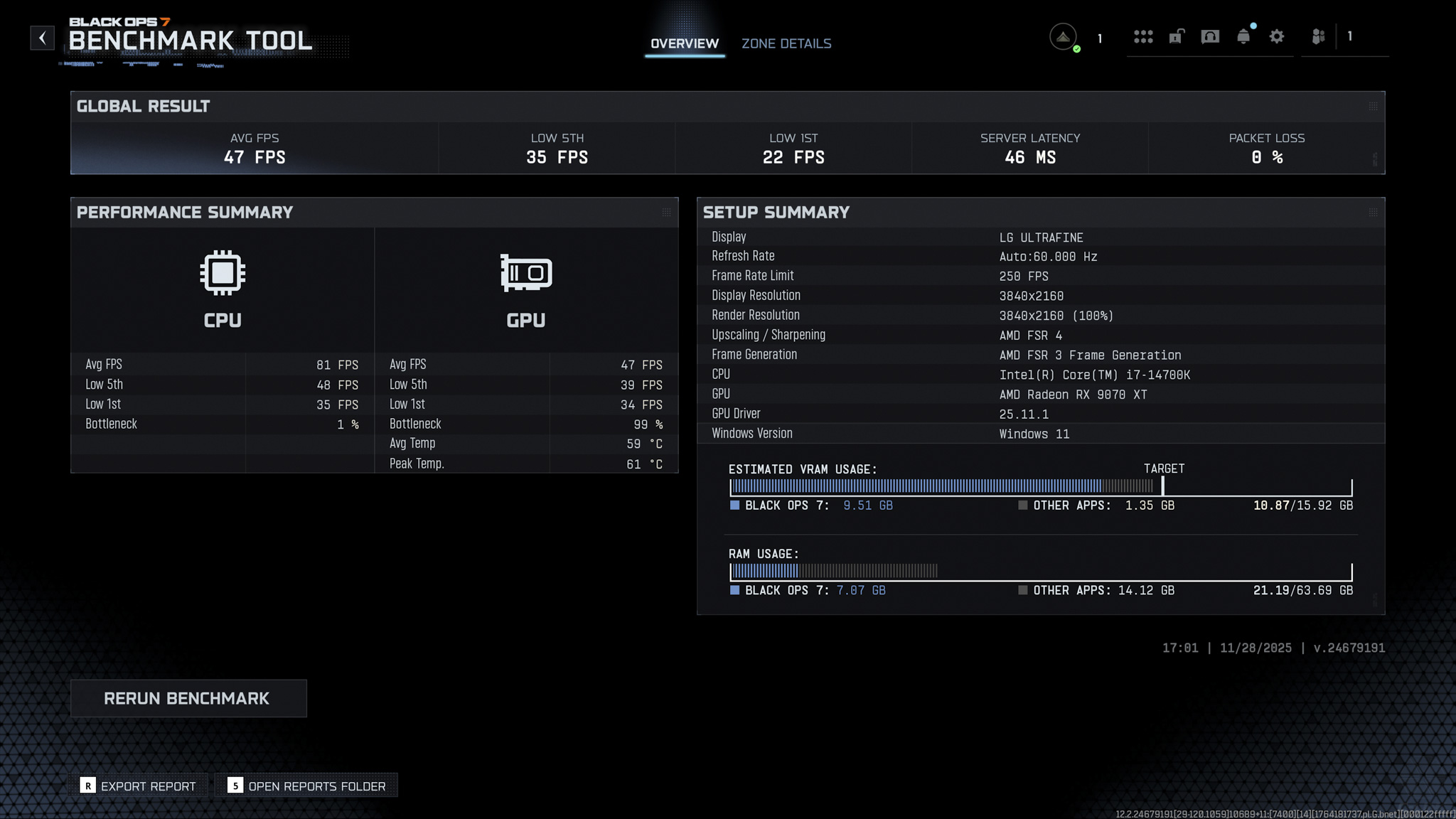
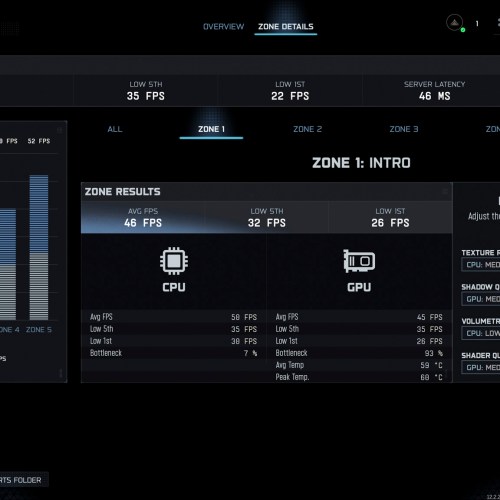
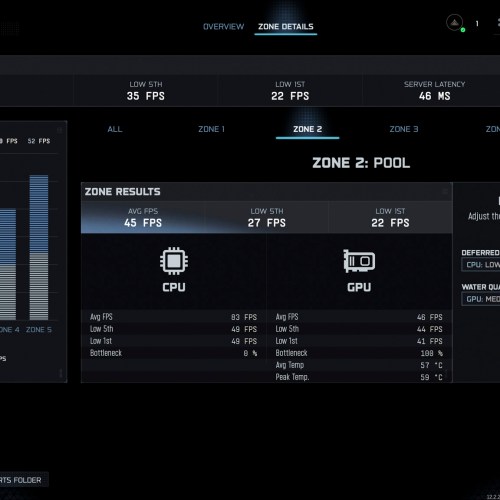
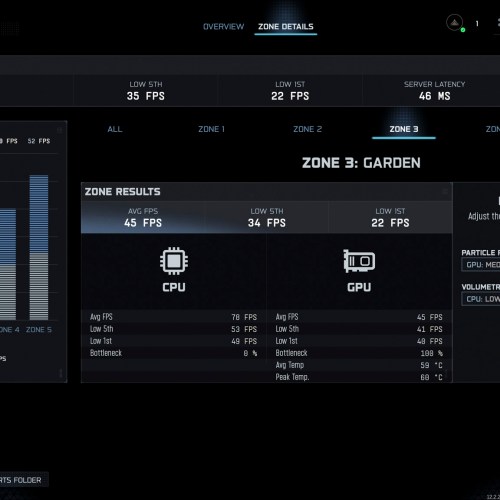
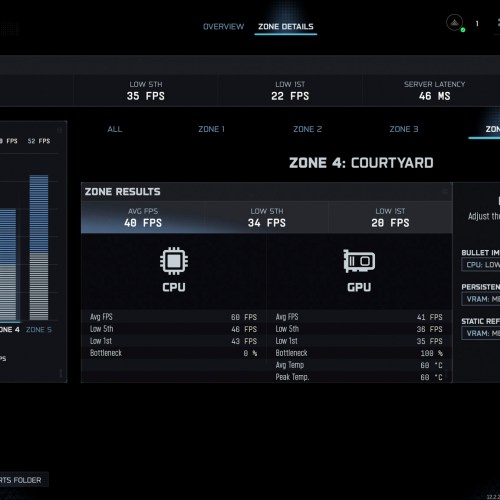
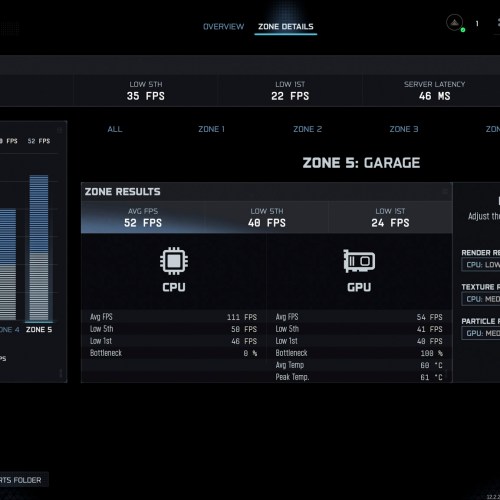
When Ray Tracing Reflection is enabled at Low with Ray Regeneration, 4K native results in an average frame rate of 47 fps, 5% Low at 35 fps and 1% Low at 22 fps. The game consumes 9.51 GB of VRAM.
AMD FSR 4 Upscaling
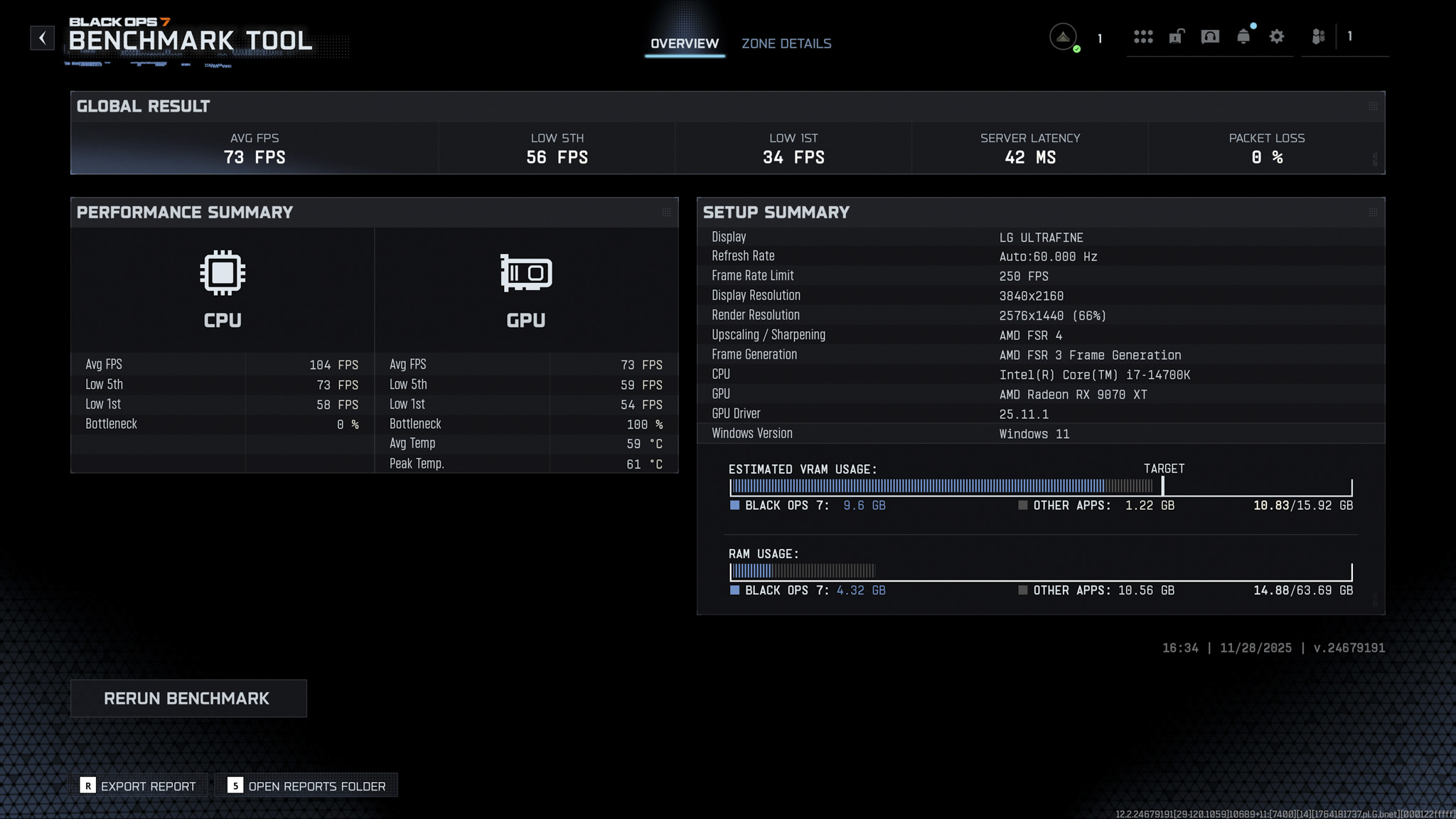
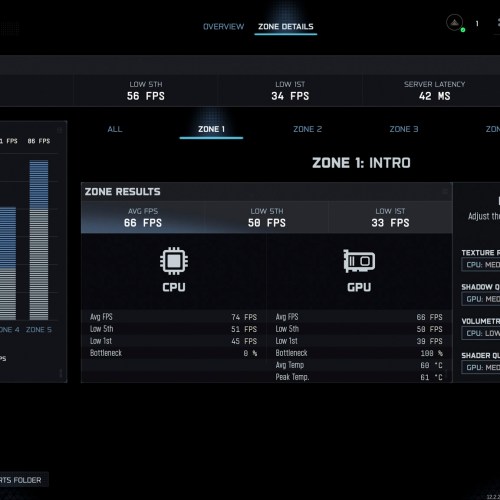
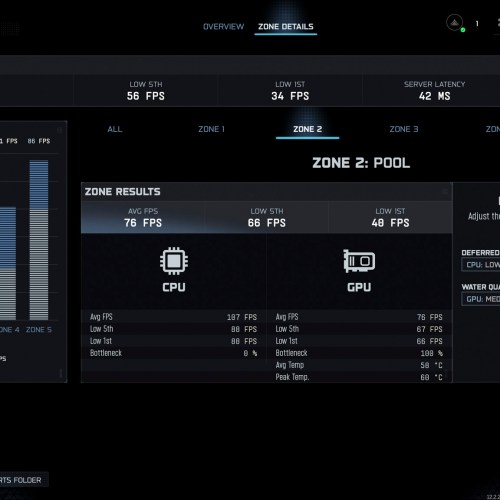
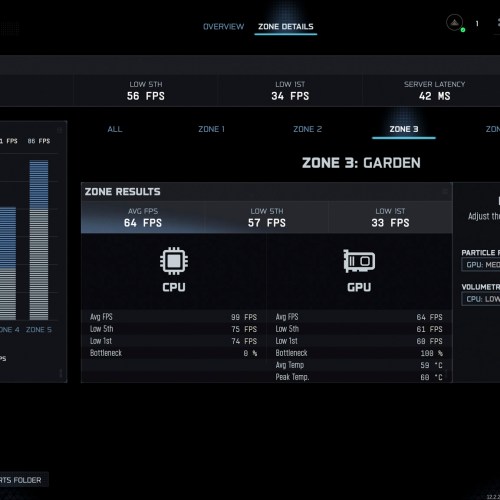


Ray Tracing Reflections on High with FSR Ray Regeneration, AMD FSR 4 Quality, resulting in an average frame rate of 73 fps, 5% Low at 56 fps and 1% Low at 34 fps. The game consumes 9.6 GB of VRAM.

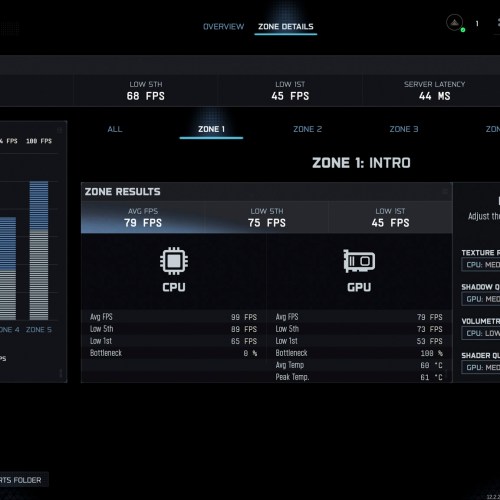
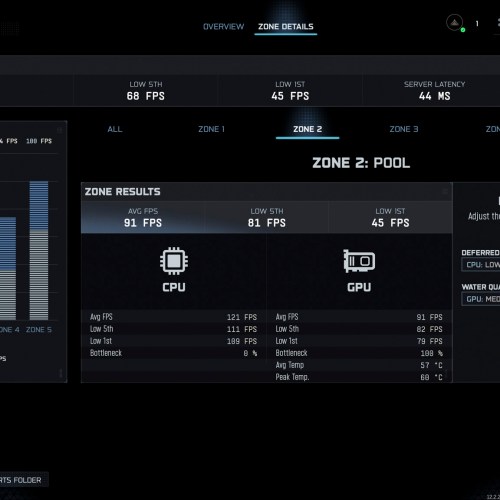
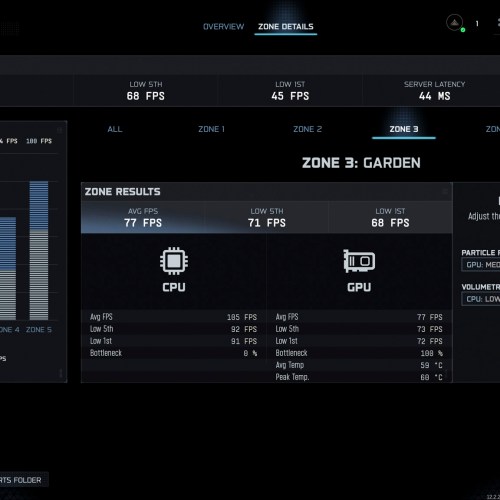
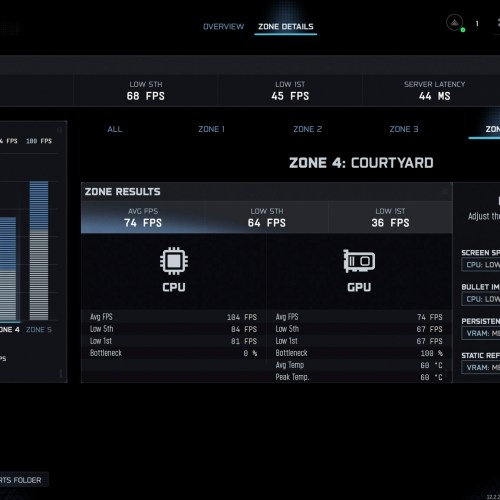
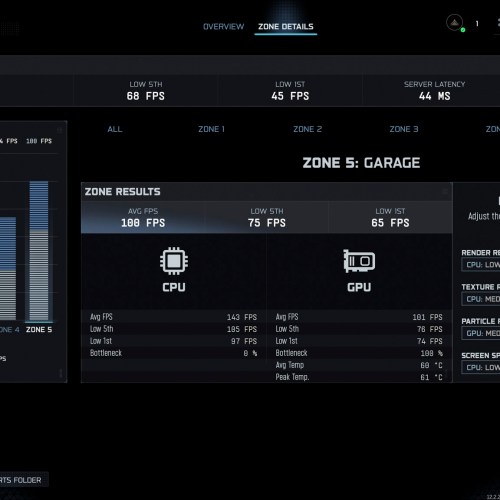
Ray Tracing Reflections on High with FSR Ray Regeneration, AMD FSR 4 Balanced, resulting in an average frame rate of 87 fps, 5% Low at 68 fps and 1% Low at 45 fps. The game uses 9.22 GB of VRAM.

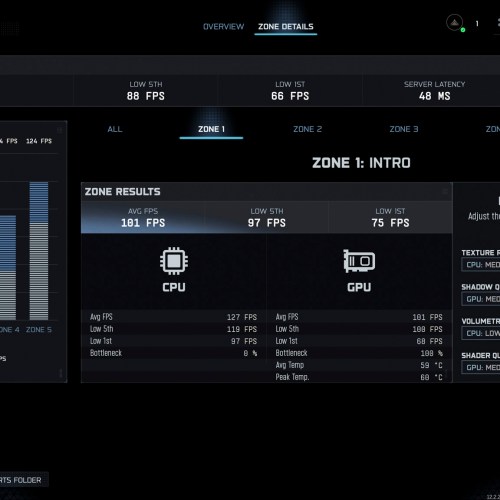
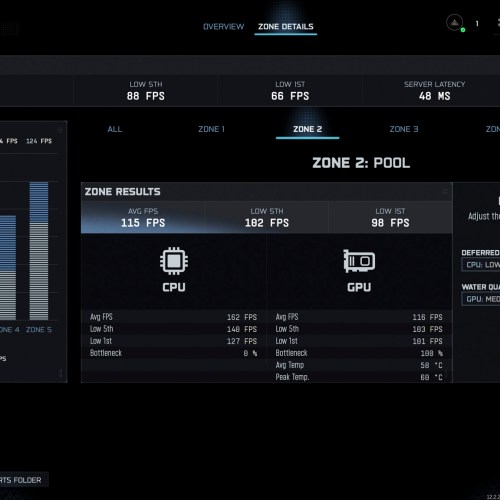
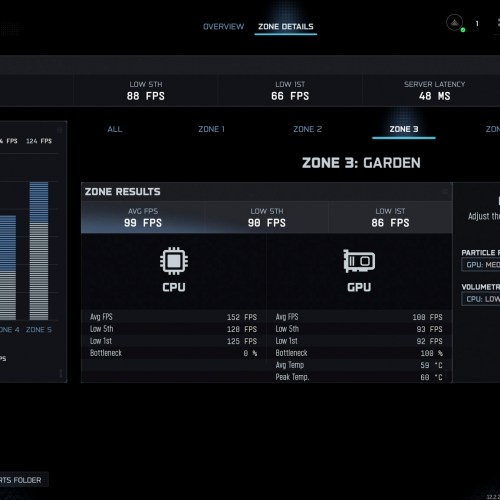
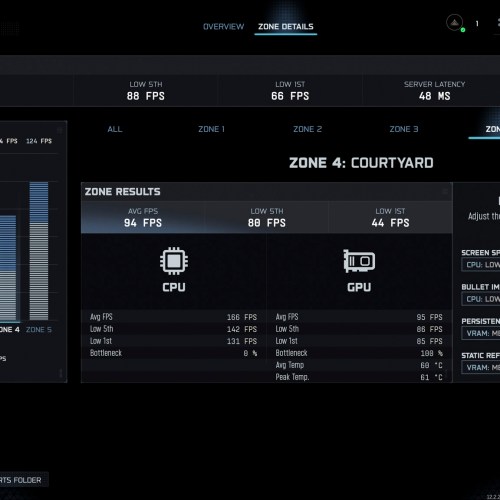
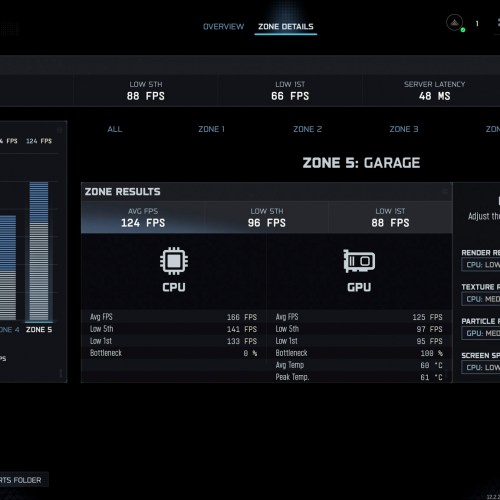
Ray Tracing Reflections on High with FSR Ray Regeneration, AMD FSR 4 Performance, resulting in an average frame rate of 110 fps, 5% Low at 88 fps and 1% Low at 66 fps. The game uses 9.29 GB of VRAM.
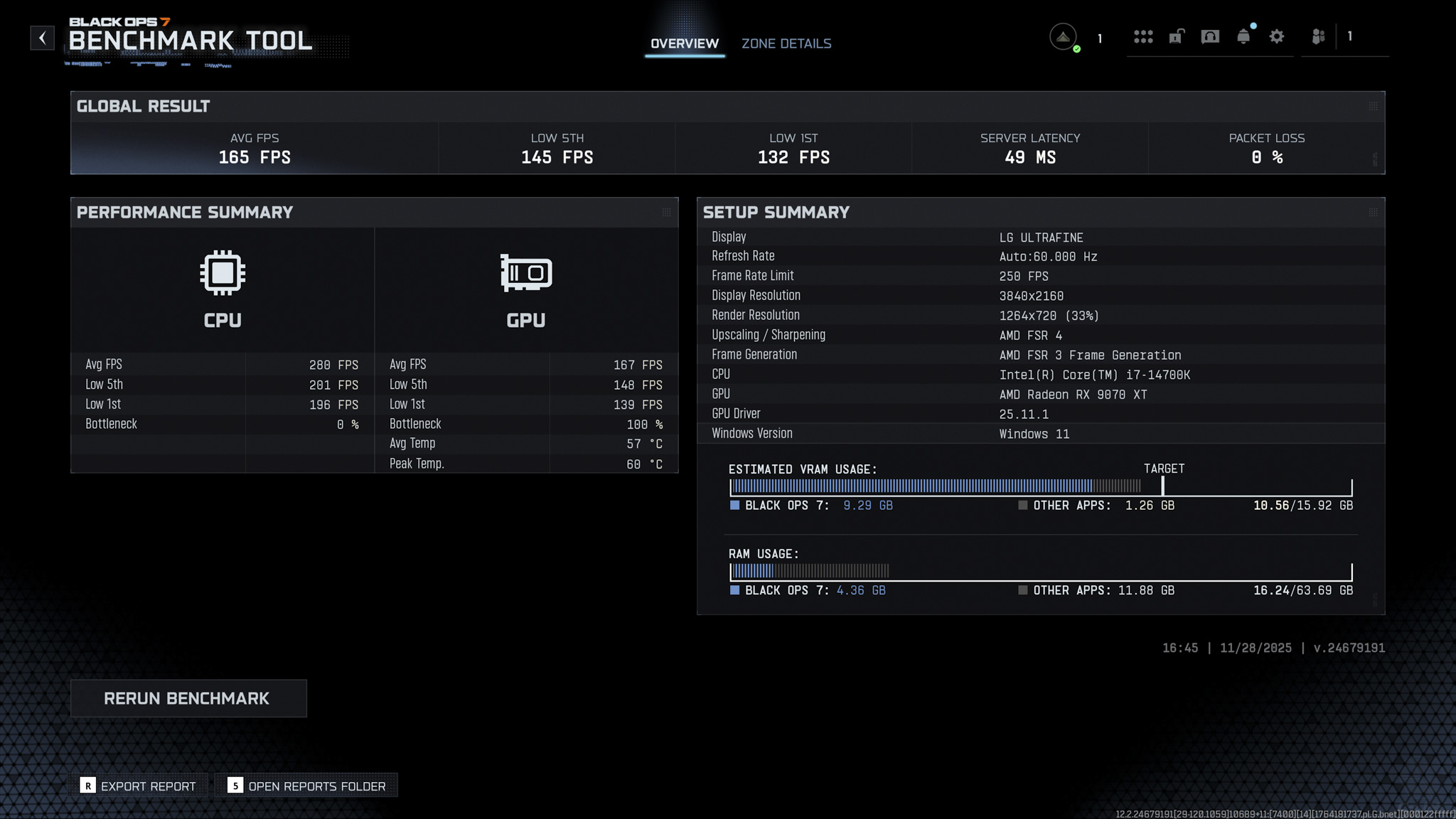
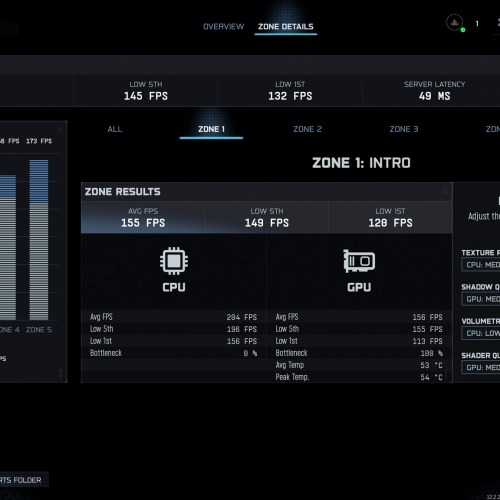

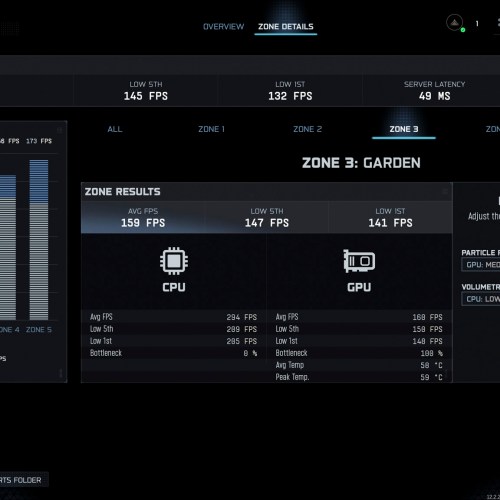


Ray Tracing Reflections on High with FSR Ray Regeneration, AMD FSR 4 Ultra Performance, resulting in an average frame rate of 165 fps, 5% Low at 145 fps and 1% Low at 132 fps. Game uses 9.29 GB of VRAM.


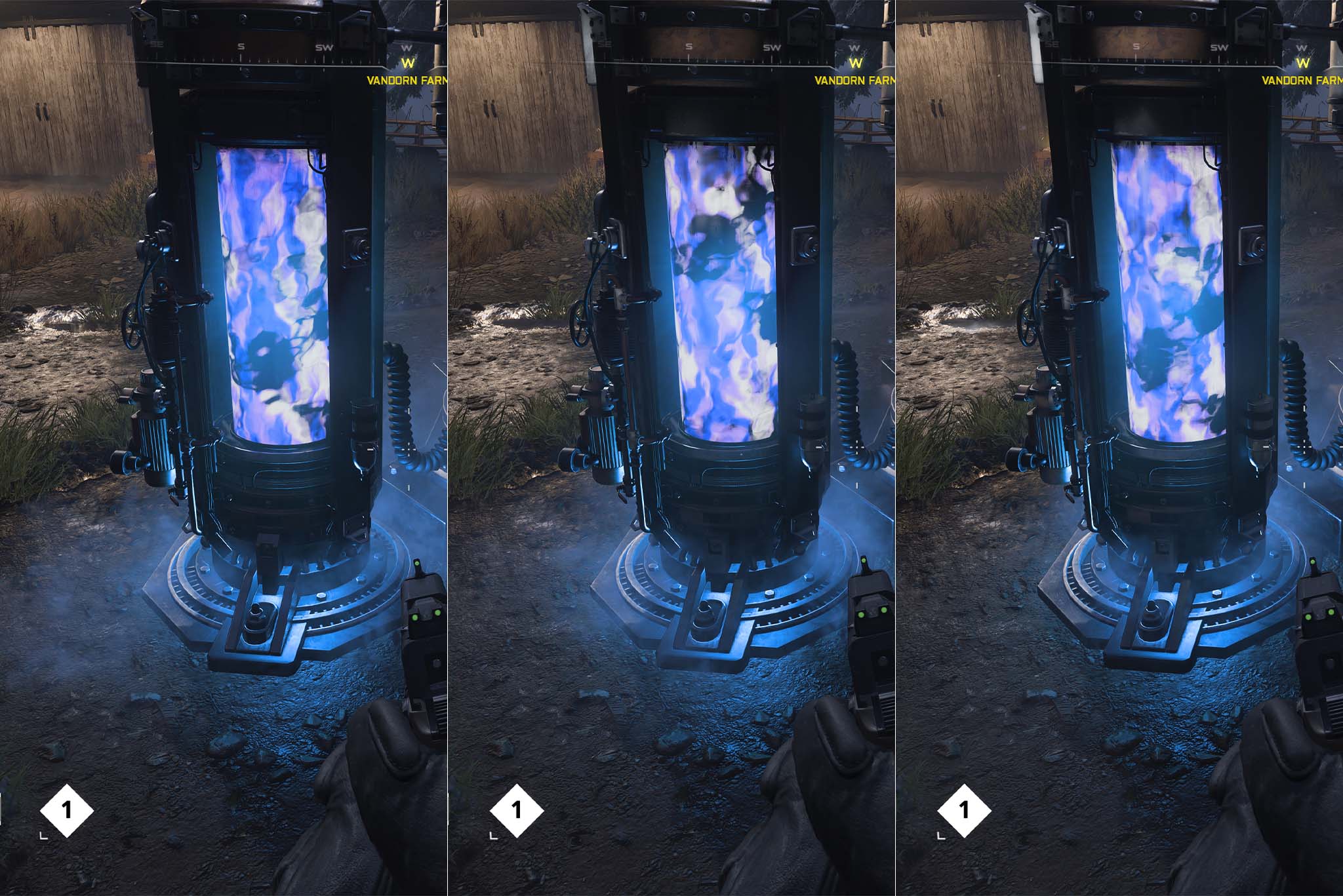
It can be seen that the quality of the reflection image when Ray Regeneration is supported is quite good, at least it is commendable with what AMD is trying to do. When Ray Tracing Reflections are enabled and Ray Regeneration is not enabled, the GPU has to work harder, while Ray Regeneration makes good use of the AI components inside the RDNA 4 architecture to process, reducing the burden on other hardware and increasing overall performance. However, Ray Regeneration's reflection image is still relatively primitive and does not reflect reality. You can see the comparison images, from left to right in the order of Ray Tracing Reflections Off - Low - High. The High level gives a more detailed, clearer reflection, but still does not handle the optical physics (near and far reflections are different, the closer the clearer and the farther the blurrier). In return, the image stability is better, reducing flickering on water surfaces, giving a cleaner image in still scenes.
Advantages and disadvantages of Ray Regeneration
Prospects
- Excellent motion handling, less ghosting than competitors in dynamic scenes.
- Good resource efficiency, very small fps impact thanks to dedicated AI hardware.
- Good growth potential, neural network can learn more and improve through driver updates.
- Highly scalable, can be combined with Neural Radiance Caching when FSR Redstone fully launches.

Consequences
- Low resolution, reflection image is not sharp, still jagged.
- Lacks physical features, does not simulate Contact Hardening well (a technique to make the shadow sharper (harder) where the object contacts the surface, fading (softer) as the shadow extends away from the object).
- Limited game support, currently the number of games that integrate Ray Regeneration is too small.
- Hardware exclusive, forcing users to equip RX 9000 Series graphics card.
Conclude
AMD FSR Redstone is a promising start, but it’s not perfect at this point. Ray Regeneration shows the potential of applying AI to graphics, offloading rendering without sacrificing too much performance. However, in its current state in Black Ops 7, it still lags behind NVIDIA’s solution in terms of physical realism and system integration (running alone, not integrated with the Upscaling engine).
However, AMD FSR Redstone and Ray Regeneration are the right and necessary steps. AMD shows that they can master AI Graphics, with a solid technology foundation of Neural Network on dedicated hardware. In the coming time, through driver updates and new SDK tools, the image quality of Ray Regeneration will be significantly improved. The Neural Radiance Caching feature, when officially released, will be the "secret weapon" that helps AMD accelerate Path Tracing to a playable level in the mid-range segment.