Maldon had to apologize on Instagram after a report by The Observer, as many buyers felt misled about the salt they sprinkle on their food as a final touch.
- The Observer reports that Maldon imports rock salt from Germany for a "salt-on-salt" process, which enriches sea salt with minerals
- The box label still lists 100% sea salt as the only ingredient, since rock salt was once seawater in prehistoric times
- Origin and processing can affect the salt's flavor, color, and perceived saltiness
- Maldon posted an apology on Instagram, and the comments below it show that many people feel they were misled
Table of Contents
What the report found
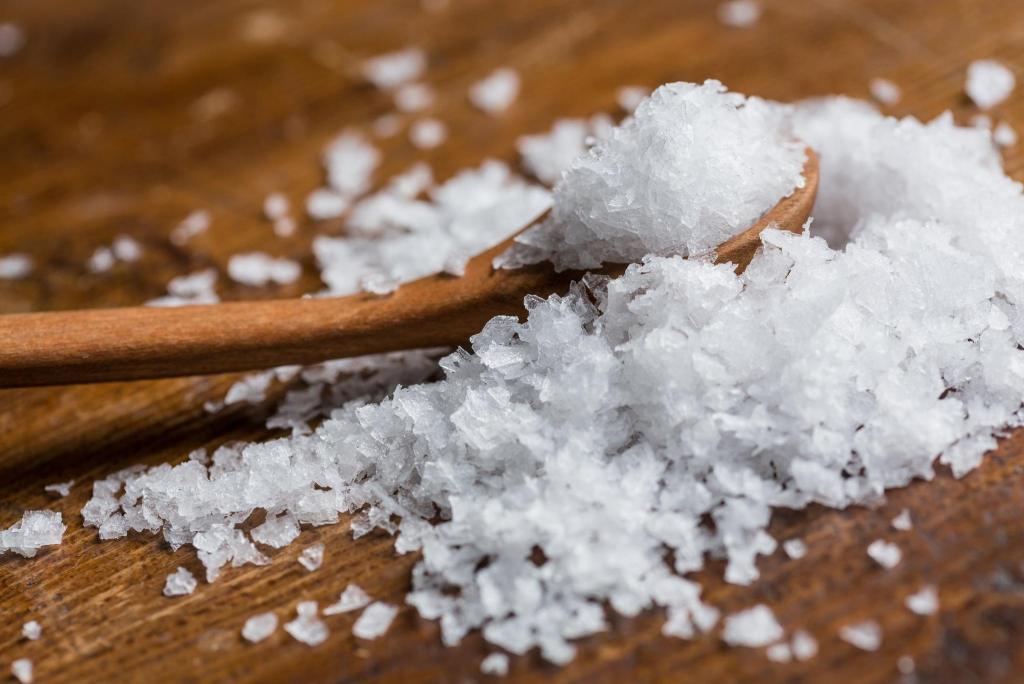
Maldon is England's best-known flaky salt, harvested on the Blackwater estuary in Essex for more than a century, and the only ingredient listed on each box is 100% sea salt. So when The Observer published a report saying the company also imports rock salt mined in Germany, it surprised many in the cooking world, including the writers at Bon Appétit who are big fans of the salt.
According to the report, the German rock salt is used in a "salt-on-salt" process, in which sea salt is further enriched with minerals. The company can still list 100% sea salt on the label because the salt layer in that mine was once a prehistoric sea. Technically, that holds up, but it is certainly not how the average person reading a label would interpret it.
Why the origin of salt matters

Origin and processing are not just paperwork, because they can affect flavor, color, and how salty the salt tastes. Maldon is a finishing salt, sprinkled on food at the last step, and it is prized mainly for its large flakes that crunch between the teeth. Crunch is something customers notice right away, but they still have good reason to want to know how the product they are paying for is actually made.
Buyers' reactions show as much. Maldon posted an apology on Instagram, and the comments below it reveal that many people feel they were lied to, a feeling consumers find hard to shake even when the product tastes just as good as before.
Can Maldon weather this?
The Bon Appétit writer believes Maldon will get through this. The reason is that it is a long-established brand found in both professional and home kitchens, and while the stumble is not a good look, the author guesses most users will figure salt is salt, and as long as Maldon stays crunchy and salty, they will keep buying it. That is only the writer's own assessment, and what remains to be seen is whether the people angry beneath the apology will actually walk away.
Migovi sees this story as less about whether Maldon has gotten worse, since the crunchy flaky salt you buy still does its job, and more about the gap between the words on the label and what buyers picture. If you choose Maldon for the crunch it adds when sprinkled on food, almost nothing changes, but if you pay a premium for the image of Essex sea salt, you have reason to reconsider. In your own kitchen, the sensible approach is still to sprinkle flaky salt on at the very end, over finished dishes, to keep it crisp, and to make a habit of reading the label on every premium salt rather than trusting the brand story alone.
Source: Bon Appétit
Reviewed by: Hero Association