

Kingston FURY Renegade G5 2 TB Review - Super Fast, Impressively Cool
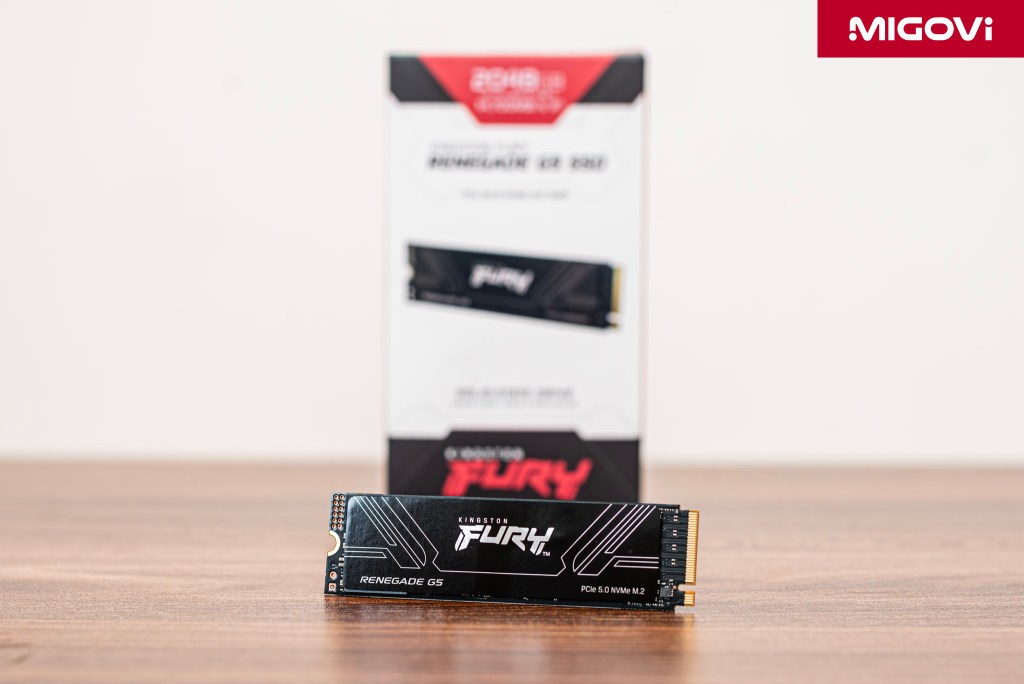
The Kingston FURY Renegade G5 SSD represents the second wave of PCIe Gen5 storage, delivering improvements in performance and thermals.
In the first generation, Gen5 SSD models equipped with Phison E26 controllers appeared strongly with sequential read and write performance of over 10,000 MBps. However, the leap in speed compared to Gen4 SSDs also came at a big price: high power consumption and significant heat dissipation. This limitation forced manufacturers to equip bulky cooling solutions, sometimes integrating active cooling fans, or combining water and air, causing noise and limiting compatibility with compact computer systems. These challenges have created a certain "barrier" to the popularization of Gen5 technology.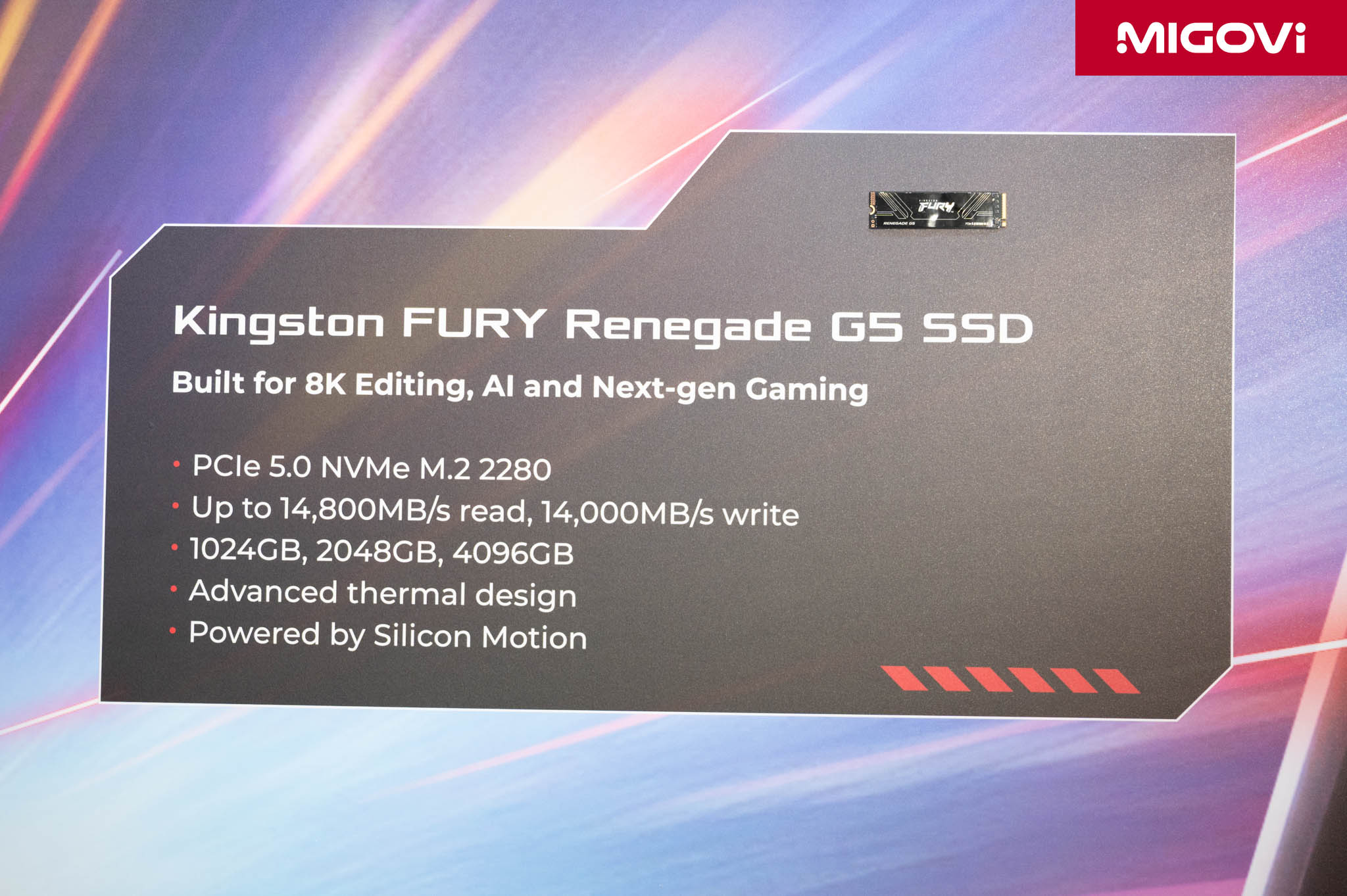
Then when the Kingston FURY Renegade G5 SSD appeared at COMPUTEX 2025 , there were people who still thought that Gen5 SSDs would continue to be hot, just improving performance, but the truth was very different until they experienced it directly. Migovi itself is such a case. Instead of focusing solely on the maximum speed race, Kingston aimed to create a more balanced product, a comprehensive solution that combines high performance, energy efficiency and reasonable temperature management. The Kingston FURY Renegade G5 was released later than its competitors, allowing them to take advantage of a new and more mature generation of controllers, namely the Silicon Motion SM2508.
Article content
Unboxing Kingston FURY Renegade G5
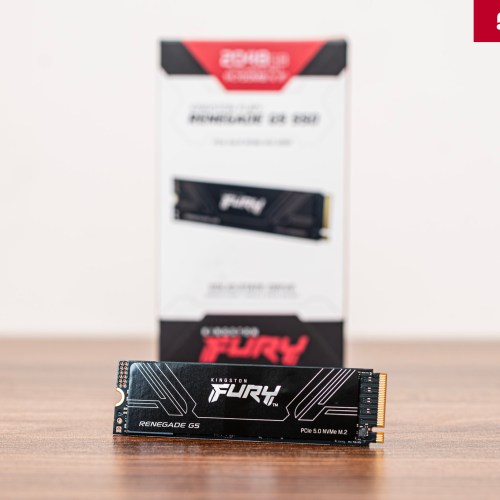
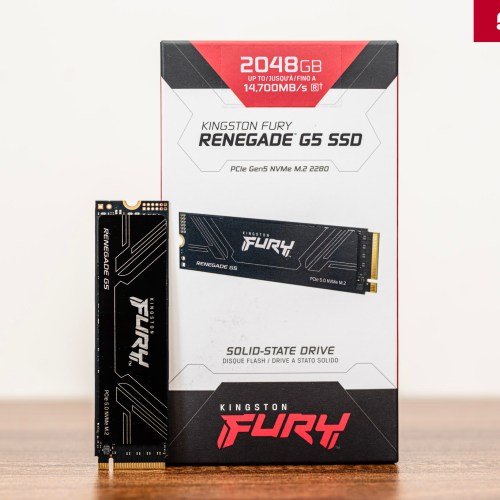
Kingston FURY Renegade G5 SSD is packaged in a paper box with patterns and a combination of 3 familiar colors including white, black and red. This box is neat and much smaller than the previous FURY Renegade SSD Gen4 model. Inside, the SSD is carefully protected by a transparent plastic frame, fixed on the outside with a small paper box before being placed in the complete packaging. There are no accessories included.
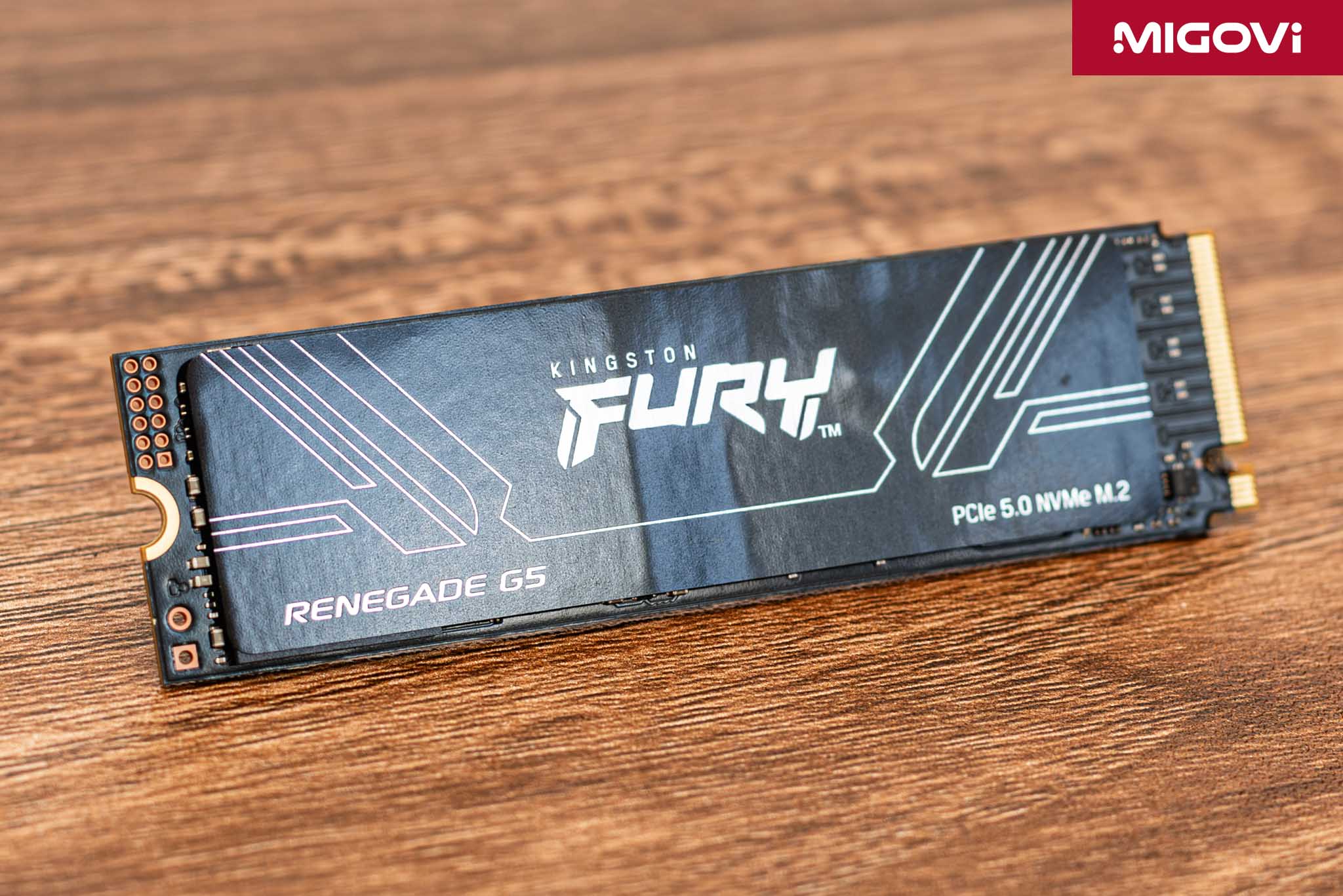
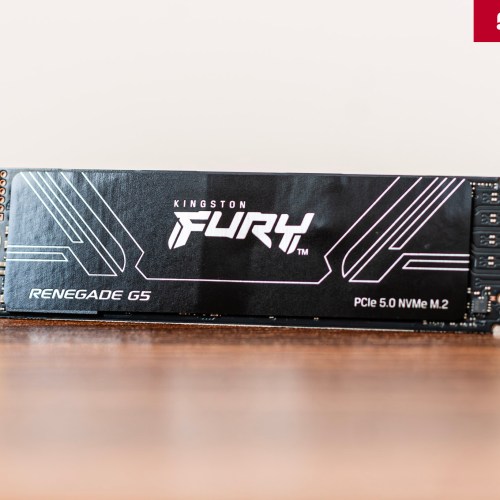
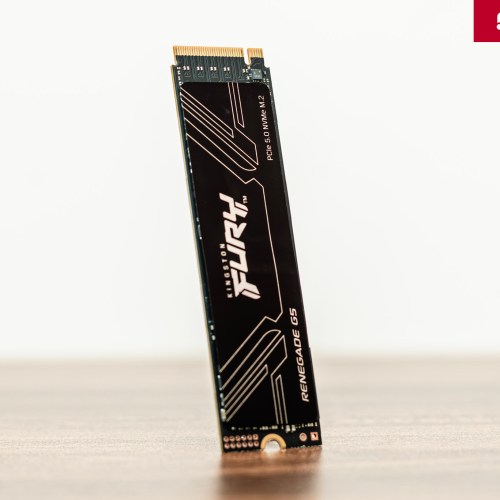
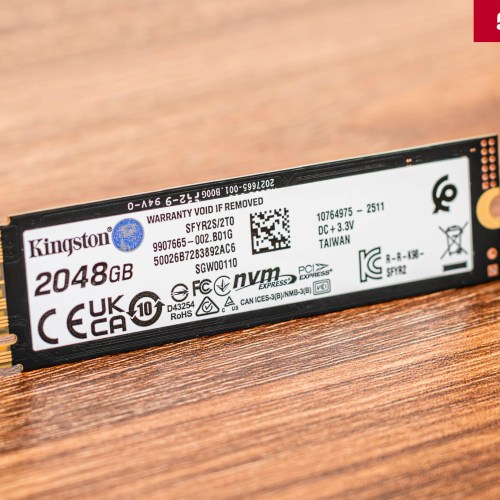
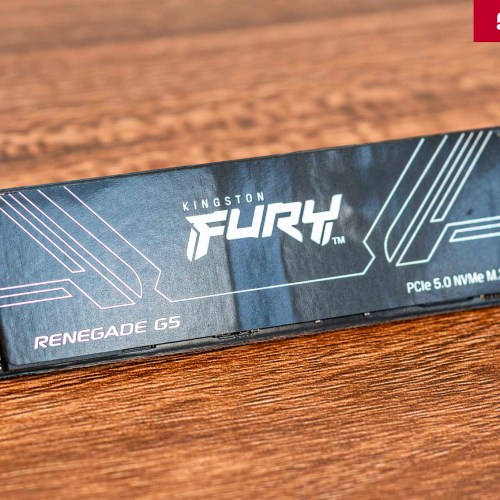
As an internal 2280 M.2 SSD, Kingston FURY Renegade G5 wears a sturdy black coat. It does not come with a heatsink or graphene sticker, but Kingston seems to be very confident in its product's ability to manage temperature.
Components on FURY Renegade G5
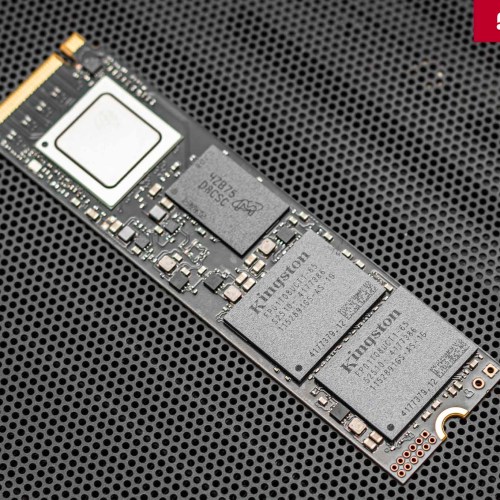
The combination of controller, NAND flash, and DRAM cache on the FURY Renegade G5 is not a random assembly, but a purposefully designed system, where each component contributes to the overall goal: creating a Gen5 SSD that is fast, stable, and cool.
Controller Silicon Motion SM2508
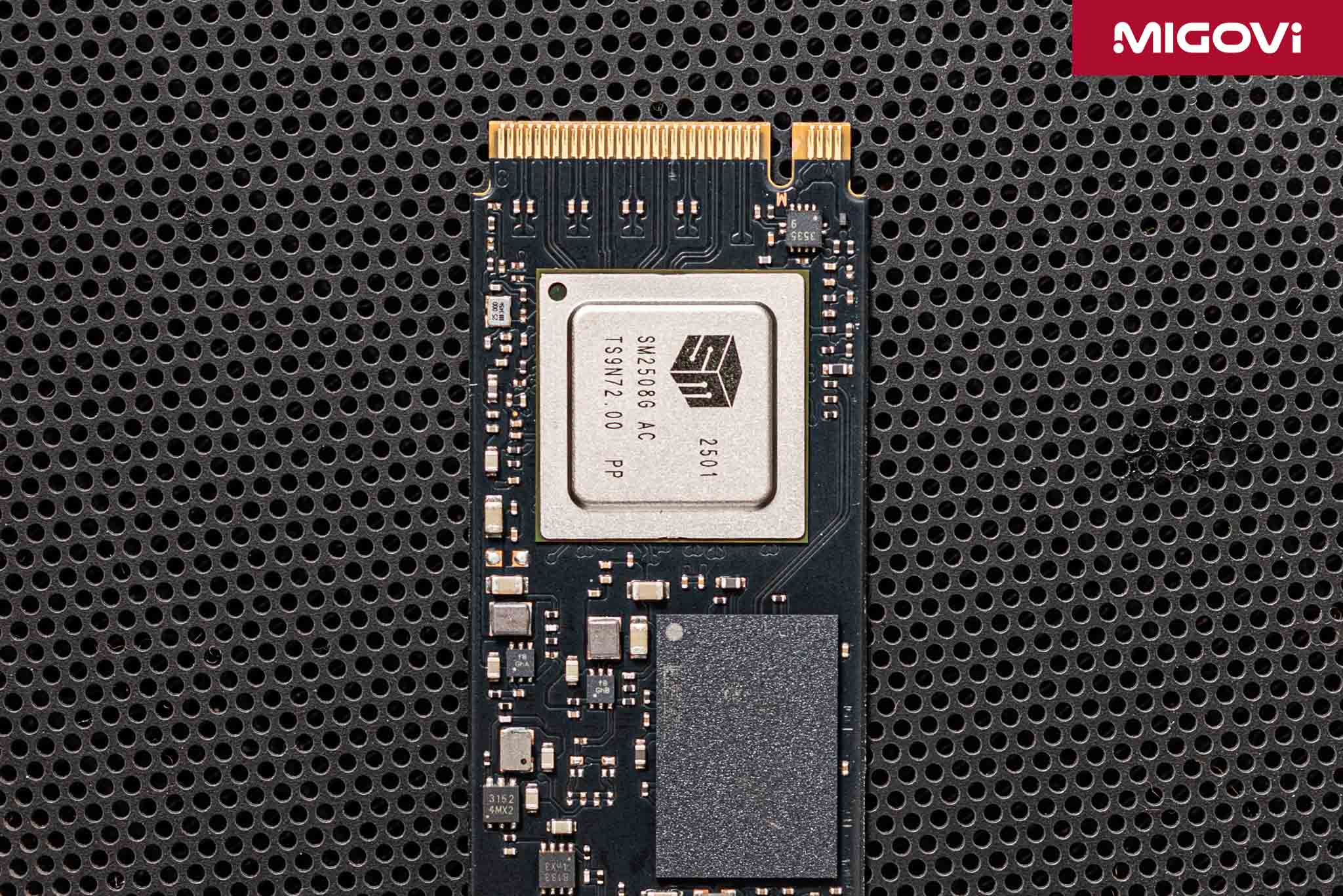
At the heart of the Kingston FURY Renegade G5 is the Silicon Motion SM2508 controller – SMI’s first PCIe Gen5 controller for the consumer market. This is a major step forward, providing much-needed competition to the Phison controllers that have dominated the Gen5 market since the beginning. The SM2508 is built on the Arm architecture with a quad-core Cortex-R8 CPU cluster running at 1.25 GHz, accompanied by a Cortex-M0 secondary core for handling peripheral tasks. The most important highlight of the SM2508 is that it is manufactured on TSMC’s 6nm FinFET process. Compared to the first generation of 12nm controllers, the 6nm process offers a significant advantage in energy efficiency. Silicon Motion claims up to 30% lower operating power consumption compared to the previous generation, while generating significantly less heat. Silicon Motion SM2508 is the foundational element that allows the FURY Renegade G5 to operate cool without the need for highly efficient thermal solutions.
The SM2508 supports the PCIe 5.0 x4 interface and the latest NVMe 2.0 protocol. This controller has 8 NAND channels, each of which can reach bus speeds of up to 3600 MT/s, allowing a total theoretical bandwidth of up to 14.5 GBps read and 14 GBps write, fully compatible with today's high-speed NAND flash.
Kioxia BiSC8 218-layer 3D TLC NAND Flash
Kioxia BiSC8 is a 218-layer 3D TLC NAND flash, using Charge Trap architecture produced by Kioxia (formerly Toshiba Memory). These memory chips have a communication speed of up to 3600 MT/s, perfectly compatible with the capabilities of the SM2508 controller.
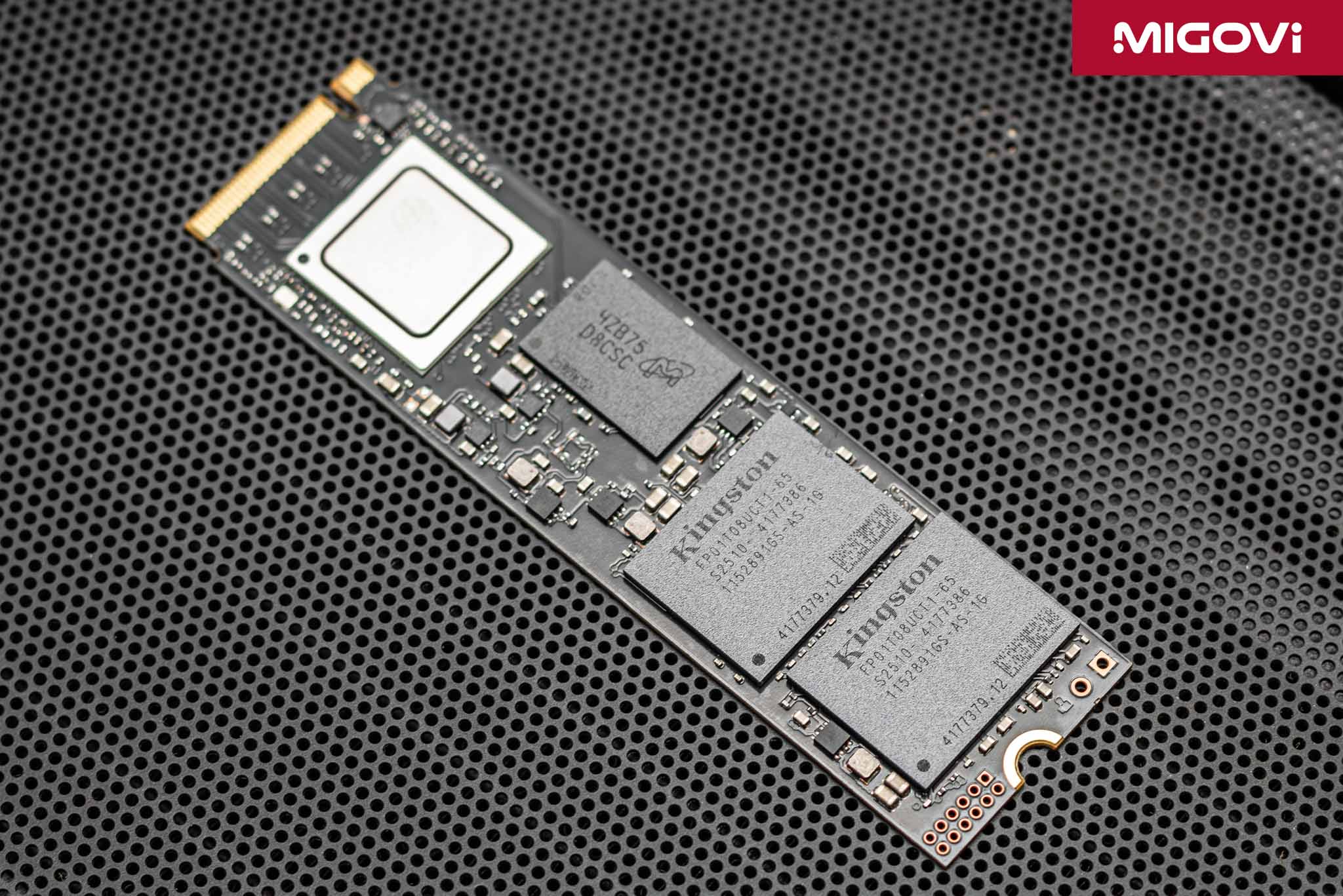
It is worth noting that many other SSD models also use the SM2508 controller but are combined with 232-layer Micron B58R NAND. The test results show that the SM2508 and Kioxia BiCS8 combination on the Kingston FURY Renegade G5 delivers better performance in real-world tasks, especially in highly interactive workloads. This suggests that Kingston may have tweaked the firmware to optimize for this particular hardware combination, focusing on the user experience rather than just sequential benchmark numbers. However, the sequential read and write speeds of the FURY Renegade G5 SSD were also top-notch when it was launched at COMPUTEX 2025.
DRAM Cache LPDDR4

To manage the mapping tables and ensure consistent performance, the FURY Renegade G5 features a DRAM cache. The 2TB version comes with a 2GB DRAM cache, using Micron’s LPDDR4-4266 memory chips. The choice of LPDDR4 over LPDDR5 was a deliberate engineering decision. While LPDDR5 has a higher bandwidth, LPDDR4 consumes less power and generates less heat. Since Gen5 SSDs are notorious for running hot, keeping the heat from every component is a priority. This trade-off contributes to the overall design to achieve good thermal efficiency without significantly affecting performance during normal tasks.
PCB Design
The Kingston FURY Renegade G5 SSD uses a 12-layer PCB, which enhances signal integrity and improves passive heat dissipation. At the extreme speeds of PCIe 5.0, ensuring the signal is free of interference is critical to maintaining stability and data integrity.
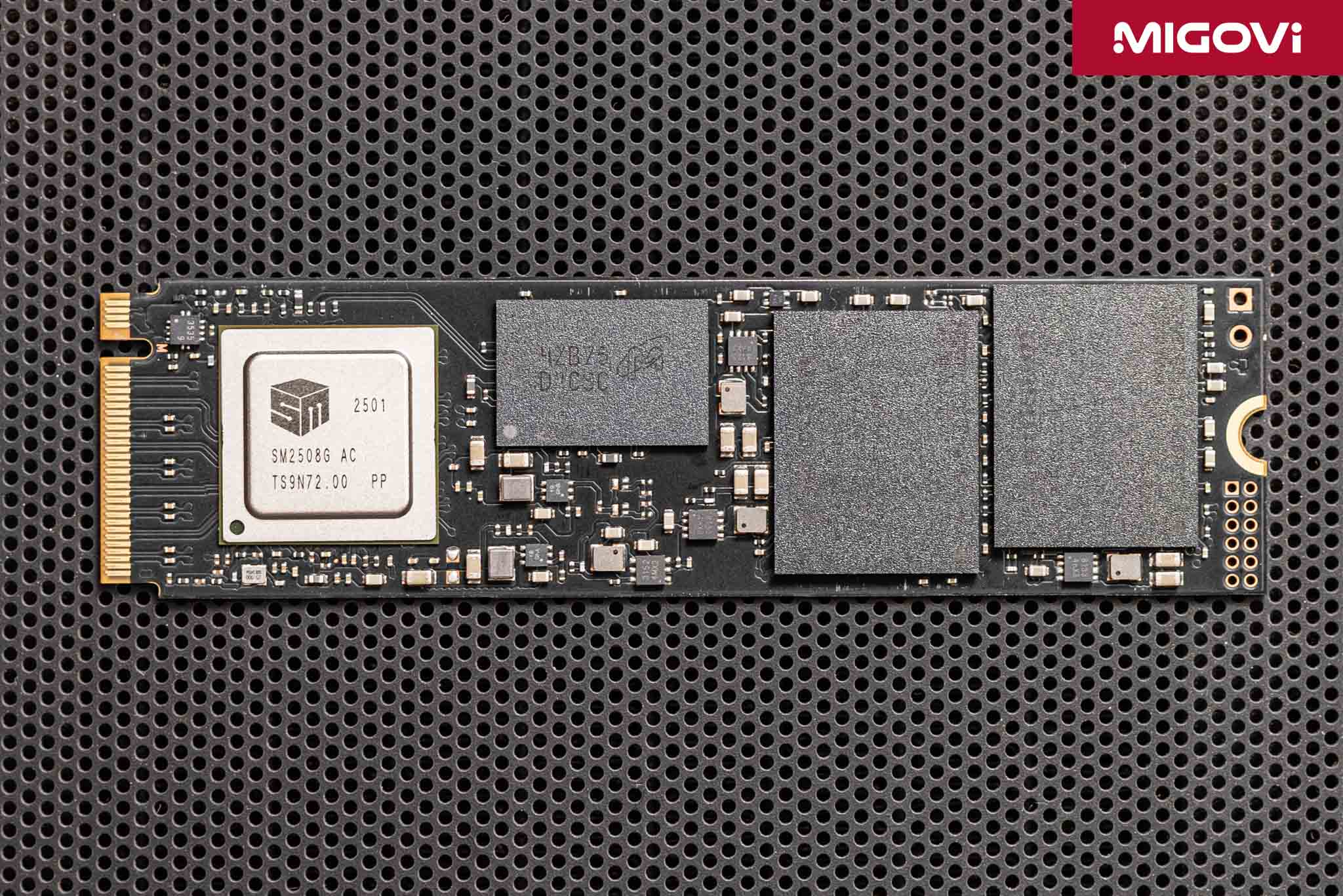
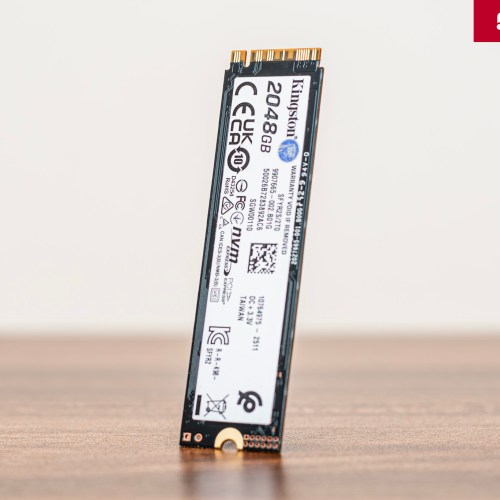
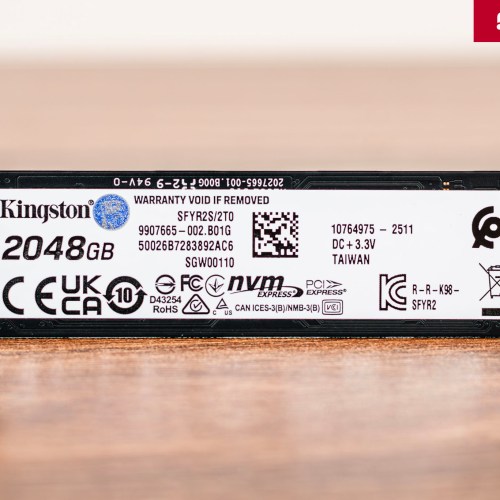
In addition, all components of the 2 TB version are arranged on 1 side of the PCB. The single-sided design brings a great advantage in compatibility, making it easy to install in M.2 slots on laptops, SFF (Small Form Factor) systems and especially compatible with the PlayStation 5 game console. In addition, the single-sided SSD chip also allows for a simplified cooling system. Temperatures are always rising and because all components are concentrated on 1 side of the PCB, cooling the SSD is also much simpler and more effective.
Test configuration
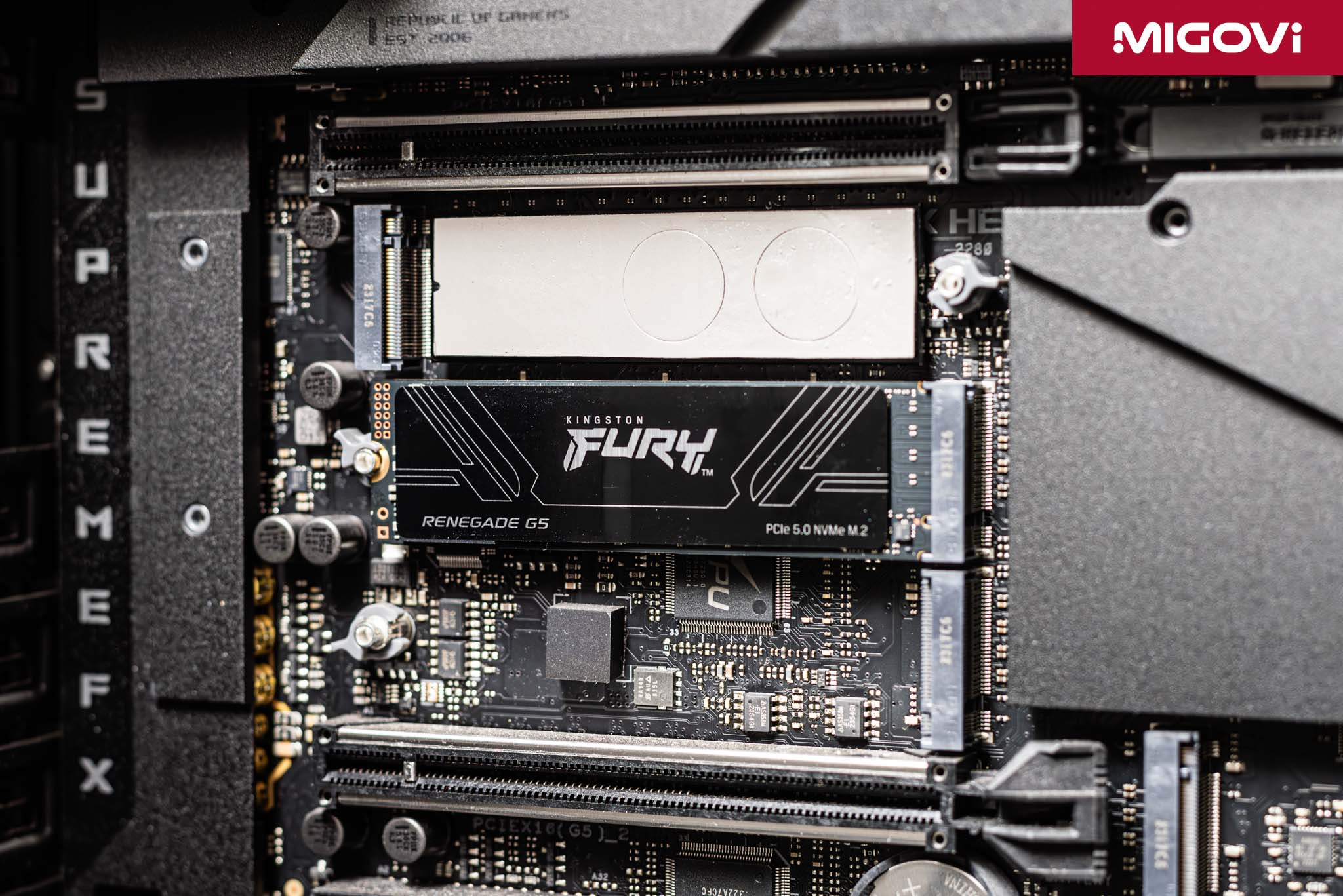
- CPU: Intel Core i7-14700K
- Mainboard: ASUS ROG MAXIMUS Z790 DARK HERO
- RAM: CORSAIR DOMINATOR TITANIUM DDR5-6000 32 GB x 2
- Cooler: Cooler Master MasterLiquid 360 ATMOS
- SSD: Kingston FURY Renegade G5 2 TB
- VGA: AMD Radeon RX 7900 XTX
- PSU: CORSAIR RM1200x SHIFT
- Case: Lian Li O11 DYNAMIC EVO XL Black
Kingston FURY Renegade G5 Performance


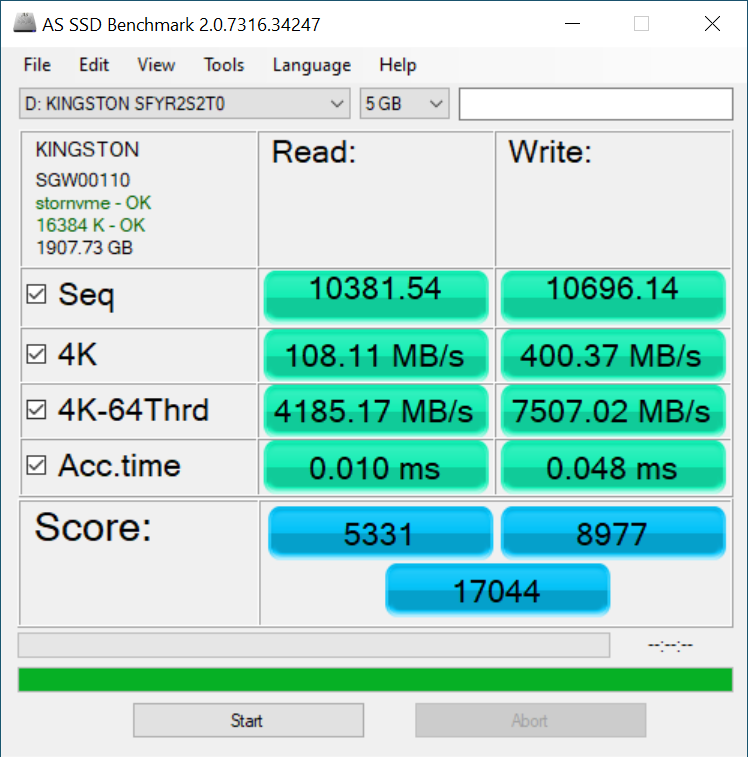
In addition to the configuration mentioned above, Migovi also tested many other configuration variations and concluded that: if you need the highest sequential read and write speed, use the AMD AM5 platform; on the contrary, if you want to optimize 4K random read and write performance, the Intel Z690/Z790 platform is the best choice. Even on the specifications, Kingston said that the sequential read and write speed was tested with AMD (Ryzen 5 7600X, X670E), while the 4K random performance was measured with Intel (Core Ultra 7, Z890). As for you, if you want to have the best of both worlds, the Intel 12th, 13th and 14th generation platforms with the Z690/Z790 motherboard are suitable.

The sustained write test with 1 MB blocks shows that the speed is maintained at around 10,000 MBps for the first 600 GB, then gradually decreases and stabilizes at around 1500 MBps when the cache runs out. This result leads to the conclusion that the pseudo-SLC cache of the Kingston FURY Renegade G5 SSD 2 TB is around 600 GB, when the pSLC cache runs out, it still maintains ~1500 MBps quite well, averaging a write speed of around 3000 MBps throughout.
Migovi also tested the Kingston FURY Renegade G5 SSD with the GDS (GPUDirect Storage) feature after replacing the AMD Radeon RX 7800 XTX VGA with the NVIDIA GeForce RTX 4080 SUPER. Traditionally, when an application on the GPU needs data from the SSD, that data has to take a roundabout route: from the SSD through the system RAM (via the CPU) and then to the GPU's VRAM. This process creates a "bounce buffer" in the RAM, causing latency and occupying CPU resources. NVIDIA's GPUDirect Storage, combined with Microsoft's DirectStorage API, creates a direct data transfer (DMA) path between the NVMe SSD and the GPU's VRAM, completely bypassing the CPU and system RAM.
The Kingston FURY Renegade G5 SSD supports DirectStorage. With sequential read speeds of up to 14,700 MBps, it has enough bandwidth to “feed” data to high-end GPUs like the NVIDIA GeForce RTX 4080 SUPER via GDS. With 128K block and 128 IO Depth settings, the average read and write speeds were 5900 MBps and 5800 MBps, respectively. With 1 MB block and 128 IO Depth settings, the average read and write speeds were 6500 MBps and 6300 Mbps, respectively. The read latency for 128K blocks was under 3 ms, while 1 MB blocks were under 20 ms, which is impressive. In the future, as games built on DirectStorage become more common, the benefits will become clear: level load times will be near-instantaneous, and large open worlds can be streamed directly from SSD to GPU without lag.
FURY Renegade G5 Temperature
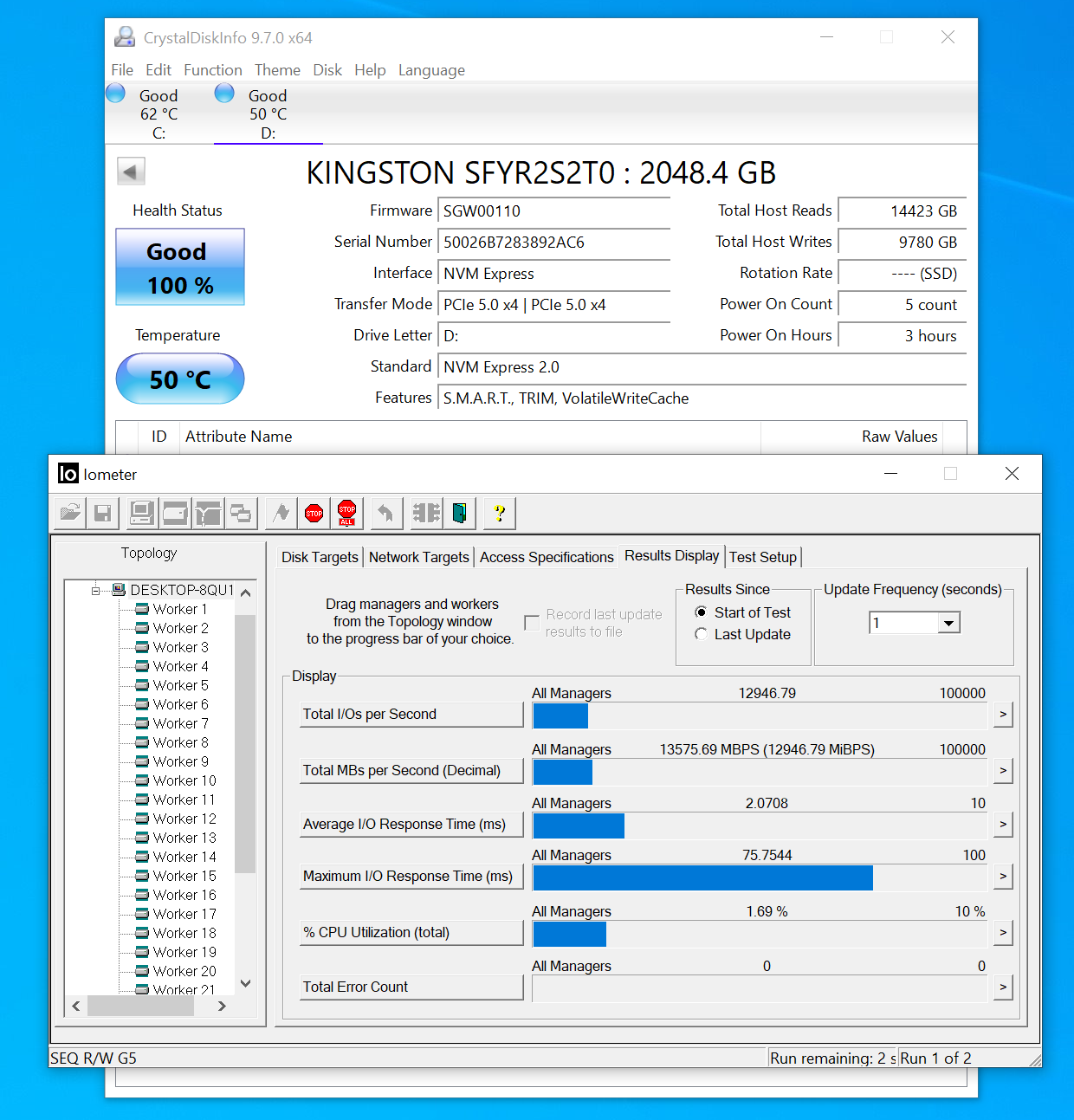
One of the most notable technical achievements of the Kingston FURY Renegade G5 is its ability to manage temperature and power efficiency. Kingston has succeeded in “normalizing” the temperature of the Gen5 SSD, turning it from a major challenge requiring a special solution to a factor that can be easily managed with standard heatsinks. Migovi was really surprised by the extremely cool temperature of the FURY Renegade G5 SSD, even when performing continuous reading and writing for a long time (nearly 1 hour), the temperature was only about 50 degrees Celsius. This was when Migovi attached the FURY Renegade and used the SSD heatsink that came with the motherboard, the room was not air-conditioned, the room temperature was about 30 degrees Celsius.
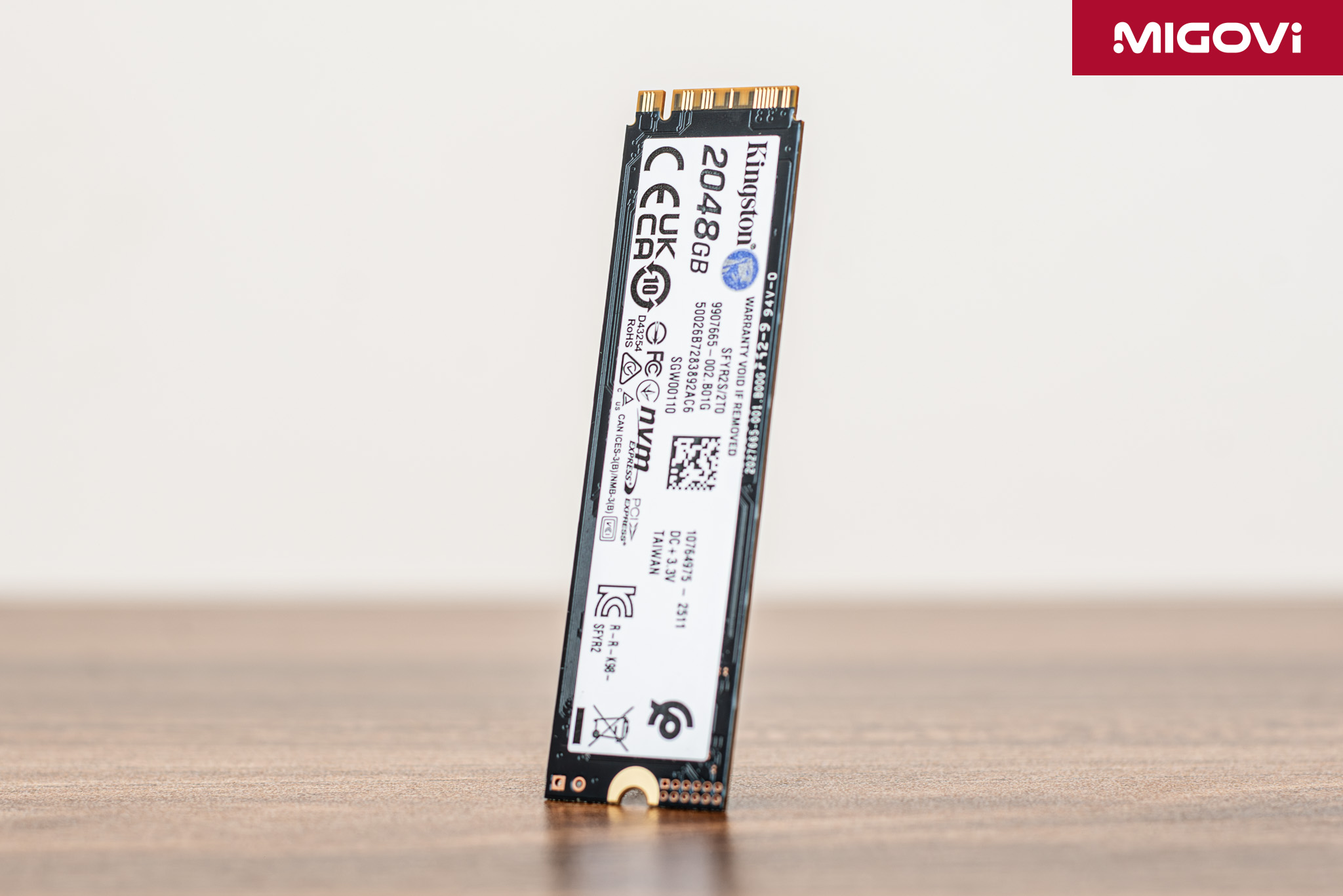
Kingston does not use graphene stickers, the stickers you see on the SSD body are just regular decal paper stickers. Instead, Kingston takes a comprehensive approach, optimizing from the component level to minimize heat generation from the beginning. Kingston's "Advanced Thermal Design" is a combination of many factors including: 6nm Silicon Motion SM2508 controller, LPDDR4 DRAM cache, 12-layer PCB and independent Buck IC. This is an independent voltage regulator integrated circuit that ensures stable and efficient power supply to key components, avoiding energy waste and reducing unnecessary heat generation.
Conclude
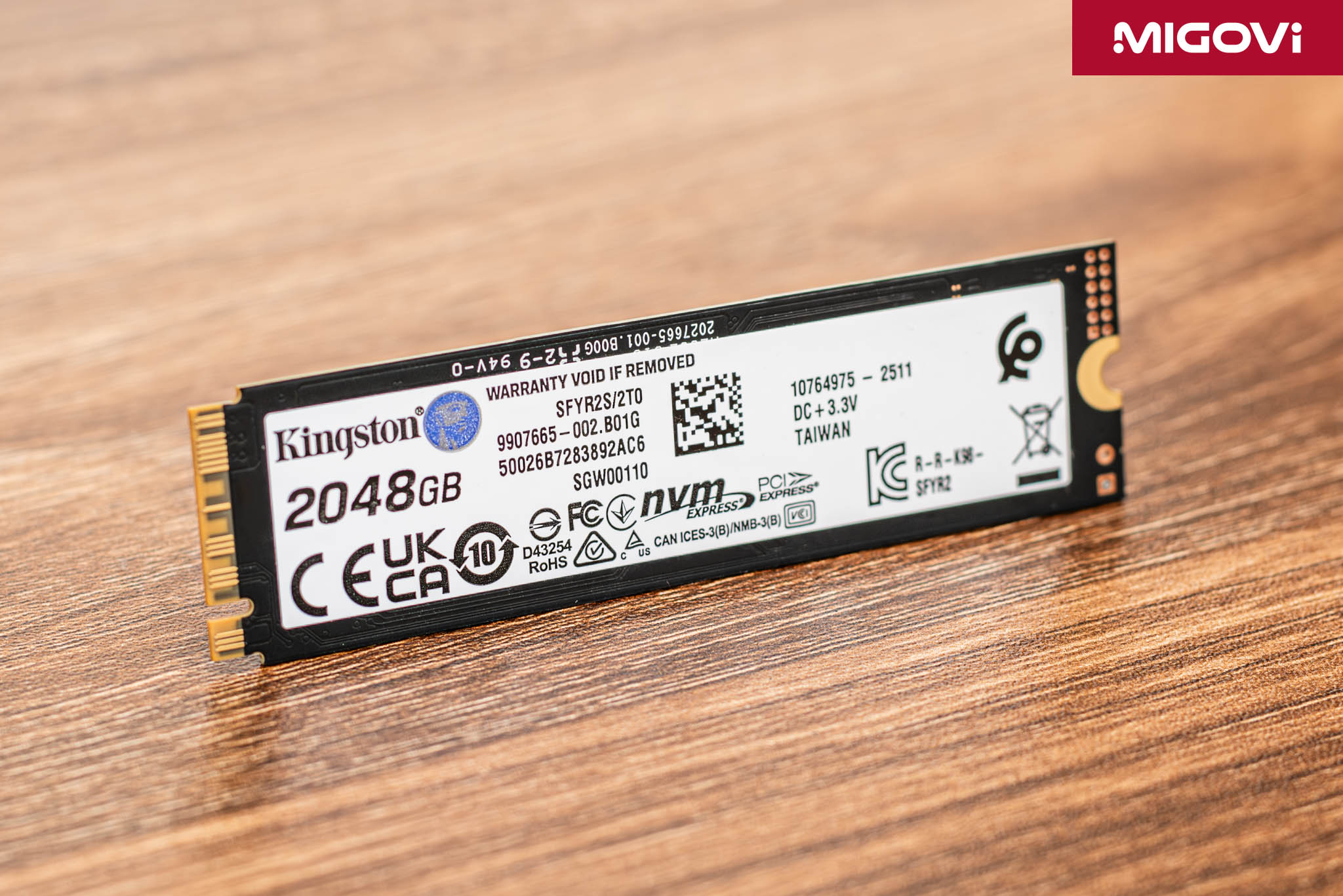
Kingston FURY Renegade G5 SSD is the choice for gamers and high-end users who need all the latest products, the best performance to experience and anticipate the future. FURY Renegade G5's 4K random read speed is impressive at over 120 MBps, combined with DirectStorage support for a much smoother gaming experience, or tasks, running software quickly. FURY Renegade G5's temperature is a very notable point because it is extremely cool. Without the need for a massive heat sink or combined with an additional solution (water, fan), FURY Renegade G5 SSD still ensures maximum speed without worrying about overheating. Of course, due to the hardware requirements, you should consider before owning FURY Renegade G5 SSD, as well as note if you own the Intel Z890 platform.





2 thoughts on “Kingston FURY Renegade G5 2 TB Review - Super Fast, Impressively Cool”