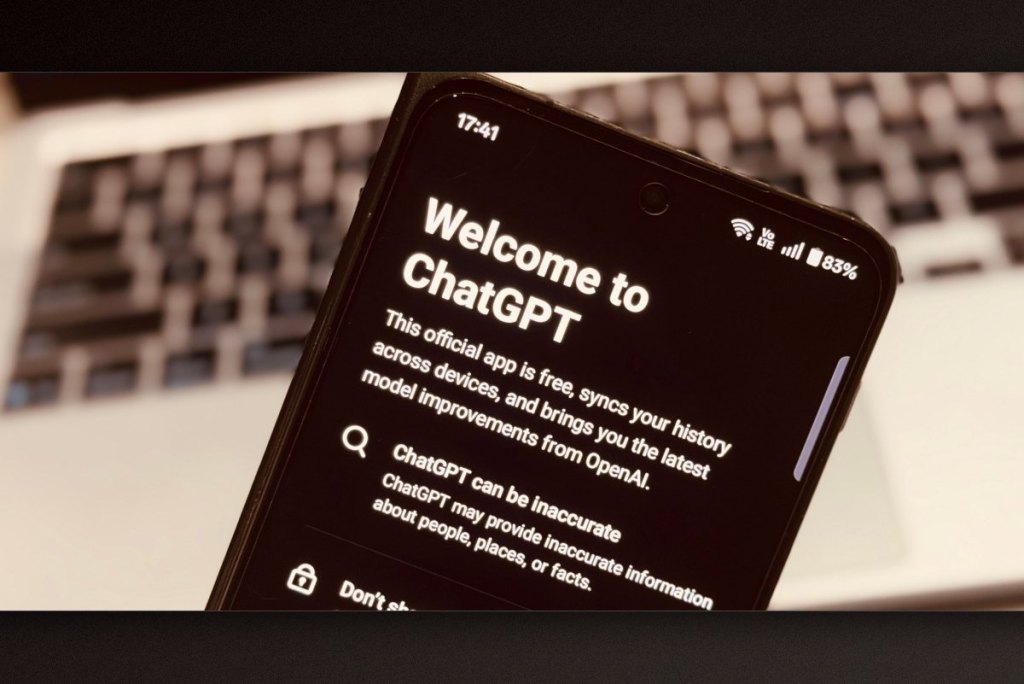
Hidden code in ChatGPT version 1.2026.328 requests access to contacts, messages, and notifications, along with signs that Dot could be summoned even when the phone is locked.
- ChatGPT for Android version 1.2026.328 contains unreleased permission strings, spotted by Android Authority while analyzing the APK
- The permissions point to making calls, reading and sending messages, controlling music, and viewing on-screen content
- Dot could connect through a dedicated card, be summoned while the phone is locked, and potentially serve as the default assistant
- It is unclear how these features will work or when they will ship
Table of Contents
The permissions buried in the code
Android Authority recently dug into the APK of ChatGPT version 1.2026.328 on Android and found several permission strings the app doesn't use yet. The strings refer to placing calls, reading and sending messages, controlling music, and looking at the screen. If these permissions make it into a public release, ChatGPT will move beyond answering questions and start doing things for you directly on your phone.
In more detail, the code suggests ChatGPT could read recent calls, search your contacts, call someone on request, and read and send messages. For music, it likely can't open a music app or pick a new track, but through Android's notification access it could still pause, resume, or skip the track that's playing.
The most notable piece is screen reading, similar to Gemini's "Ask about screen" feature. You could ask follow-up questions about whatever is in front of you without taking a screenshot and uploading it, though according to the report, the "Use screen and app data" option must be turned on first for this to work.
Dot could become the default assistant
Dots are always-on AI agents that OpenAI introduced in September. You can use them through a dedicated app or directly inside ChatGPT on mobile, desktop, and the web. Since then, OpenAI has gradually added more capabilities, such as conversations over iMessage and RCS, Wallet integration, and health data integration.
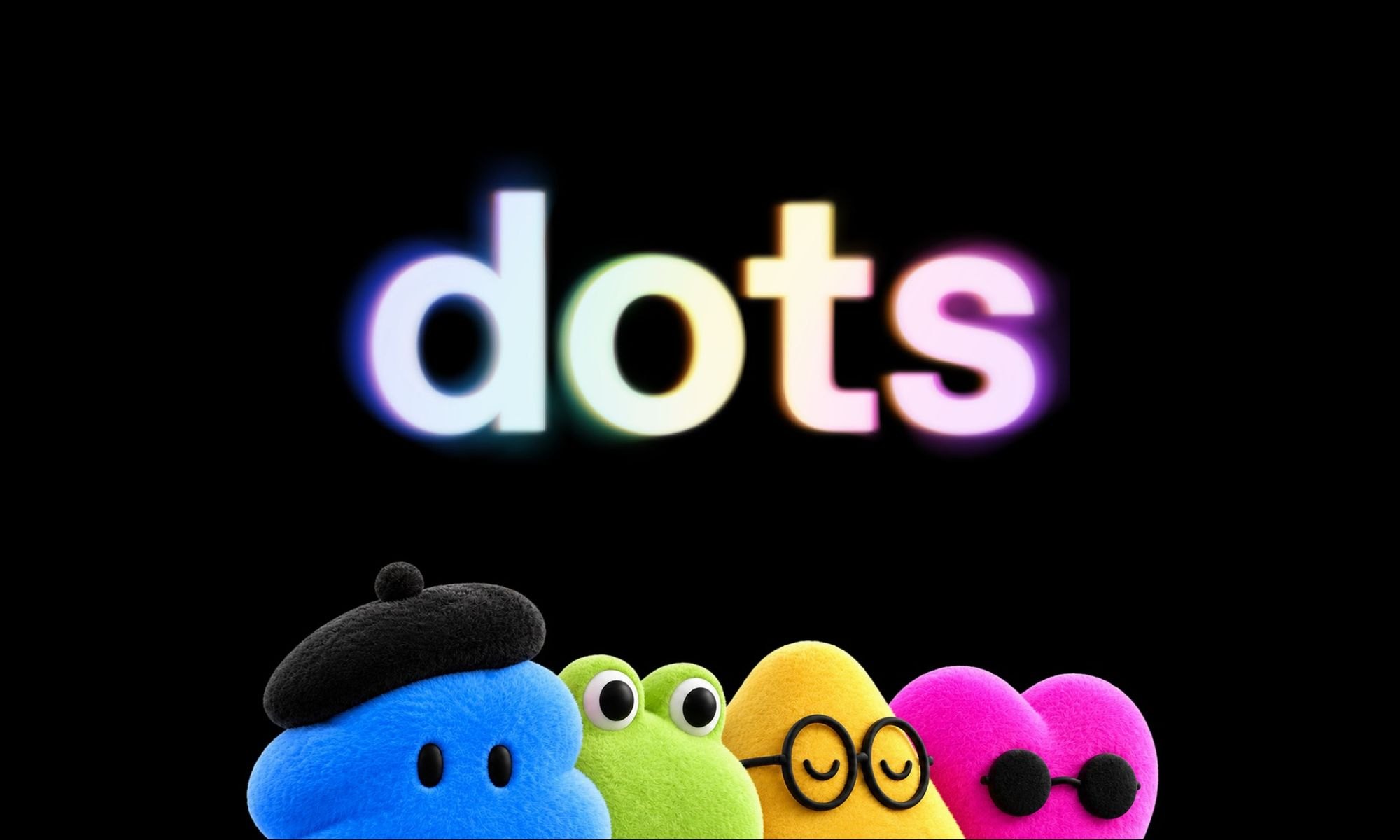
This APK hints at a way to connect Dot to Android through a dedicated Dot card. One permission string indicates users may have to grant notification access in Android's Settings, then return to the card and tap Connect or Continue. Two references in the code stand out even more: "allowedWhileLocked" suggests Dot could be summoned while the phone is locked, and "useDotAsAssistant" suggests Dot could be set as the default digital assistant.
Plenty of unanswered questions
These lines of code are only traces of features in development, so nobody knows yet how they will work in practice or when they will reach users. If everything comes together on Android, these capabilities will likely arrive on iOS later, though no information confirms that so far.
This direction makes sense. An AI assistant is only truly useful when it can get things done, like placing calls, sending messages, or answering questions about what's on the screen, and if ChatGPT wants to compete with Gemini on Google's own platform, it's hard to avoid deep permissions like these. But they are also among the most sensitive permissions on a phone, because they touch your contacts, your private messages, and everything you open to look at. For users in Vietnam, Migovi thinks it's sensible not to get ahead of yourself, since all of this exists only in code and there is no release yet. When the features do appear, grant only the permissions you really need and read OpenAI's explanations carefully before letting ChatGPT read your screen or send messages on your behalf.
Source: Digital Trends
Reviewed by: Hero Association